


 May 07, 2019, 02:56 PM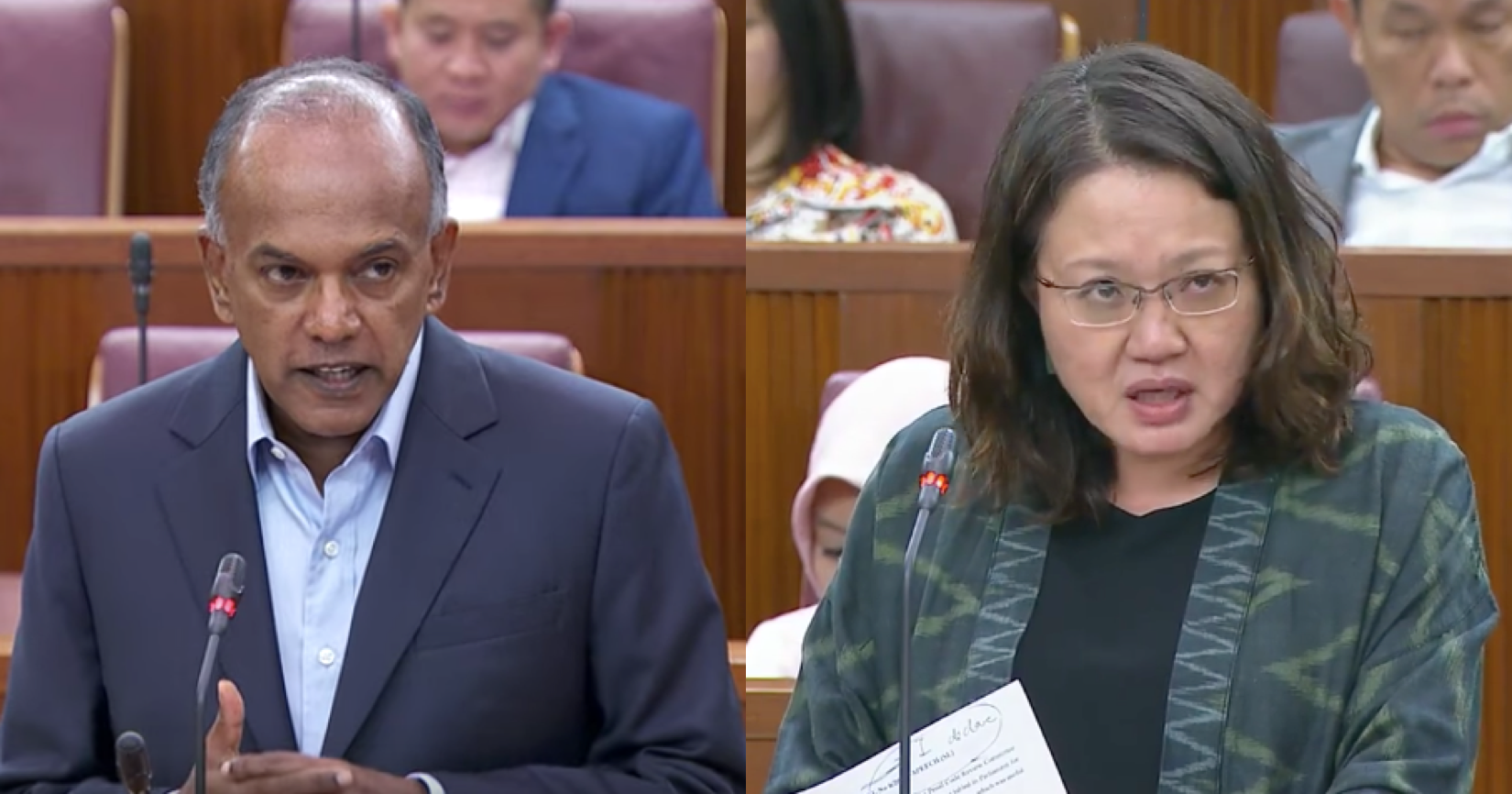

The law will treat perpetrators of crimes against vulnerable victims more severely following the change in the Penal Code and the passing of the Criminal Law Reform Bill.
Minister for Home Affairs and Law K Shanmugam said during the debate in Parliament on May 7, "We want to provide stronger protection for those who cannot protect themselves."
Vulnerable victims
There are three categories of vulnerable victims:
- Children below 14 years old.
- Vulnerable people due to mental and physical disabilities.
- Domestic workers.
Under the new Penal Code, penalties for all offences committed against vulnerable victims could be given twice the maximum penalties prescribed.
To illustrate his point, Shanmugam referenced the tragic case of Annie Ee, who died after eight months of abuse at the hands of her "friends" in 2015.
Said Shanmugam:
"With the new amendments, if a person like Annie Ee is assessed to be substantially unable to protect herself, then her abusers will be liable to up to twice the maximum punishment."
He added:
"All Penal Code offences committed against such vulnerable persons will be made arrestable, regardless of whether the underlying offence is itself arrestable. That will allow the Police to intervene quickly."
Domestic abuse cases
Shanmugam confirmed that penalties will also be enhanced against those in close or intimate relationships who abuse their partners, even if the couple are not married.
He mentioned the difficulties faced by victims in abusive relationships. He said:
"In many serious domestic abuse cases, the abuser exploits the trust of the victim to abuse them. The victims often find it difficult to leave such partners due to the emotional and psychological manipulation which is frequently found in such relationships."
If such offenders commit specific offences like rape, wrongful confinement or causing hurt, they will be subject to twice the maximum penalties.
Shanmugam added that these amendments should be considered together with the proposed changes to the Protection from Harassment Act (POHA), with its Second Reading scheduled for May 7.
He said that the intention was to allow partners in intimate relationships to get expedited Personal Protection Orders, if necessary, and said:
"Based on Parliamentary rules, I cannot go too much into detail on POHA but my intention is that it must be fast, it must be quick, and they must be able to get remedies."
Link between vulnerability and offence
In her speech, Workers' Party (WP) MP Sylvia Lim supported the Bill but asked for a clarification, pointing out that the "double" penalty is subject to a caveat.
Lim said that if the vulnerable person is deemed to have been capable of protecting themselves like an ordinary person, then the enhanced penalty would not apply.
In response, Senior Parliamentary Secretary for Home Affairs Amrin Amin explained that there had to be a link between the vulnerability and the offence.
He gave an example of a person with a physical disability not necessarily being vulnerable in a "white collar crime" like fraud. Said Amrin:
"If the vulnerability did not make the person more susceptible to the offence, the offender will be subjected to punishment, but not enhanced punishment."
&t=3s
Top image from Gov.sg's YouTube and CNA.


If you like what you read, follow us on Facebook, Instagram, Twitter and Telegram to get the latest updates.