


 January 25, 2018, 09:30 AM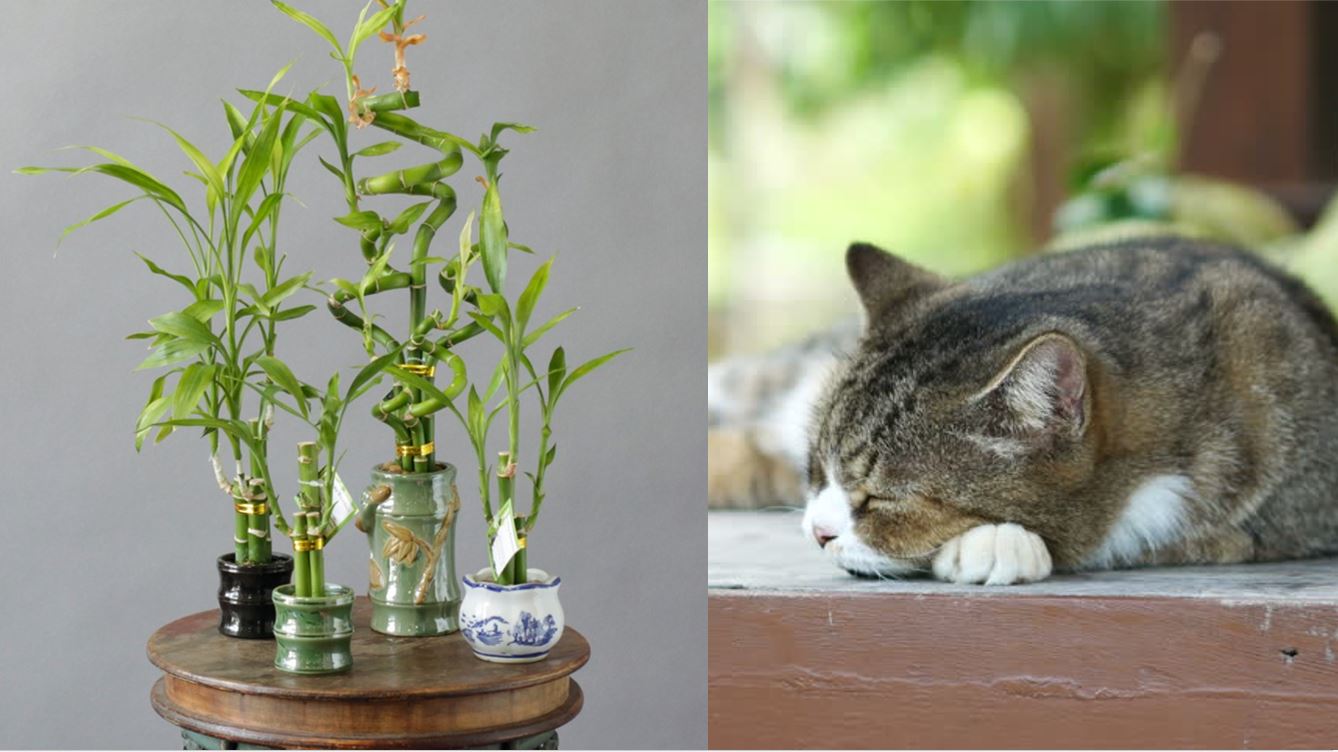

As Chinese New Year draws nearer, many Singaporeans are keeping an eye out for all things auspicious.
Many would do anything to usher in prosperity and good fortune for the new year. Some might bank in their money at auspicious timings, and one family even held an epic bak kwa BBQ.
Others may just settle for some lucky houseplants to bring luck and good fortune to their household.
Lucky bamboo
One plant that surfaces quite often in the list of lucky, must-have CNY plants is none other than the "Lucky Bamboo". This is what it looks like:
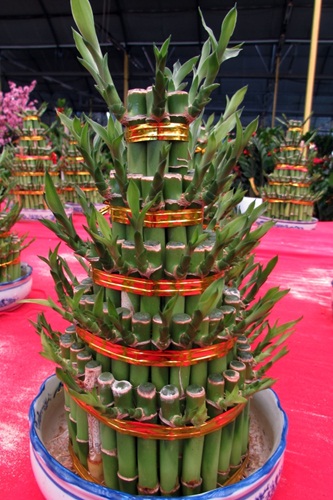 Photo by Vicky Lim, via Nparks.
Locally known as the Kuan Yin Bamboo, stalks of this plant were once used to adorn altars worshipping the Goddess of Mercy, making it a popular plant for many Chinese.
Plenty of nurseries in Singapore have since introduced stems of this plant, and deliberately fashioned them to have a coiled appearance for decorative and symbolic purposes.
It can be twisted and bent into various shapes such as the number eight (considered to be an auspicious number in Chinese culture), braided into the shape of a pineapple (considered to be an auspicious fruit), or placed in tiers to symbolise progress.
[related_story]
Here are some of the many ways the Lucky Bamboo can be fashioned:
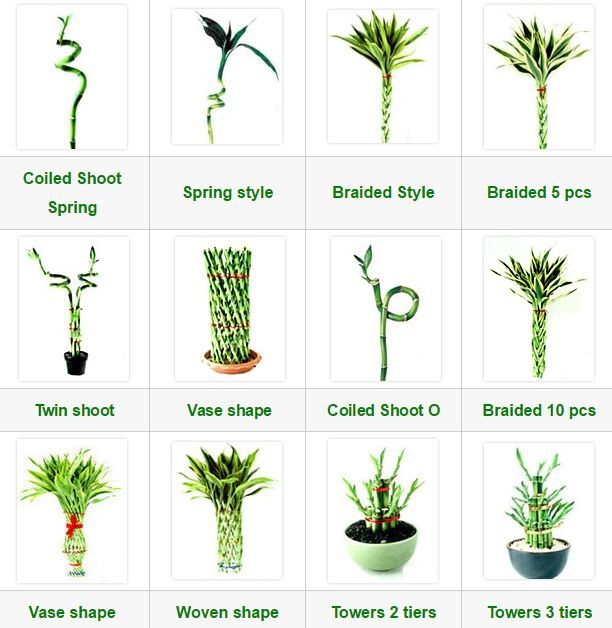
The Lucky Bamboo has become a popular houseplant during the festive Chinese New Year season. It is not only pretty to look at, but also symbolises luck and strength.
Sounds like a great plan for your home? Well, if you are a cat or dog owner, think again.
[related_story]
Bad news for cats and dogs
In a Facebook post, Light of Life Vet has cautioned that the Lucky Bamboo is in fact, not a bamboo, and can be harmful to cats and dogs.
The Lucky Bamboo that we commonly see in Singapore actually belongs to a species called the Dracaena braunii, and goes by other common names such as: Cornstalk plant, Corn plant, Ribbon plant, Dragon tree, or Money tree.
It is categorised under the Dracaena genus. Most plants belonging to this genus have a mild level of toxicity in the leaves and stems which present symptoms in cats and dogs when ingested.
These are some of the common signs to watch out for in your pets:
- Drooling
- Vomiting
- Diarrhoea
- Weakness
- Walking drunk
- Dilated pupils (in cats)
Pet owners are also advised to seek medical attention immediately if their cats/dogs have consumed the plant.
This is the full post:
Not so lucky for cats and dogs after all.
Top photo from Avant Florist and Shutterstock.


If you like what you read, follow us on Facebook, Instagram, Twitter and Telegram to get the latest updates.