


 March 04, 2019, 02:01 PM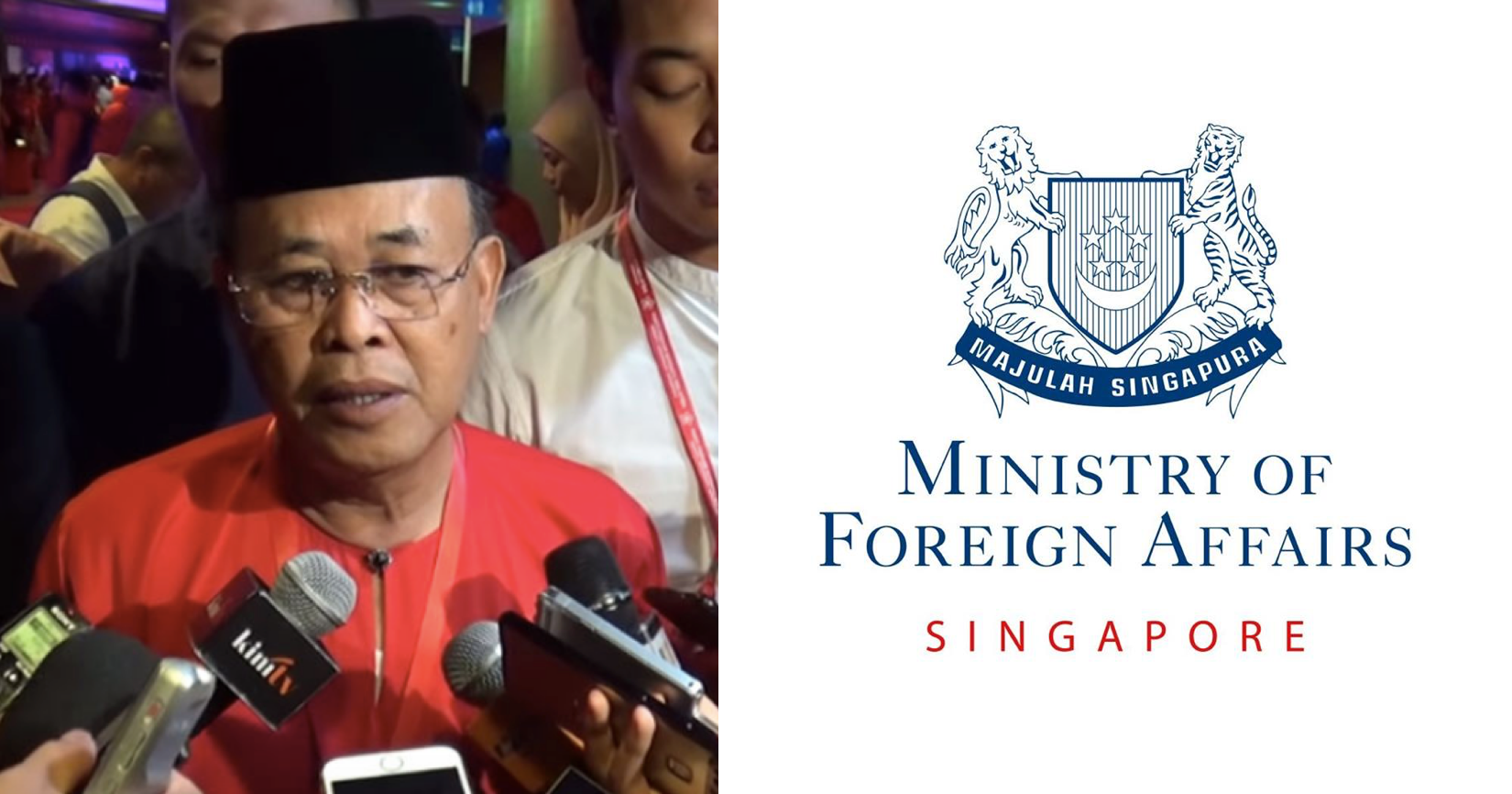

On March 1, Johor's Chief Minister Osman Sapian announced that his state will aim for self-sufficiency in treated water.
He said that there was a plan to no longer rely on buying treated water from Singapore.
No change in Singapore's position
It was unclear how or if this latest development would impact the 1962 Water Agreement between Singapore and Malaysia.
But the Ministry of Foreign Affairs (MFA) has responded on March 3 that any plan by Johor would not affect Singapore's position on unilaterally changing the Agreement.
In a media statement, MFA said:
"Singapore notes the Johor state government’s plans to increase its capacity to produce treated water to meet its own needs.
This does not affect Singapore’s position that all parties, including Johor, must honour the terms of the 1962 Water Agreement, which no party can unilaterally change."
The 1962 Water Agreement
The Agreement allows Singapore to draw 250 million gallons of water per day from the Johor River.
Singapore pays three sen for every 1,000 gallons.
In return, Johor is entitled to a daily supply of treated water amounting to two per cent of the raw water it supplied for 50 sen per 1,000 gallons, although in actual fact Singapore supplies a higher amount.
But Singapore also bears the full cost of treating the water.
The Singapore authorities have stated that the real cost of treating the water is RM2.40 per 1,000 gallons.
It also bears infrastructural costs, such as building dams and treatment plants, and operating and maintaining the pumps and pipelines.
Related stories:
Top image adapted from Mothership and MFA's Facebook page.


If you like what you read, follow us on Facebook, Instagram, Twitter and Telegram to get the latest updates.