


 November 27, 2020, 05:25 PM
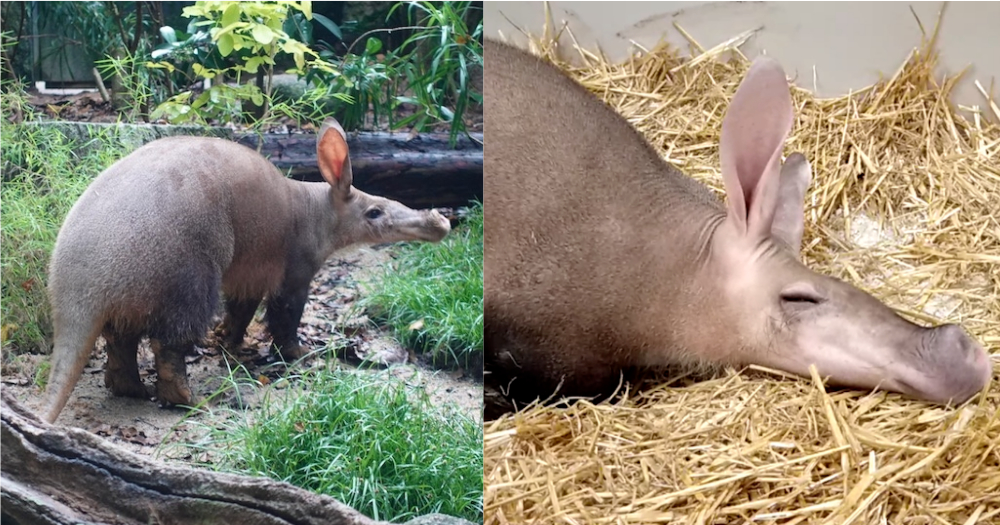

The Night Safari has welcomed a new resident recently.
The aardvark, a nocturnal animal, has an interesting appearance:
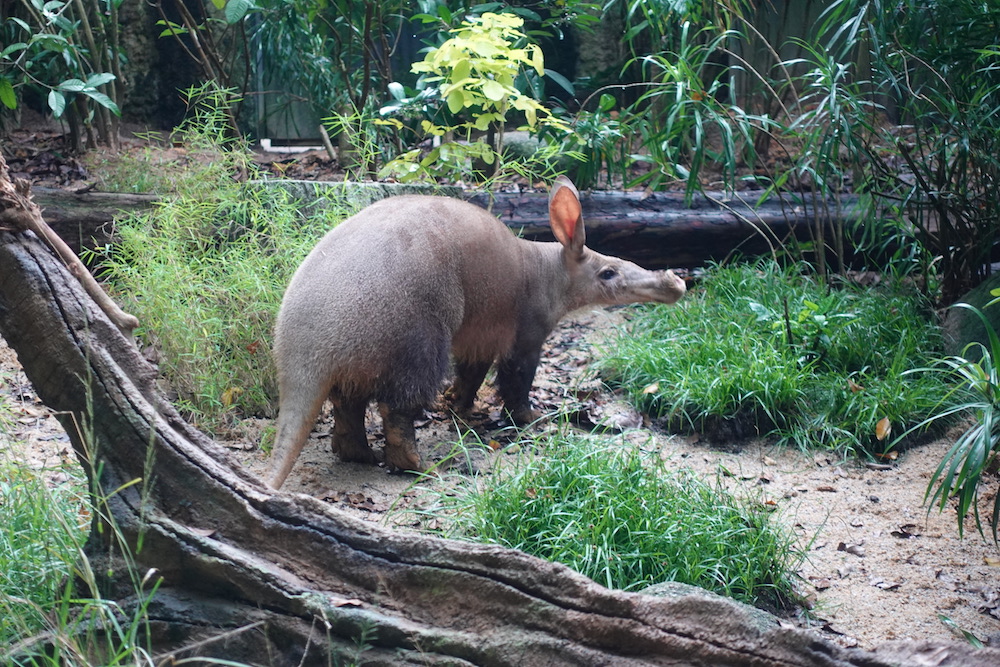 Photo courtesy of Wildlife Reserves Singapore.
What is an aardvark?
It has a pig-like nose, rabbit-like ears, and kangaroo-tail.
But it is not related to these animals, neither it is related to anteaters, which some people might have guessed.
The aardvark is the only living species of the order of Mammalia, Tubulidentata.
Among the living mammals on Earth, aardvarks' closest relatives are African elephants and sea cows.
"Aardvark" means "earth pig" in South Africa's Afrikaans language.
Native to Africa, aardvarks are threatened by hunting by man for its meat and habitat loss in the wild.
With their elongated snout and powerful claws, aardvarks, which are insectivores, can forage and dig through the ground for termites very well.
Interestingly, aardvarks' hind legs are longer than the fore legs. The fore legs have thick claws which are good for digging.
An aardvark gives birth to only one newborn every year and can live up to 23 years in the wild.
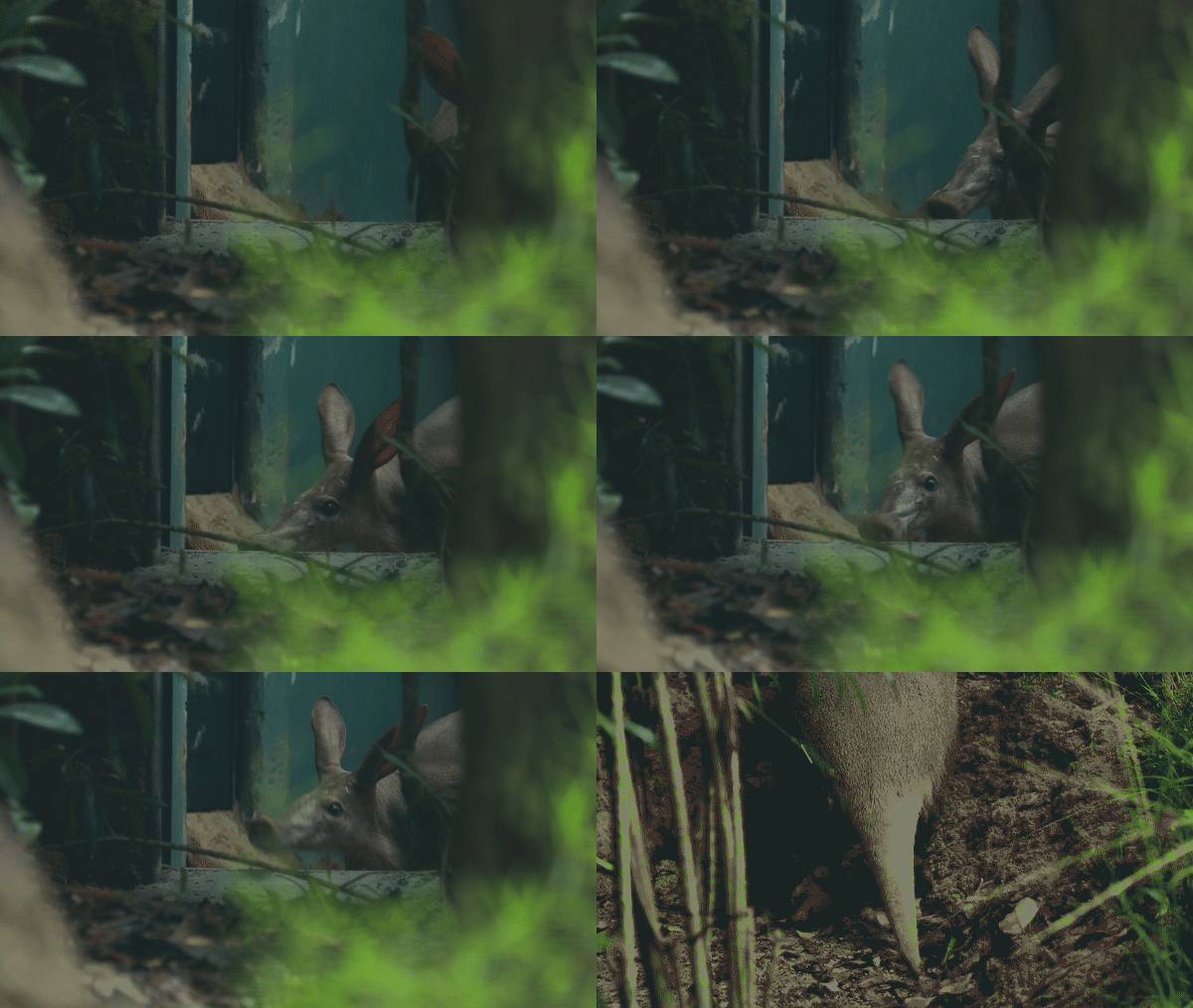 GIF via Wildlife Reserves Singapore.
Night Safari welcomes aardvark from Japan zoo
The aardvark that has just moved into Night Safari comes from Japan's Higashiyama Zoo as part of an animal exchange programme.
It is a five-year-old female and she's called "Alika", which means "the most beautiful" in Afrikaans language.
She arrived at Night Safari in October and had a month-long quarantine.
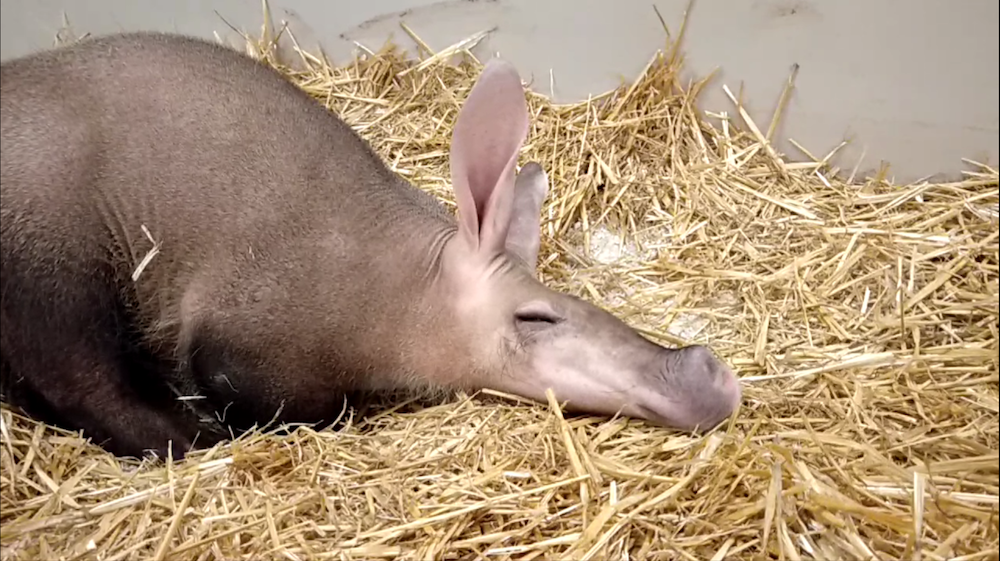 Photo courtesy of Wildlife Reserves Singapore.
The veterinarians have given Alika a clean bill of health and she has moved to the East Lodge Trail on Nov. 27.
Based on their diet in the wild, the nutritionist at Wildlife Reserves Singapore has formulated a special blend of insectivore pellets, ant's eggs, chicken eggs, omega-3 supplements sand to meet her nutritional needs.
The exhibit also has artificial termite mounds and logs to replicate her natural habitat.
Her keepers will also hide food in the crevices so that Alika will retain its natural foraging behaviour.
Here's a sneak peek at curious-looking Alika at her new home:
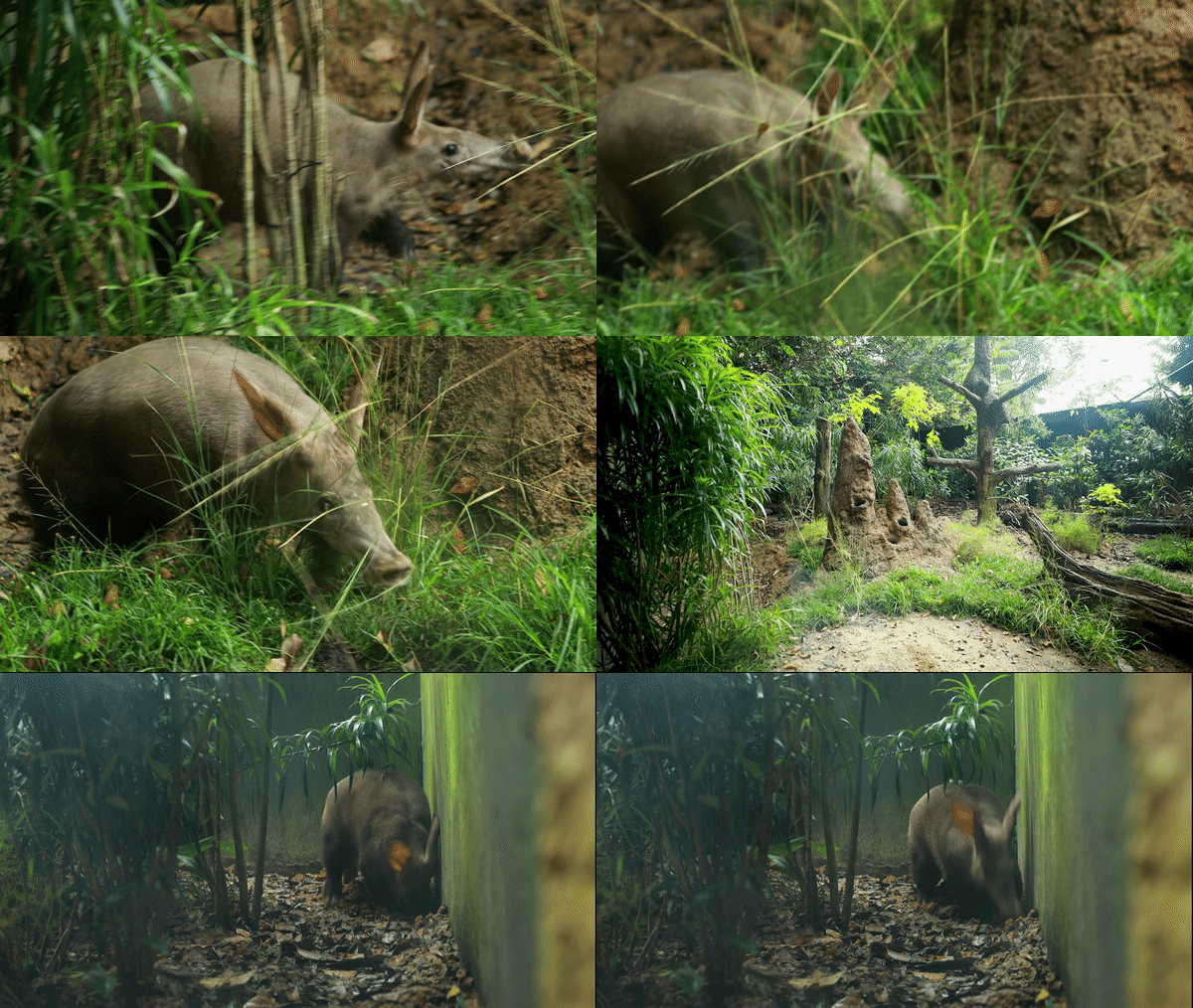 GIF via Wildlife Reserves Singapore.
Totally unrelated but follow and listen to our podcast here
Top photos courtesy of Wildlife Reserves Singapore


If you like what you read, follow us on Facebook, Instagram, Twitter and Telegram to get the latest updates.