


 September 30, 2020, 06:58 PM
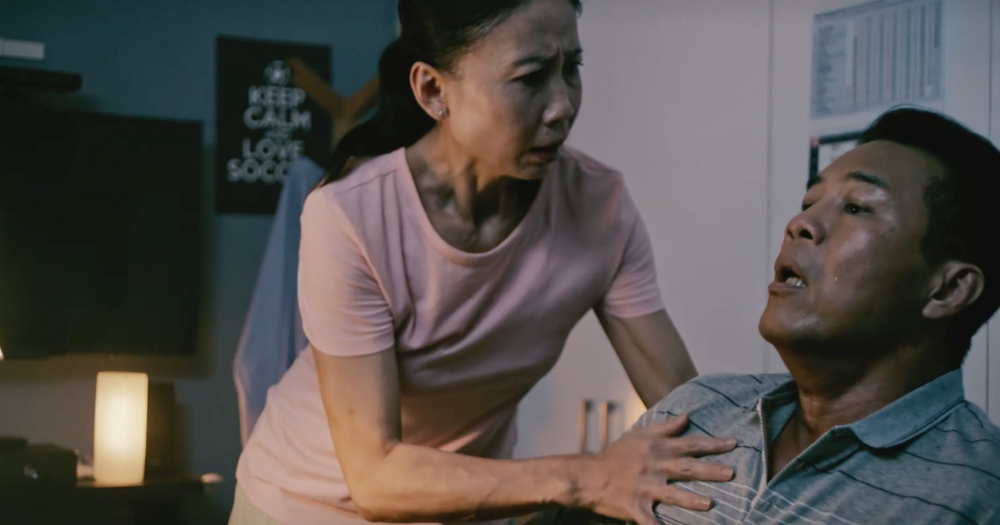

While everyone is busy looking after their physical health amid the Covid-19 pandemic, there’s one thing we often overlook.
Our mental health.
Fear, anxiety, and stress are some common feelings that may arise during this difficult period.
Especially if one is affected by the economic fallout. Like getting retrenched, for example.
A short film by the National Council of Social Service (NCSS) explores just that — how a man from the sandwich generation struggles to cope with his life and mental health after losing his job.
Lost his job
The short film begins with the man unpacking.
The radio plays softly in the background and we are told that this short film takes place during Singapore’s circuit breaker period.
The man then comes across a dusty, old clock with these words engraved on it: "20 Years Long Service Award 2010 - Ong Soon Teck".
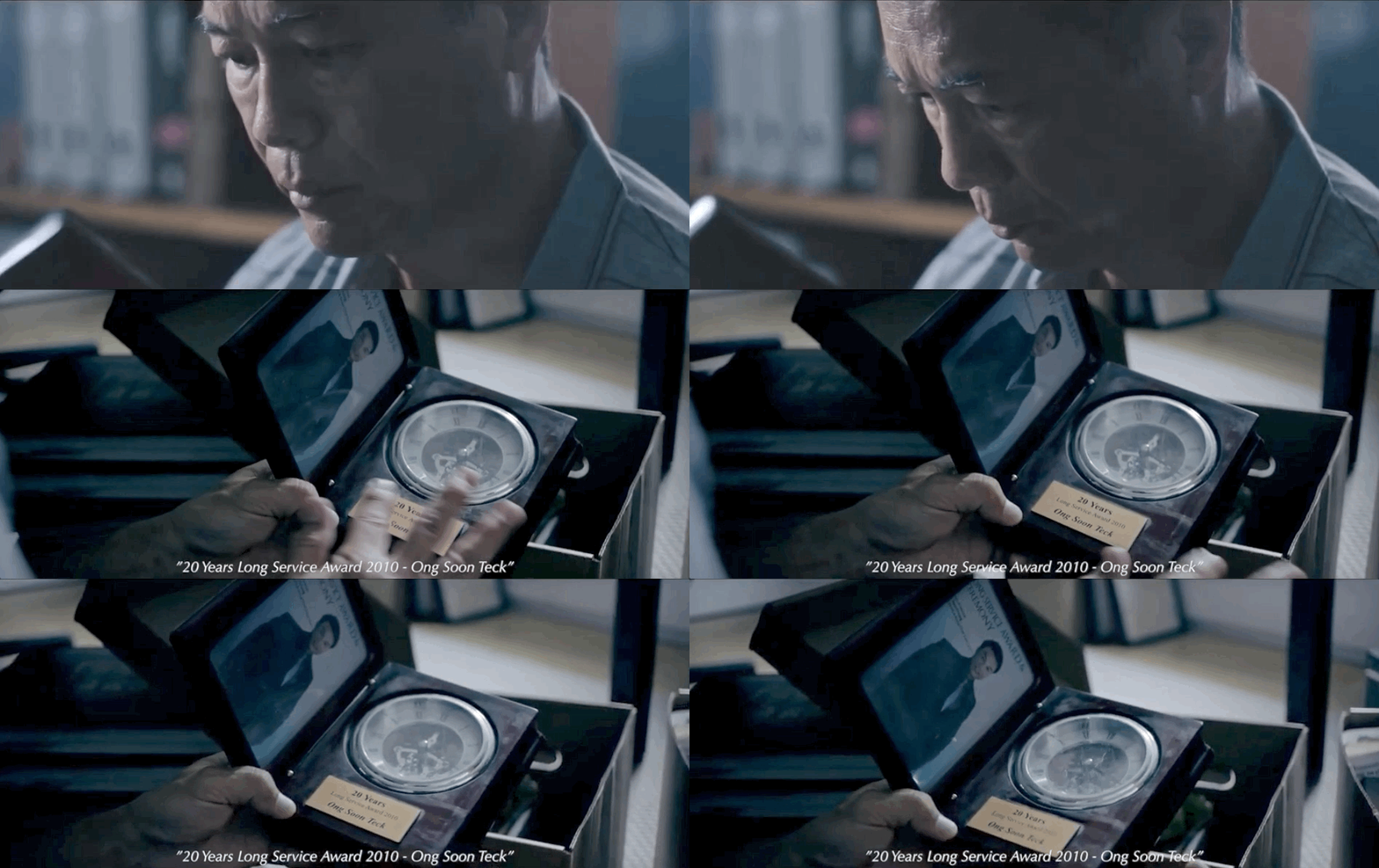
He subsequently tries to fix the broken clock, but his wife enters the room and fusses over what he’s doing.
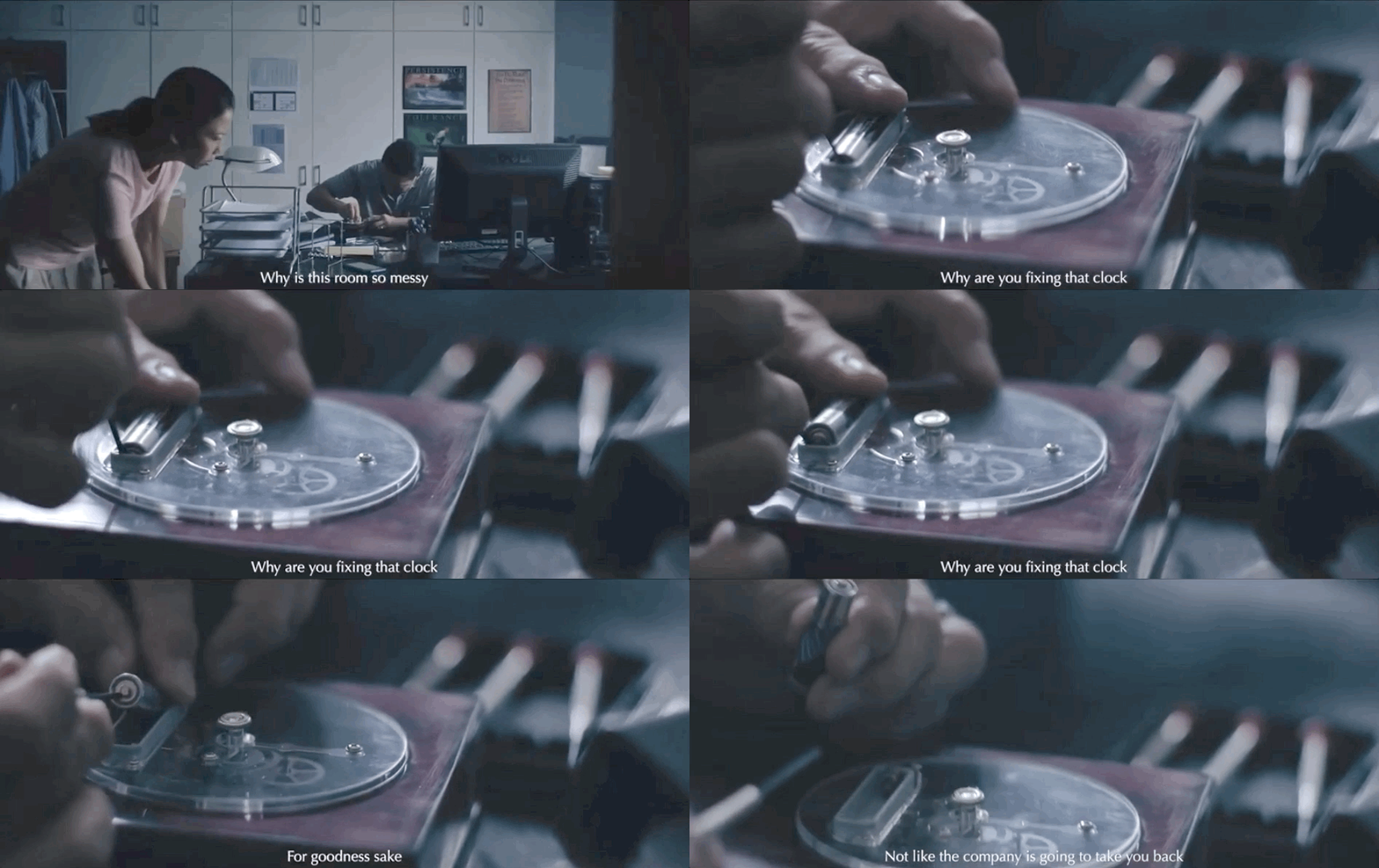
She says: "Why are you fixing that clock? For goodness sake, not like the company is going to take you back. Throw it away."
He asks for some batteries instead.
It soon becomes apparent — the man had lost his job, and he hasn't come to terms with it.
Father suffers from dementia
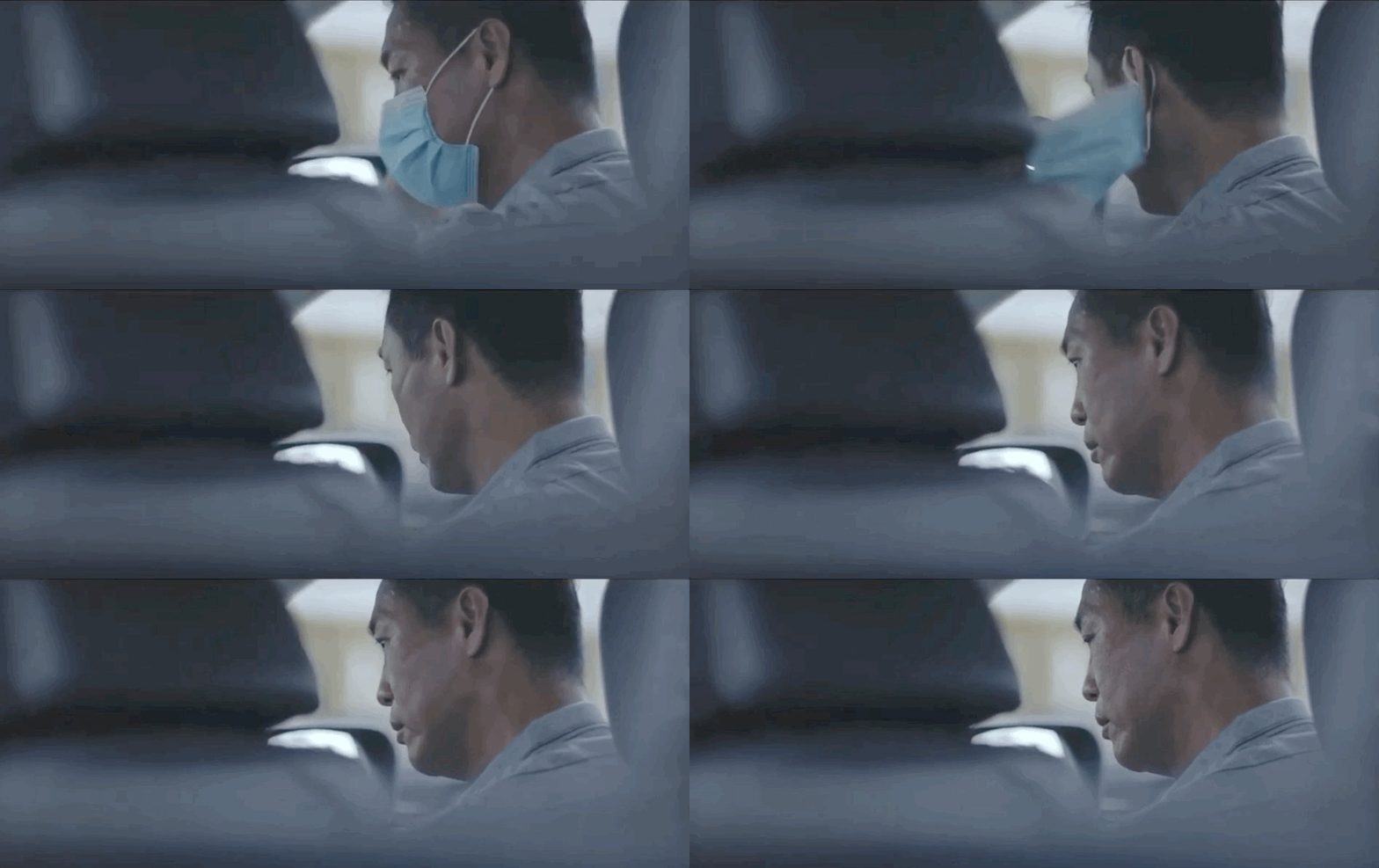
The man leaves his home to work as a ride-hailing driver.
At one point, he takes off his mask and stares ahead with a blank expression.
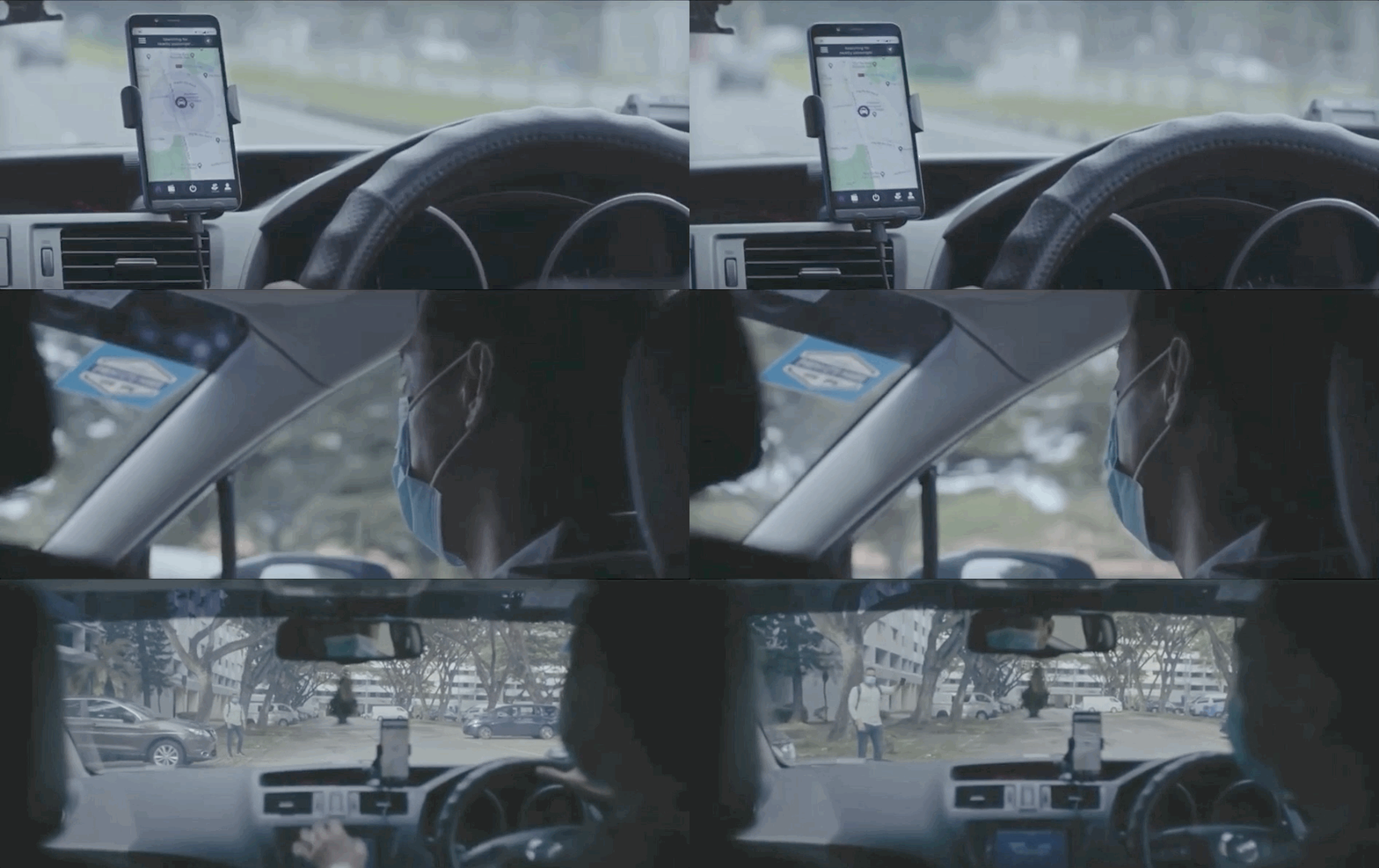
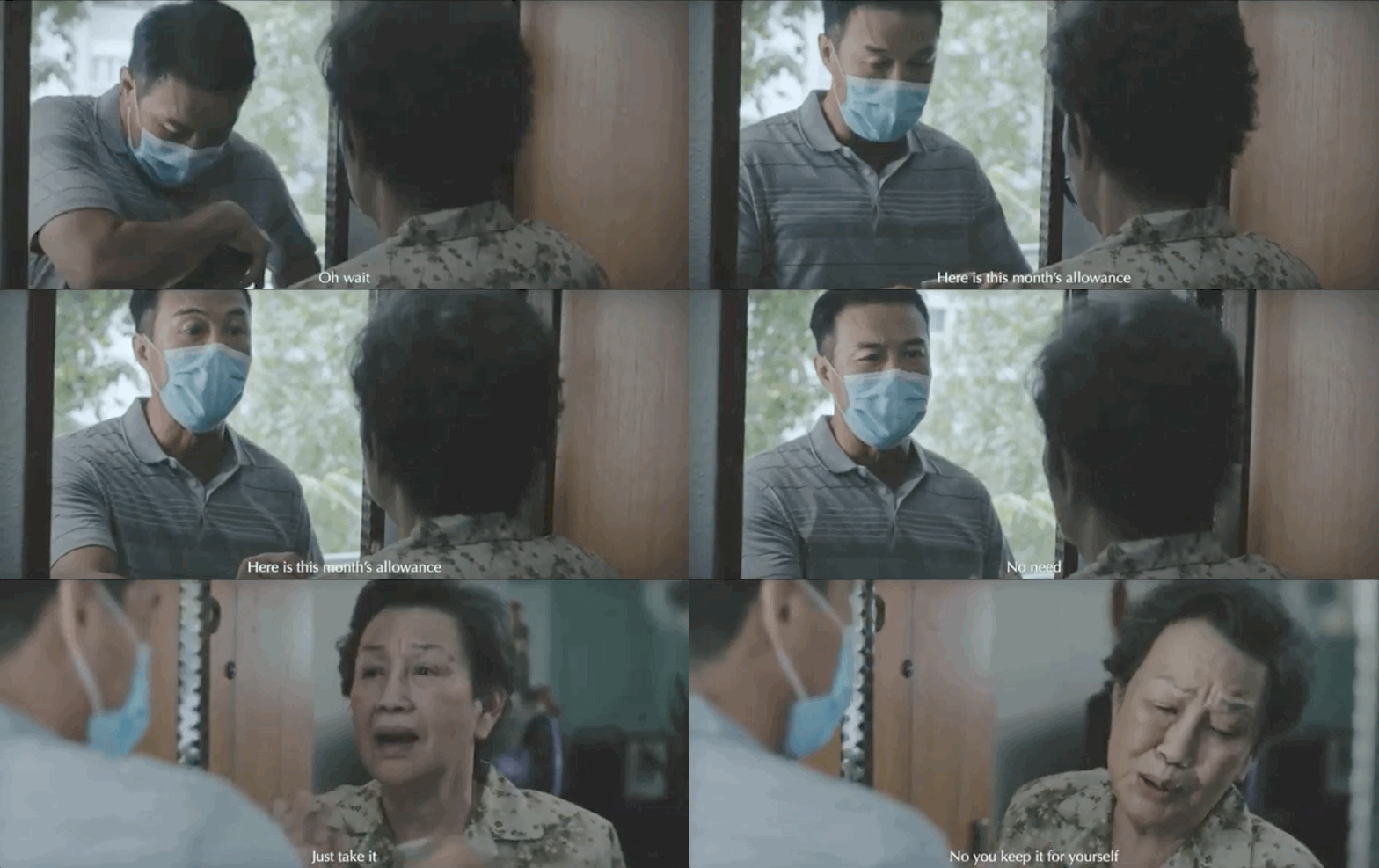
He makes a pit stop at his parents’ house to give his mum some fruits.
He attempts to give her some allowance money too, but she firmly rejects.
"No you keep it for yourself," she says.
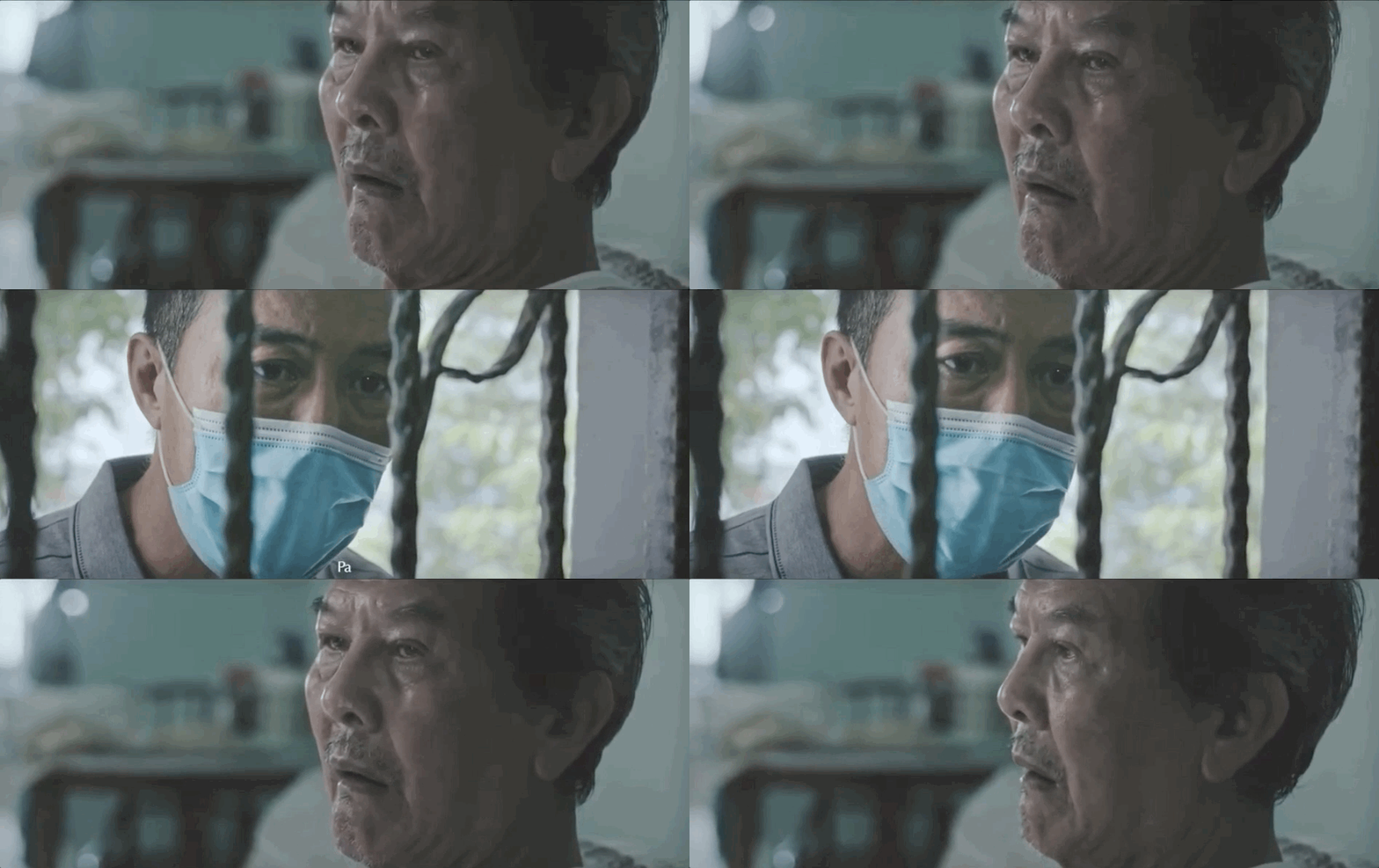
Still standing at the gate, he peeks inside and sees his dad sitting in the living room.
He calls out to him a few times.
But his dad turns to look at him for a few seconds, looking confused and saying nothing, before looking away.
He doesn’t recognise his son as his health and memory is failing day by day.
And due to the Circuit Breaker measures, the man can only call out to his father from afar, unable to physically be by his side.
Spiralling out of control
The next few scenes continue to show the man’s struggles with life, except it gradually gets worse and worse.
He reaches his breaking point too in what is arguably the most heart-wrenching part in the entire film.
To find out what eventually happens to the man, you can watch the full film here:
Key Takeaways
As stated at the end of the film:
“We are in difficult times. Remember, you are not alone. Talk to your loved ones or seek help early for your mental health.”
Taking care of one’s mental health is imperative, especially during tough times like this.
It’s also important to remember that mental health conditions know no boundaries.
It could very well affect your friend, family, or the person sitting beside you in school or at work.
So spread the word to your loved ones, that it is okay to not be okay. Most importantly, show that you care and be supportive of their recovery.
If you find yourself struggling to function with daily life, losing appetite, and having troubles falling asleep or concentrating, please seek help early from a mental health practitioner.
Talk about your mental health with your family and friends.
Visit Beyond the Label’s Facebook page and Instagram page to learn more, or talk to their helpbot.
And always remember, you are not alone.
This sponsored article by the NCSS has taught this writer that it's okay not to be okay.
Top image screenshot from NCSS' video.


If you like what you read, follow us on Facebook, Instagram, Twitter and Telegram to get the latest updates.