


 April 28, 2020, 12:22 PM
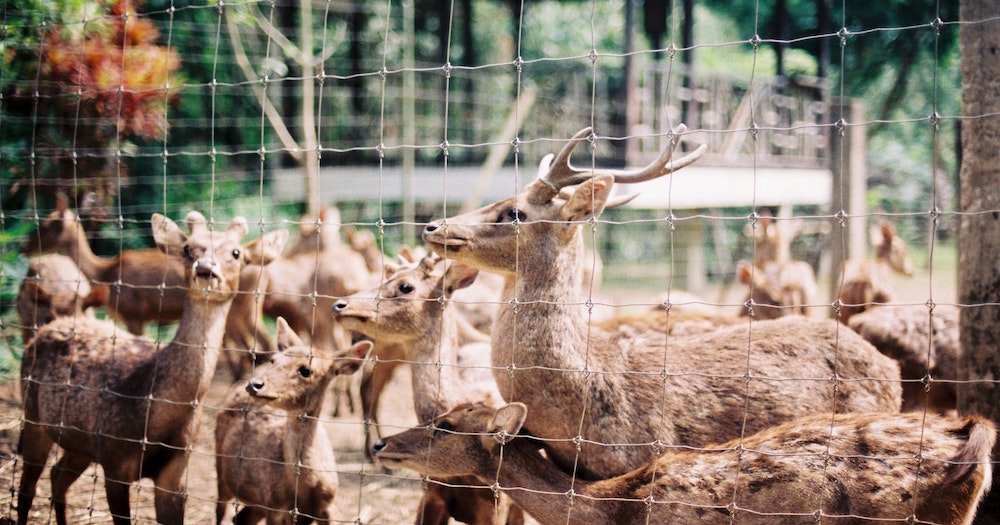

Zoos in Indonesia are struggling to feed over 70,000 animals in captivity as people are staying at home to limit the spread of Covid-19, reported The Jakarta Post.
92% of zoos only have enough to feed their animals until mid-May
According to a survey conducted by the Indonesian Zoo Association (PKBSI) in Apr. 2020, 92 percent of zoos in Indonesia (or 55 zoos) only have enough food for their animals until mid-May.
The same survey revealed that only three zoos in the country would be able to feed their animals for one to three months.
Only two zoos had enough stock to feed their animals for more than three months, reported The Jakarta Post.
Over 70,000 animals face severe food storage
Over 70,000 animals from 4,912 species can be found in captivity under the zoos which make up the Indonesian Zoo Association (PKBSI).
Some captive animals include protected species, such as the Sumatran tiger, the Bornean orangutan, and the Sumatran elephant.
A spokesperson from the Indonesian Zoo Association, Sulhan Syafi’i, told The Jakarta Post that some zoos are privately owned and rely on ticket sales:
“Not all zoos receive money from the government. Some are privately owned and rely on the revenue from ticket sales.”
However, according to reports by National Geographic and South China Morning Post in the past few years, many zoos in Indonesia have come under fire for not feeding their animals well and keeping them in deplorable conditions.
Some zoos have short-term contingency plans
The secretary-general of the Indonesia Zoo Association, Tony Sumampau, said that four zoos are new members to the PKBSI, so that they could seek government aid.
Tony said that the zoos under the association have a contingency plan, but only for one to two months, according to The Jakarta Post.
“We do have a contingency plan—but only for one to two months. It has been already a month since zoos started seeing zero attendance as a result of Covid-19."
The association has written to President Joko “Jokowi” Widodo and related ministries and agencies, asking the government to pay more attention to the condition and welfare of zoos and other conservation centers during the outbreak.
Using zoos' herbivores to feed carnivores should be the last resort
Some of the zoos are reducing the amount of food given to the animals and substituting some components of their diet with alternatives, reported The Jakarta Post.
A spokesperson from the Bandung Zoological Garden, Sulhan, shared with The Jakarta Post that zoos could use alternatives to feed their animals for a longer period of time:
“For example, we used to feed a leopard every two days with three to four kilograms of [beef and mutton]. For now, we’ve changed its diet to beef and chicken.”
In zoos that have carnivorous animals, such as Taman Safari Indonesia (TSI) in West Java, Indonesia, the zoo has stopped importing meat to feed their 134 carnivores, such as Javan leopards, lions and cheetahs.
A spokesperson told The Jakarta Post, that in TSI:
“The tigers usually eat six days a week, but now we only feed them five days. It is possible that we will only feed them four days a week if conditions remain like this."
According to the Environment and Forestry Ministry’s biodiversity conservation director, Indra Exploitasia, there are animal welfare protocols in a 2019 ministerial regulation, which require zoos to feed animals.
While the ministry has appealed to other ministries on relaxing tax requirements for zoos, Indra mentioned that government aid could be given to zoos affected by Covid-19.
At the same time, she acknowledged that there is the possibility of sacrificing zoos’ herbivores to feed carnivores, if the Environment and Forestry Ministry permits it.
However, she added that if this were to be permitted, the sacrificed animals will be accessed based on criteria, such as not being a protected species and being able to breed quickly.
She told The Jakarta Post that "this should only be the last resort".
Top photo via Helene Nguyen/Unsplash


If you like what you read, follow us on Facebook, Instagram, Twitter and Telegram to get the latest updates.