


 April 02, 2020, 04:53 PM
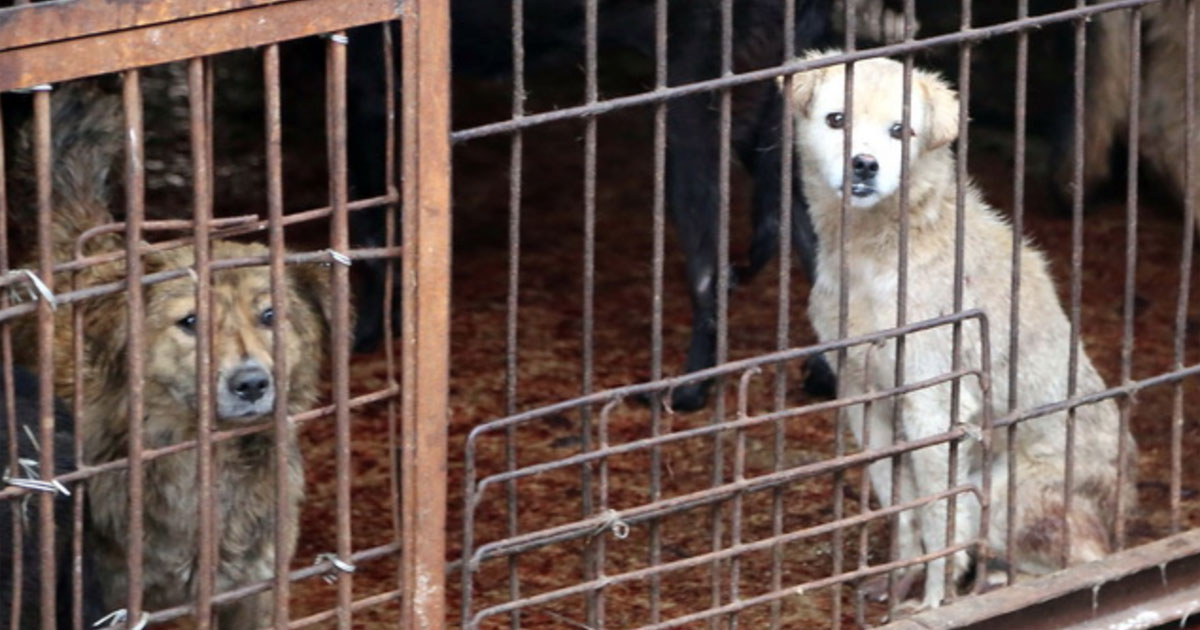

The Chinese city of Shenzhen has now banned the consumption of dogs and cats.
The move was part of a larger ban on the consumption and trade of wild animals implemented on Feb. 24 as an effort to safeguard public health.
Shenzhen authorities said the ban on eating dogs and cats would kick in from May 1, Shenzhen News reported.
The ban does not include animals such as pigs, cows, lambs, donkeys, rabbits, chicken, duck, geese and quails.
It is widely thought that the Covid-19 pandemic had started in the Huanan wildlife market in Wuhan.
Shenzhen: Ban a response to spirit of civilised man
In explaining the move, the Shenzhen government said: "Cats and dogs are pets, and have formed closer ties with humans as compared to other types of animals."
They added: "The ban on the consumption of dogs, cats and other pets is common in many developed countries, as well as the Hong Kong and Taiwan regions."
"Such a ban is also a response to the spirit of a civilised mankind."
State-owned media Shenzhen Daily has also said there is "no evidence" that proves wild animal meat is more nutritious than poultry and livestock.
The move has been celebrated by animal welfare groups.
https://www.instagram.com/p/B-cY4khBbbW/
The fifth-largest city is the first in the world to "take the lessons learned from this pandemic seriously and make the changes needed to avoid another pandemic", Teresa M. Telecky, the vice president of the wildlife department for Humane Society International told Reuters.
Company in Jiangsu protested the move
However, the ban was initially met with some resistance when it was first announced in early March.
According to Yicai, a dog-meat processing company in Jiangsu province -- located more than 1,600km away from Shenzhen -- said that eating dogs is a display of pride in the Chinese culture.
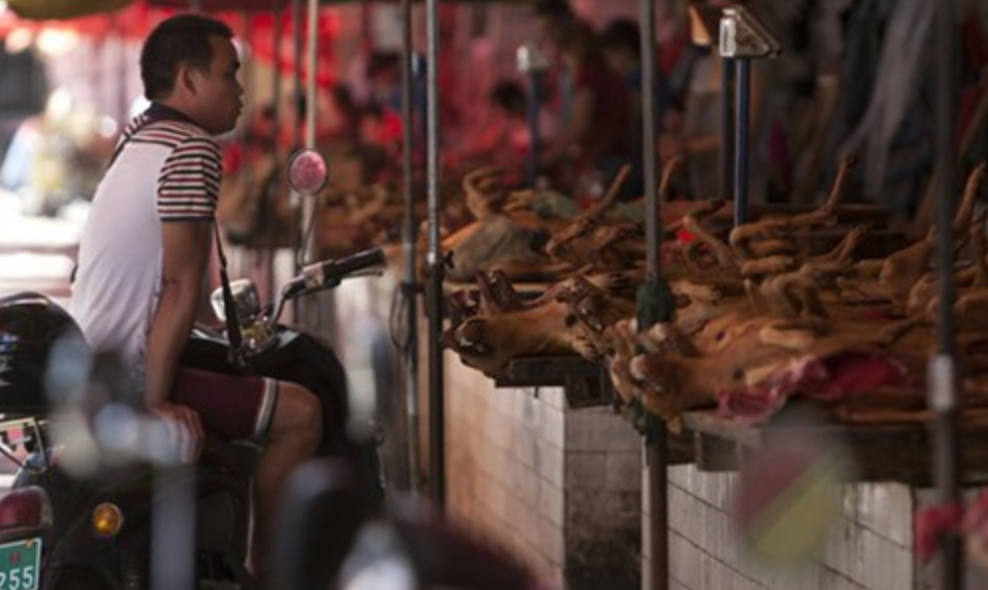 Image via CFP
The company reportedly said in a March 8 article posted on its official WeChat account that banning dog meat is a rejection of China's food culture that has existed for thousands of years.
The article read: "The ban on eating dogs is simply introduced to satisfy a minority group of extreme dog lovers, and do not reflect the sentiments of the larger population."
However, the article was later taken down due to widespread backlash from the public.
Liu Lang, head of the Beijing Association of Small Animal Veterinary Medicine, told Global Times that most dog meat in China is sourced from "private breeding, sales or theft".
In addition, as some dogs are killed using poison, consumption of such meat is dangerous.
Top image via Animal Hope and Wellness/IG


If you like what you read, follow us on Facebook, Instagram, Twitter and Telegram to get the latest updates.