


 March 11, 2020, 11:47 AM
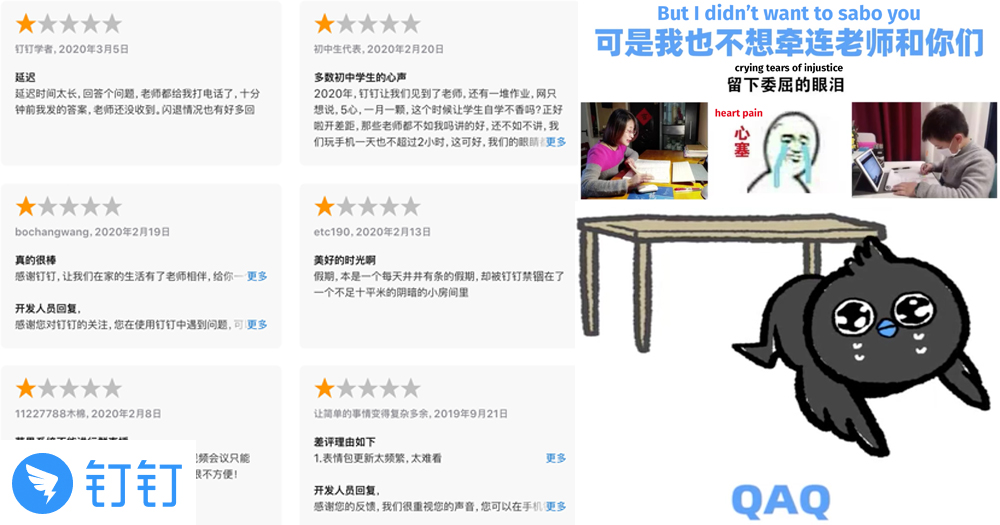

As the Covid-19 situation forces schools to close in Chinese cities, teachers and students have to rely on online communication platforms to continue their education while stuck at home.
The software of choice is DingTalk, an app developed by Alibaba. TechNode estimated that DingTalk's downloads surged to 50 million students and 600,000 teachers on its platform.
Think of it as a Skype and Google Drive mashup on steroids.
Micromanaging
However, due to its incredible efficiency, DingTalk began to gain a bad reputation for allowing teachers to micromanage their students.
DingTalk has a function that works like WhatsApp's blue tick. Teachers can monitor when their students have read their reading assignments, have them record their textbook dictations, and require them to 'punch in' their attendance every morning.
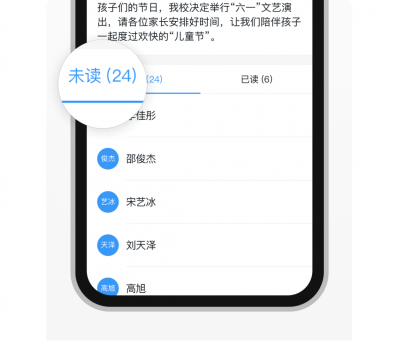 Screenshot from DingTalk
It even has a feature called 'Ding' that pushes notification reminders for submission deadlines. Teachers are able to set these notifications to go off whenever and however often they want.
Thus, with the best part of school had been taken away from them (friends and activities), and every hour of their learning progress heavily scrutinised, Chinese primary and middle school students rose up to rebel against the repressive app.
One for all
Students believed a rumour that if an app's rating falls to one star, it would get removed from the app store.
And thus, the united forces of China's schoolchildren flooded Apple's App Store and Android app stores with one-star reviews.
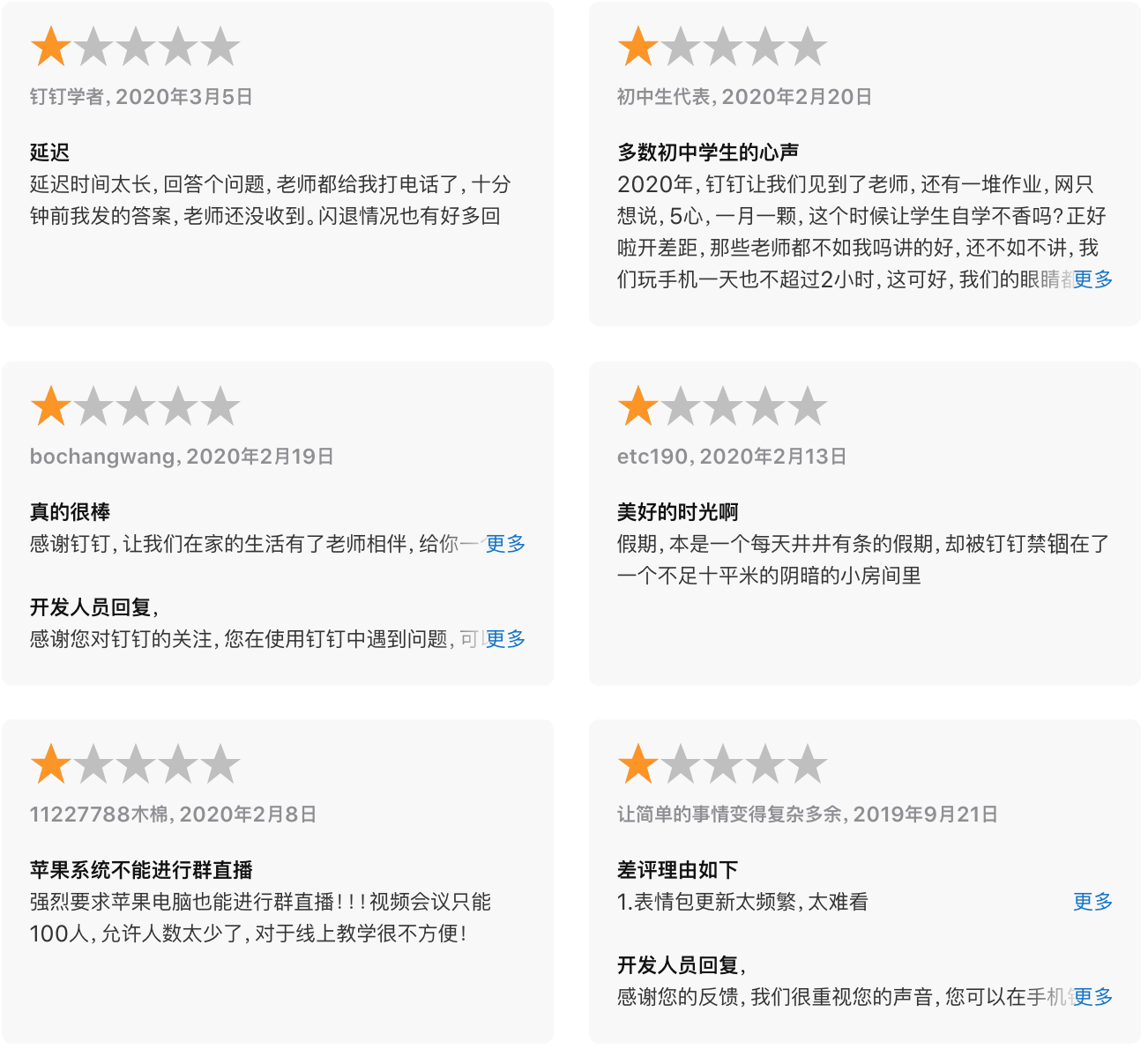 Screenshot from App Store
Among the sarcastic reviews praising the app while giving it one star, some were quite poetic.
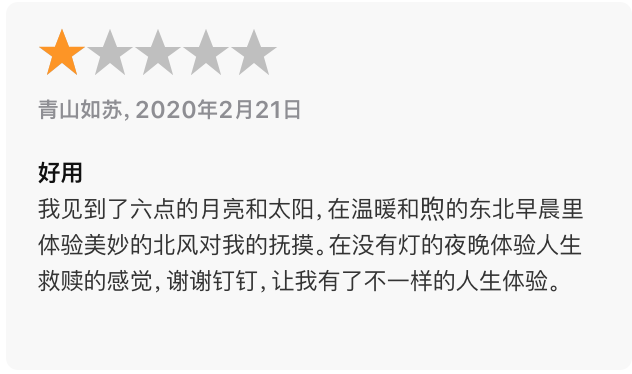 Screenshot from App Store
Good app
I've seen the 6 AM moon and sun, and felt the warmth of the north wind caress me at the break of day. In the night, devoid of light, I have tasted salvation. Thank you DingTalk, for giving me an extraordinary life experience.
In one single night, the app rating plummeted from 4.9 to 1.4 from the tens of thousands of reviews by fed-up kids, according to London Review of Books.
Based on mobile data and analytics company App Annie's data, DingTalk received over 15,000 one-star reviews on Feb. 11, compared to 2,000 five-star reviews.
Desperate to turn the situation around, the app developers had to communicate their pleas in the language that tech-savvy kids understand: a cheesy meme video.
DingTalk begs for mercy
On Feb. 16, Dingtalk uploaded an apology video onto Chinese streaming site Bilibili, begging the kids to have mercy on them and to give them five-stars.
Here are some screenshots from the video:
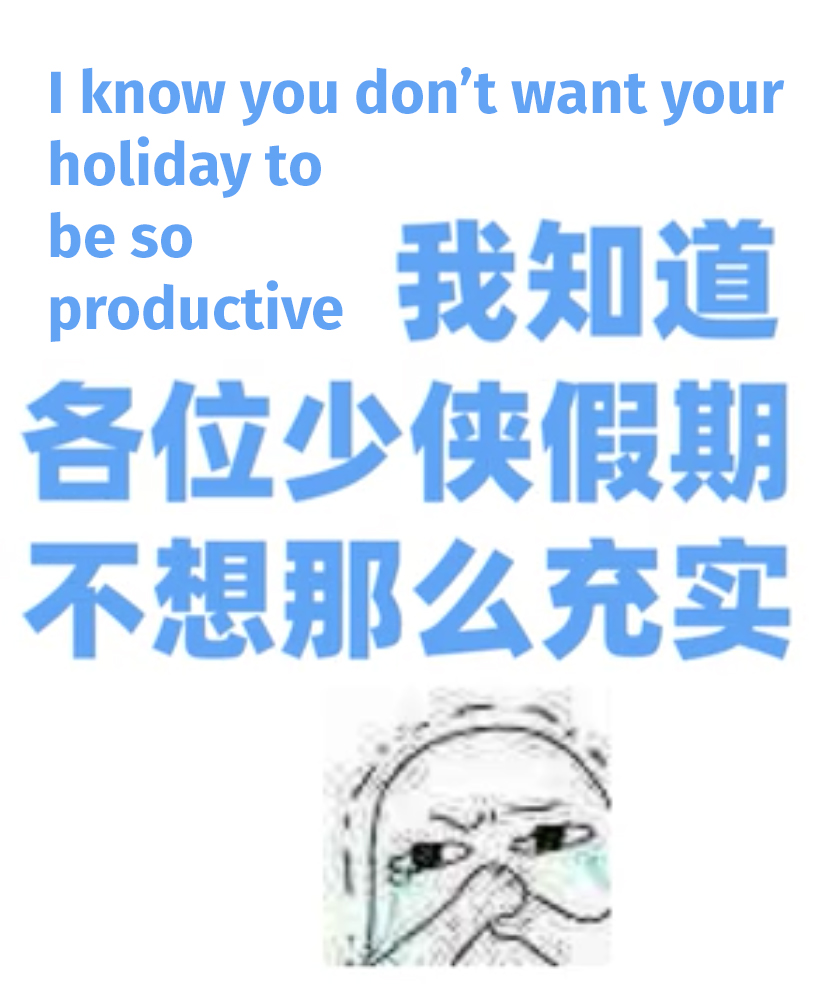
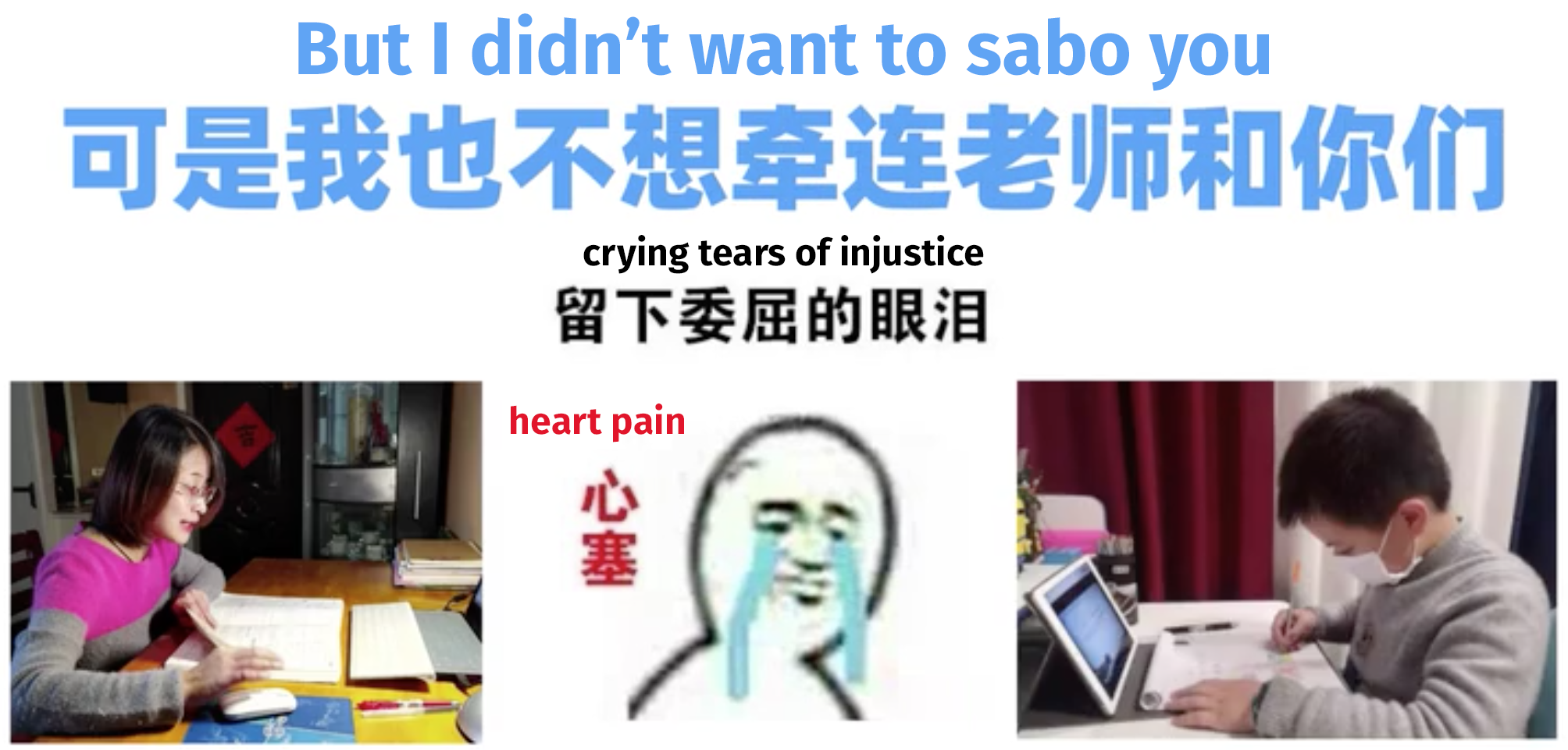
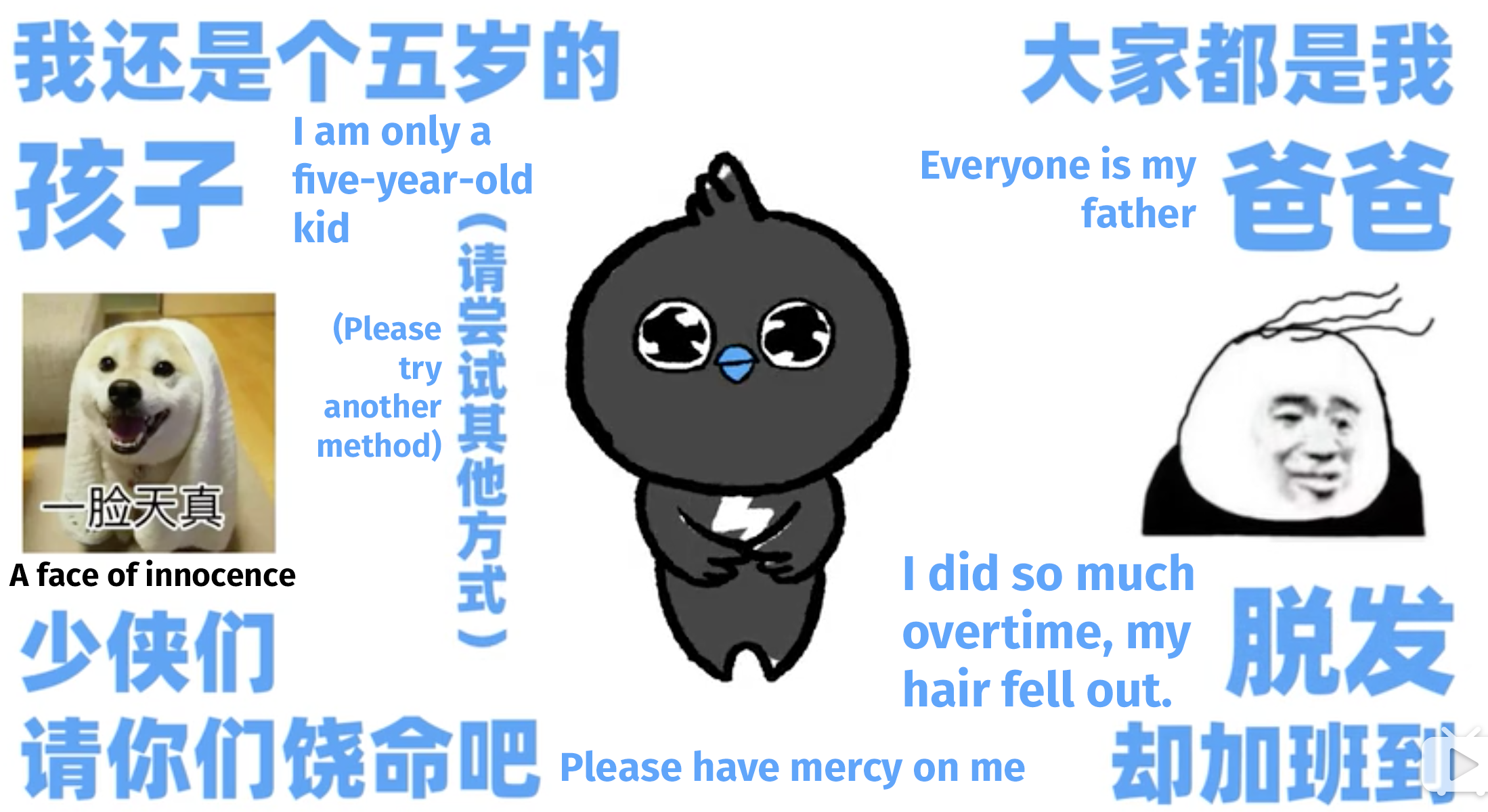
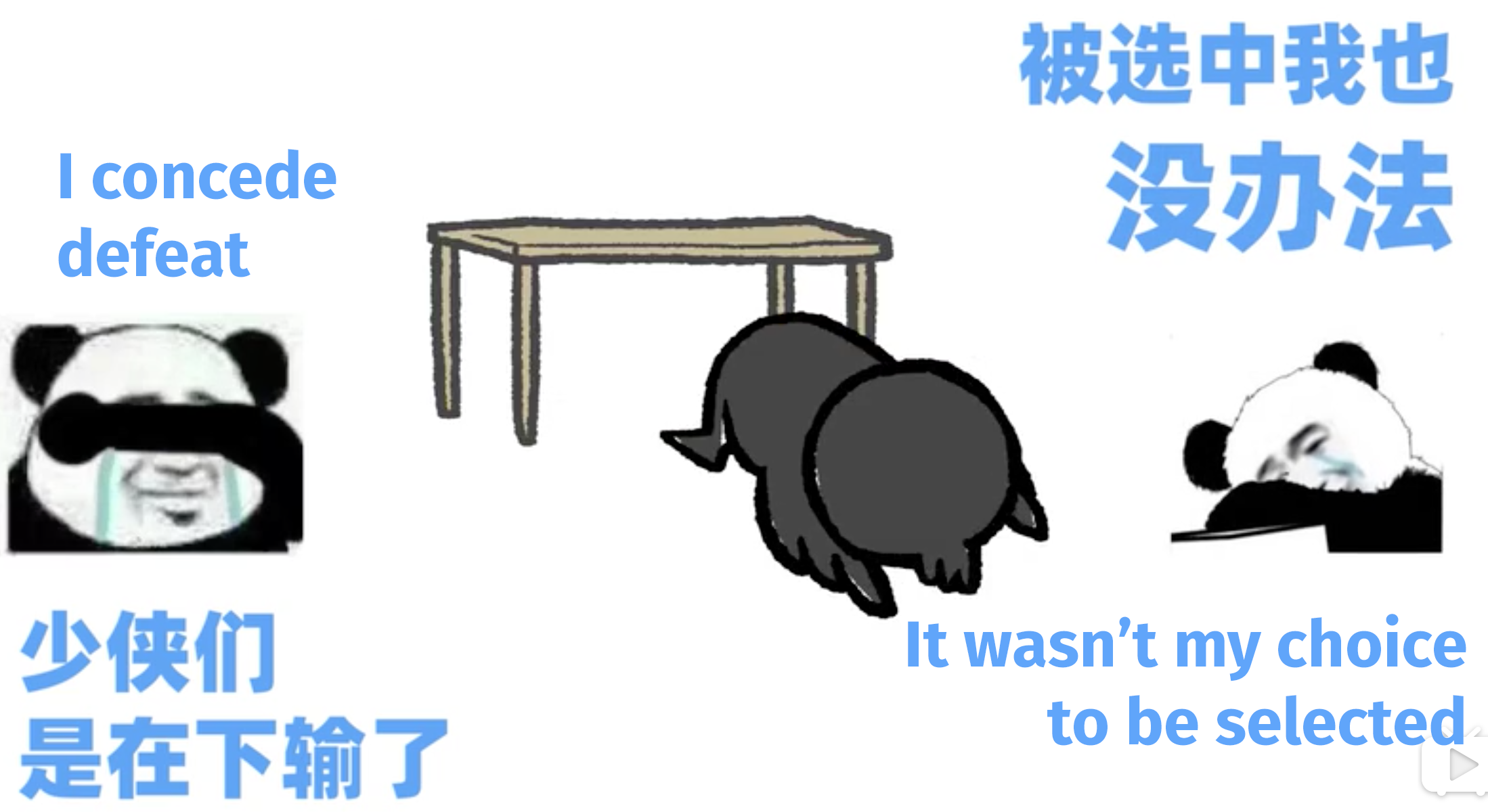
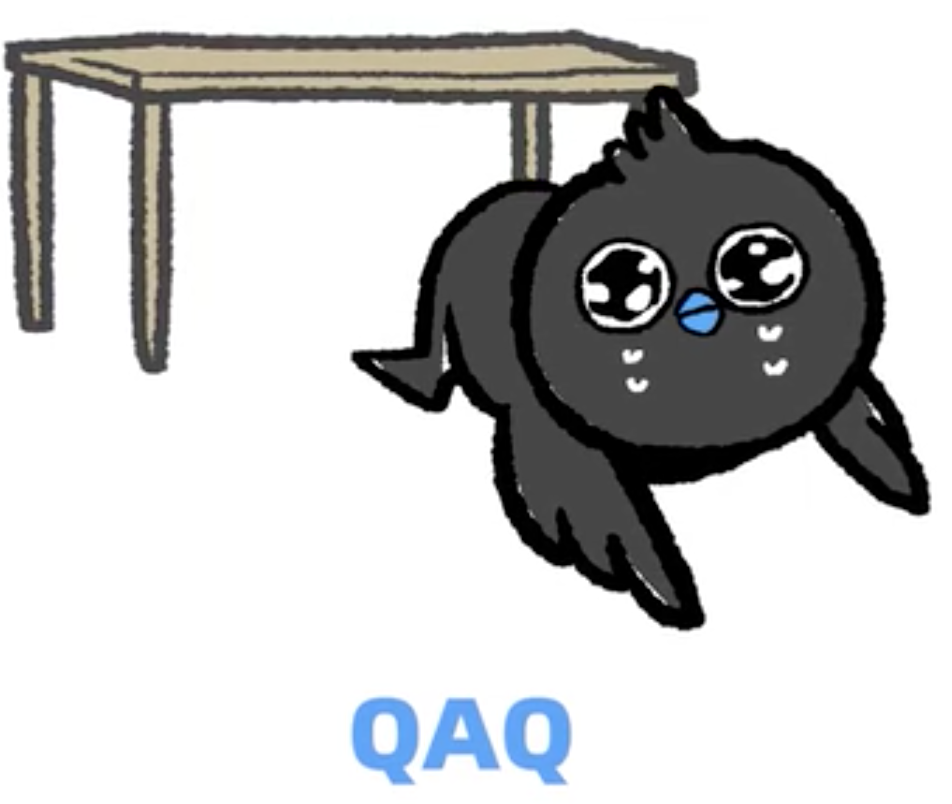
From the video, it appeared that customer service staff had to reply to each and every one-star review.
Furthermore, the app said that it didn't mean to be the preferred app for teachers all around China.
In response to the video, parents and supporters flocked to give the app five-star reviews, thwarting the students' plan of education anarchy.
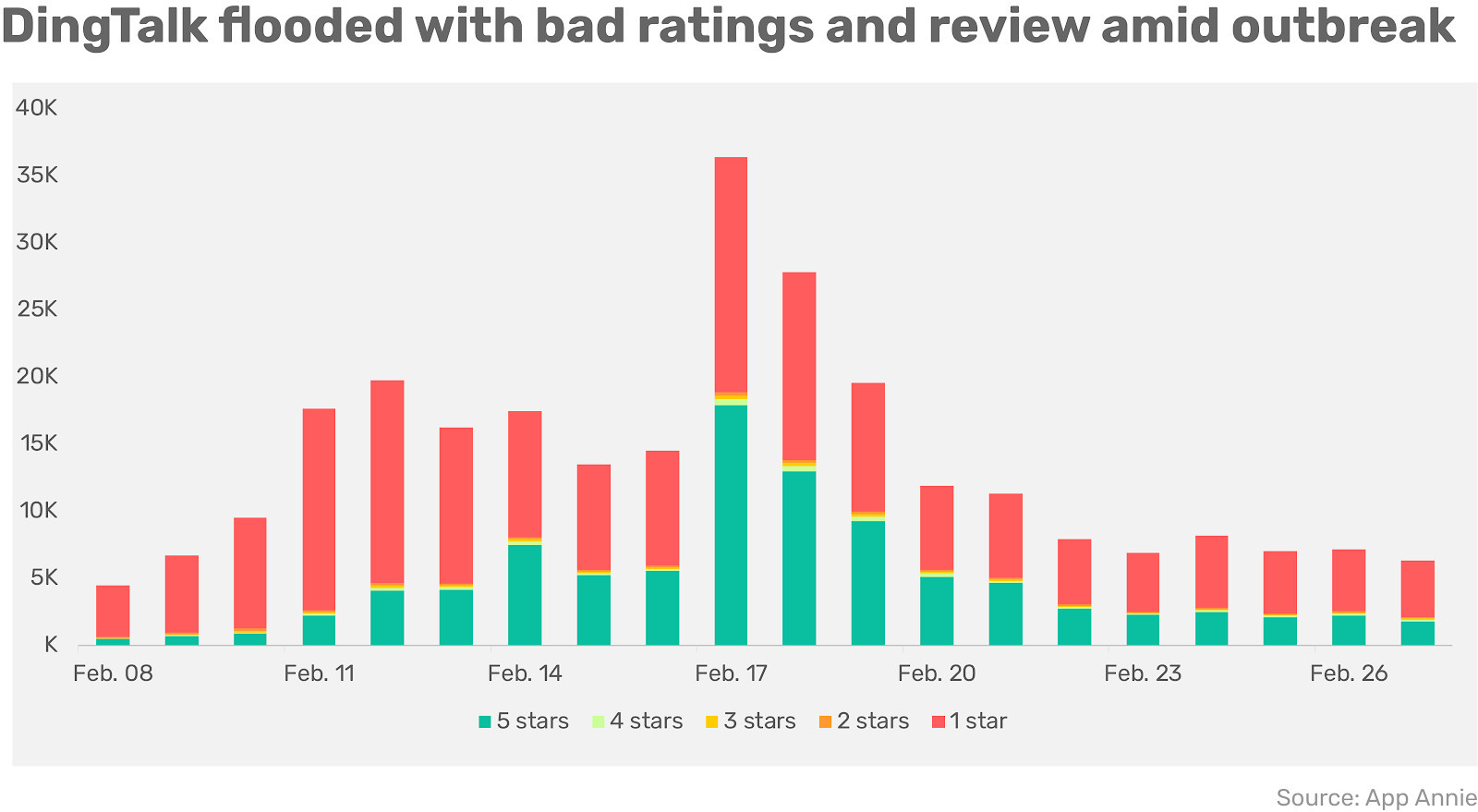
The surge of new five-star reviews managed to balance out some of the one-star reviews, and now the app has an overall rating of 2.5 stars on the App Store as of Mar. 10.
Some student supporters said that the app was actually convenient to use, and refused to join in the hype.
One reviewer, sabrinaaaa!, was impressed by DingTalk's cute videos and memes, and said that homeschooling was the fault of people who eat exotic meat, not DingTalk.
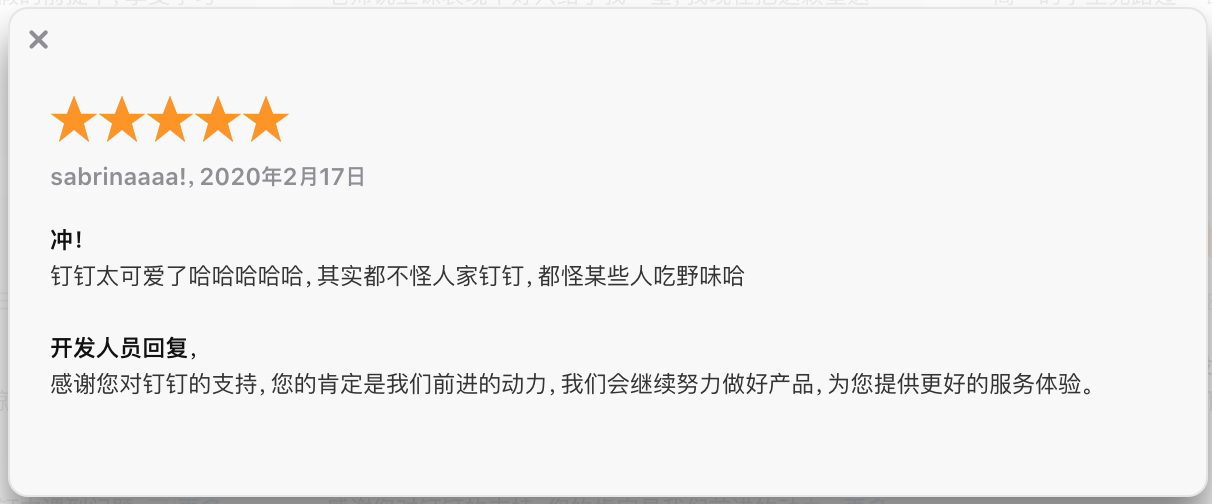 Screenshot from App Store
Charge!
DingTalk is too cute hahahahaha, actually we shouldn't blame DingTalk, it's the fault of those who eat exotic meat.
Older reviewers also chided the students for their immature behaviour.
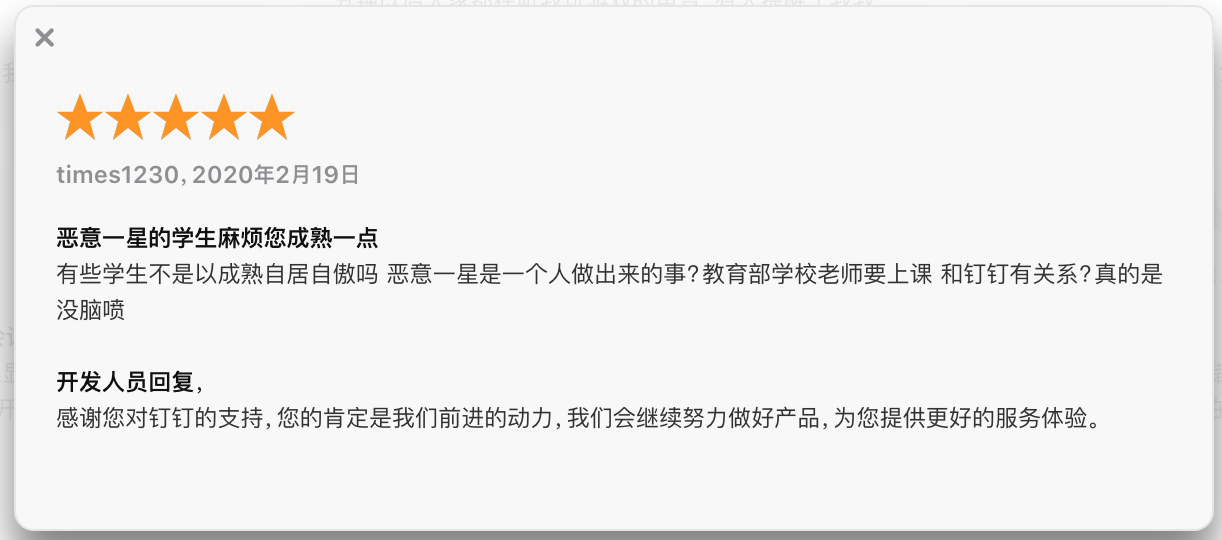
Can the students who rate one-star please grow up
Don't some students pride themselves on being mature? Is giving one star out of spite something a person should do? The ministry of education and teachers requiring you to study - what does that have to do with DingTalk? It's really riduculous.
All for nought
Although the students' attempt at trying to oust DingTalk from the App Store was glorious, one-star reviews wouldn't actually affect the app.
Unlike Google's Play Store (which is blocked in China), Apple's app store doesn't remove apps on bad reviews alone. An app is more likely to be removed if it is not functional.
In the end, it is the school that mandates the use of the app, so Chinese students will still have to persevere through the Covid-19 situation with DingTalk as their learning companion.
Top photo from App Store and DingTalk's video.


If you like what you read, follow us on Facebook, Instagram, Twitter and Telegram to get the latest updates.