



News

Fukushima soil to be used in flower beds outside Japan PM's office to show it's safe
Previous attempts to use the soil faced strong local opposition.
May 28, 2025, 07:16 PM


Japan will be repurposing soil from near the damaged Fukushima Daiichi nuclear power plant on government grounds, to ease public concerns over its safety.
The soil is said to have low levels of radioactivity.
Kyodo News reported on May 27 that the Japanese government said that the dirt will be used in flower beds and for other purposes outside government offices, including Prime Minister Shigeru Ishiba's office.
Repurposing
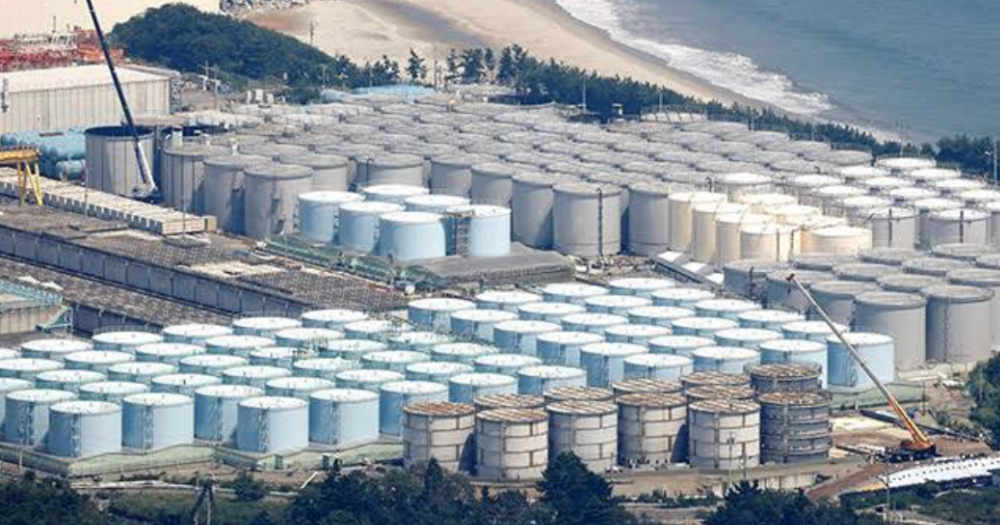
Following the triple meltdown at the Fukushima plant in 2011, around 14 million cubic metres of soil and other waste — an amount enough to fill 10 baseball stadiums — around the plant were removed for decontamination work, reported AP News.
The soil has since been kept in a temporary storage facility near the plant. The law requires the soil to be disposed outside Fukushima prefecture by March 2045.
In September 2024, the International Atomic Energy Agency assessed after a 16-month review that Japan's approach to disposing and recycling the removed soil is consistent with its safety standards.
The aim of reusing the soil is to demonstrate that it is suitable for public works projects and other purposes across Japan.
Authorities have suggested using the material for infrastructure projects such as building road and railway embankments, CNA reported.
Time will tell if the Japanese public can be convinced.
Previously, strong opposition from local residents forced the government to scrap pilot projects to reuse Fukushima soil for flower beds and lawns in public parks in Tokyo, according to The Guardian.
Top image from Google Maps