


 October 10, 2020, 10:58 AM
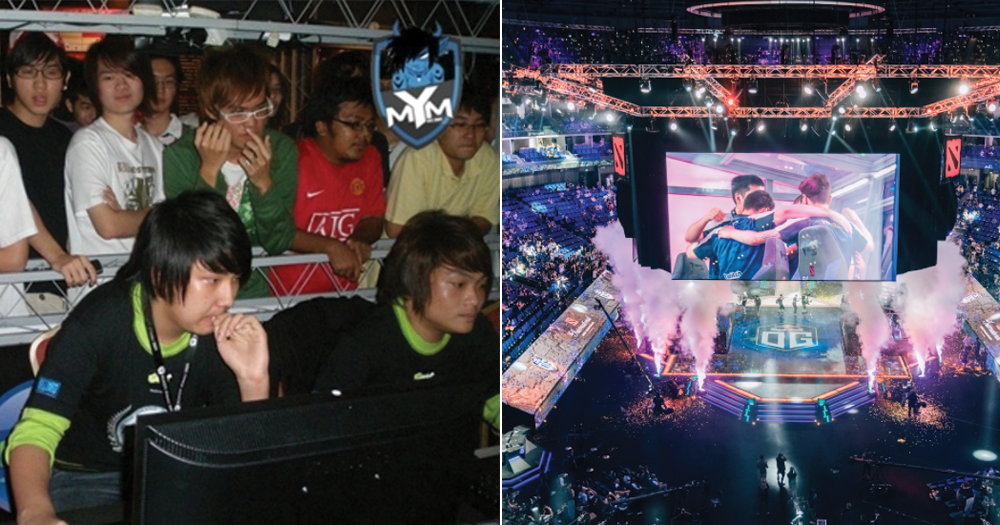
I began playing DotA (DotA 2’s predecessor, for those who are too young to have played the original Warcraft 3 version), when I was around 10 years old.
I remember going to a LAN shop for the first time with my friends, after our final year exams, and stumbling upon the game.
Despite being completely new to the game, we foolishly accepted a challenge from another group of students in the LAN shop, and was thoroughly crushed.
Not wanting to be a noob for long, I began trying to get better at the game. After all, nobody, especially kids, like losing.
I was crushed in the first competition I joined
I began to look up online guides and forums, trying to find the best possible builds for each hero. I also played a ton of single-player games, practicing simple game mechanics, like last-hitting creeps (non-hero units).
But I quickly realised that there was no better way to improve than to play as many games as I could against other players.
In particular, I began to join local competitions, believing that they are the best way for me to challenge other players, and hone my own skills.
At the age of 14, I joined my first DotA competition, which was held in a LAN shop somewhere in Paya Lebar.
With only eight teams competing over a top prize of around S$300, the entire affair was pretty underwhelming.
We even had to pay a registration fee of S$50 to join, which further diminished our potential winnings (many events are free these days, such as the PVP Esports Community Championships, but more on that later).
Given that we had to pay a registration fee of S$50 to join in the first place, and the potential prize money had to be split among the team of five players, that did not leave much for each player at all.
But it didn’t matter.
We simply wanted to compete because of our passion for the game, and it hardly mattered (at least then) that it did not seem like a very efficient use of our time.
My friends and I trained for many weekends, and we were confident in our skills.
The result? We got crushed yet again, leading us to get FRO-ed (first round out) of the competition.
While this early defeat crushed the confidence of my friends, this actually motivated me to compete in even more competitions.
I joined competitions because I dreamed of becoming a professional esports player
Like many other youths who were passionate about gaming, I dreamed of one day becoming a professional esports player.
The allure of being able to compete at the highest level with players around the world was extremely tempting, and I began to practise even harder for the next few years.
I joined many small-scale tournaments, similar to the one I described earlier, with mixed results.
My crowning achievement, perhaps, was emerging second-place in a regional online tournament, with over 200 teams from across Southeast Asia.
The tournament itself was a brutal process that took months, given that online tournaments back then were not well-regulated.
We had to coordinate the match timings with our opposing teams on our own, and I often had to reschedule the games around my own commitments, given that it was also my O-Level year.
In the end, we only won S$1,500, some gaming apparel for our efforts and bragging rights, of course.
I began playing less, but never lost my drive to compete
When I entered junior college, I began to have less time for my gaming pursuits, and national service was certainly the nail in the coffin for my esports dreams.
By the time I entered university, I felt too ‘old’ to compete. After all, aren’t esports players supposed to be really young?
But the drive to compete didn’t leave me entirely. When I heard of a small-scale inter-university Dota 2 competition being held in 2017, I jumped at the chance to compete once again.
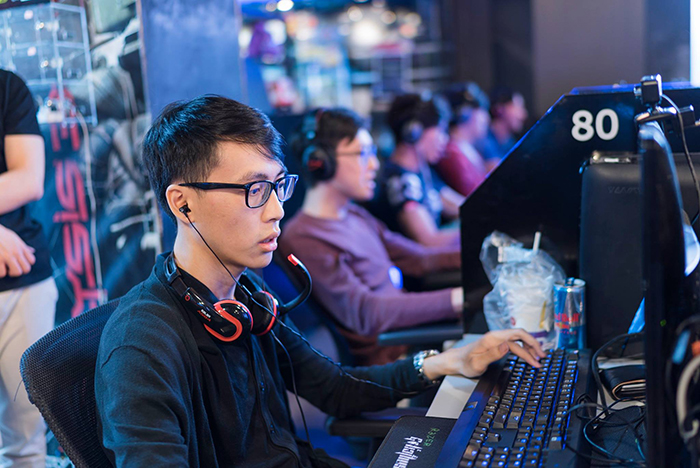 Author competing in an inter-varsity competition in 2017. Image via Spout360.
I gathered a group of like-minded friends, and we went into the competition without much preparation.
We won second place, which was nice, even though we didn’t even win a cash prize.
However, the competition meant a lot to me because it proved that if you’re still willing, you’re never too old to compete.
I’ve lost more competitions than I’ve won in my lifetime. Yet, I regret nothing.
Sure, you may not win. But is winning really all that matters?
Perhaps what I was really seeking wasn’t simply to win, but simply for a chance to pursue my passion and fulfil my dreams.
Competitions are different now
Things are very much different now.
Esports tournaments are now backed by large corporations, a grand affair compared to the competitions held in my neighbourhood LAN shop.
The prize money and the prestige for winning esports tournaments have also increased exponentially over the last decade.
In 2009, teams from around the globe travelled to Malaysia for the SMM Grand National Final DotA Tournament, which was considered one of the premier competitions of the day.
The first-place winners received MYR 42,000 (around S$13,800), which was a huge amount of money for an esports tournament at the time.
Fast forward to 2019, and the situation could not be any more different.
Team Liquid and OG fought in the grand finals of the International 2019, the largest Dota 2 tournament in 2019.
The stakes? A staggering US$15.6 million for the winner, and US$4.5 million for second place.
The difference is not only in terms of prize money, though.
In the past, large tournaments still took place in large LAN shops, with spectators crowding behind the players to cheer them on.
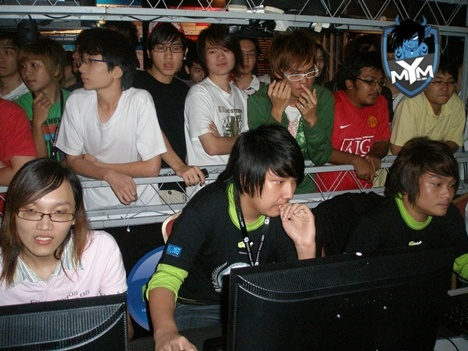 Players competing during SMM 2009, in Kuala Lumpur. Image via MYM.
During TI9, players competed in sound-proof booths, shielding them from the noise caused by the 18,000 spectators within the Mercedes-Benz Arena in Shanghai.
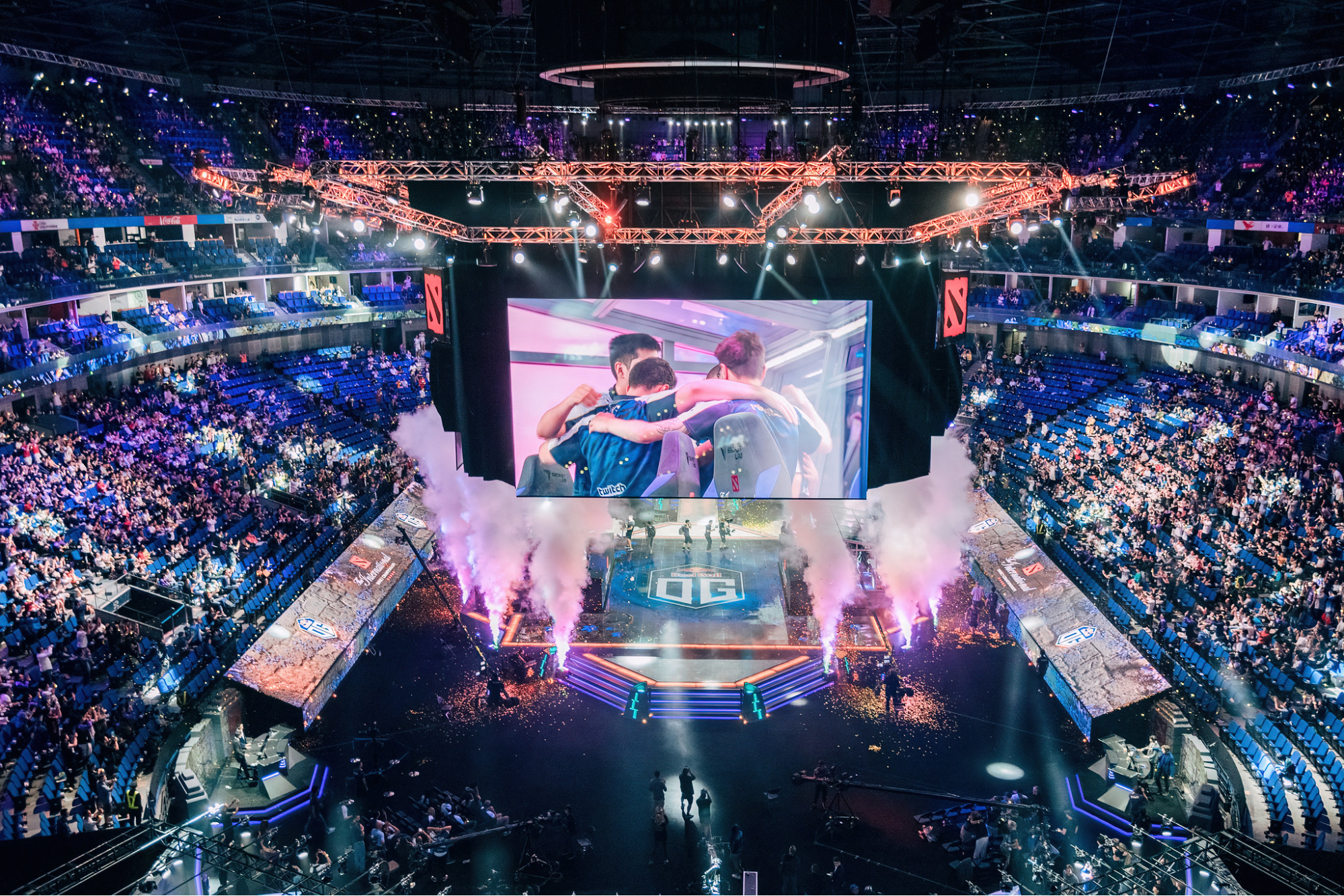 Dota 2 TI9 Finals in the Mercedes-Benz Arena, Shanghai. Image via Valve.
The sheer atmosphere of competitions these days have changed drastically, and so has the level of prestige.
In fact, looking at how esports have developed over the years, I can’t help but wonder if I have made a wrong career choice (sorry boss).
Enter Singtel’s PVP Esports Community Championships
For those of you who are inspired by the latest developments in esports and want to take a stab at fulfilling your esports dreams, you’re in luck.
Singtel is organising the PVP Esports Community Championships Season 2, which will span from October to December 2020.
Participants can join the tournament and compete in either Mobile Legends: Bang Bang or Valorant, a new first-person shooter.
Best of all, anyone from the general public can join the Open category. Yes, even you.
The entire tournament will take place online, and registration is free.
Registration for the Singapore leg is now open, and those who emerge victorious will get to play on the regional stage.
The closing date for registration is on Oct. 18, 2020, by 11:59pm, for the Campus (Open) Qualifiers and Open Championships.
Basically, there’s no reason why you shouldn’t round up your friends, and try your hand at winning some of that sweet prize money.
During the Season 1 Regional Finals of the PVP Esports Community Championships, several Singaporean teams managed to win titles in their respective categories, despite keen competition from competitors from neighbouring countries.
Who knows? Perhaps this is your chance to bring home the trophy for Singapore.
This sponsored article by Singtel made the writer question whether he should consider becoming a full-time gamer.
Top image via MYM and Valve.


If you like what you read, follow us on Facebook, Instagram, Twitter and Telegram to get the latest updates.