News

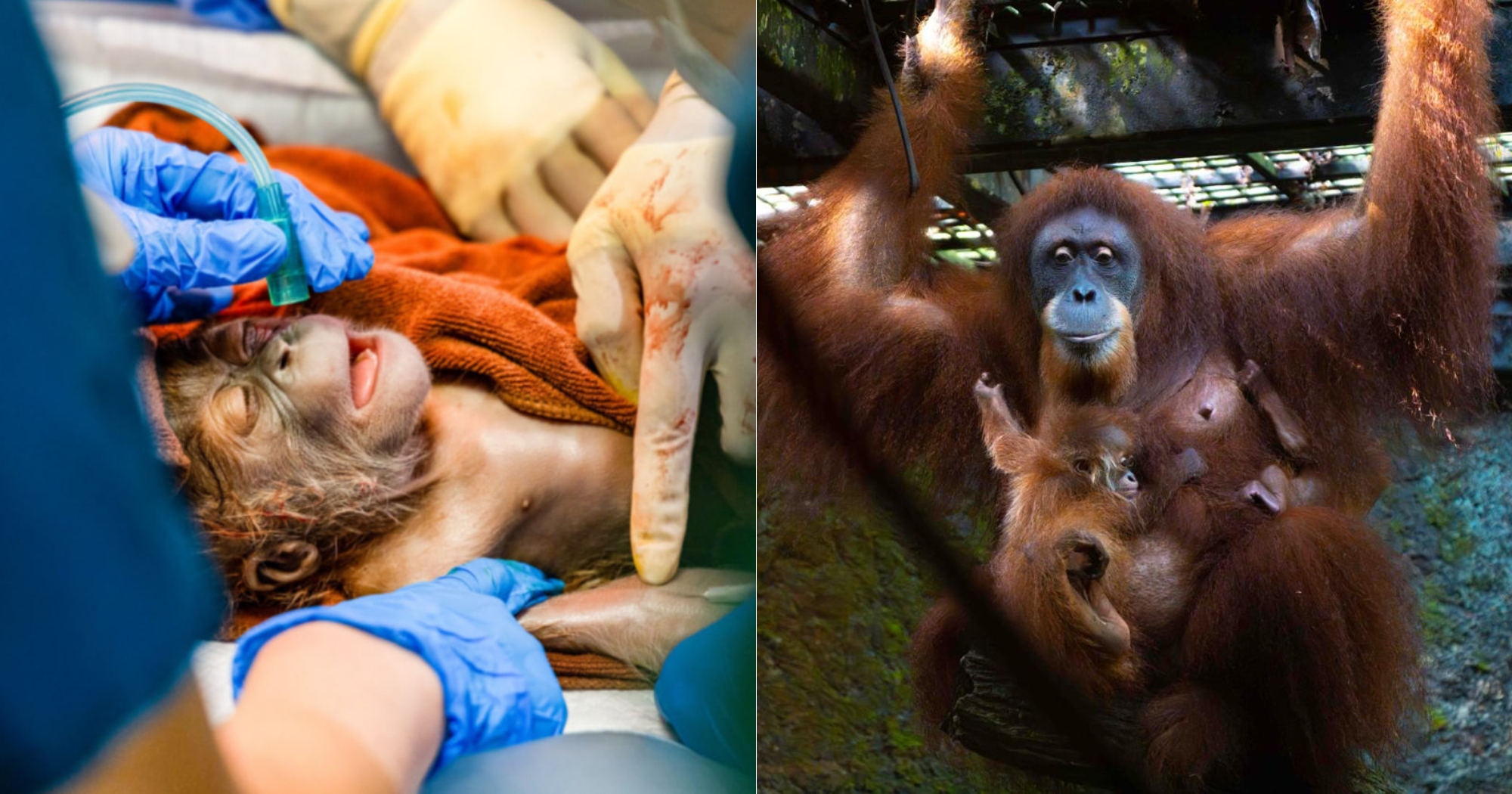
1st orangutan, a male, conceived by artificial insemination, delivered via C-section in S'pore
A first.
Photos via Mandai Wildlife Group & SMRT


Two Sumatran orangutans have produced an offspring in Singapore — with a little help from their caregivers and doctors.
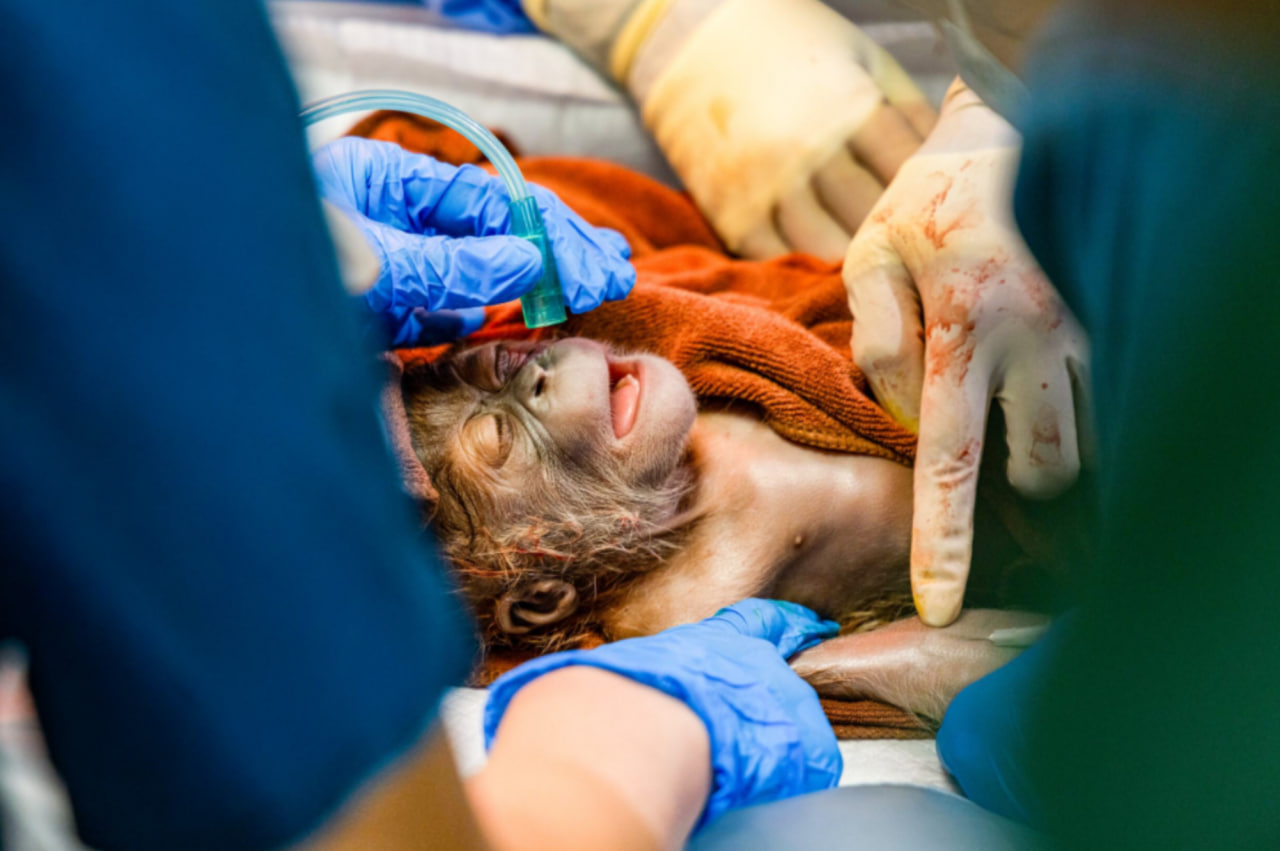 Photo from Mandai Wildlife Group
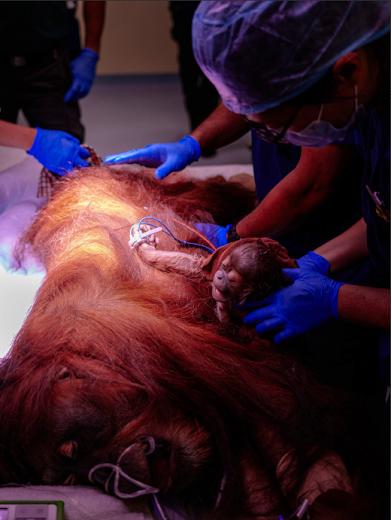 Photo from Mandai Wildlife Group
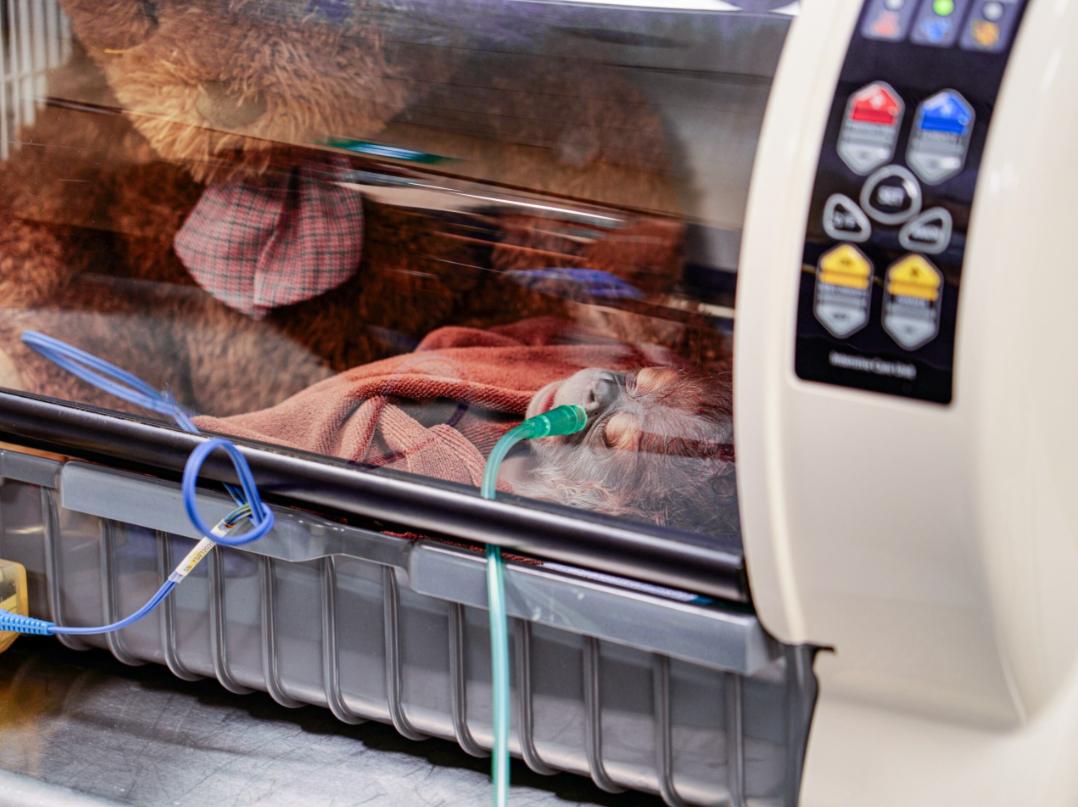 Photo from Mandai Wildlife Group
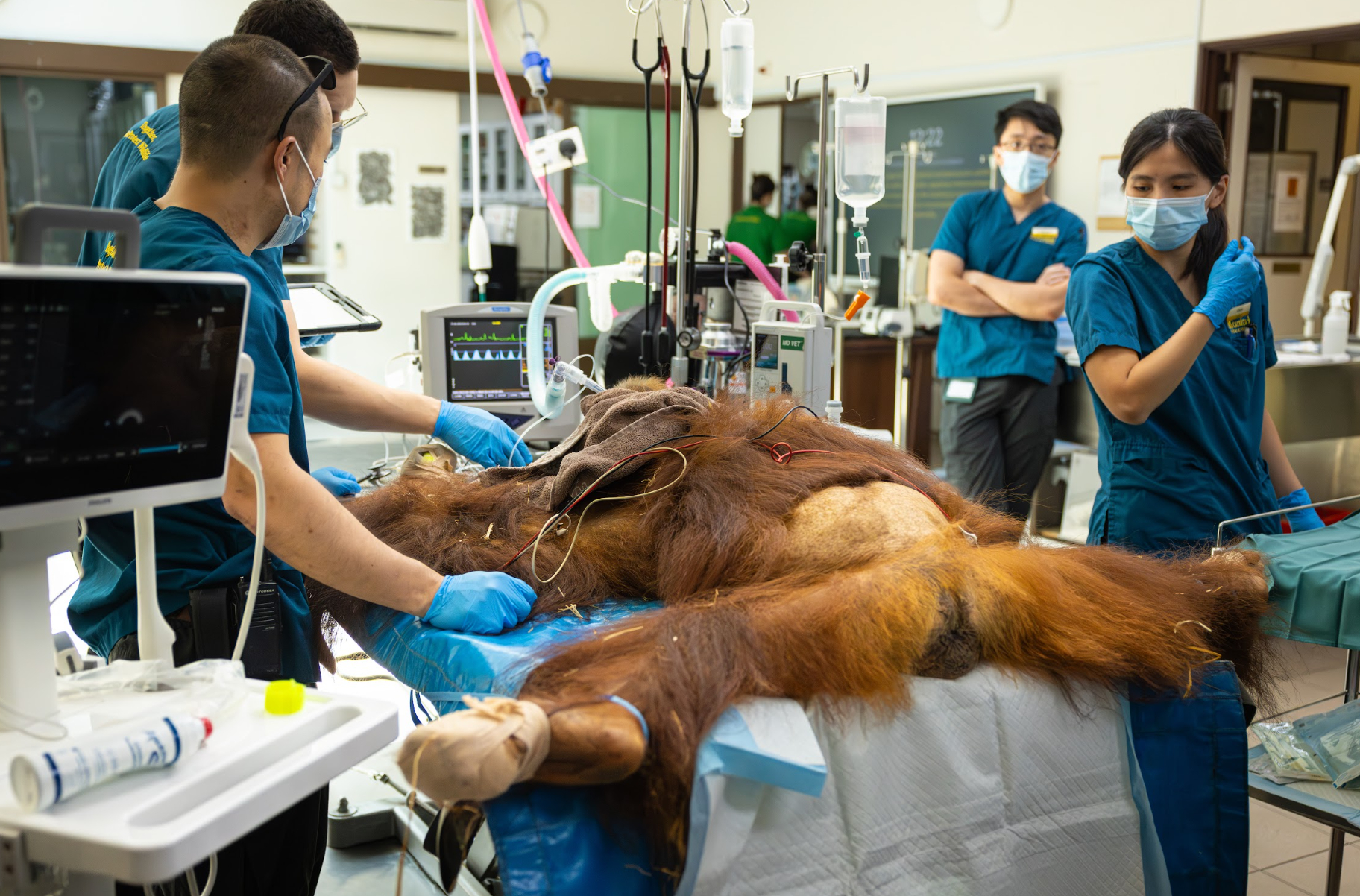 Photo from Mandai Wildlife Group
The two great apes are 48-year-old Charlie, and 29-year-old Chomel, who is the granddaughter of beloved Ah Meng.
Ensure genetic diversity
This is Charlie's first progeny.
Before this birth, Charlie's genetic profile was unrepresented in the managed population of the species.
Chomel is already a mother of two.
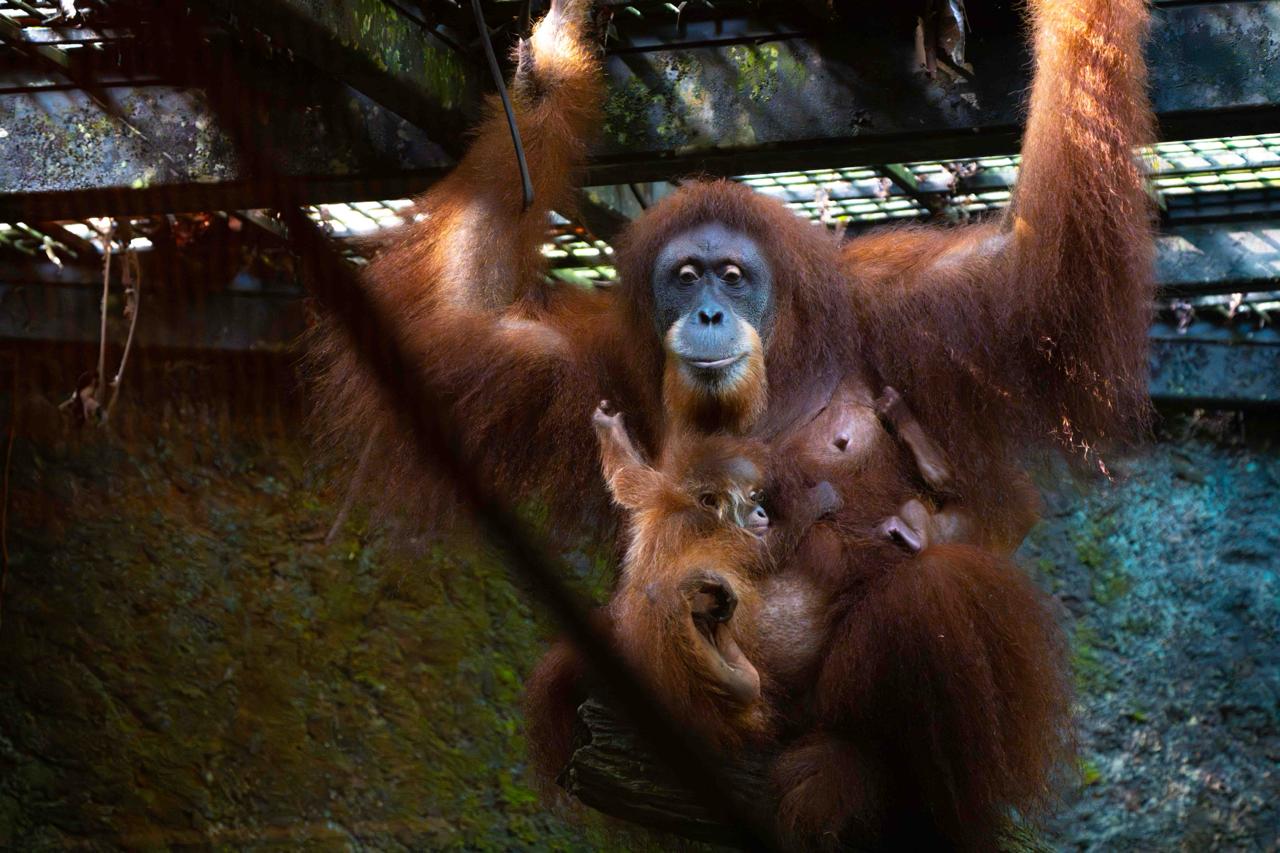 Photo from SMRT
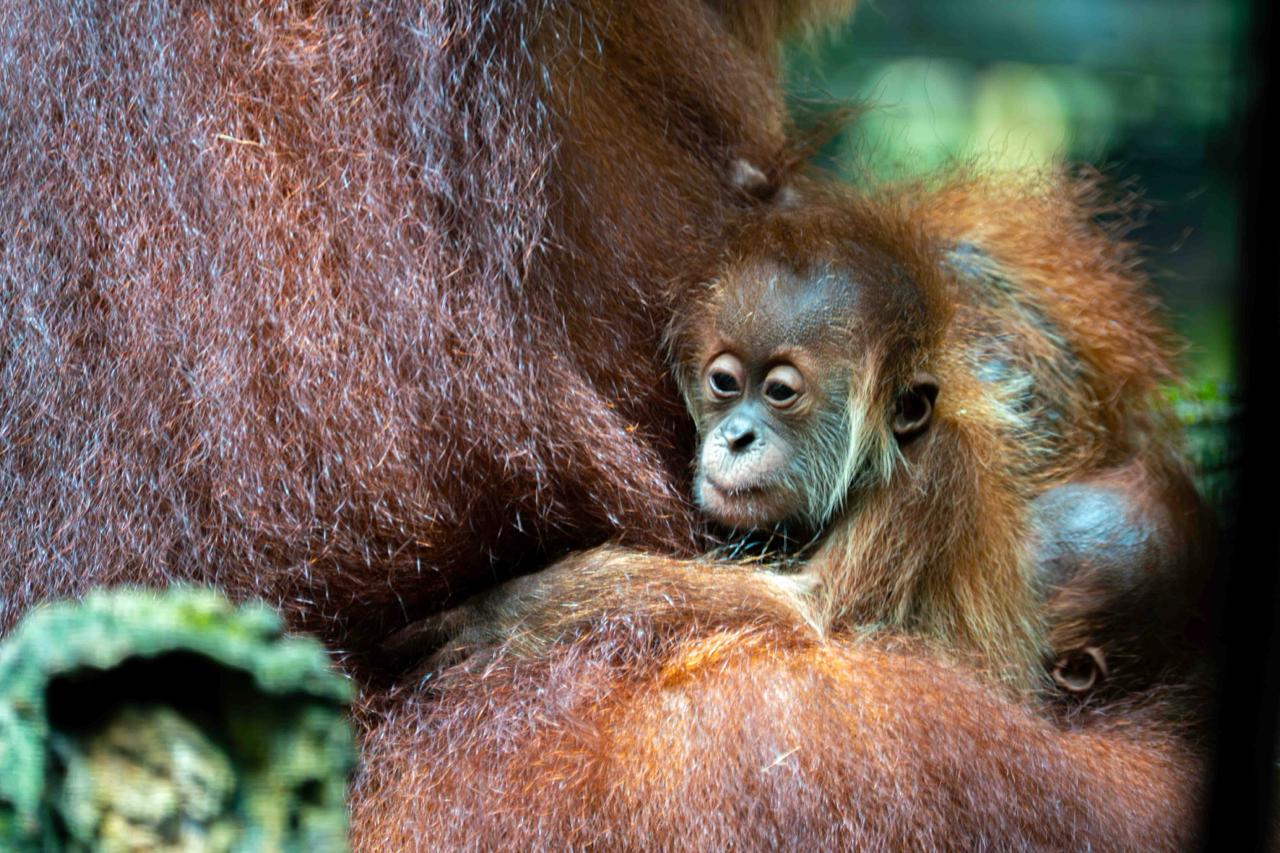 Photo from SMRT
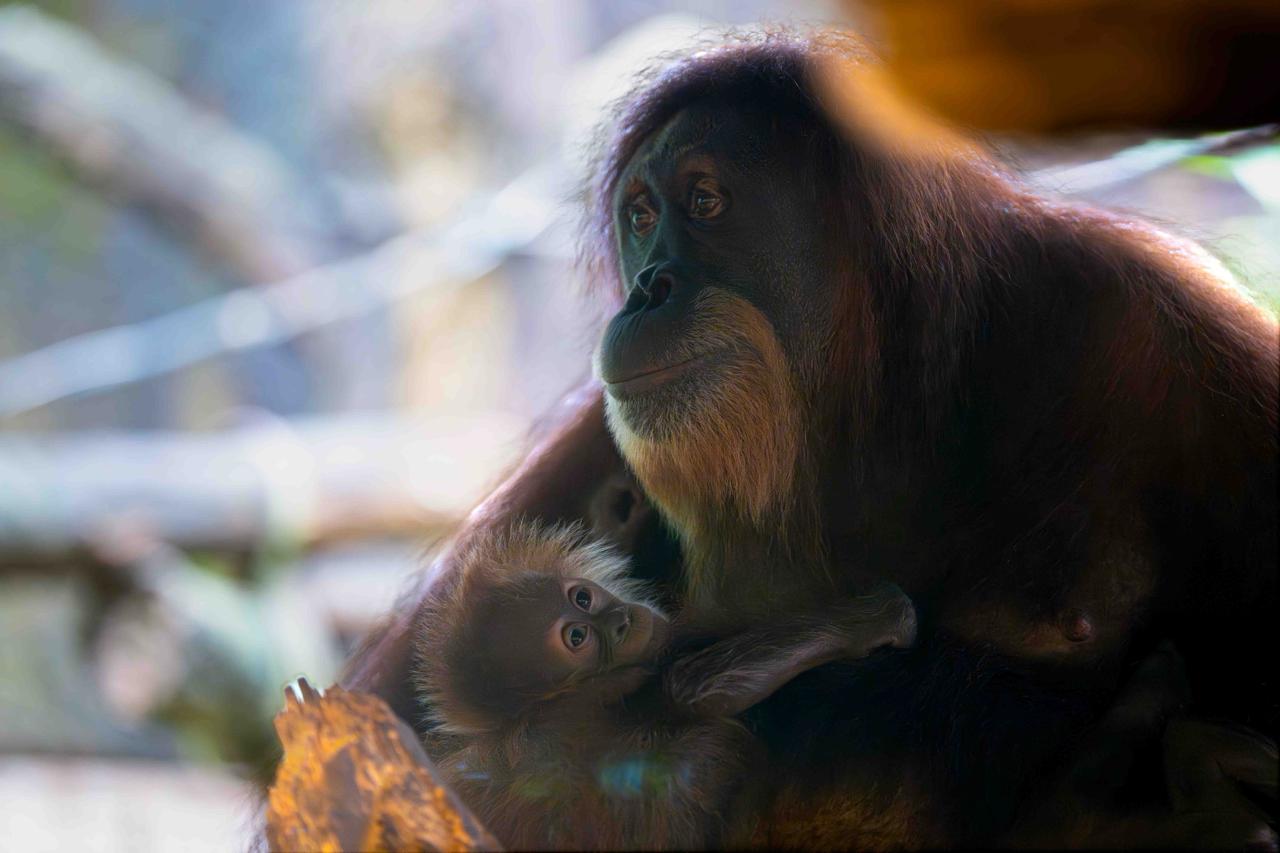 Photo from SMRT
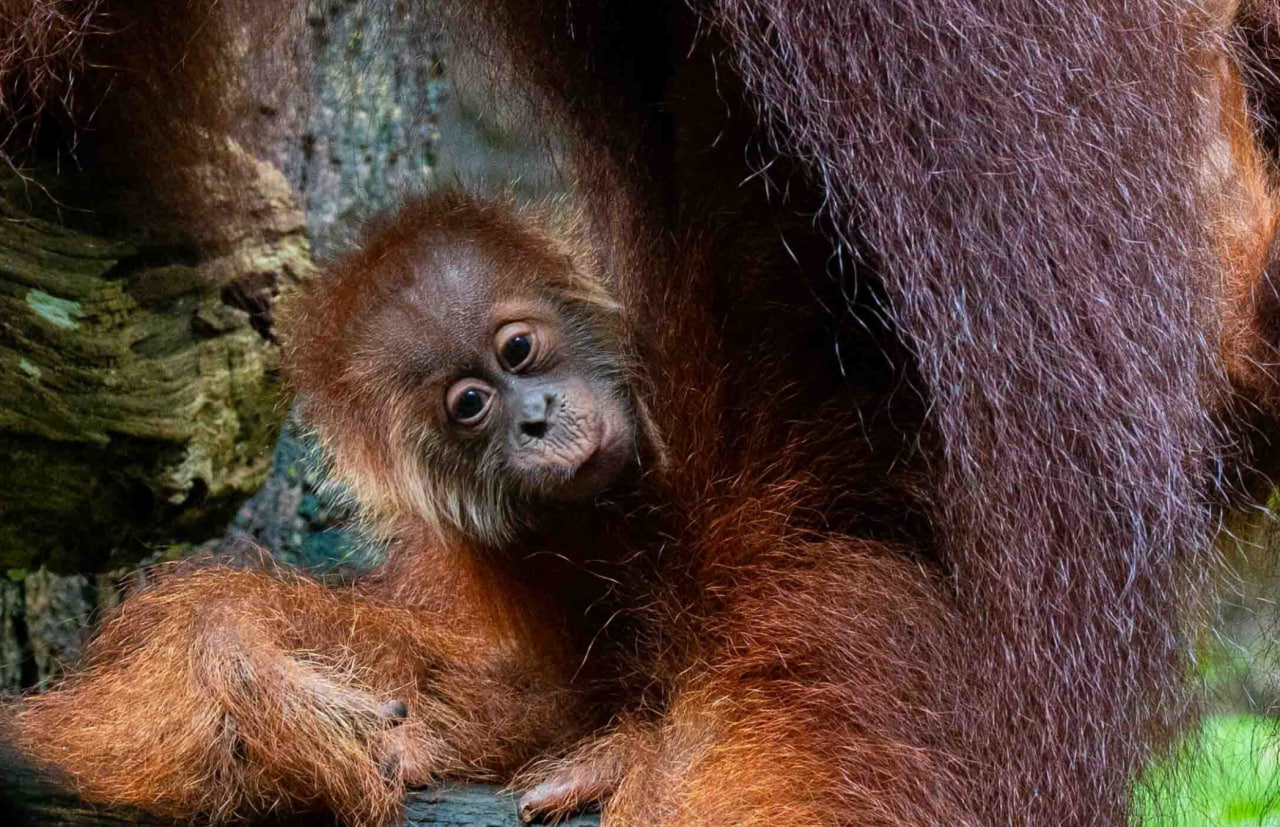 Photo from SMRT
The pairing of Charlie and Chomel was recommended under the Southeast Asian Zoos and Aquariums Association (SEAZA) Species Management Programme for the Sumatran orangutan.
The regional cooperative breeding programme is co-coordinated by Mandai Wildlife Group.
There are three species of orangutans: Bornean, Sumatran, and Tapanuli.
Orangutans are critically endangered.
The World Wildlife Fund puts the number of Sumatran orangutans in the wild at around 14,600.
Orangutans can live up to 60 years under human care and between 35 and 45 years in the wild.
A suitable partner could be sought for Charlie in Singapore or abroad under the SEAZA breeding programmes coordinated regionally.
In 2018, the animal care team determined that Charlie and Chomel would make a good match.
They were genetically distant.
Attempts at pairing since 2018
Despite multiple attempts at pairing since 2018, none have resulted in a successful conception.
The Mandai animal care team then turned to assisted reproductive methods and medical technology for help after four years and no baby orangutans were conceived.
The team began trying artificial insemination from May 2022 and succeeded on the third attempt.
Charlie’s semen collection was carried out through a trained voluntary process.
The team closely tracked and monitored Chomel's reproductive cycle.
As artificial insemination in great apes was not commonly performed, the Mandai team had to seek help from a team of neonatal and obstetrics and gynaecology specialists from the human healthcare field.
Sedated
On Jul. 28, 2025, Chomel was sedated and inseminated with Charlie’s semen.
Three weeks later, she was confirmed to be pregnant.
The gestation period for orangutans is about 8.5 months
Chomel had two episodes of notable vaginal bleeding in January, about six months into her pregnancy.
Her baby was fine, it turned out.
The diagnosis was placenta praevia.
Born on Mar. 18
Mandai Wildlife Group welcomed Charlie and Chomel’s son on Mar. 18 via caesarean section.
It was the first orangutan baby and the first among Mandai primates conceived through assisted reproduction.
The C-section birth was needed as Chomel developed placenta praevia, a condition in which the placenta completely or partially covers the opening of the uterus.
It could complicate delivery.
What happened during C-section
Chomel was placed under general anaesthesia at her den and then transported to the zoo hospital that morning.
The 1.6kg baby was delivered successfully after a 10cm incision was made at 9:45am.
The whole procedure took about 20 minutes.
The male baby was named Ayaan.
His name means "blessing" in Arabic.
The birth of Ayaan ensures diversity in the gene pool of the orangutan species
Initially, Ayaan was born with a low heart rate and low body temperature.
Mandai's veterinary healthcare team worked to stabilise him.
He was given back to his mother within 24 hours of his birth.
Findings could help zoos manage such births
This is the first documented case of an orangutan birth spanning artificial insemination, placenta praevia and a successful caesarean delivery.
The team is looking to publish the birth in scientific journals to help zoos manage similar cases in great apes.
C-Sections in orangutans are exceptionally rare, with only around a dozen recorded cases in the United States over the past two decades.
Placenta praevia is also rarely recorded in orangutans under human care, making this case particularly significant to the global body of veterinary knowledge.
Visitors welcomed
Visitors can catch a glimpse of mother and son at the orangutan exhibit at the Singapore Zoo from May 21.
They will be present from Thursdays to Sundays and on public holidays.
Currently, Chomel is fostering another baby.
SMRT Corporation has adopted Ayaan.
The adoption ceremony was held on May 20 at the orangutan exhibit at the Singapore Zoo.
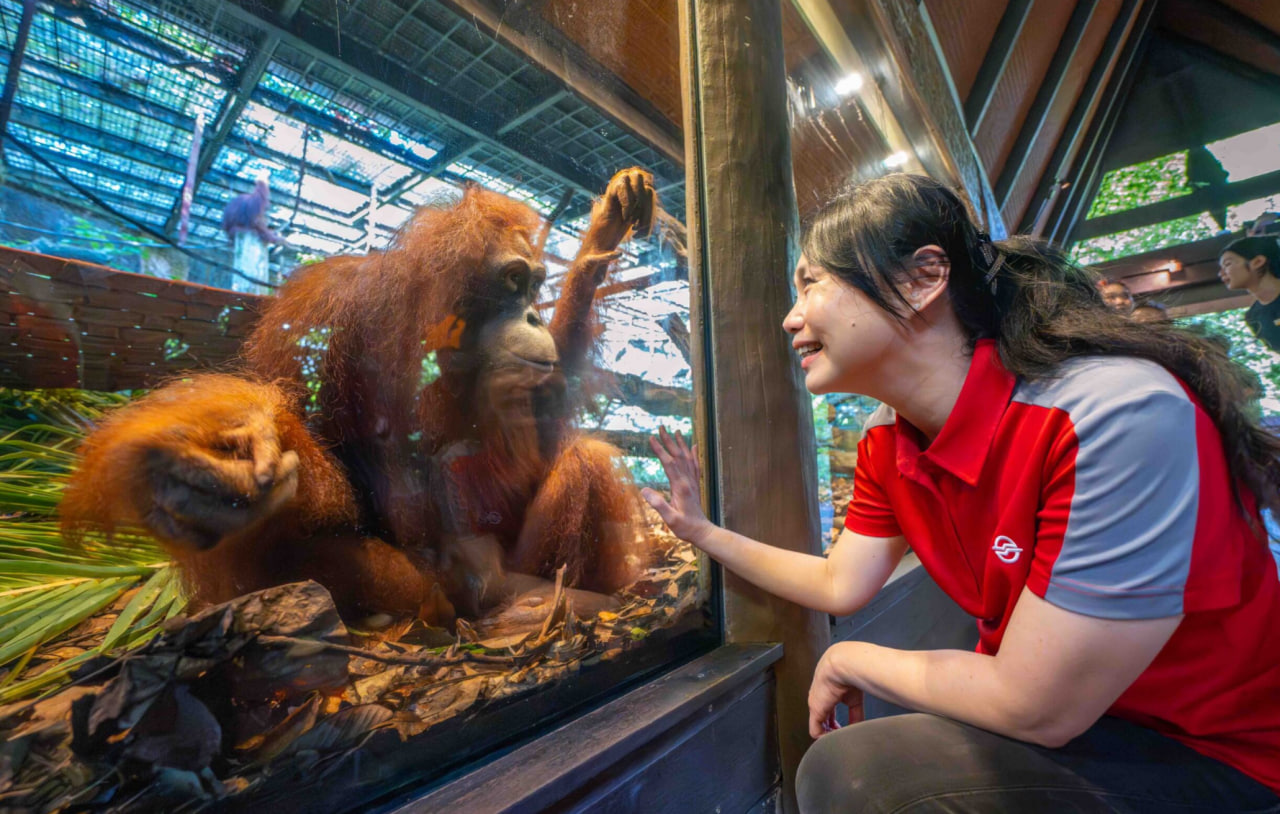 Photo from SMRT
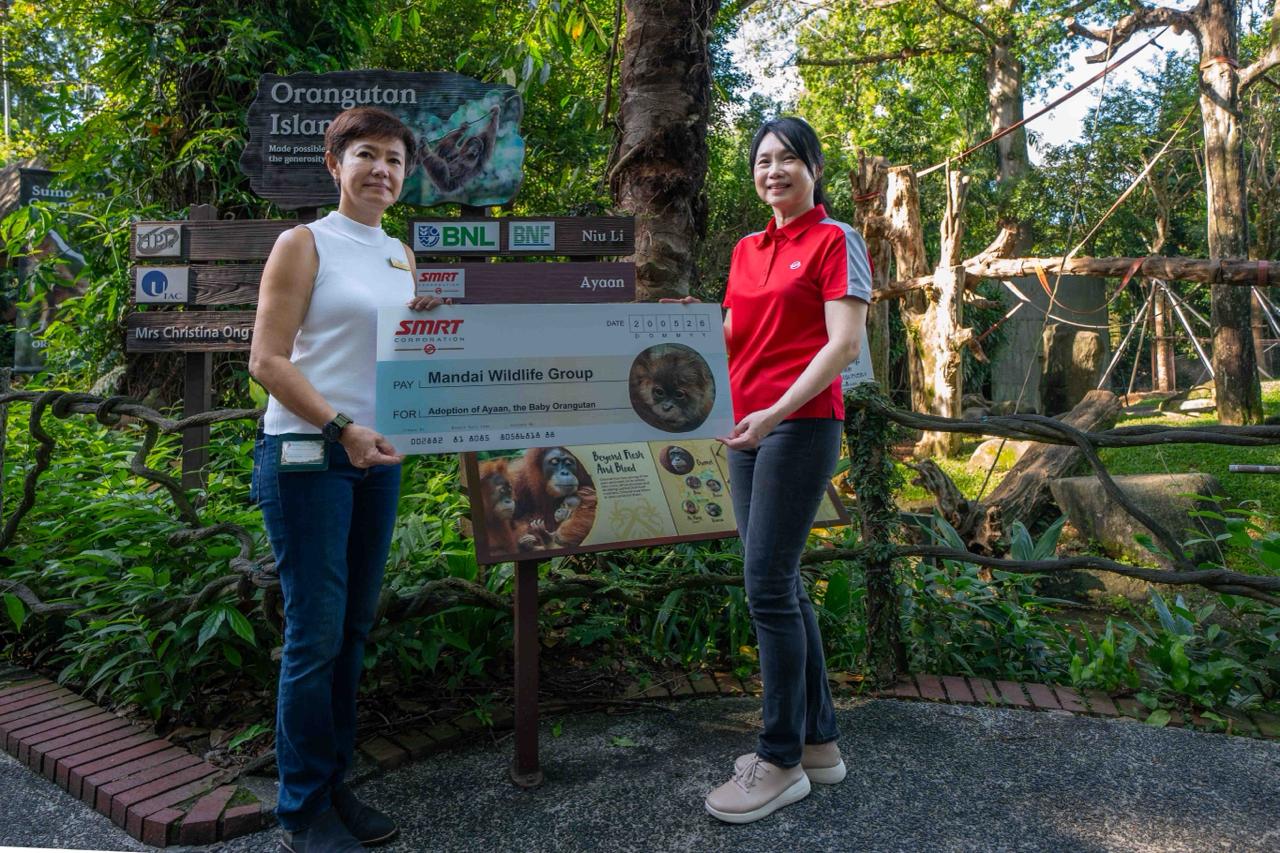 Photo from SMRT