Features


Comment: The normalisation of dying alone in S'pore (& why it doesn't have to be that way)
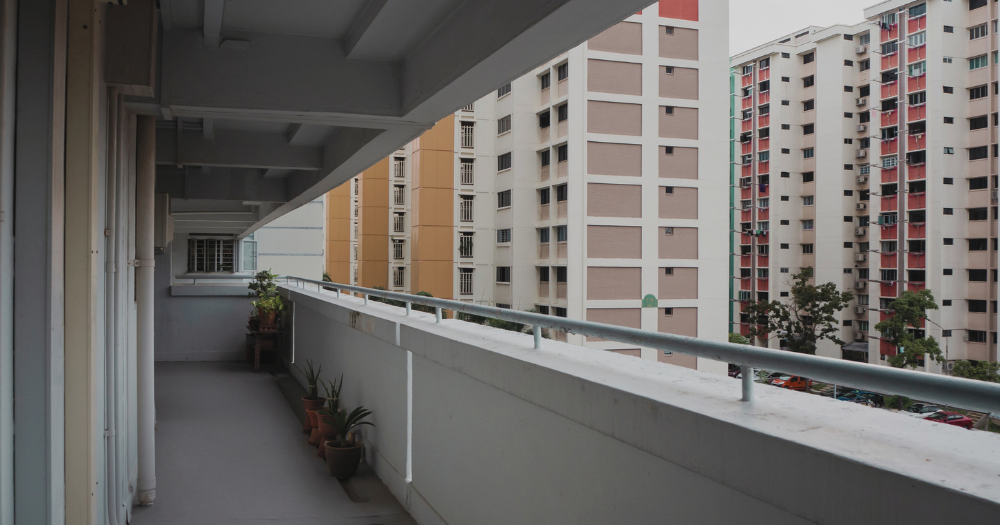
Our homes have never been emptier.
May 20, 2026, 12:17 PM
Chinese funerals are pretty lively affairs.
In Singapore, you can expect live music, LED wreaths, and maybe a spot of under-table gambling. Even ceremonial emcees.
In China, they get more extravagant. There are professional mourners, funerary belly-dancers, strippers.
It's pretty different from the West, where funerals are more sombre affairs. The ideal Chinese funeral should resemble a party. It should be packed to the brim (hence the strippers).
It should suggest that this person died remembered, missed, and loved. It's why bereaved families spend thousands and thousands to create just the perception of this.
There are theories as to why, and I'll take a stab at it: Chinese culture, and I daresay Asian culture in general, is at its heart communal. The worst thing is for one's life to end, alone, with no one to miss them.
Unfortunately, this might be more common than we would like.
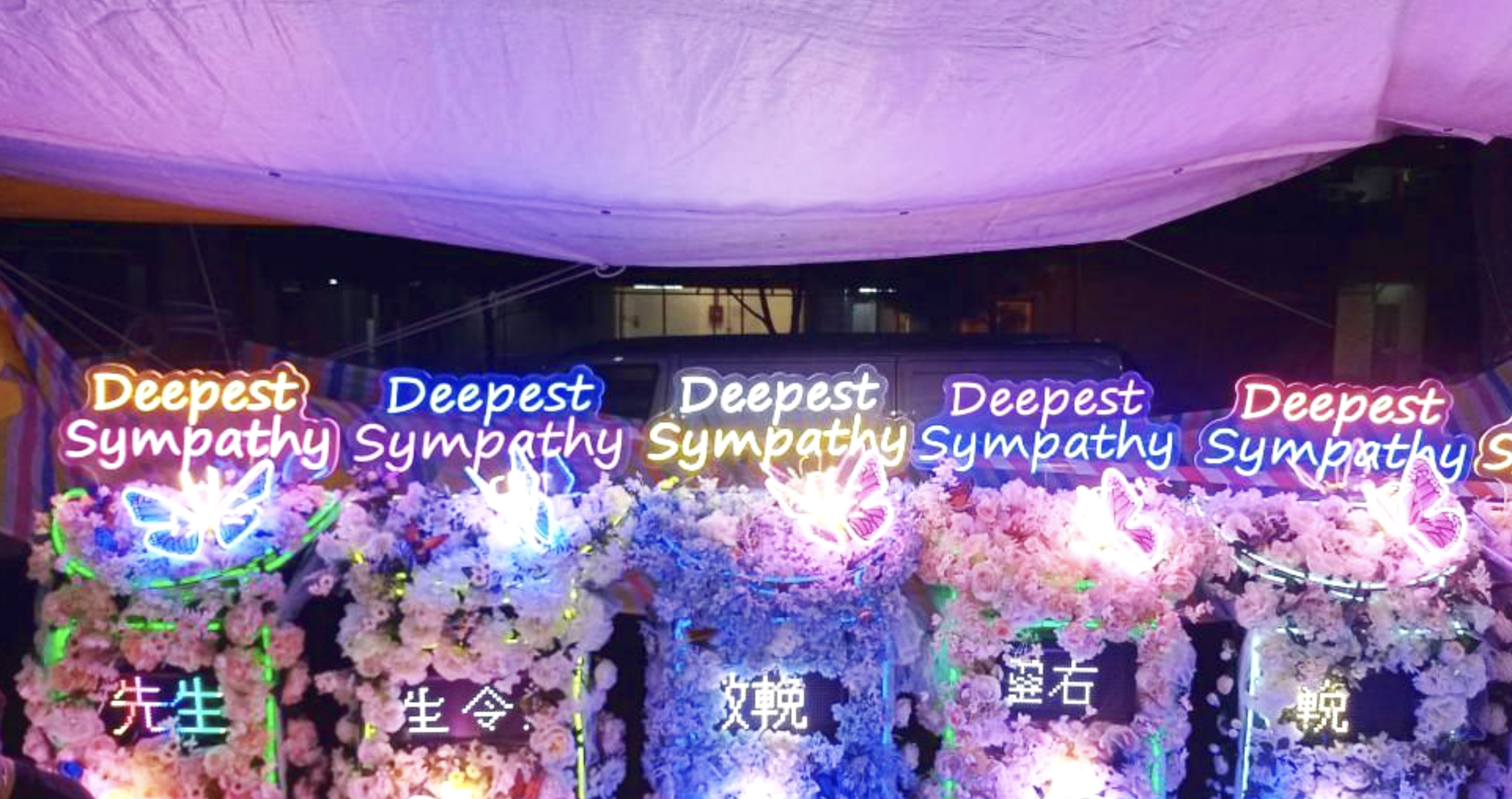 Photo from LED Flower Wreaths/Google Maps
Dying alone
An unsavoury reality of growing older is having to see more and more people you know pass away.
These days, funerals fill my social calendar almost as much as weddings. It's a trend I imagine will continue till my own funeral.
It's not as bad as you'd think. It's usually a nice catch-up with friends or family. The food is often great.
But these cosy, communal funerals are only going to get more anomalous.
In 2020, an elderly woman was found dead with her pet dog in her Katong condominium. She'd passed away over two years ago.
The event horrified the nation. Her neighbours later admitted that they'd detected a "weird smell" in the corridor, but that it went away after a couple of weeks.
Cut to today, and such incidents appear more commonplace. Men and women disappear for weeks, months, even years without anyone noticing.
The police have said they don't track the number of such deaths. But based on media reports, at least 33 took place last year and at least 42 the year before.
Distressingly, most of these deaths are discovered only once the signs of bodily decomposition begin affecting their neighbours.
These people are mostly frail and elderly. They are single, or childless, or simply the only ones left.
When they die, they go unmissed and unnoticed. Unobstrusive, until their decomposing remains drip down into the unit below.
The new norm
Whenever such events unfold, people are quick to bring up topics like public accountability and kampung spirit.
You know, in essence, I agree. Such things probably wouldn't have happened that much in the past.
But it is less a defect of our neighbourliness, I think, than a symptom of the increasingly solitary, even antisocial, way that many of us live.
In Japan, there's a term for such incidents: "孤独死 kodokushi", which translates to "lonely death". It's been around since the 1970s.
This correlates pretty closely with Japan's ageing population. A problem which was exacerbated by shrinking families and growing rural-urban migration, in which young people left their small towns for the big city.
Singapore is going through a similar phenomenon today. An ageing population, shrinking families. Singlehood is on the rise. People who do get married generally don't have many kids.
Even if you do have kids, more young Singaporeans are choosing to study, work, or live overseas. Our homes have never been emptier.
The stigma of nursing homes
There's historically been a kind of stigma against any sort of communal home for the elderly.
Nursing homes, old folk's homes, and active ageing centres. The cultural perception is very much this: If you love your family members, you wouldn't "dump" them somewhere else.
I do not think that this stigma is irrational. Scandalous reports in the past and media depictions portrayed these homes as lifeless, joyless places where only the few unlucky seniors with nowhere else to go would reside.
Times have changed. Nowadays, there's art therapy and animal therapy, field trips and karaoke sessions. I understand that some of the ritzier places have manicures and massages.
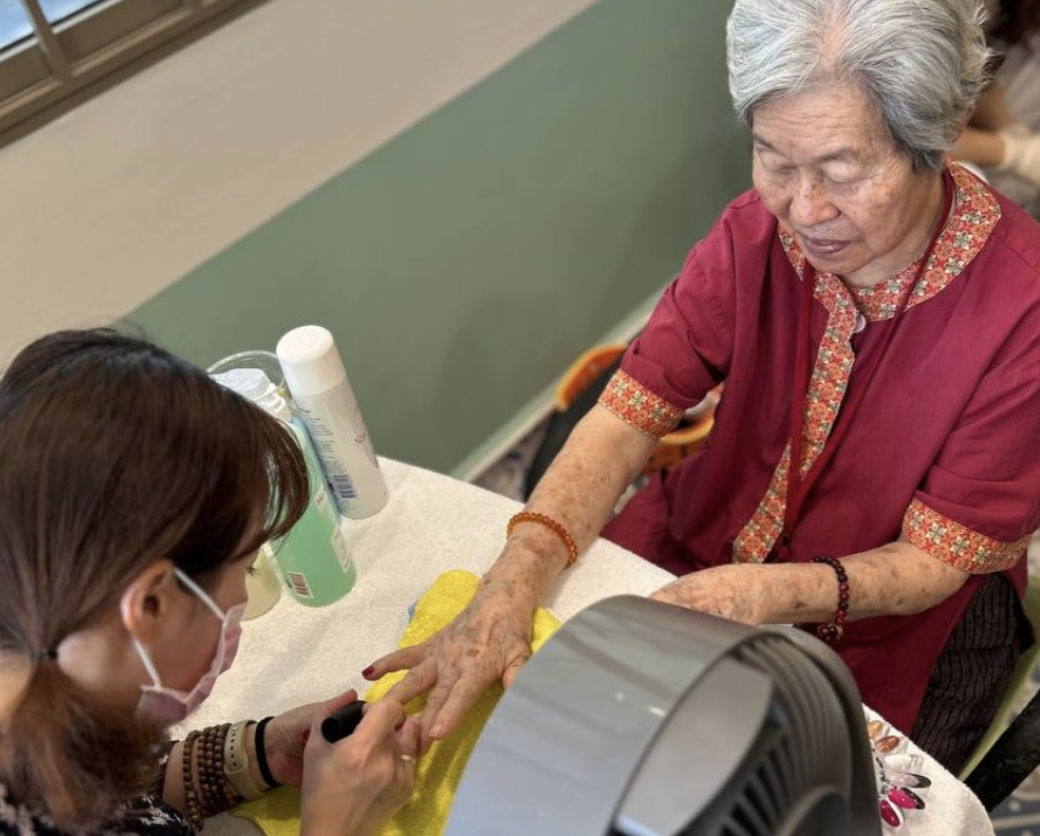 Photo from NTUC Health/Instagram
More importantly, with the way our population is headed, there may just be little other choice.
Bring back communal living
It need not be for a lack of luck or love, for an individual to be left without anyone to care for them. For the reasons mentioned above.
And yet I would not wish that gory, solitary death upon my worst enemy.
I think when people imagine dying in their own homes, they imagine something peaceful, gentle, in their own familiar beds. But as one trauma cleaner explained, it is rarely like that.
Rahman Razali, who works for DDQ Services, recalled one house with dozens and dozens of scrawls on the walls, doors, and piano.
In another, he saw bloody handprints traced along the wall — likely from an elderly person who'd fallen and was trying to pull themselves up.
A communal home may not be ideal. There are different vulnerabilities, different concerns, in surrendering your care to another.
But it is light-years better than dying a miserable, drawn-out death on your cold kitchen floor.
Paradigm shift
I think what we need is a change in perspective.
There is a deeply ingrained shame, I think, in giving up your autonomy and independence. In allowing someone else to care for you.
Especially in Singapore, where "welfare" tastes and feels like a bad word.
But look at it sideways: People have never really been self-sufficient.
Before nursing homes and the old-person-living-alone-with-a-helper formula, we had kampungs and communities. Extended families, doors open, informal social clubs at churches, temples, mosques.
Singapore's physical and social infrastructure is no longer the same way. It is only too easy to shut yourself away at home for a year or two (as we saw during Covid).
Social networks must be intentionally built and maintained. And it's hard.
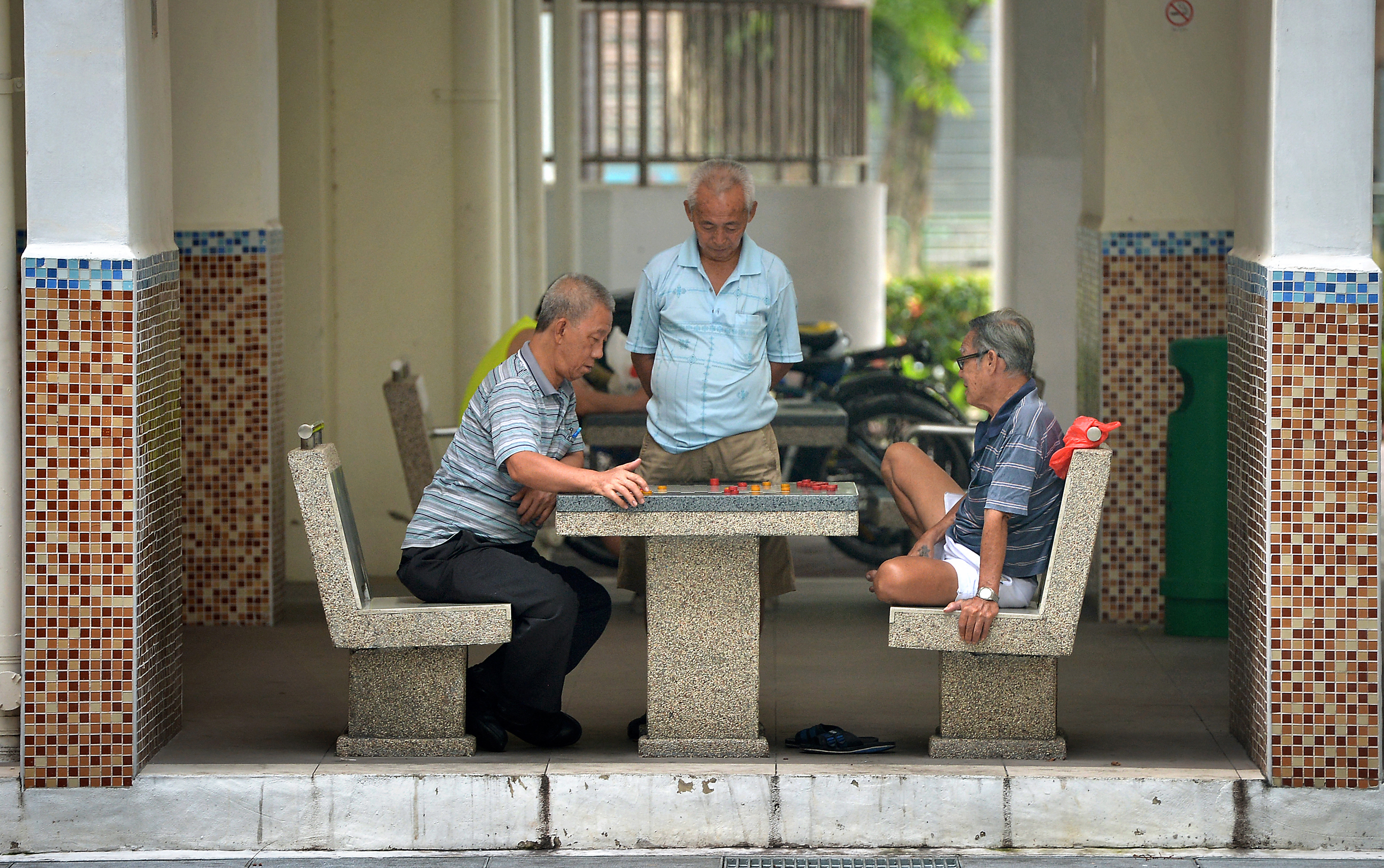 Photo from AFP
Bring back communal living
The truth is this: We are, in all likelihood, going to see a rise in those sad, solitary deaths.
But it doesn't have to happen that often.
Consider this: Rather than relying on neighbours who, I'm sure, are all very busy and have their own lives to run, why not we bring back the idea of communal living?
In other countries, they have retirement villages. Singapore is on its way there, with community care apartments at Bukit Batok (Harmony Village @ Bukit Batok, you can see it here) and more on the way.
Other than senior-friendly facilities, residents also have access to 24-hour emergency response, care services, and social activities.
In my head, it's kind of like a kampung, if everyone there were old.
The idea of living in such a place may chafe at some. You have to give up your childhood home, matrimonial home or your multimillion-dollar terrace house for a compact 32-square-metre space.
And also, y'know. Retirement village. It doesn't sound great, still has a bit of that dumped-there-by-unloving-children kind of vibe.
But the weight is only going to get heavier as the population ages and shrinks. Without the aspect of community, it just gets shifted around: from one child to another, to this neighbour or that neighbour's friend.
If we as a society are truly as communal as we think, we'd choose to show love in this new way, in this new world.
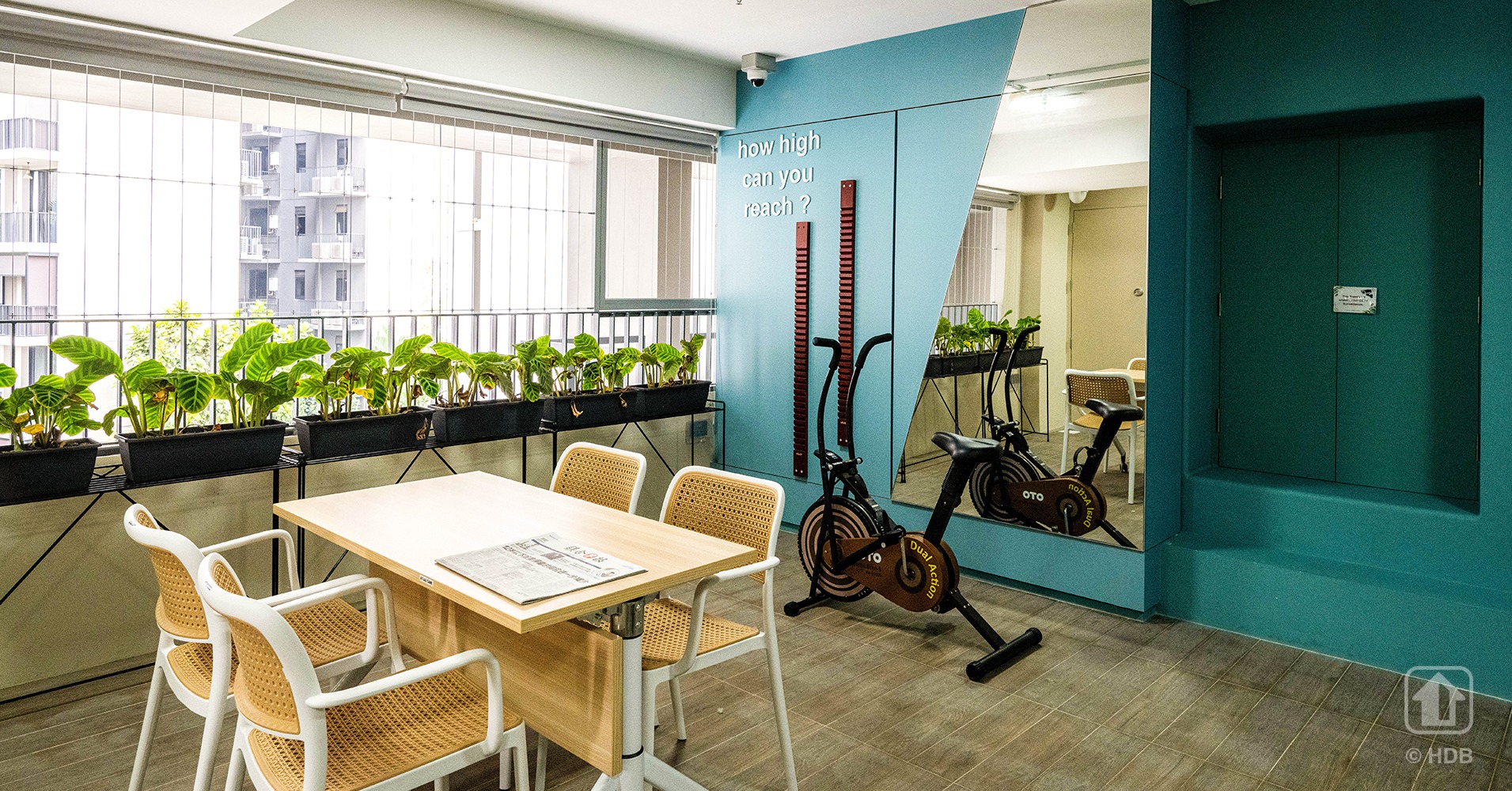 Photo from HDB/Facebook