



Environment


NParks & ICA seize 830kg of Sunda pangolin scales falsely declared as 'dried fish skin'
Their meat is also eaten as a luxury dish, and some believe their blood and fetuses have healing properties.
March 28, 2026, 10:46 AM


A smuggling attempt involving over 830kg of Asian pangolin scales was intercepted by the National Parks Board (NParks) and Immigration & Checkpoints Authority (ICA) on Dec. 29, 2025.
The scales, falsely declared as "dried fish skin", are believed to have been from over 2,200 pangolins.
It is the largest seizure of Asian pangolin scales in Singapore to date.
Based on preliminary investigations, the cargo is believed to have been transiting through Singapore, from Indonesia to Cambodia.
Investigations are ongoing.
The seizure
The seizure was announced on Mar. 28, 2026, at the World Wildlife Day Regional Youth Symposium.
An NParks release said that ICA received information about an inbound lorry carrying sea cargo.
It referred the cargo for further checks.
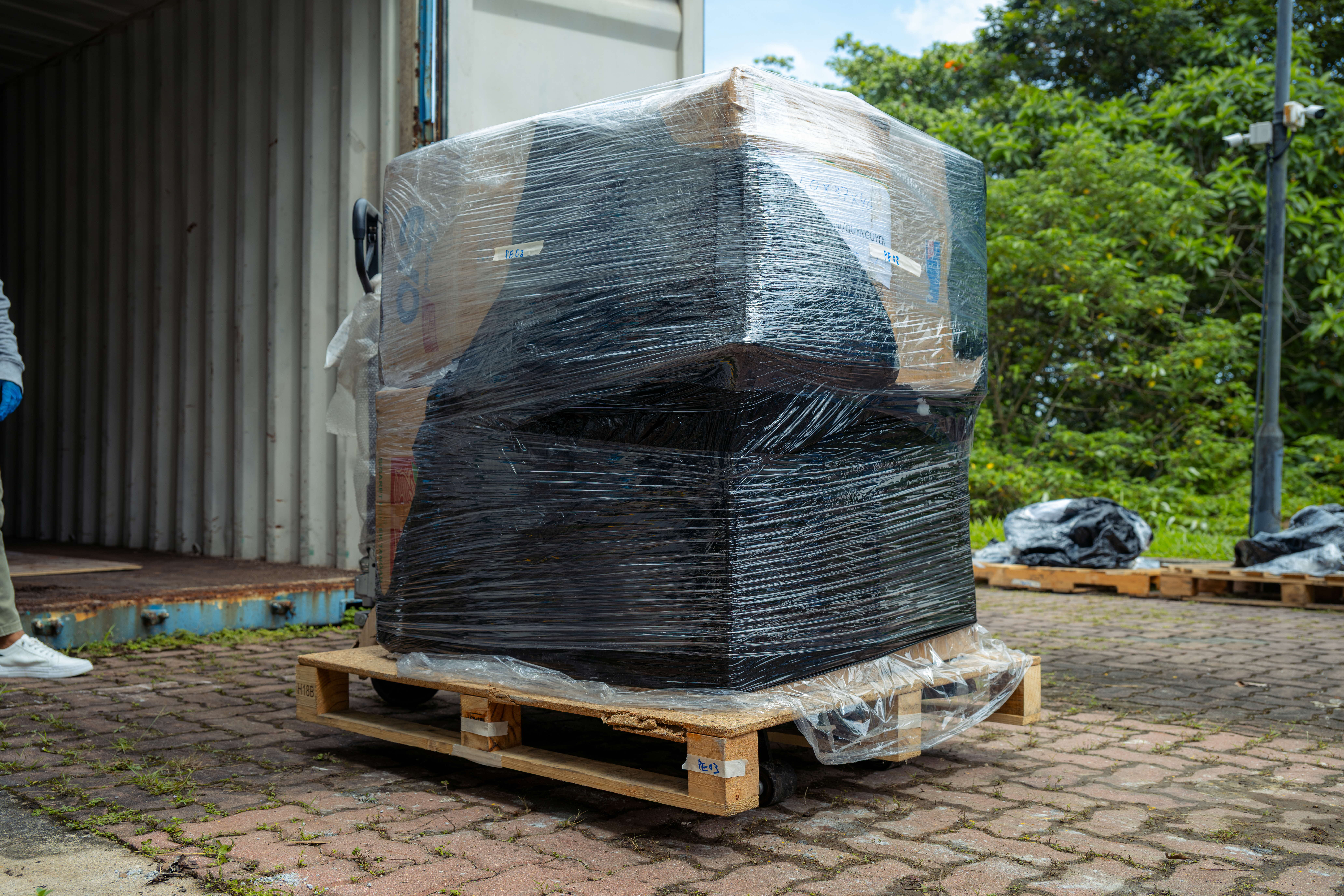 Photo courtesy of NParks
After undergoing scans, ICA image analysts noticed anomalies and discovered the fake "dried fish skin".
NParks was alerted to the case and uncovered 30 bags full of pangolin scales.
According to genetic analysis, the scales are from the Sunda pangolin, a critically-endangered species native to Southeast Asia, including Singapore.
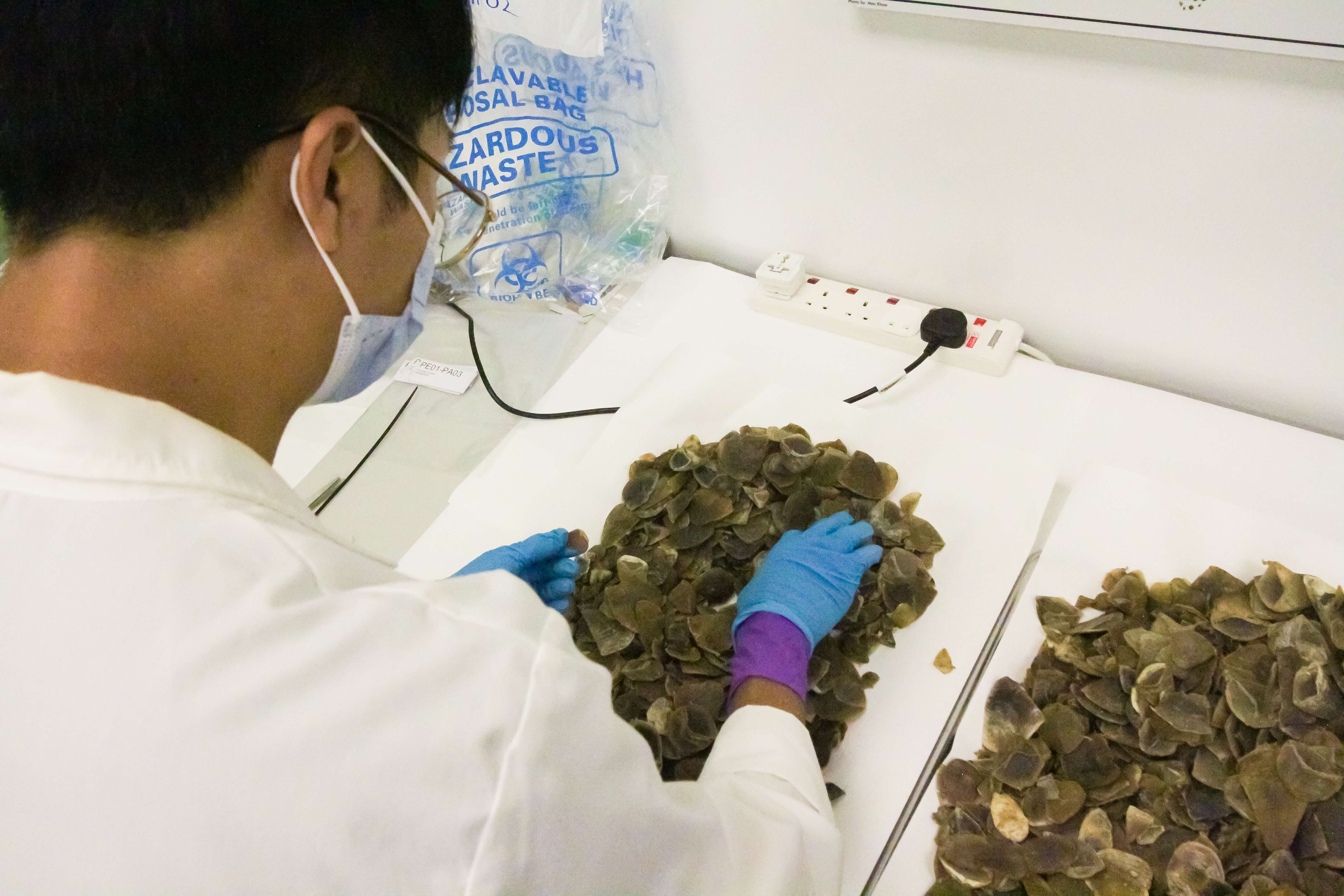 Photo courtesy of NParks
Most trafficked animal
The Sunda pangolin is the most trafficked animal in the world, said a 2025 NParks report.
As of 2025, there are about 100 Sunda pangolins left in the wild in Singapore, said an NParks report.
They are illegally poached for their meat and body parts.
Their scales, which are made of keratin — the same protein in our own hair and nails — are consumed for purported medicinal and health benefits, and can fetch up to S$4,200 per kilogram.
Their meat is also eaten as a luxury dish, and some believe their blood and fetuses have healing properties.
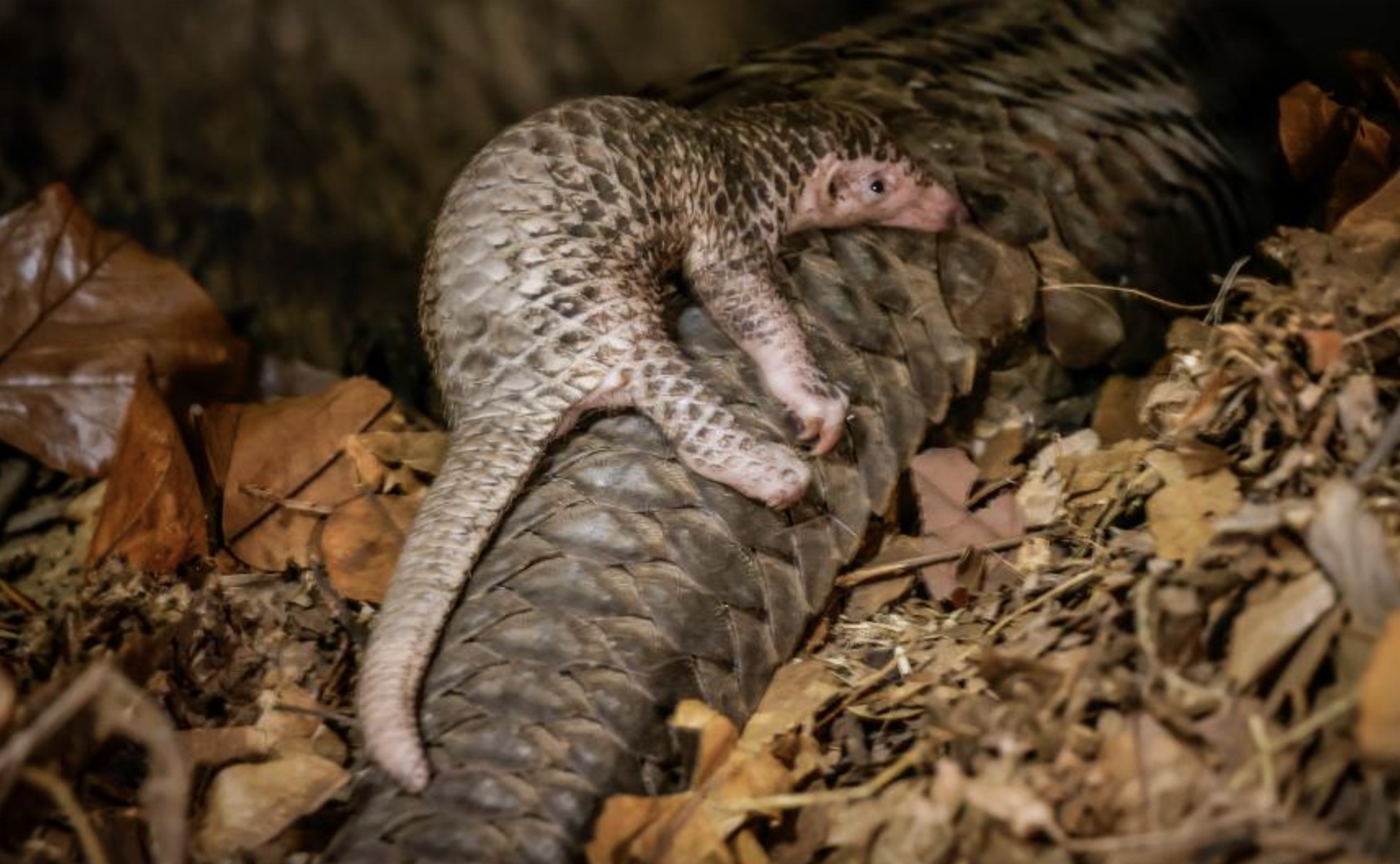 Baby pangolin. Photo from Mandai Wildlife Reserve
Zero-tolerance
NParks said that Singapore adopts a "zero-tolerance stance" on illegal trade of endangered wildlife species, their parts, and derivatives.
Under the Endangered Species Act, an offender who brings such products into Singapore without a valid permit may be fined up to S$200,000 per specimen, up to S$1,000,000 or the market value of the specimens.
They may also get up to eight years' jail.
Members of the public can contact NParks at [email protected] if they spot any occurrences of illegal wildlife trade.
Information shared will be kept strictly confidential.
Top image from NParks and Mandai Wildlife Reserve