News


15 primary schools such as Palm View & Yew Tee to host advanced modules after discontinuation of Gifted Education Programme: Desmond Lee
The 15 schools were chosen because of its accessibility and to ensure a good geographic spread.
March 03, 2026, 10:49 AM
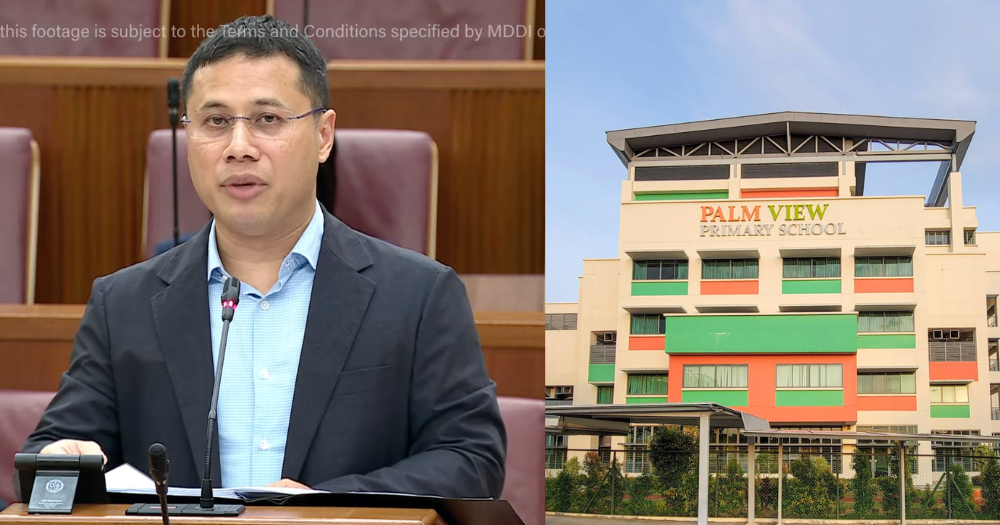


The Gifted Education Programme (GEP) in its current form will be discontinued. From 2027, programmes where students take advanced modules after school at a nearby designated centre.
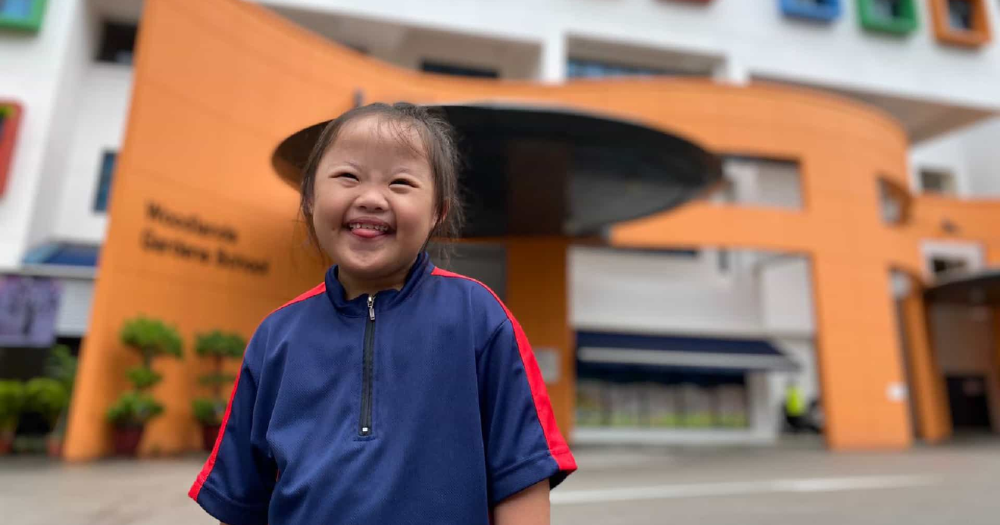
To start, there will be 15 designated centres hosted by primary schools across Singapore, such as Palm View Primary and Yew Tee Primary.
The schools were chosen because they are accessible via public transport, and they ensure a good geographic spread.
The centre locations will be reviewed periodically.
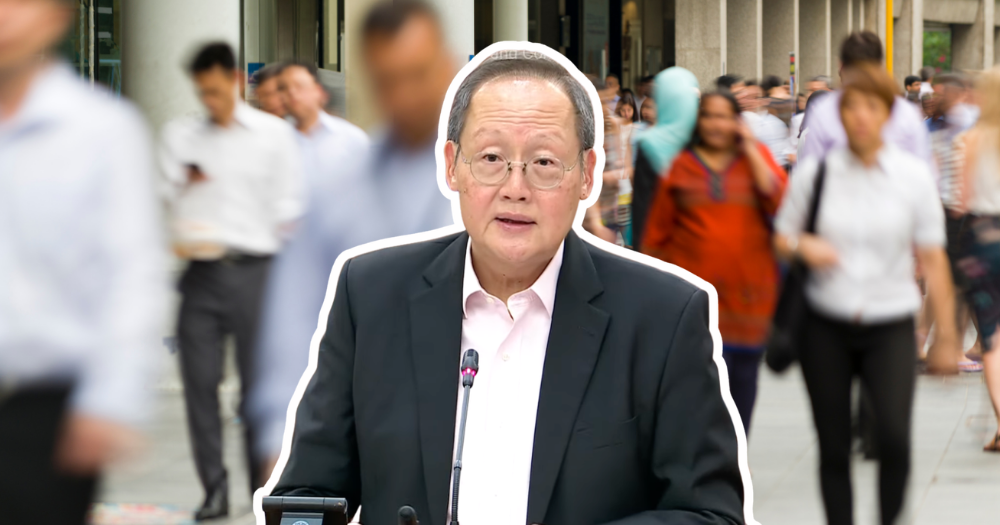
Minister for Education Desmond Lee made this announcement during the Committee of Supply debates for the Ministry of Education (MOE) in Parliament on Mar. 3.
He described the revamping of the 42-year-old GEP as a refreshed approach to how the government supports students with academic strengths and talents.
It was first unveiled in 2024 by Prime Minister Lawrence Wong, who said it would allow 10 per cent of the student cohort to benefit from such school-based programmes, up from around 7 per cent today.
More advanced modules
All primary schools in Singapore currently offer school-based programmes beyond the curriculum to challenge stronger students in English, maths, and science, Lee said.
For the centre-based advanced modules, students can also take interdisciplinary modules inspired by real-world problems.
"These modules are not intended to give students a leg up in examinations," he explained. "Rather, they are designed to further cultivate curiosity, creativity and critical thinking."
He shared an example of an interdisciplinary module on "Playgrounds".
In this module, students will integrate social studies, science, and maths to tackle real-world design challenges.
They will also study how to make such spaces safe, investigate the science of movement, and, through empathy exercises, design inclusive playgrounds for diverse users.
Lee added that almost all primary schools today have at least five teachers trained to teach such stronger students.
MOE will also continue training teachers and school counsellors, and provide them with curriculum resources and professional learning to better support students.
New identifying process
The first batch of Primary 3 students kicking off the new initiative will participate in a standardised one-stage identification exercise in August 2026.
It will replace the current two-stage process of the GEP.
Schools can also identify students for the programmes based on teacher observations and the student's work, for instance.
Additionally, students can also join the programmes at the end of each semester at Primary 4 and 5, rather than only once at Primary 4.
Top images from MDDI/YouTube and Google Maps/Bosco Lim