Branded

More than 50% of the world’s plastic waste comes from Southeast Asia’s rivers. Here’s how the problem is being tackled.
It’s not all doom and gloom yet.
Most of us don’t think much about what happens to our trash.
We bag it, put it out for collection and assume the job is done. But what if that isn’t always the case?
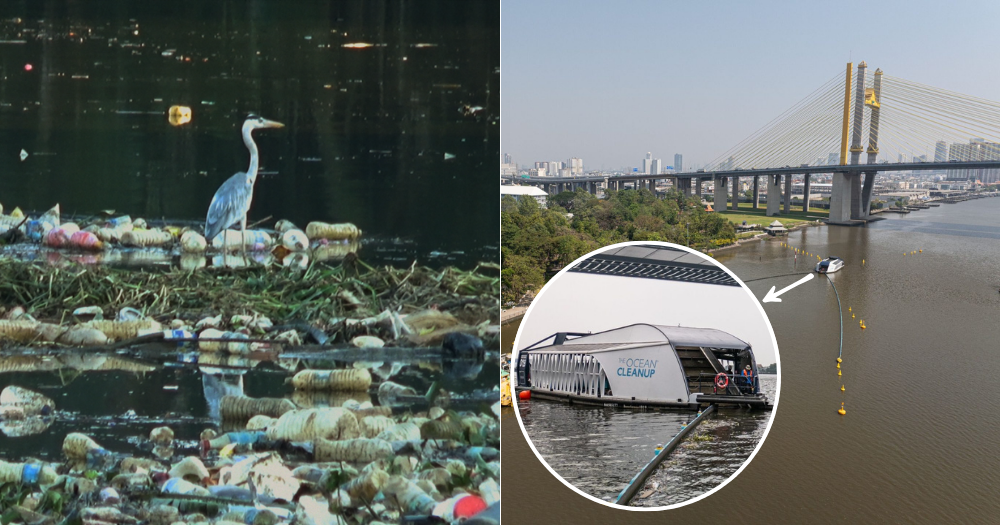
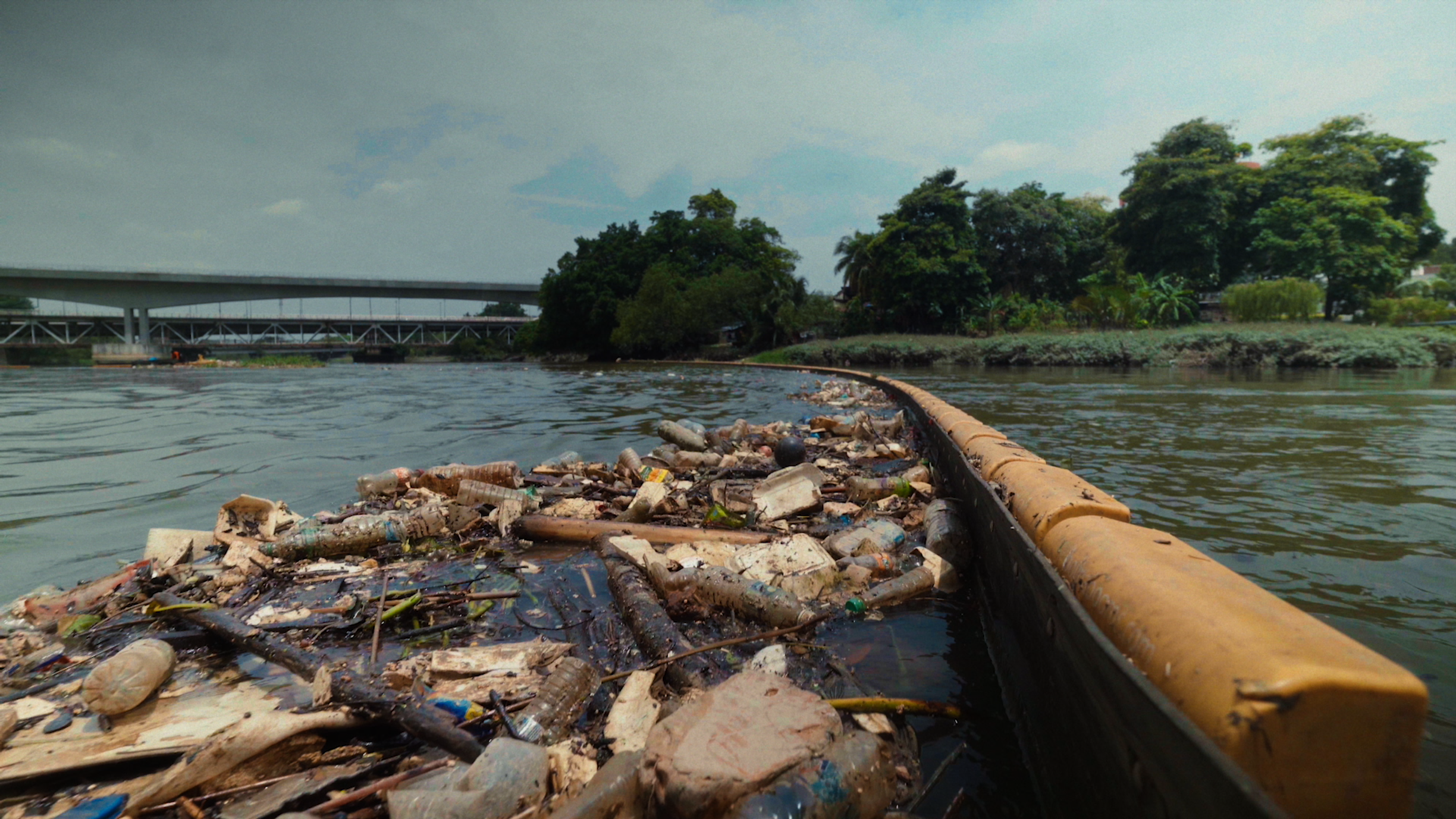
Plastic waste that does not get sorted and recycled can end up in rivers, stormwater drains or waterways.
In turn, these waterways carry trash into the ocean.
Research shows that 80 per cent of the world’s plastic pollution comes from just 1,000 rivers globally, which means such plastic waste is also a major source of pollution.
And of the 10 highest ocean plastic polluters, six countries accounting for more than 50 per cent of global plastic waste are found in Southeast Asia, according to the World Economic Forum (WEF) in 2023.
This means that the best way to clean the oceans today is to prevent such plastic waste, often from coastal cities, from ever reaching the open sea.
That’s why Coca-Cola has worked together with The Ocean Cleanup, a Netherlands-based environmental tech project to support their missions to help clean up the world’s oceans by targeting the world’s most polluted rivers.
What is The Ocean Cleanup and Coca-Cola’s partnership about?
Since 2021, Coca-Cola’s partnership with The Ocean Cleanup has one goal in mind: to test and trial technology to support their work in Southeast Asia before scaling up and rolling out these solutions globally.
The Ocean Cleanup provides the technological and data expertise to help address the problem, using clever, high-tech systems to identify and catch trash before it can travel further out to sea.
Coca-Cola, in addition to providing financial support, has also engaged their local teams to help with the mission in various locations across Southeast Asia, including Malaysia, Thailand, Indonesia and Vietnam.
One of the world’s most polluted rivers lies in Malaysia
One of these highly polluted rivers is the Klang River in Kuala Lumpur, Malaysia, which is estimated by research to carry over 13,000 metric tonnes of waste annually to the ocean.
This makes it the fourth-highest plastic emitting river in the world and one of the most polluted in the world.
To put that into perspective, it’s enough to fill about 900 standard U.S. dump trucks, lined nose-to-tail, for nearly 10 km.
The Klang River stretches 120km and flows through the Klang Valley, which is home to almost 10 million people.
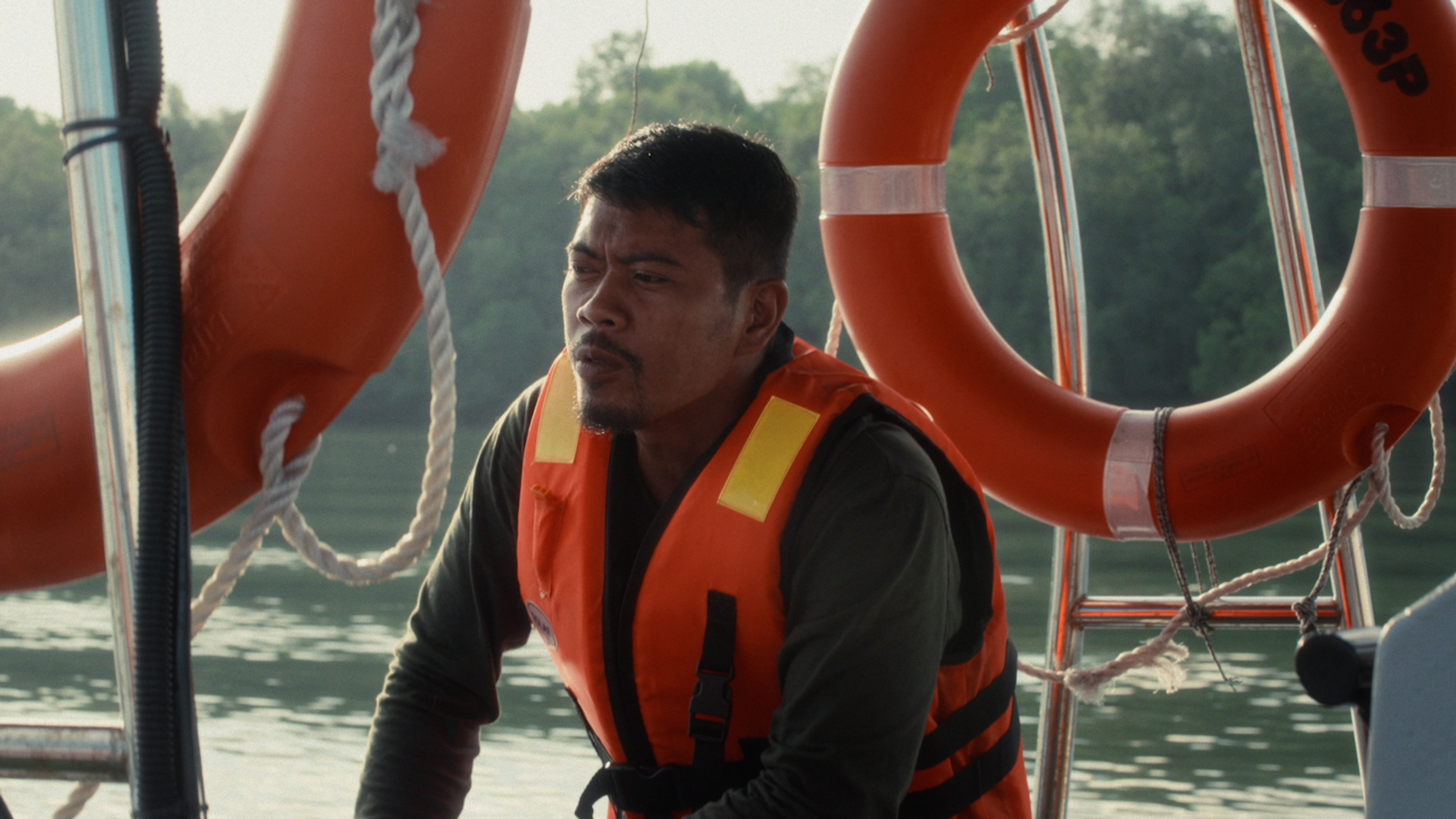
One of them is Ridzuan Razali, who has been living along the Klang River as a fisherman and boat skipper for 13 years.
 Screenshot via Coca-Cola / YouTube.
His elders often tell him of a time when the water was so clear that big catches of fish were a daily affair.
However, with improper plastic waste disposal and a build up of trash due to industrialisation, water from the Klang River became unsafe for use.
Residential areas, industry and commercial zones in Klang have all contributed to the deterioration of the river’s water quality, researchers Azlinda Saadon and Faiza Rahman said.
Today, Ridzuan struggles to catch even small-sized fish.
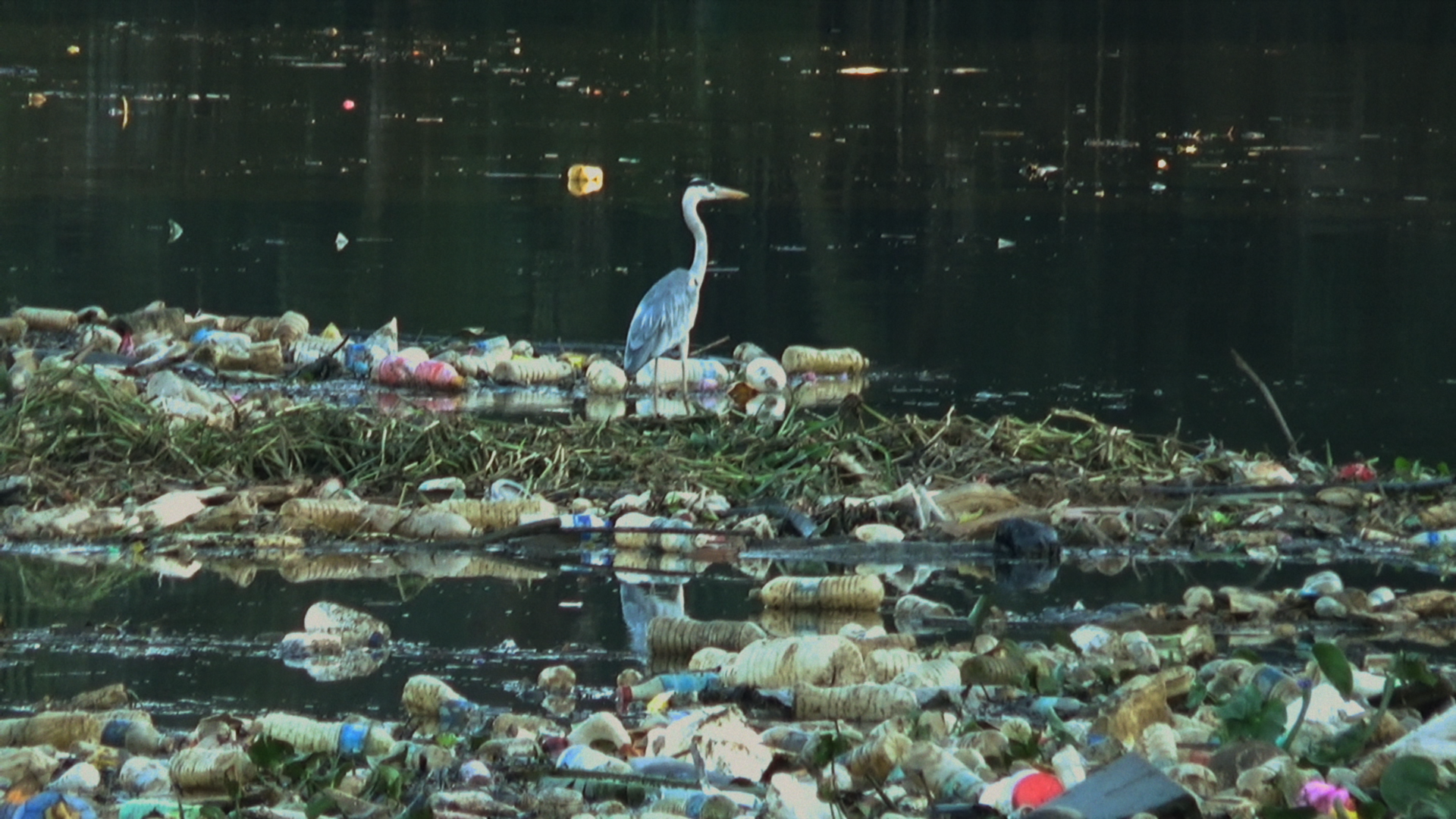
The river sustains not just human communities but also wildlife too.
“The Klang River is heavily polluted with plastic waste, causing the health of wildlife to deteriorate,” Azlinda said.
 Screenshot via Coca-Cola / YouTube.
A story of hope
 Screenshot via Coca-Cola / YouTube.
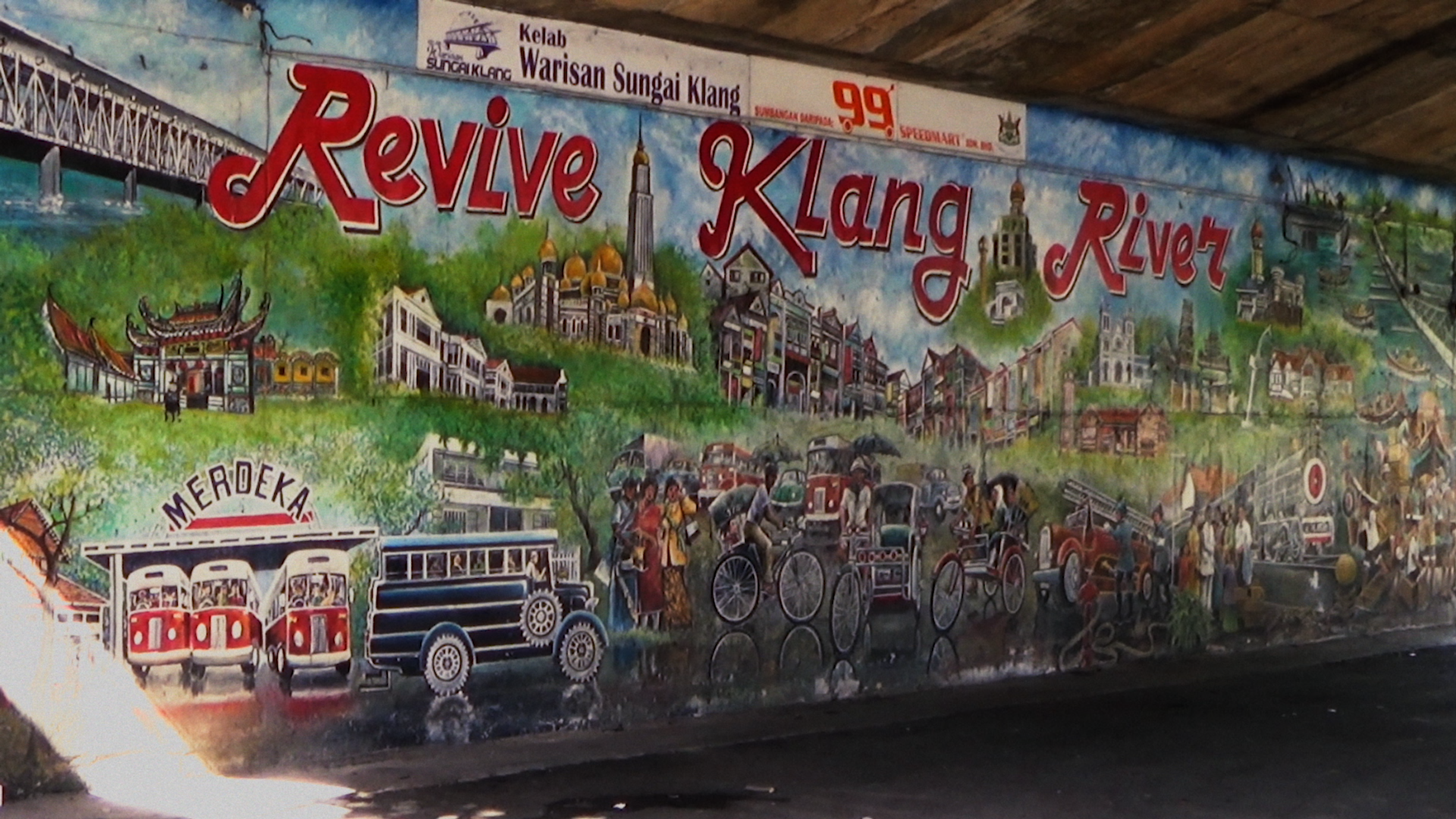
But locals like Azlinda and Faiza are determined to restore the Klang to its former glory and make it not just a source of life, but also pride.
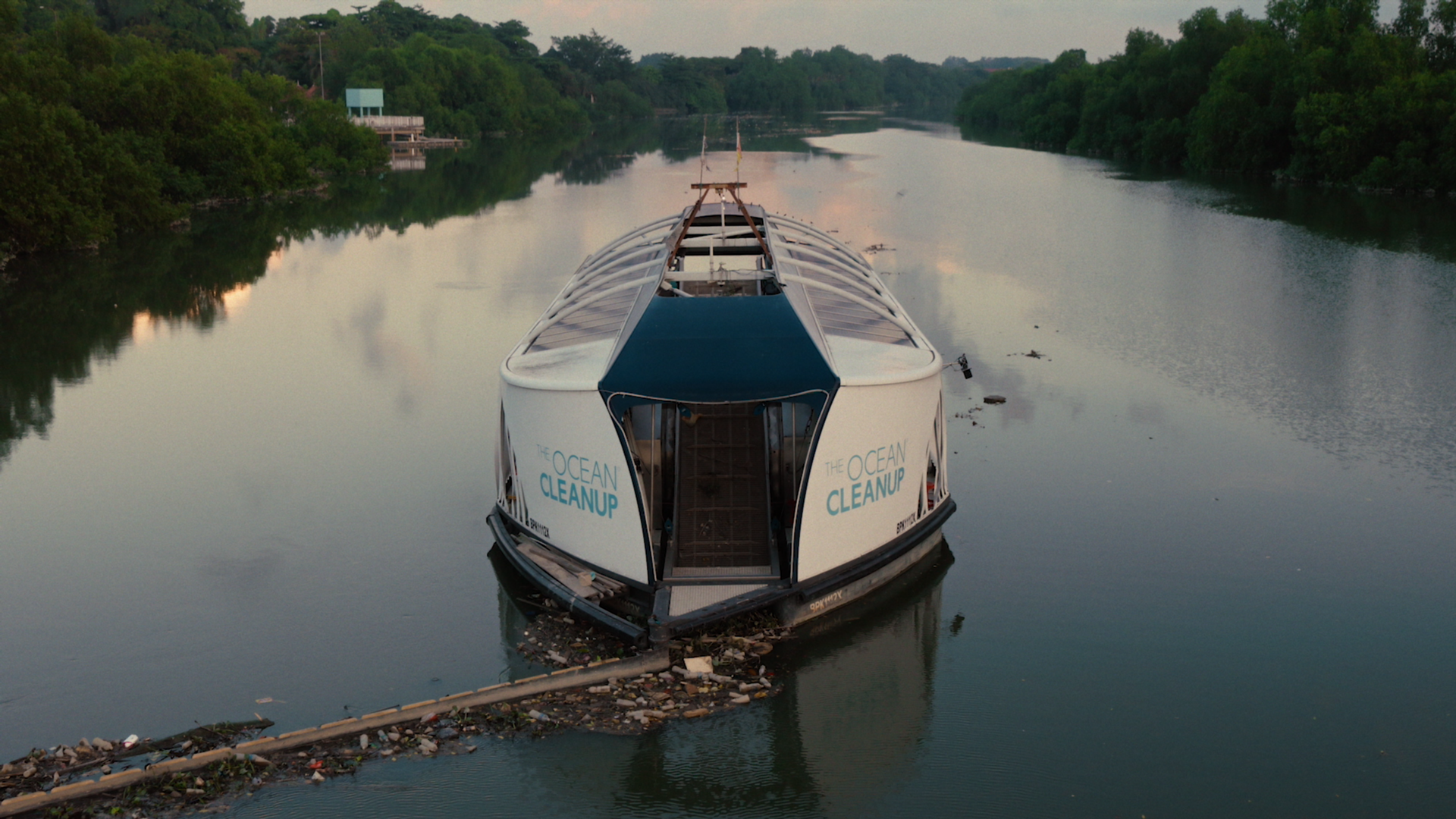
Meet the Interceptor Original by The Ocean Cleanup, one of the many solutions used to help catch plastic in rivers around the world before it reaches the ocean.
 Screenshot via Coca-Cola / YouTube.
Here’s how this works: a barrier guides waste floating along rivers into the vessel, and the river current moves the debris onto a conveyor belt.
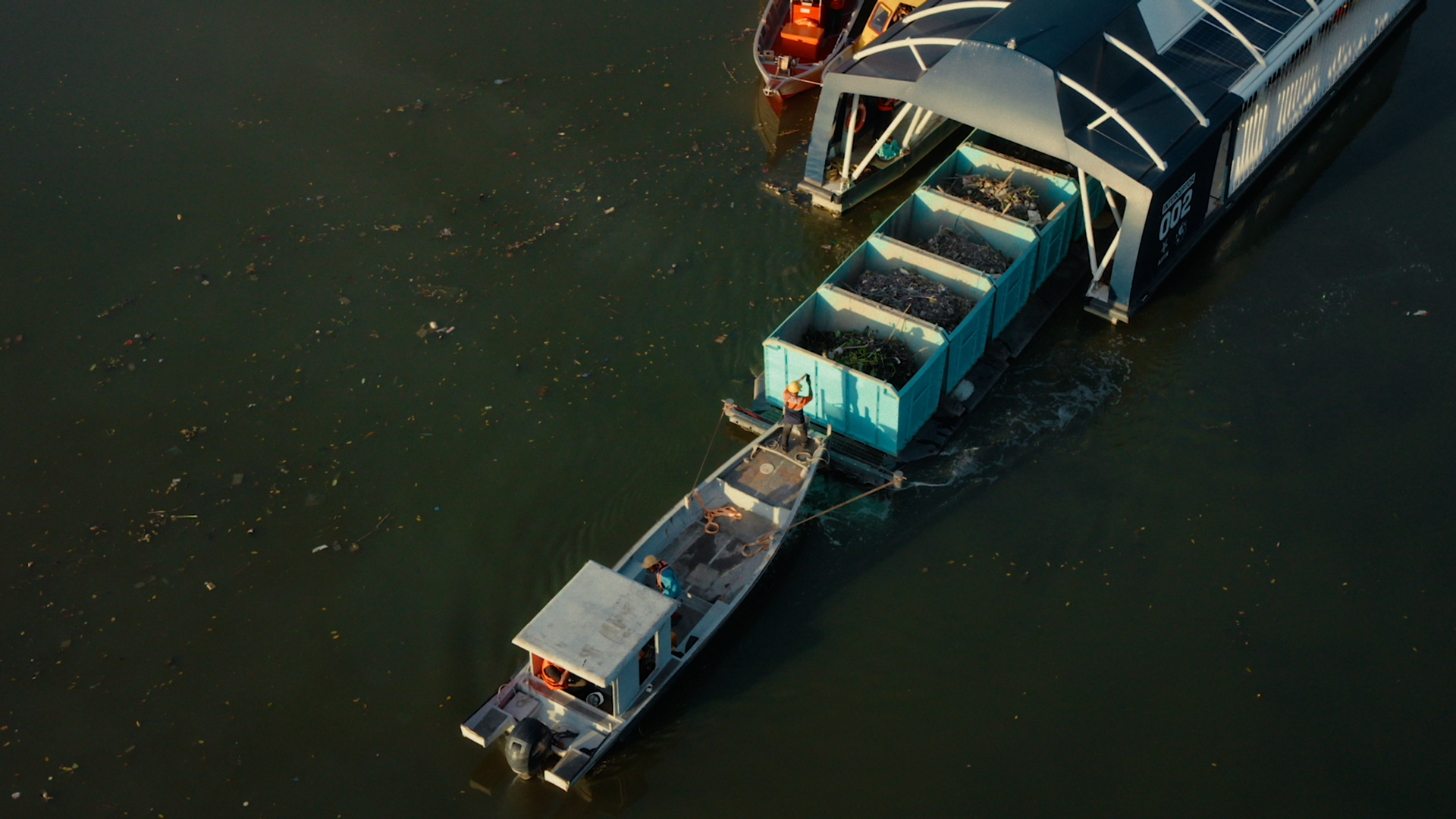
The belt then moves the debris onto a shuttle, which then unloads them into one of six containers.
When the containers are almost full, a message will be sent to human operators for it to be emptied.
 Screenshot via Coca-Cola / YouTube.
 Screenshot via Coca-Cola / YouTube.
The first Interceptor in Malaysia, Interceptor 002, was deployed in 2019 near Klang and complemented government efforts to stem litter flow with log booms.
It was later joined by a second Interceptor, the Interceptor 005, which was deployed near Port Klang.
After the trash is filtered from the Klang River, it is transported to a newly opened waste sorting facility, supported by Coca-Cola Malaysia, along the river banks where recyclable materials are separated from non-recyclable waste.
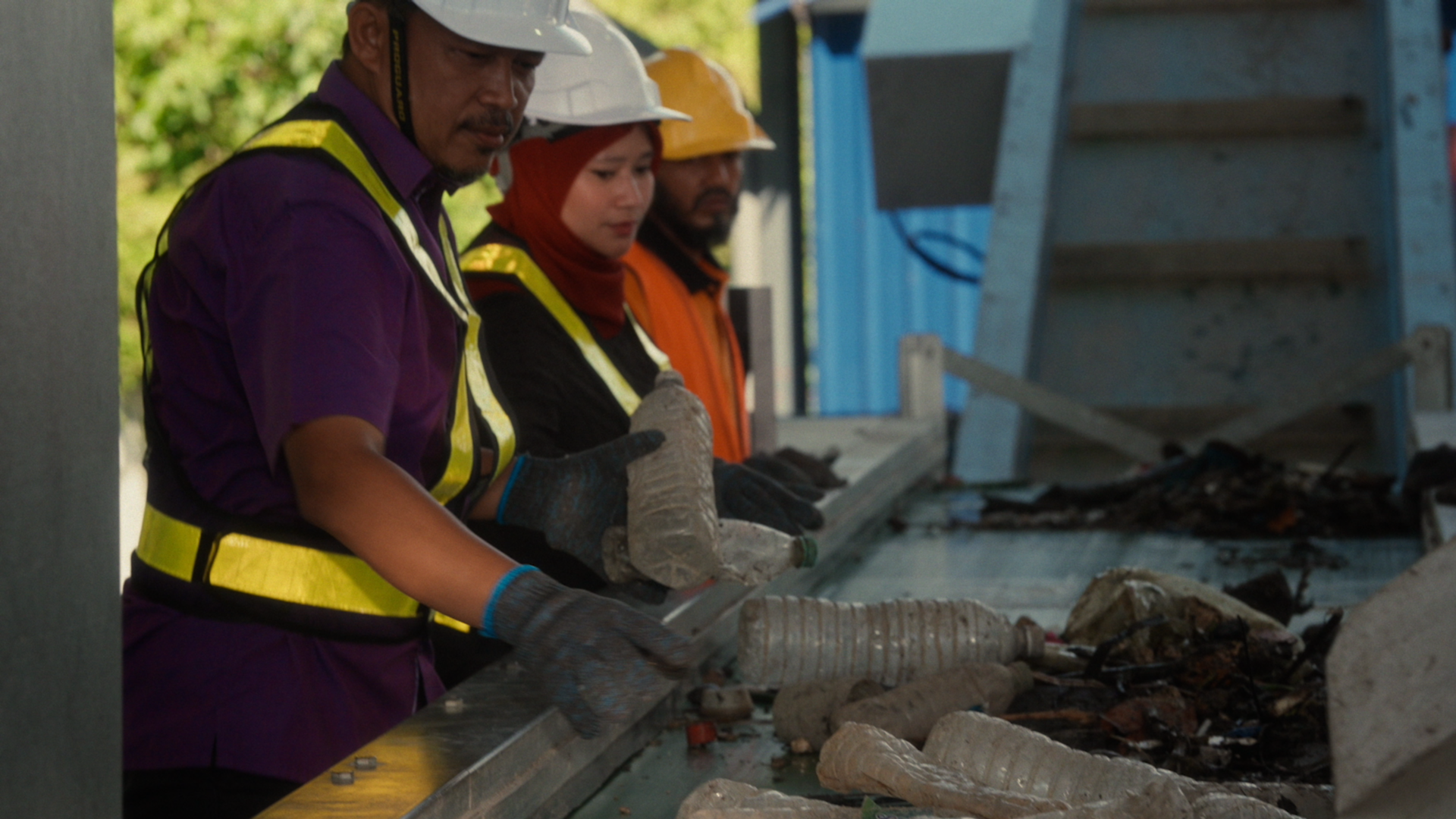 Screenshot via Coca-Cola / YouTube.
This facility, established by The Ocean Cleanup in partnership with Landasan Lumayan Sdn Bhd, J&K Wonderland Foundation, and Coca-Cola Malaysia, sorts and processes marine waste and supports solutions that reduce waste and increase recycling.
To date, both Interceptor 002 and 005 have collectively removed nearly 3,000 tonnes of waste from the Klang River.
Its efforts are also paying off, with otters seen returning to the waterway.
And it’s not just in Malaysia. In neighbouring Thailand, Interceptor 019 has been in operation since March 2024 along the Chao Phraya River.According to research from The Ocean Cleanup, the Chao Phraya River is Thailand’s top plastic-emitting waterway.
If you’ve been to Bangkok, you’ll know that the Chao Phraya is busy. Merchant vessels, dinner cruises and boat taxis all chug along the river.
Having a barrier run across the width of the river might not be the most pragmatic thing to do.
To create a tailored approach, The Ocean Cleanup worked with Bangkok’s Chulalongkorn University to trial data collection using AI in order to determine the best place to position the vessel and intercept plastic entering the waterway.
Since its launch, the project has removed a total of 194 tonnes of waste and created 13 job opportunities.
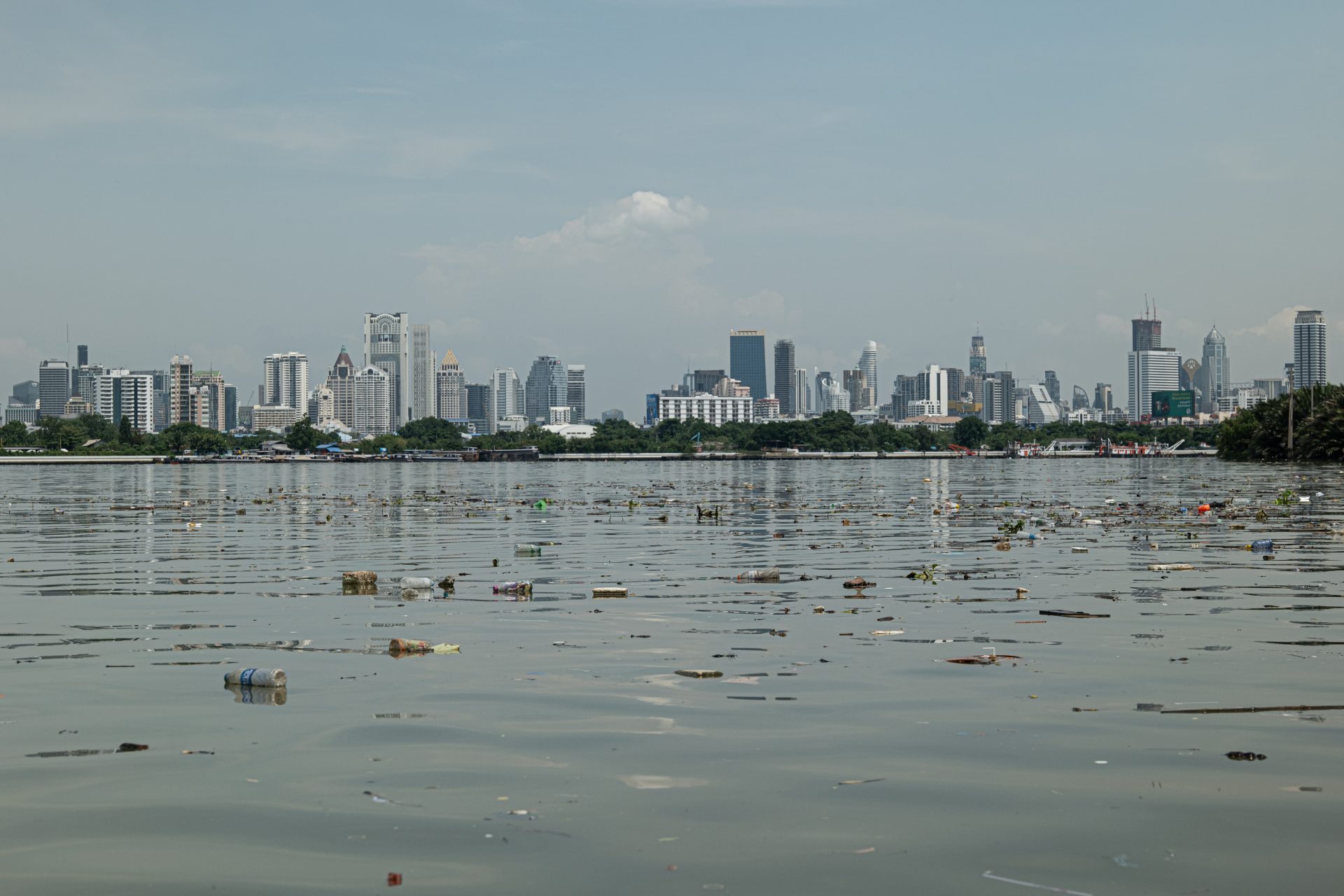 Photo via The Ocean Cleanup.
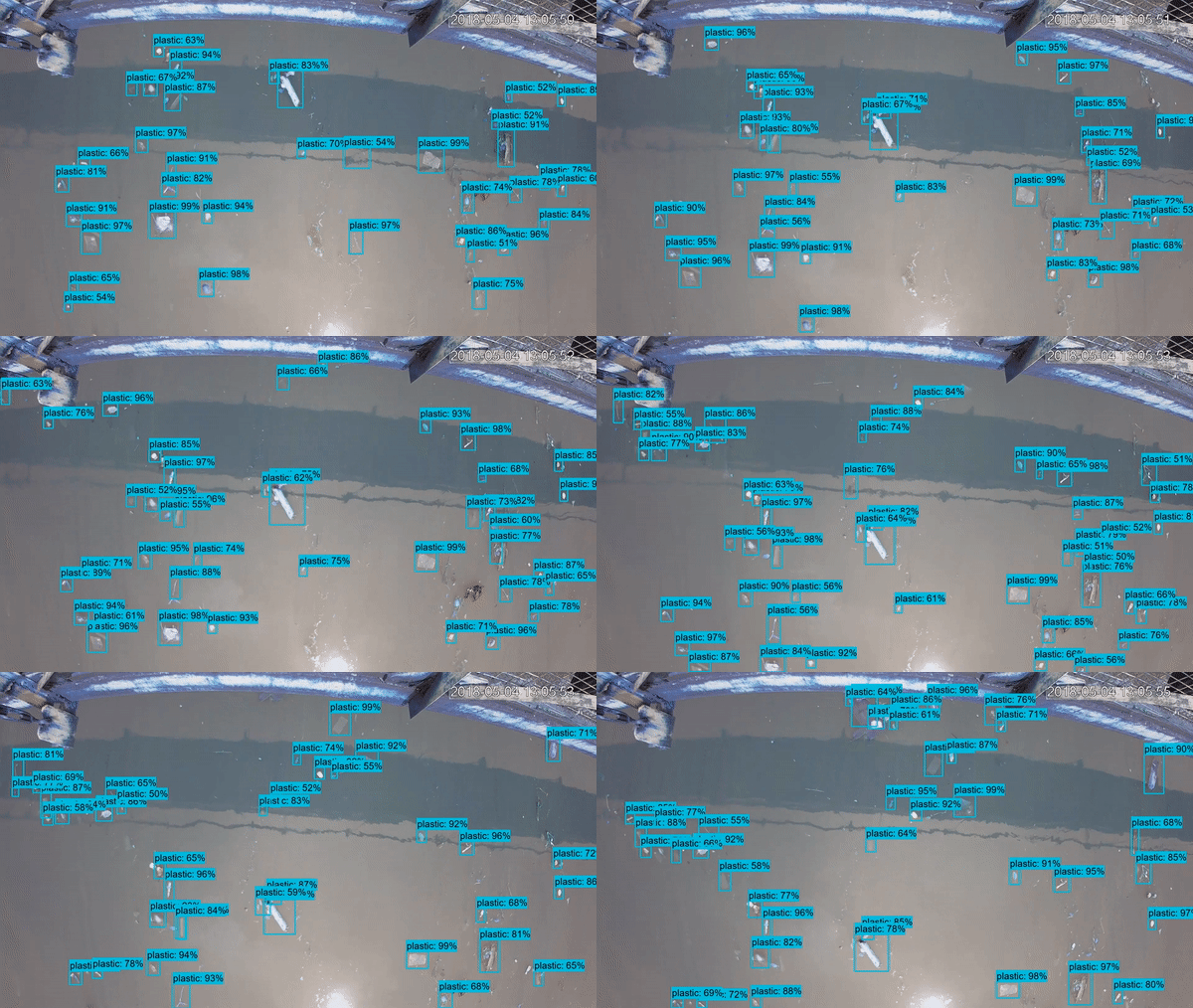 Gif via The Ocean Cleanup.
Keeping rivers clean requires a whole community
Rivers and oceans connect the world, so while all these may seem like localised problems, they may not remain so.
Waste can travel via river and ocean currents across great distances.
It takes a regional effort to have our rivers flourish alongside human communities.
Beyond supporting large cleanup efforts, The Coca-Cola Company is focused on helping address challenges at its source.
This means working with other brands, recyclers, NGOs and governments to improve collection and recycling systems across southeast Asia.
In the Philippines for instance, a bottle-to-bottle recycling facility has been created together with a Coca-Cola bottling partner.
And over 6,000 bottle collection points have been put in place to help people recycle and earn rewards, while also helping to prevent plastic waste.
If you want to learn more about Coca-Cola and their partnership with The Ocean Cleanup, you can check out their initiatives here.
This article was sponsored by Coca-Cola.
Top image via Coca-Cola / YouTube, The Ocean Cleanup