Branded
Fresh vending machine meals & beating the queues at unmanned stores: Here’s what it takes to pull them off
It takes a lot of work to make convenience work.
You might have already heard about it in the news – vending machines for food and unmanned stores to better serve residents and even soldiers in army camps.
Perhaps you might have even tried out some of the vending machines or stores yourself – just a quick and easy touch-and-go process to get your snack or meal of choice in a minute.
What’s more, these concepts have been adopted by businesses to digitalise, address operational challenges and cater to new customers in both the retail and F&B industries.
And because of the seamlessness and ease of such an experience, you might even find yourself thinking about these concepts as just a quick and easy solution to address such challenges.
But what if that wasn’t actually the case?
As Mothership recently found out, plenty of painstaking research and development has to go into ensuring that consumers still can enjoy a product and experience that is not necessarily inferior to that of a traditional retail store or eatery.
In other words, an unmanned store and food vending machines are not just temporary stopgap solutions – they are viable alternatives that are likely to shape the future of the retail and F&B industries.
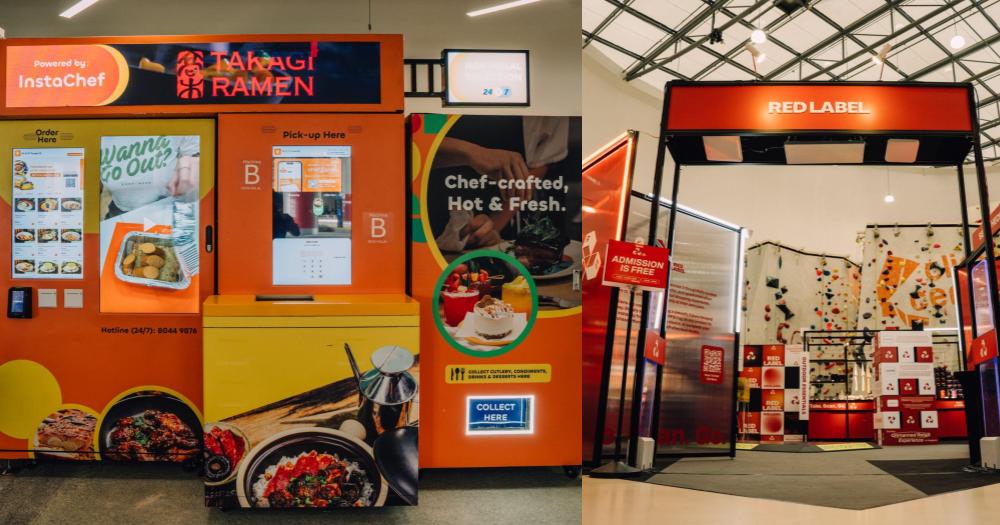
Here’s what Mothership discovered when we tried food from a vending machine by InstaChef, Singapore’s first AI-powered automated kitchen solution, and headed down to Red Label, Singapore’s first unmanned retail experience at Kallang Wave Mall.
Yes, you can get tasty, fresh food from a vending machine
One might be resigned to the idea that food from a vending machine will never taste fresh because it simply consists of reheating pre-cooked frozen dishes, all in the name of convenience.
In such a scenario, you, the consumer, would be forgiven for thinking that a dish from a traditional vending machine is inferior because the taste and texture simply does not match the dish when cooked and prepared at a typical eatery.
That was definitely not the case, however, with the vending machines of InstaChef, located at the Singapore Institute of Technology (SIT) at Punggol.
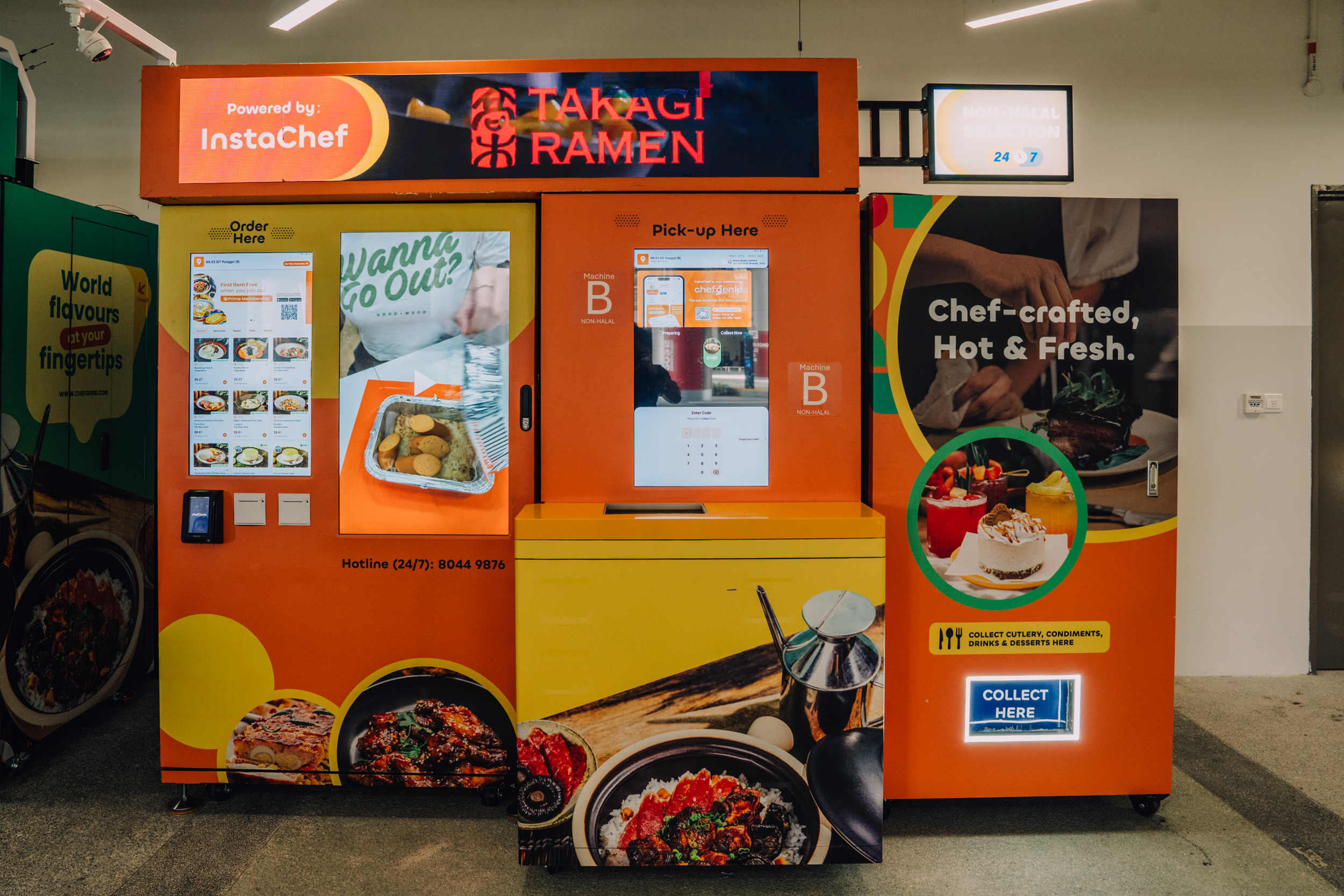 Photo by Mothership.
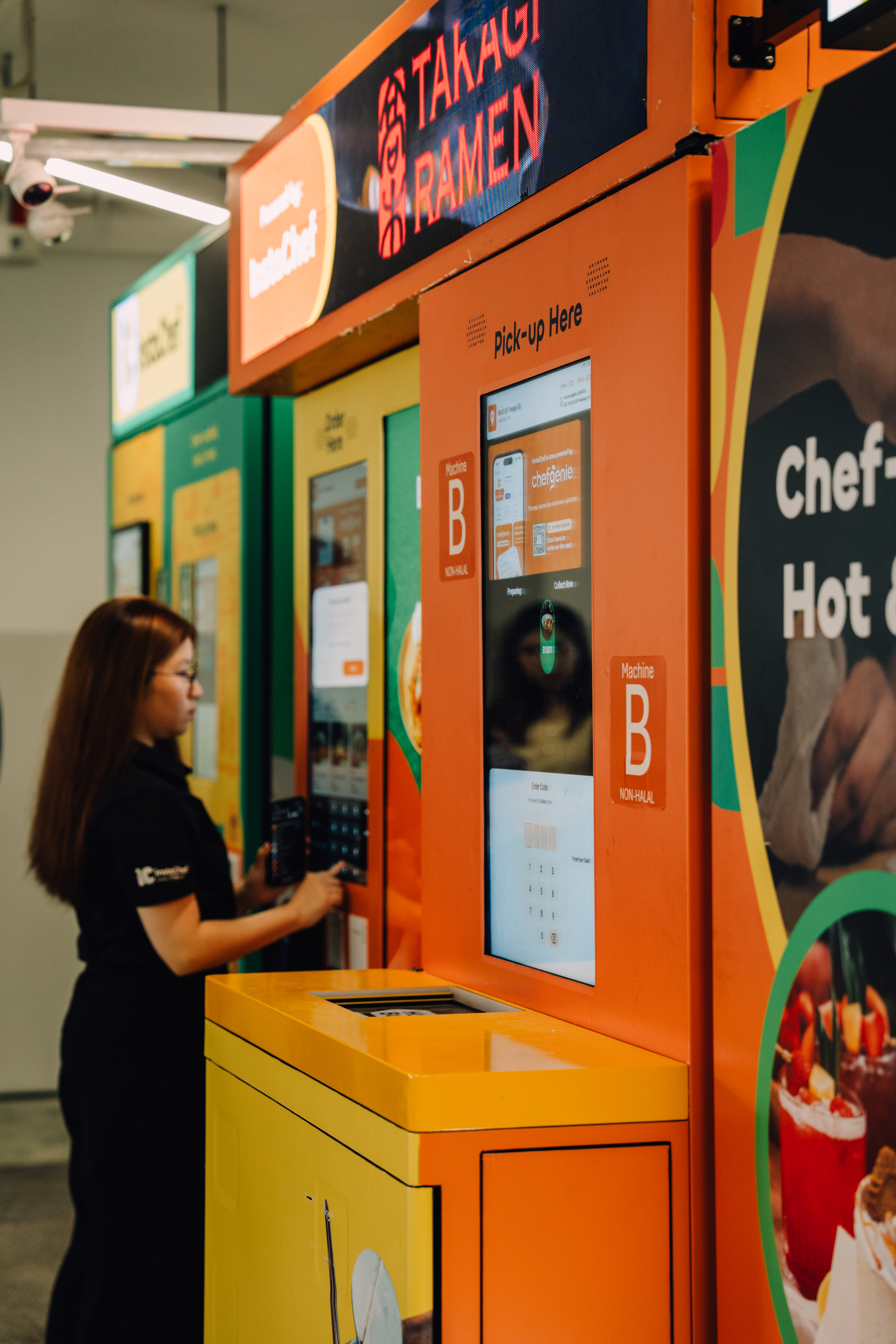 Photo by Mothership.
When I had the chance to try out the meals, I was pleasantly surprised, not just by how hearty the meals were, but by how delicious they tasted.
Like this grilled chicken chop with lemongrass, the signature dish of The Hainan Story.
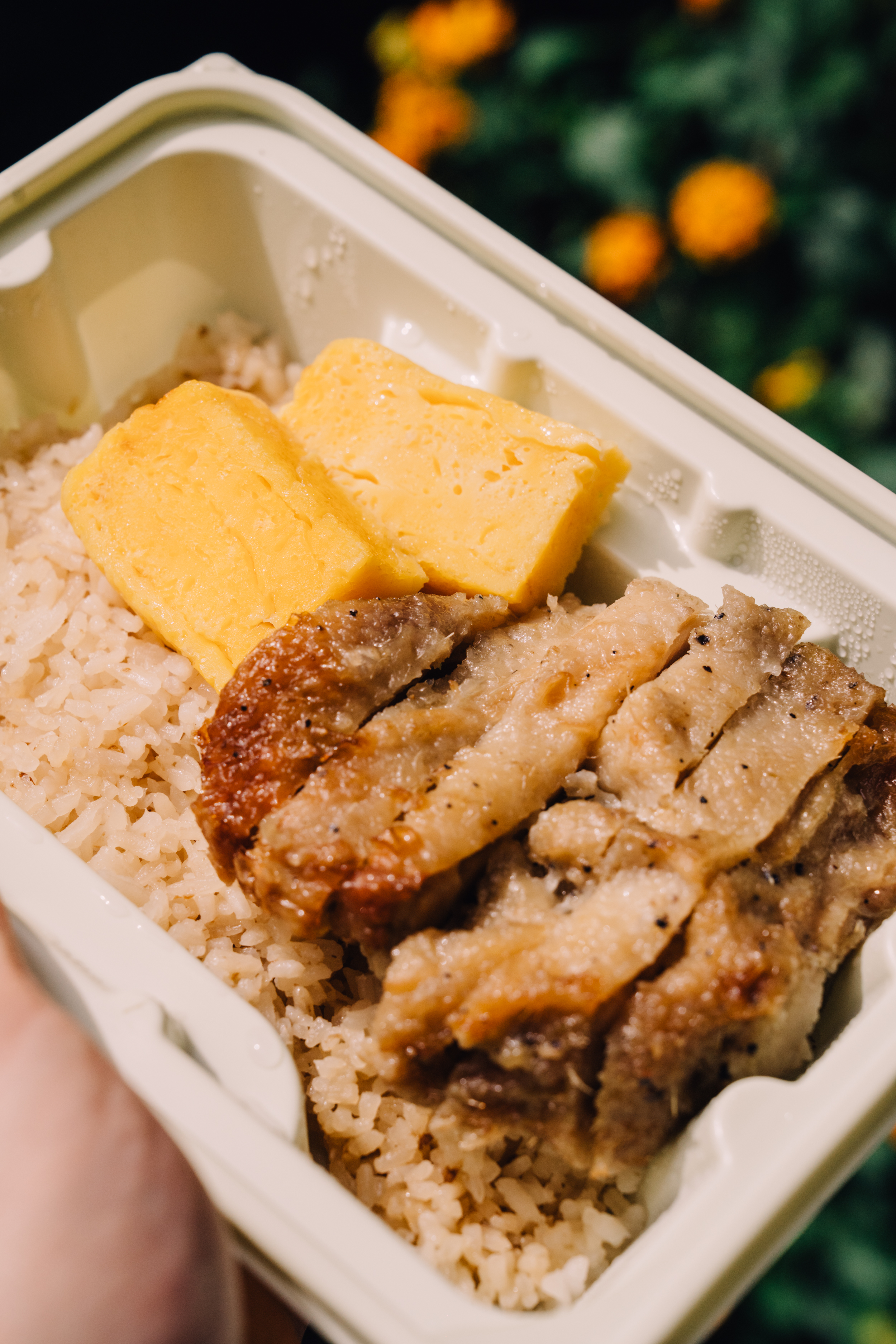 Photo by Mothership.
If you were to tell me that this came out of a vending machine, I would not have believed you – the chicken was juicy and the rice and eggs were fresh. But don’t take my word for it. Try it yourself.
The prices are also surprisingly affordable – most of the dishes were priced at a range from S$4.90 to S$10, with even desserts available for less than S$3.50.
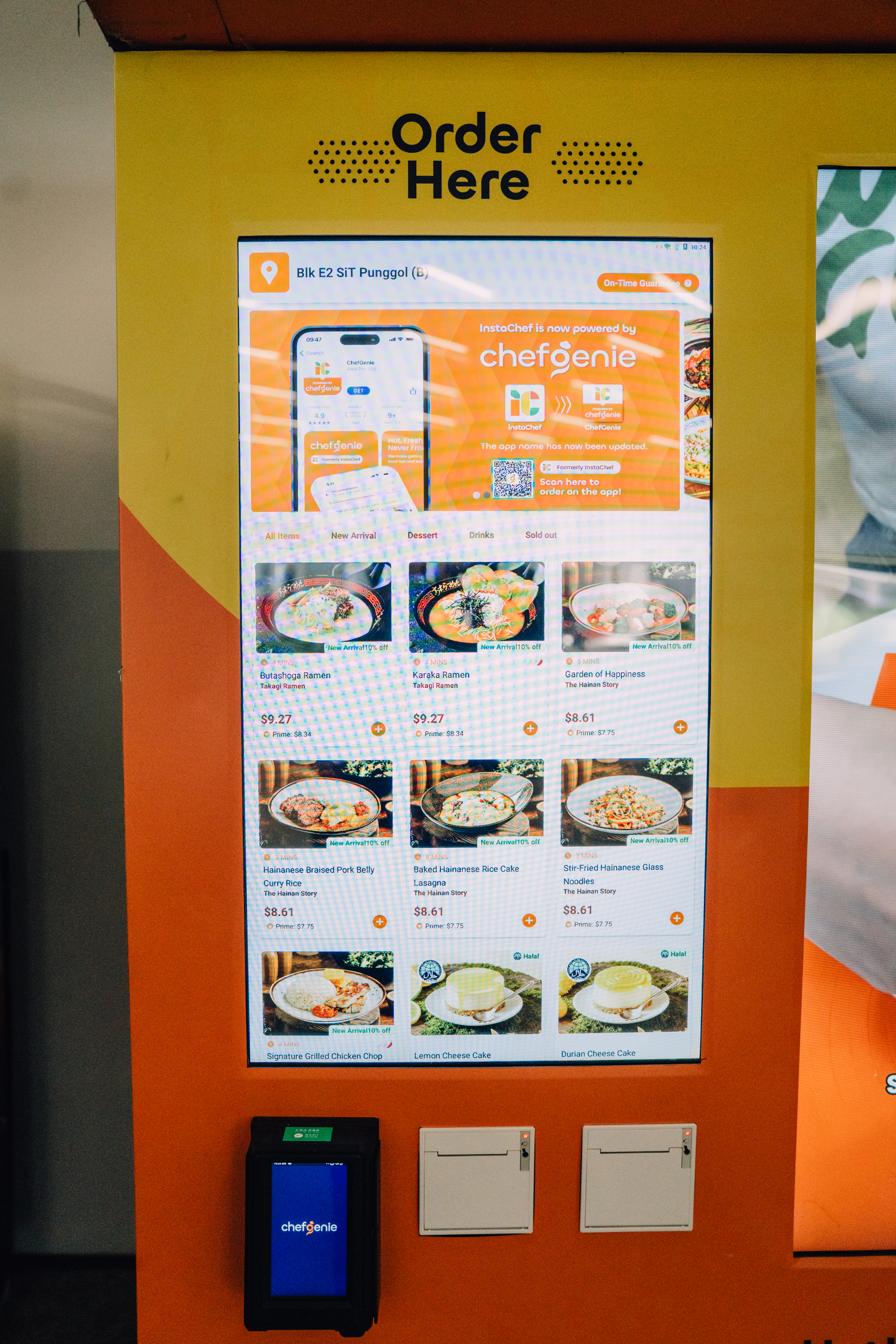 Yes, even ramen is available. Photo by Mothership.
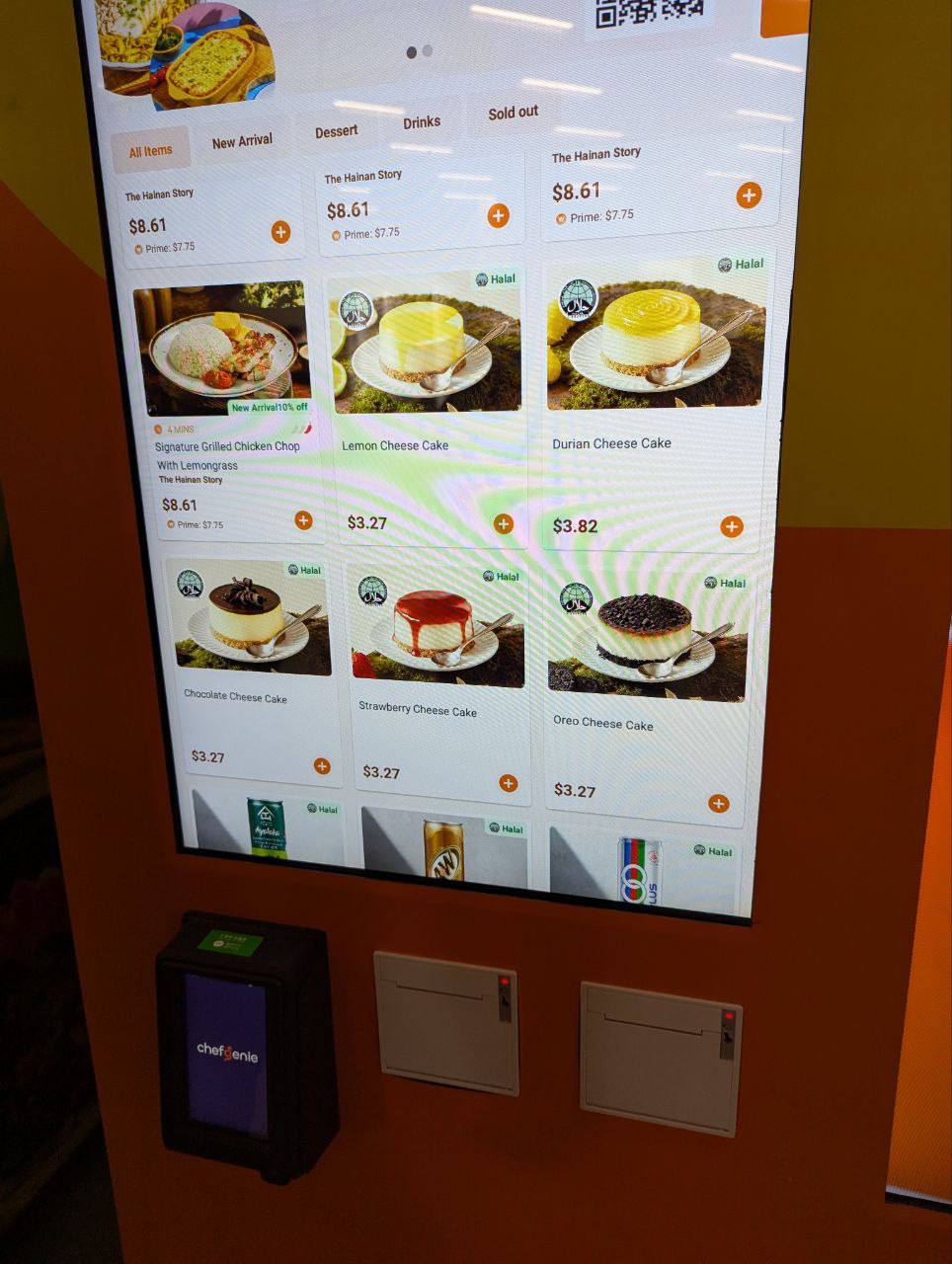 Photo by Mothership.
Customers will be pleased to know these aren’t just simply reheated pre-cooked frozen dishes.
Instead, the dishes are cooked at InstaChef’s SFA-certified central kitchens by actual human staff until they are about “95 per cent” done while keeping in line with food safety standards, InstaChef’s marketing manager Crono Lee assured.
The dishes are then sealed in chilled packs and transferred to the vending machines, as opposed to being frozen. This is so that the food does not turn watery or mushy.
The vending machine then completes the remaining five per cent via induction cooking whenever someone places an order, within 10 minutes.
Such a division of the cooking process helps strike a balance between speed and preserving the moisture, aroma, and authentic flavour profile of each dish in the process.
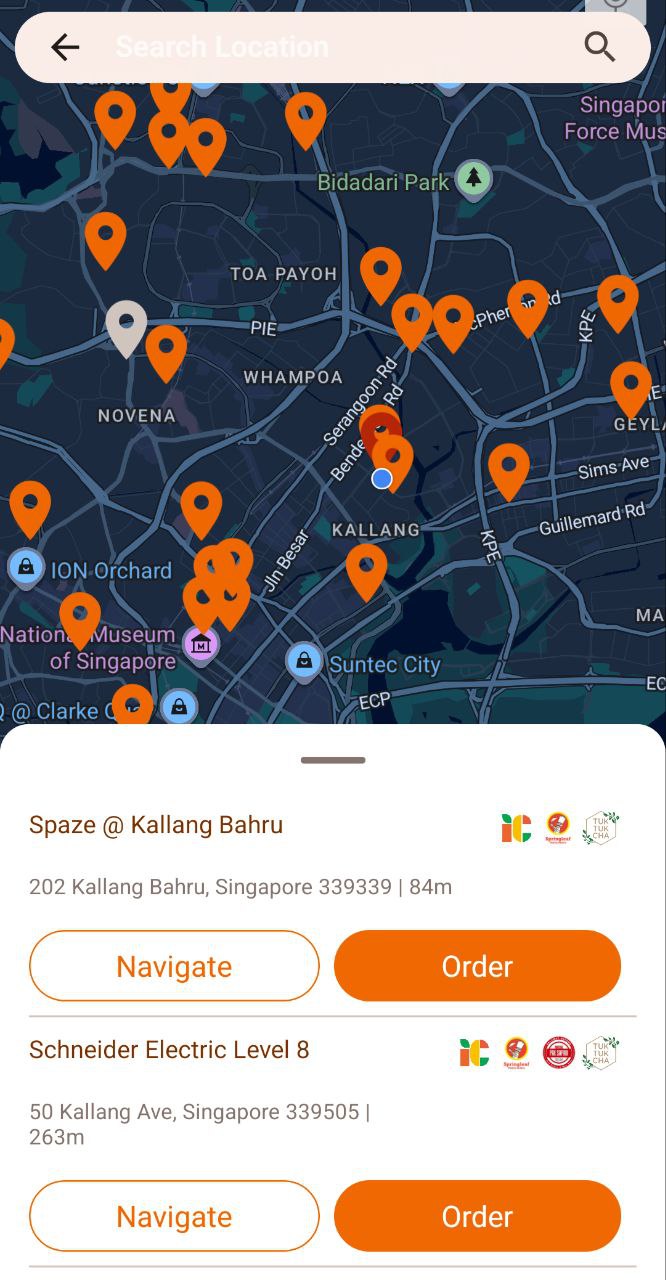
On top of that, the temperature and cooking timing is customised for each dish.Customers can also download an app for the vending machines, under the name of ChefGenie, to place your order ahead of time, so that you can avoid the hassle of waiting for your dish to be completed.
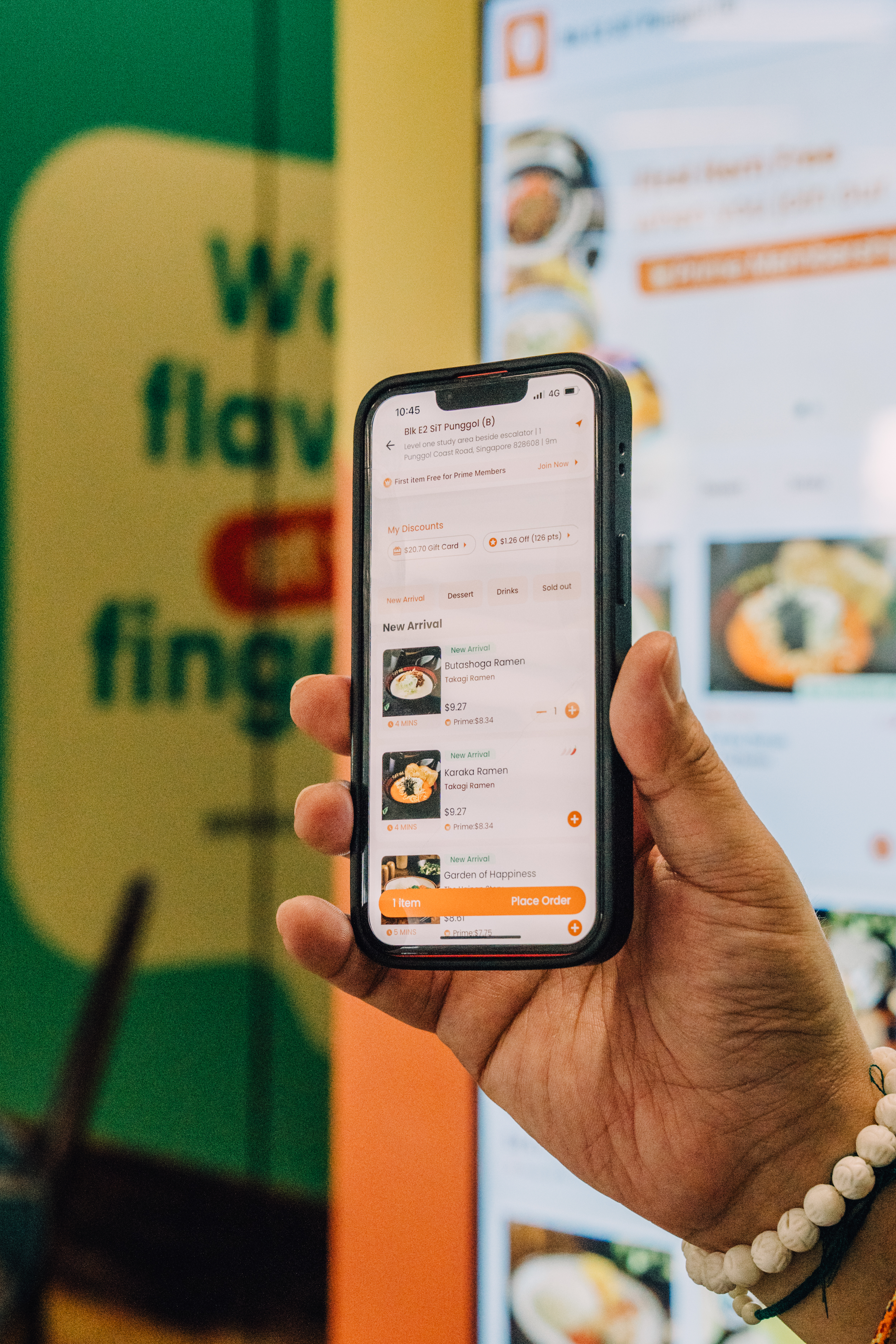 Photo by Mothership. The timing of how long it takes to cook a dish is also provided.
The outcome of close collaboration efforts with other F&B brands
This convenience of quick, delicious and affordable food straight out of a vending machine is all thanks to InstaChef’s close collaboration with F&B brands such as Shihlin, EatPizza and Takagi Ramen, among others.
According to Lee, the research and development process behind making a dish ready for the vending machine can typically take up to a month.
It requires finding out the optimal state that a dish can be cooked in the central kitchen, before being sent off to the vending machines, in a manner that preserves the freshness and taste as much as possible.
In the case of one dish, Instachef’s very own signature claypot chicken rice, the head chef had to go through over 100 iterations of the dish before it could be launched for the vending machine – a sign of just how much effort and dedication it takes to ensure quality does not get compromised.
Tracking demand and food quality and quantity with AI
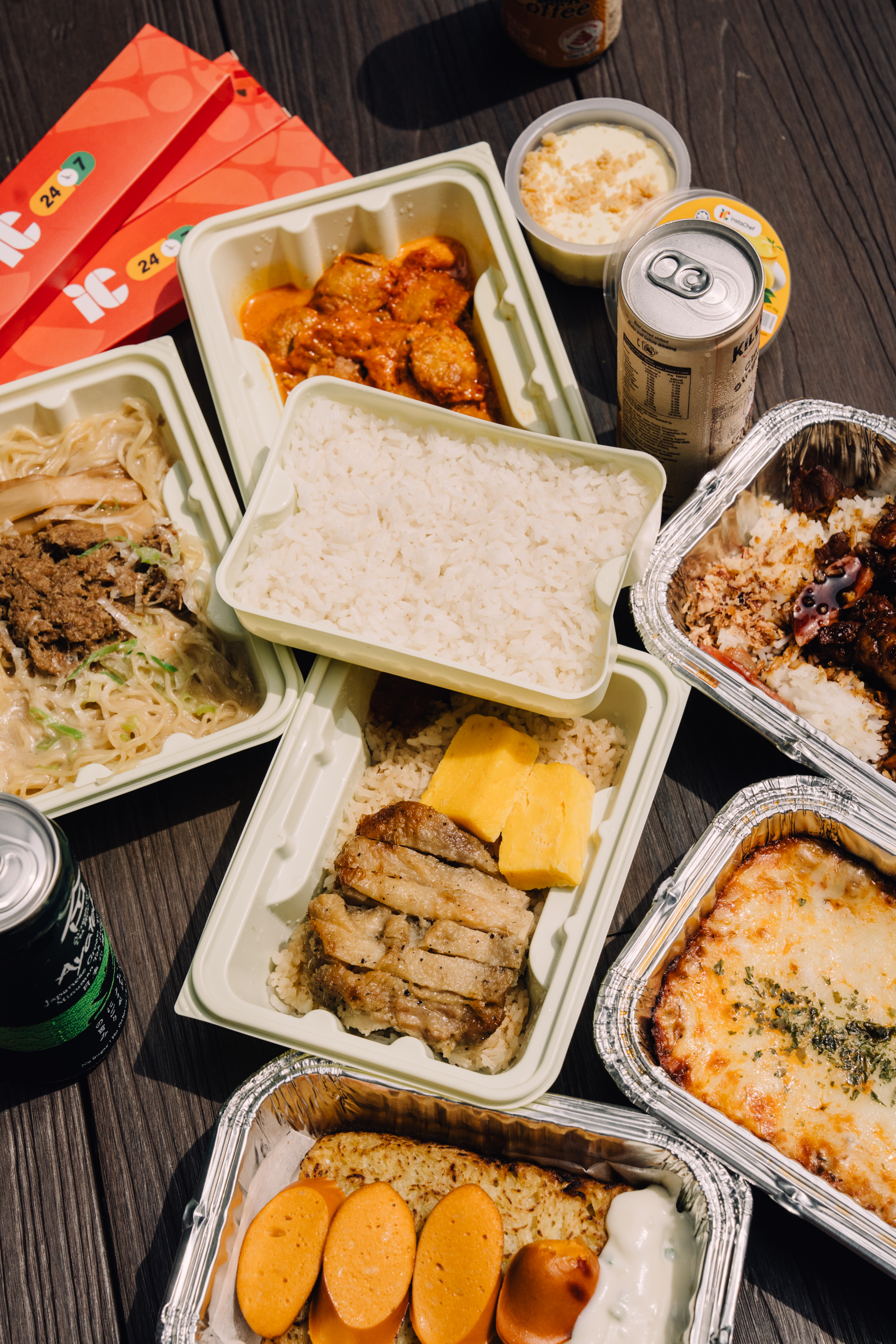 Photo by Mothership.
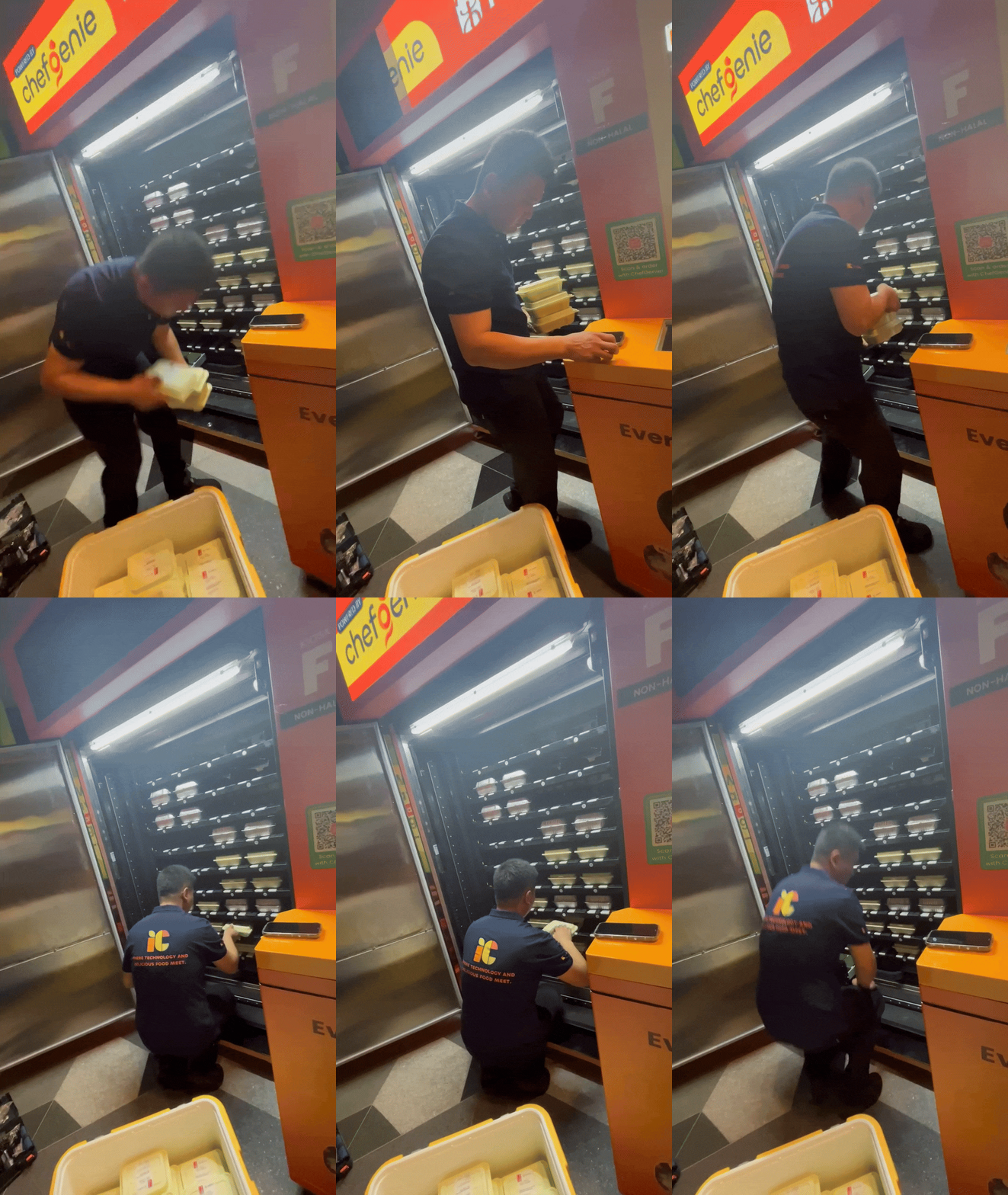
There’s also the fact that InstaChef makes use of AI within its vending machines to help track the demand for dishes, as well as monitor the quality and quantity of the food 24/7.
The data collected therefore not only helps identify the most popular dishes but also signals when it is time for the vending machines to be replenished.
These data insights thus contribute towards regular reviews of the menu and the introduction of new flavours every few months to keep the experience “fresh and engaging”.
“Our goal is to maintain a balance between our top-selling favourites and new creations that surprise returning customers,” Lee said.
GIF of video by InstaChef.
The use of the vending machine also serves as a way for F&B businesses to expand their brand presence and products in new locations with minimal initial investment costs; an alternative to the traditional method of opening a new outlet given that this requires substantial investment in capital and manpower, Lee added.
Suffice to say, if I want to have a quick and tasty meal next time, or even explore new options for my meals, I will definitely be opening up the ChefGenie app to look for the nearest InstaChef vending machine.
 Screenshot via ChefGenie app.
Beating the queues at an unmanned store
Similarly, when I had the opportunity to experience Invade’s Red Label, the first-ever unmanned retail pop-up experience in Singapore, what caught me off guard was just how handily and quickly I could shop.
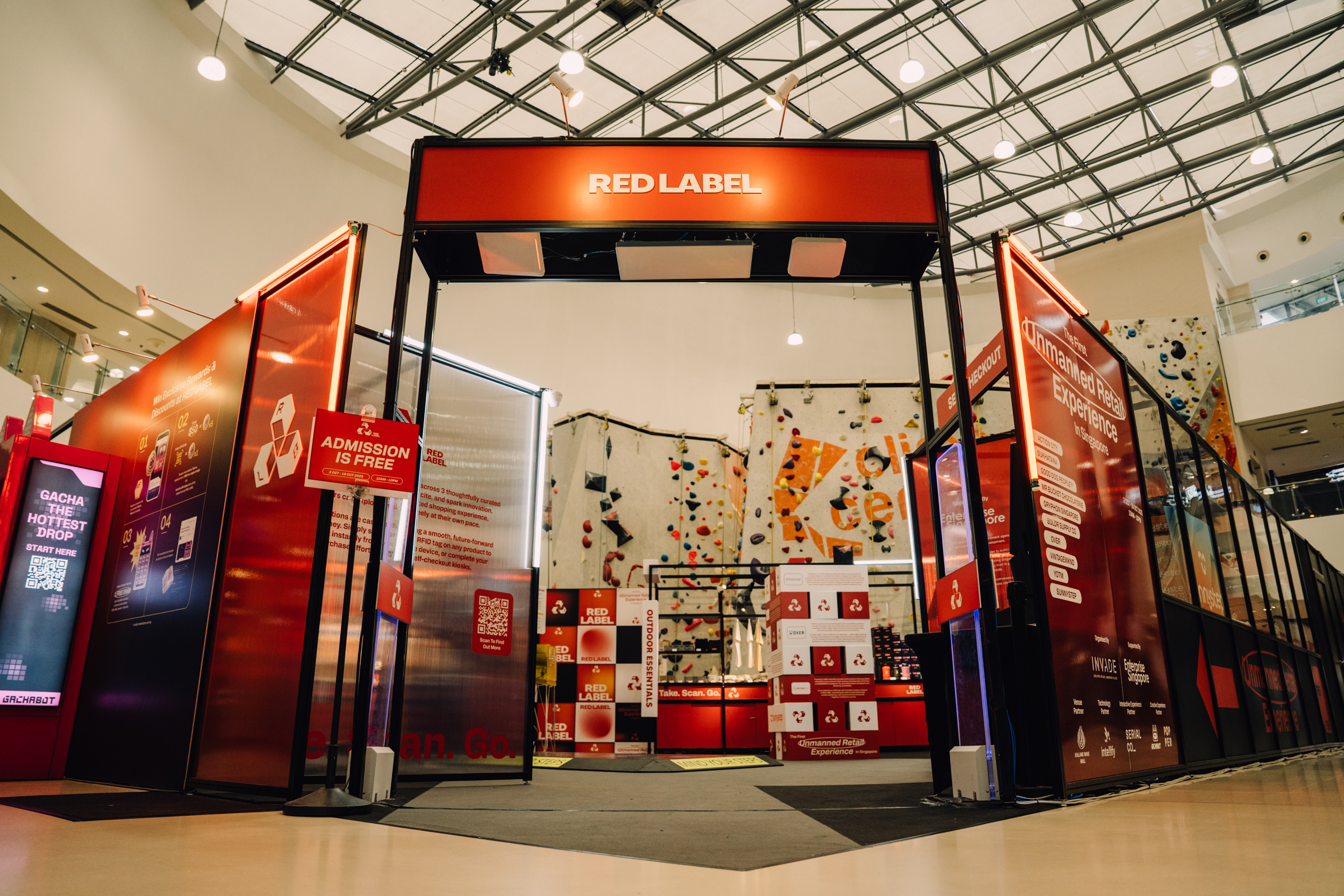 Photo by Mothership.
All I needed to do, upon selecting my item, was to scan the QR code, make payment and walk out.
No queues, no frills, no fuss.
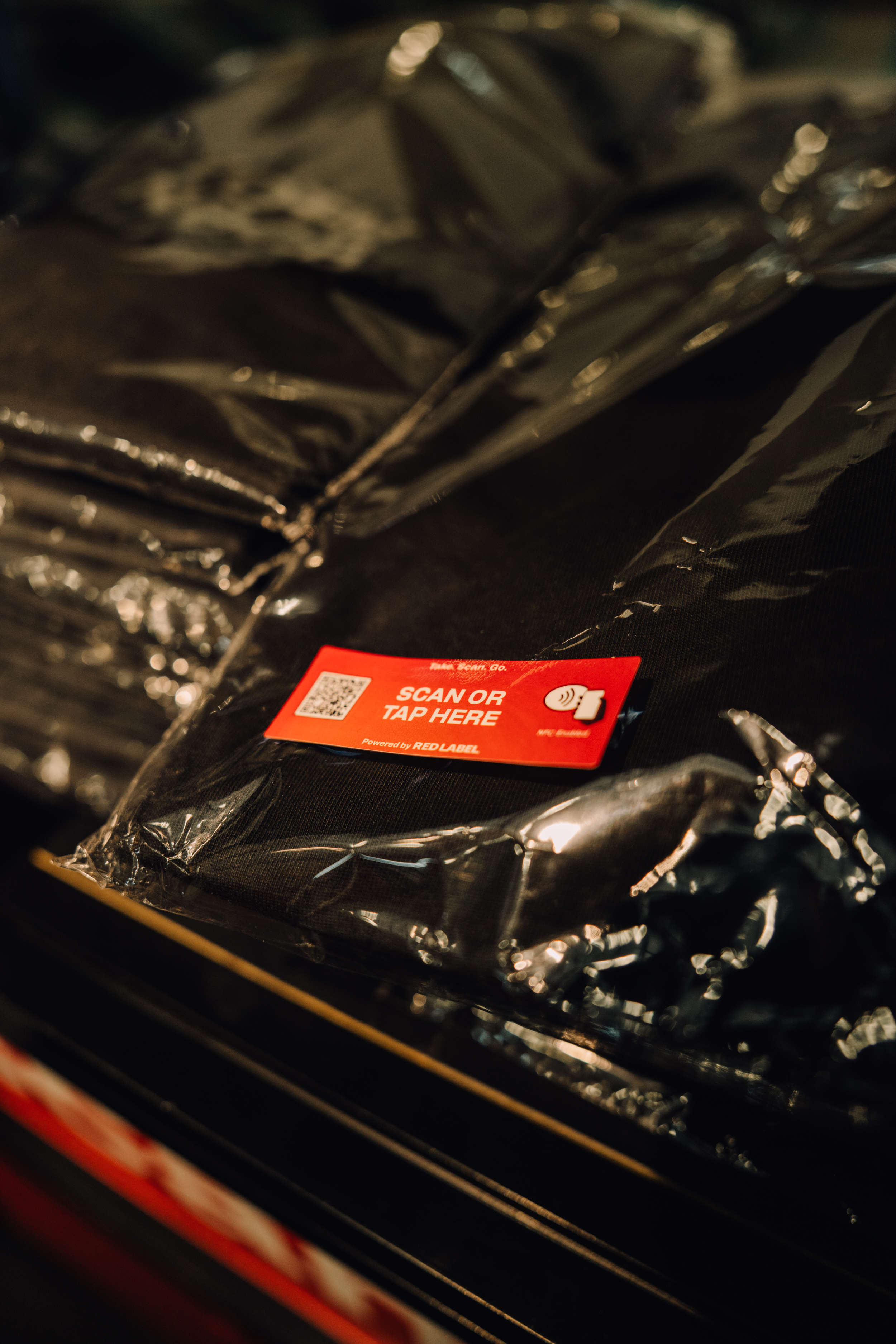 Photo by Mothership.
There were also self-checkout stations, for those who are keen to leave with more items.
Of course, the first thing that came to my mind was security.
However, as Invade shared with me, the Red Label store was equipped with CCTVs and sensors to detect if someone had left with an item but did not pay.
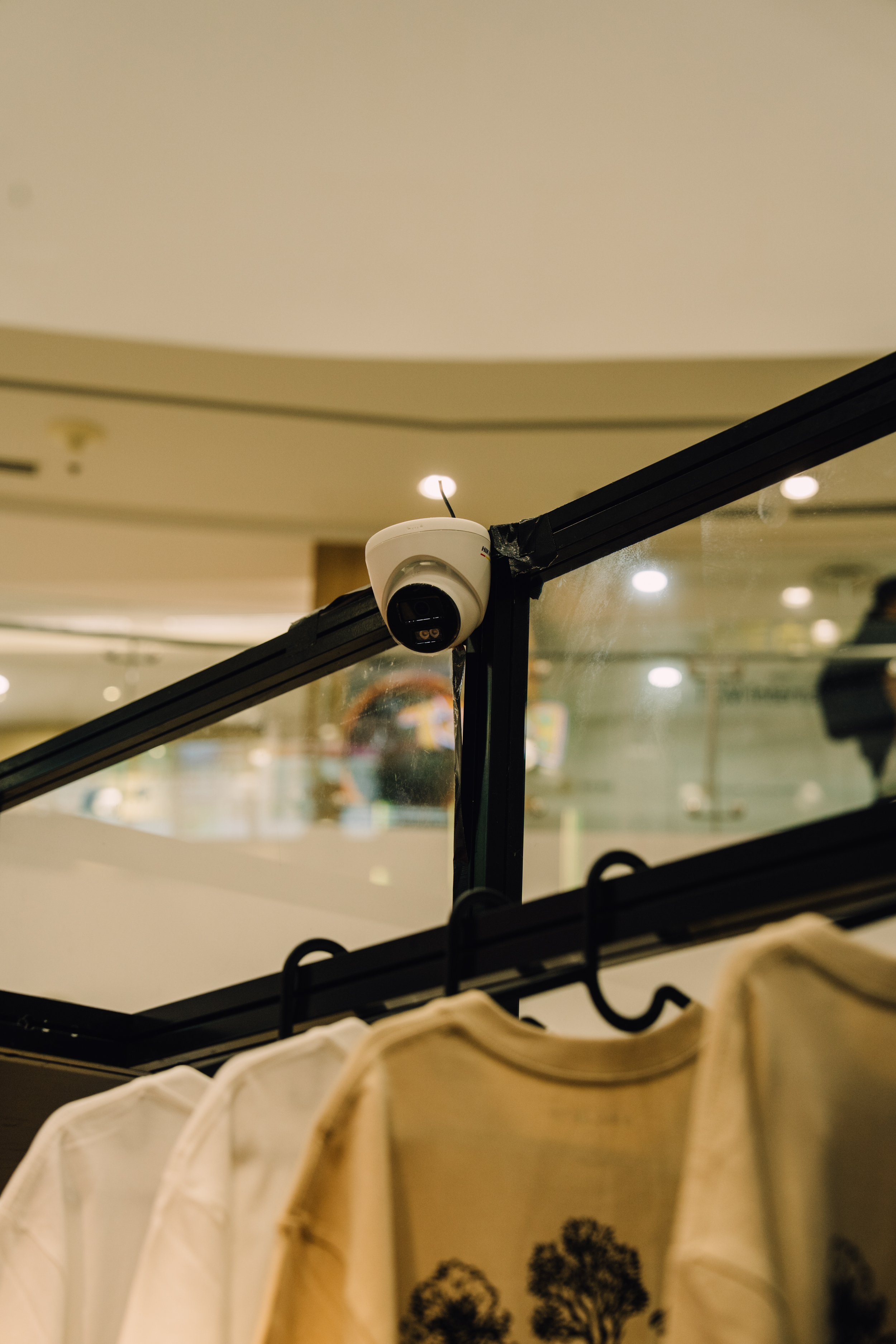 Photo by Mothership.
There was also a wide variety of items on sale, from fashion to sporting accessories to fragrances, tea, stuffed toys and even cat food – all by local brands such as BOLDR, Good Dog People and Gryphon Singapore, among many others.
I was impressed by the offerings that these brands had on sale, which sparked my interest in finding out more about them and their products.
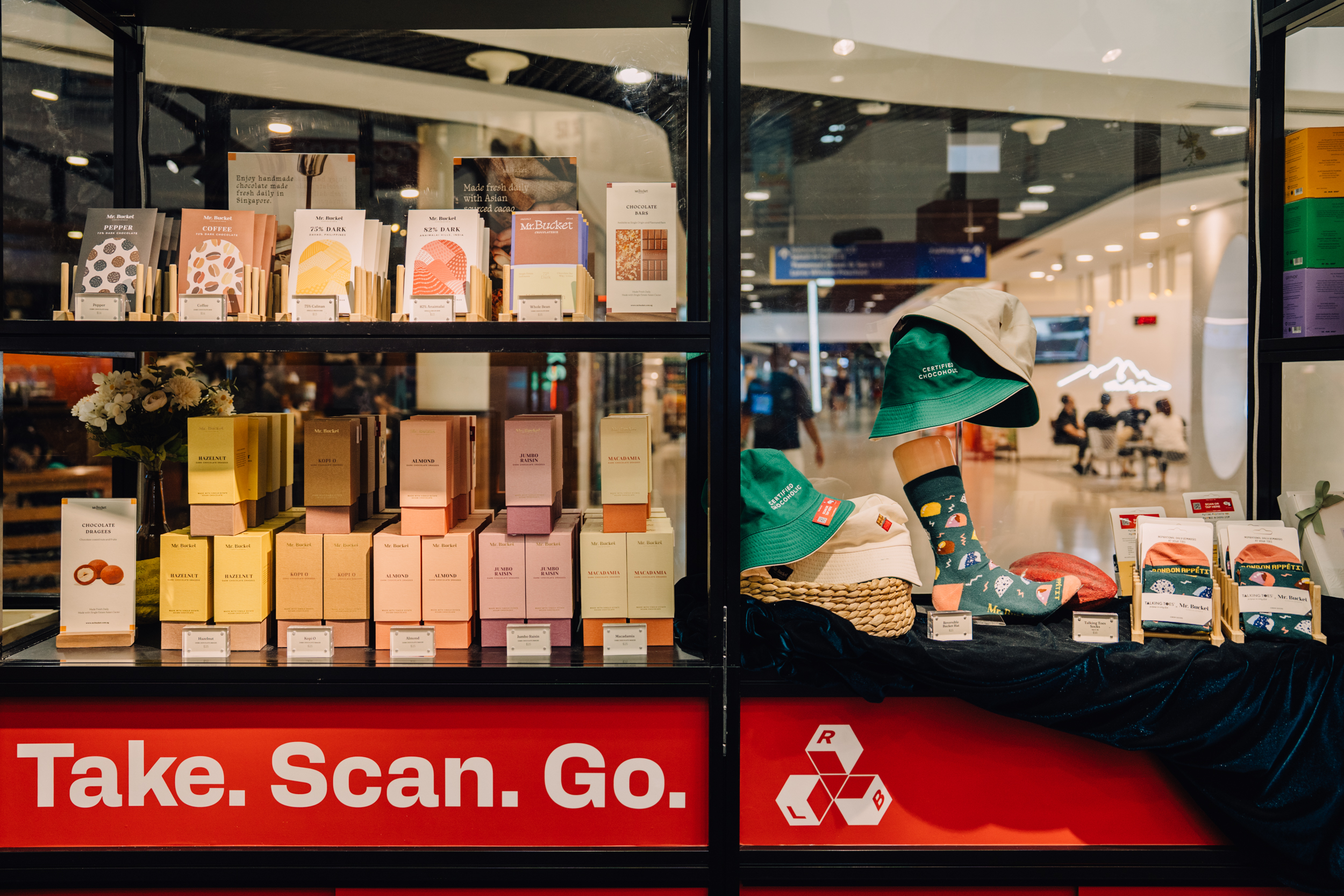 Photo by Mothership.
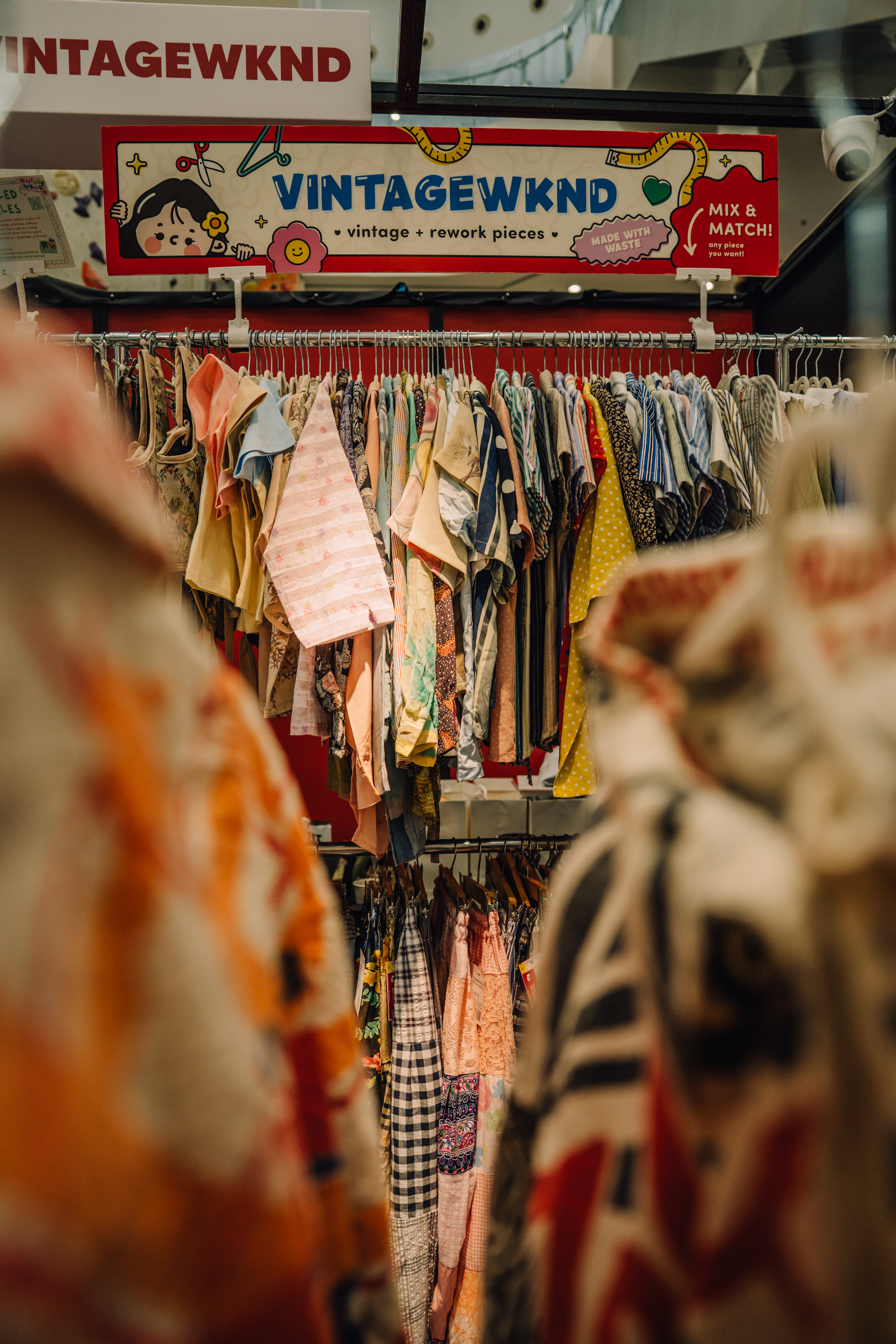 Photo by Mothership.
A multilingual AI assistant
To top it off, right in the centre of the store was an AI assistant, which was actually able to provide directions and recommendations in response to my questions about what to buy.
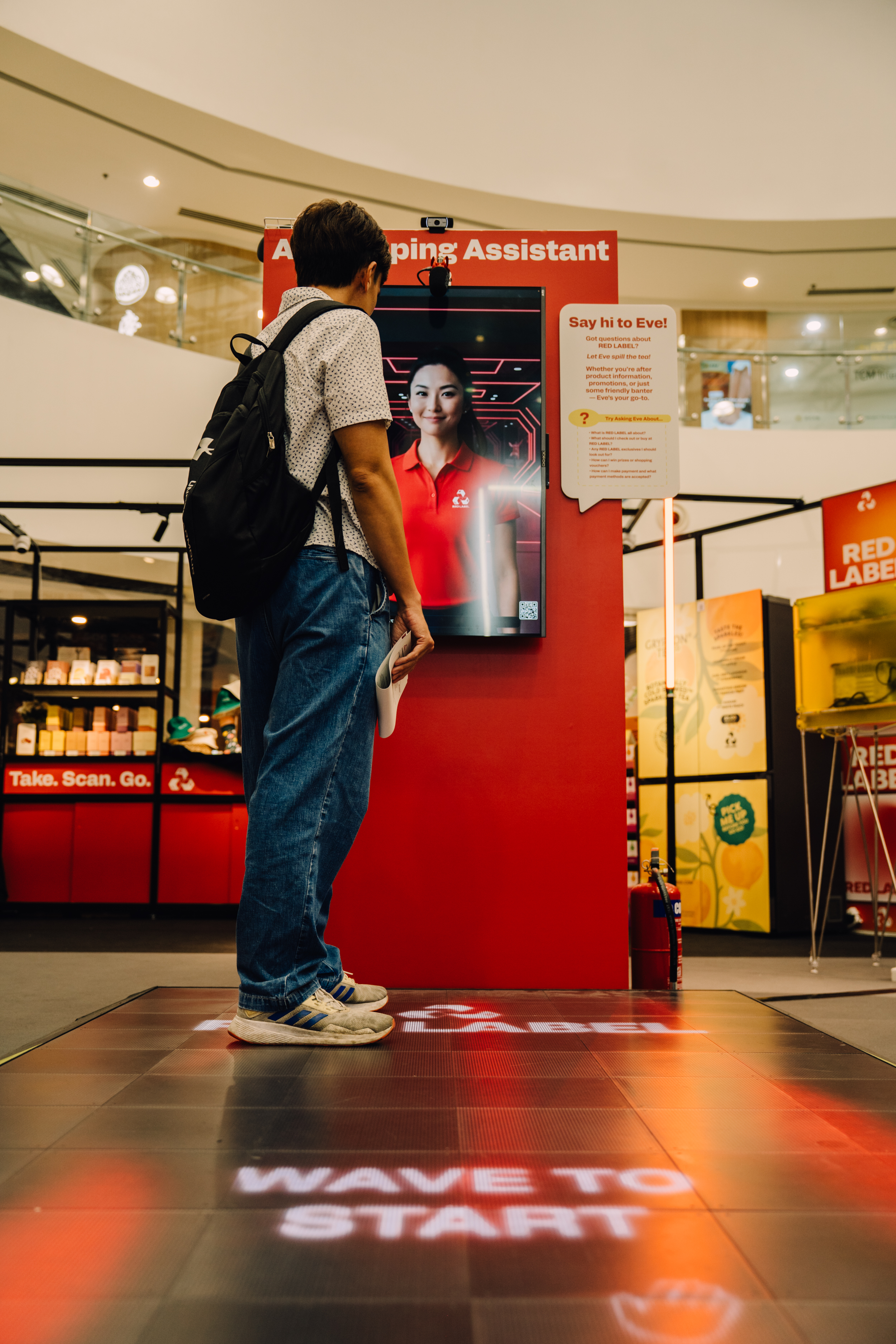 Photo by Mothership.
And to my surprise, it could do so in multiple languages as well, such as Mandarin and Japanese (although its capacity to tell jokes is limited to English).
According to Invade, the AI assistant can actually communicate in over 30 languages, making it accessible to both international and local customers, and can even give directions to a specific product that you want, the nearest MRT stations or provide details about the merchants.
lnvade added, “We wanted to make sure that even in an unmanned setting, shoppers still feel guided and supported.”
For future iterations of the AI assistant, Invade said it is exploring ways to make it smarter, such as giving personalised product recommendations, supporting instant payments, gathering feedback or even tailoring its tone based on each shopper’s interaction.
As a final touch on the experience of the store, customers could also scan a QR code to download a game called gachabot to win prizes, ranging from vouchers to a whole product.
Expanding brand presence with minimal overhead costs
Similar to InstaChef’s vending machines, such a pop-up is a pretty effective way of providing brand visibility with minimal resources, given that no manpower was needed to run the store.
In response to our queries about how the Red Label initiative had supported his brand, Leon Leong, the founder of BOLDR said, “It helps us maintain a physical presence without heavy manpower requirements, allowing us to focus resources on design, storytelling, and customer engagement.”
Such a space has also provided insights into how customers discover and interact with their products in a “tech-driven space”, he said.
He was echoed by Terry Peh, the CEO and founder of Good Dog People, an online pet store, who said the Red Label pop-up has given his brand a “low risk and low cost way” to test out physical retail.
“We’ve been able to collect data, reach new customers, and see how shoppers interact with different products on screen and off screen without adding significant operational overhead,” he added.
In the meantime, Invade shared that it plans to continue expanding on pop-up initiatives like Red Label and support local brands and creators through such activations.
The aim of such pop-ups, Invade added, is to help local brands achieve even greater visibility with shared resources while riding the wave of major events such as F1, concerts or festive celebrations.
The future of F&B and retail is here
Both of these experiences left me convinced that I was looking at the future of retail and F&B.
And I think it’s a great business opportunity to boot.
If a store can expand its presence without having to worry about making any major capital investments, perhaps it could even help small local brands scale up their presence in Singapore.
And given that both of these initiatives also have the support of Enterprise Singapore, it looks like these too, in time, will be part of the norm of eating and shopping.
This article made the author want to check out more food vending machines for lunch
Top photos by Mothership