



News

Less than 1/3 of bus captains are S'poreans, recruitment & retainment biggest challenge to expanding bus service network
Apart from raising salaries, the government is also looking at alternative work arrangements to help recruit and retain bus drivers.
October 12, 2025, 02:42 PM


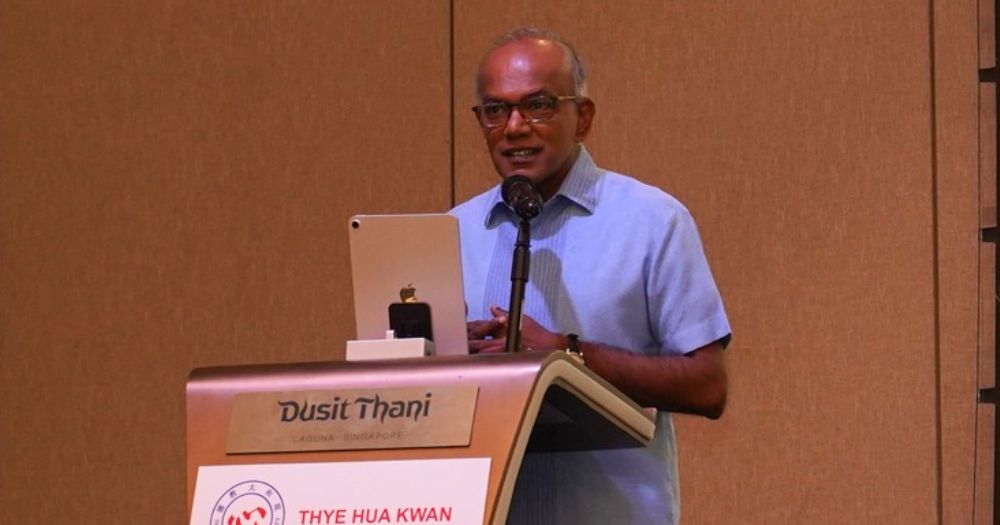
Less than one-third of Singapore's bus captain population are Singaporean, Transport Minister Jeffrey Siow shared to the media on Oct. 12 when explaining the challenges posed to expanding bus service network in Singapore.
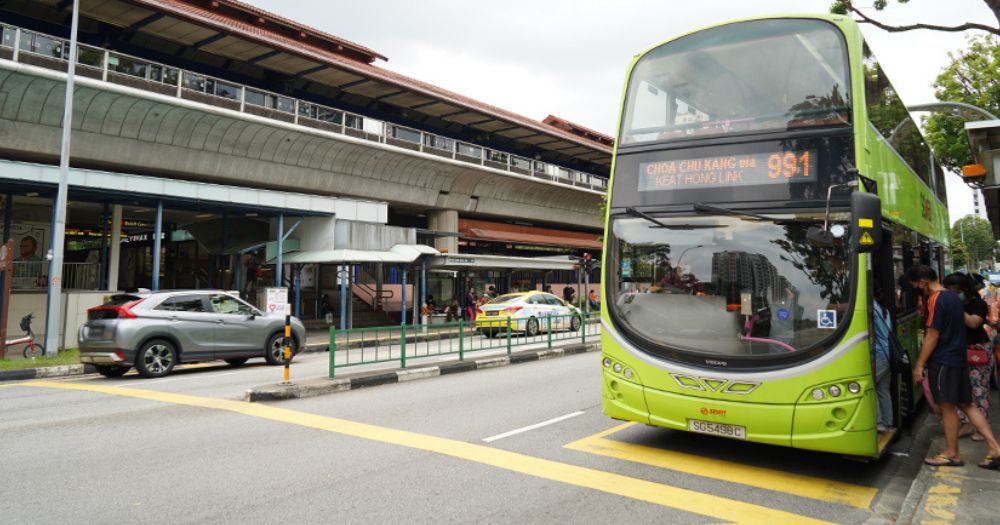
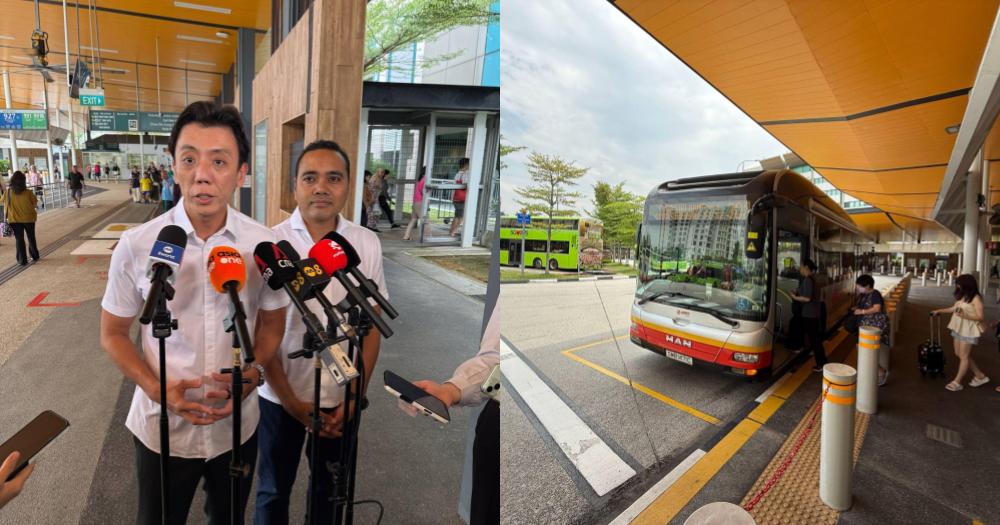
Speaking at a media doorstop at Choa Chu Kang Bus Interchange, Siow said that the government is looking at ways to increase this proportion as well as to recruit and retain more bus captains.
While raising the salaries of bus drivers is one option, that has to be done in tandem with the operating costs of the network, as the costs of funding these salaries come from either the taxpayers or raising the fares, he said.
"You have to make sure that we are able to do this in a sustainable fashion," he added.
In addition, the government will have to do more to recruit younger bus driver to address the issue of aging bus drivers.
Recruiting and retaining bus drivers is the biggest challenge facing bus connectivity improvement
Siow's comments were part of his broader remarks on how his priority as Transport Minister is to improve public transport journey times and a key aspect of that is to improve bus journey times, particularly for HDB residents who stay further away from the city.
He said he had received a lot of requests for new bus services.
Such an endeavour is "resource-intensive" however, he highlighted.
"You have to buy the buses. You have to build a parking space, like the depot and the bus interchange space," he noted.
The most important aspect however, is recruiting and retaining bus captains.
"In fact, it is the last part that is the most difficult, because the job of a bus captain is very tough, and many Singaporeans don't really want to do the job," he added.
The training of new bus drivers also takes time and therefore, the implementation of new bus services can be "a bit long", he explained.
Looking at alternative work arrangements to make the job more attractive
In the meantime, apart from raising salaries sustainably, other ways of addressing this challenge include making the job more attractive, such as by including more alternative work arrangements, shift work and greater options for people with different work preferences, Siow said.
This includes options for those who want to work part-time or are mothers staying at home.
When asked if he had a set target for an "ideal proportion" of local drivers, he replied that he did not have one.
Siow said:
"I think we are trying our best to recruit as many local drivers as we can. As I said, we have to manage that relative to the operating costs of the bus network, and want to not be suddenly raising those costs so that it becomes unsustainable. So we'll just keep working at it and try to grow the population over time."
Despite the challenges, Siow added that the government has made "good progress", however, under the Bus Connectivity Enhance Programme (BCEP), with 14 new bus services introduced and 52 more enhanced with additional buses, he said.
Since its launch in July 2024, the BCEP has benefitted nearly 200,000 commuters daily with more travel options and shorter journeys.
Top photos by Gawain Pek