Environment
Growing greens & growing minds: Here's how 2 ground-up environmental projects are bringing people together
A community effort in sustainability.
Ever thought about starting your own sustainability initiative, from the ground up?
Perhaps a project to collect and upcycle preloved clothes or set up a food rescue programme in your neighbourhood?
There’s a fund in Singapore that can help you do exactly that.
Since 2020, the SG Eco Fund has been catalysing ground-up environmental initiatives that advance environmental sustainability and bring communities together.
From growing food for neighbours to nurturing young nature lovers, here are two community projects that are creating a more sustainable Singapore with support from the fund.
Empty plot of land turned into a flourishing Giving Garden
This flourishing garden in Boon Lay has benefited many residents with the vegetables it grows.
The Giving Garden, located within Boon Lay Zone D, used to be an empty plot of land in 2023.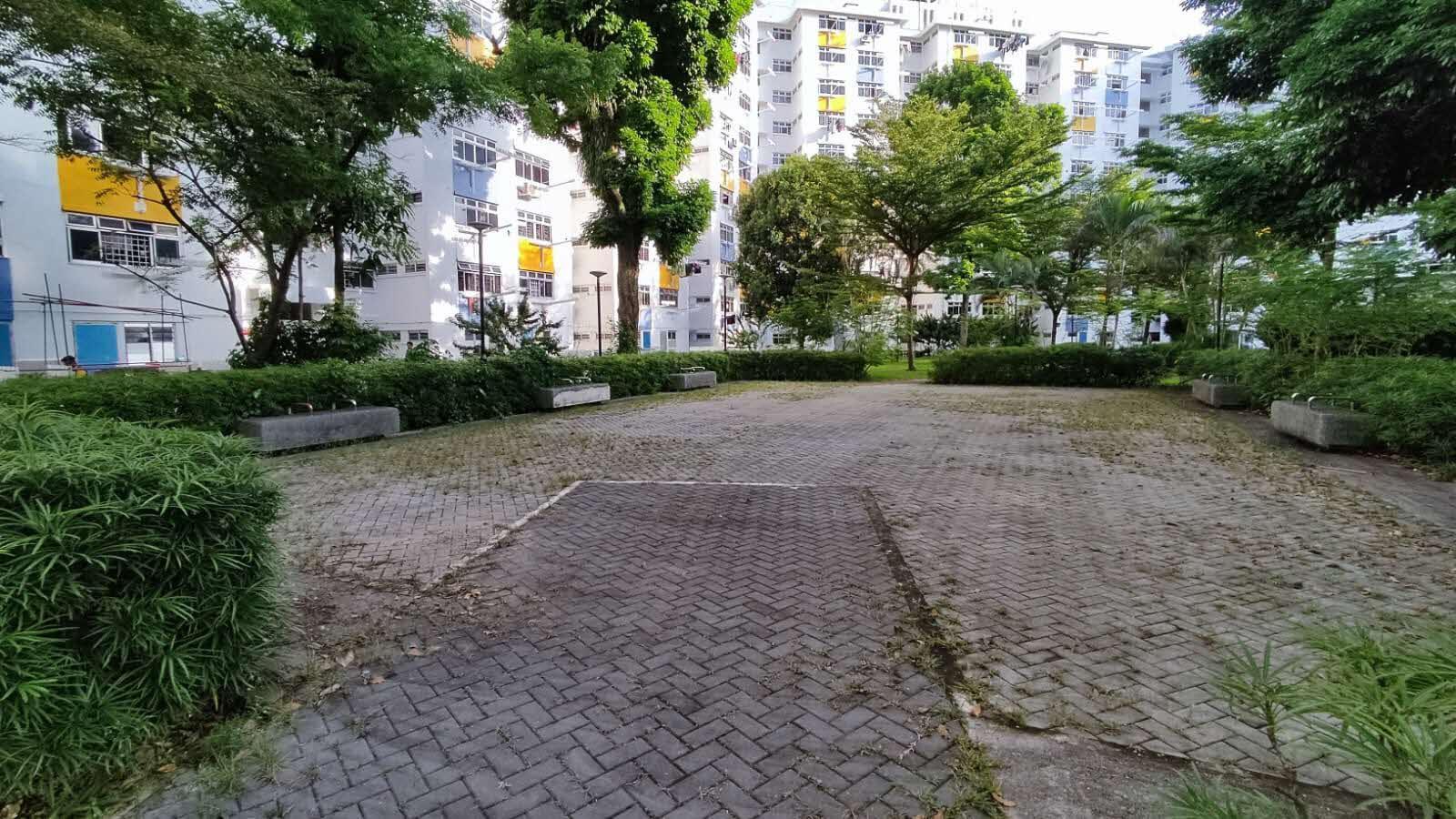
However, Johny Tan, chairman for Boon Lay Zone D Residents’ Network, looked at that unused space and saw potential.
“Why not use the empty space to do something more meaningful that can benefit the residents?” he thought.
After successfully applying for the SG Eco Fund, Tan was able to transform the land into a garden that provides fresh greens to residents in the area.
Fresh vegetables for residents in need
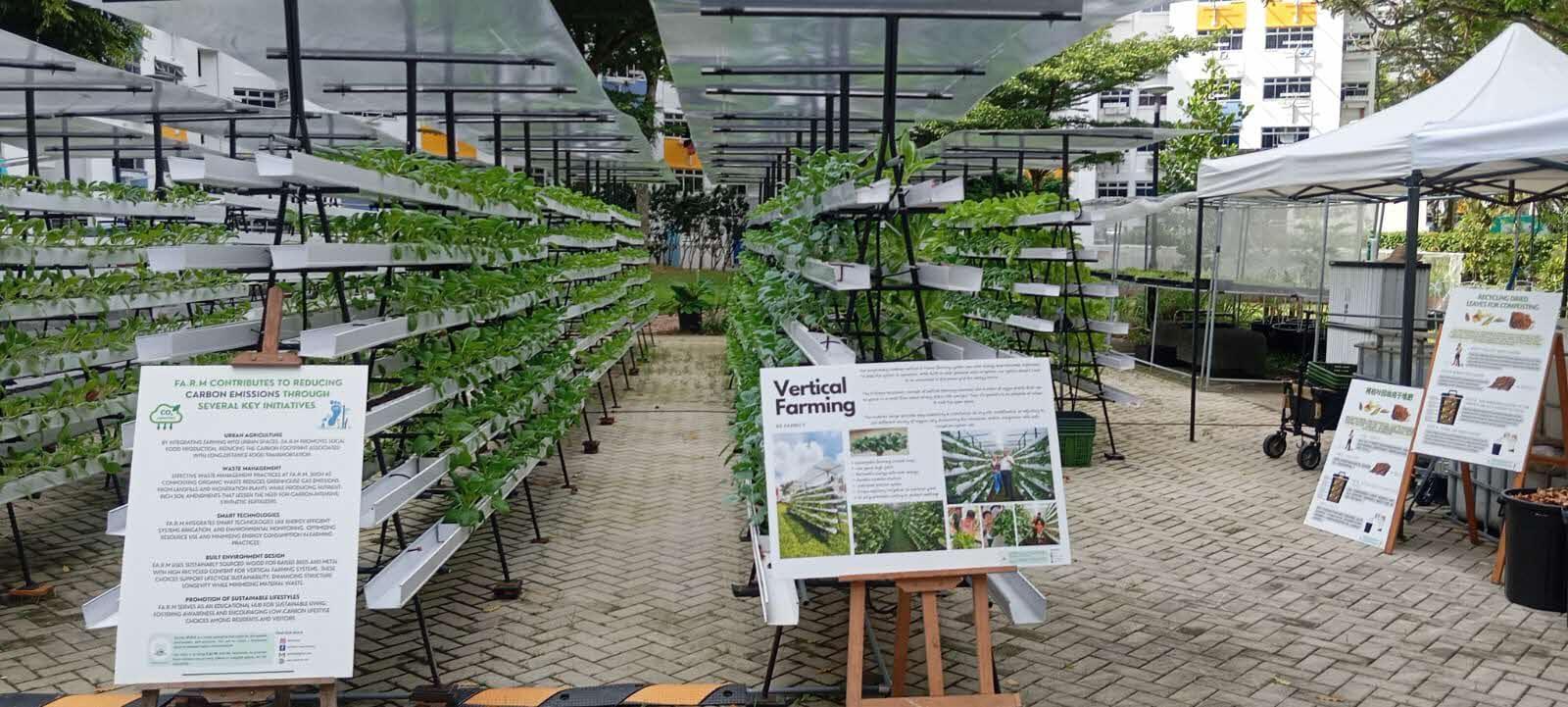
The 220 square metre plot of land features 50 raised beds and 14 vertical A-frames, where edibles like xiao bai cai, nai bai, cai xin and various herbs are grown.
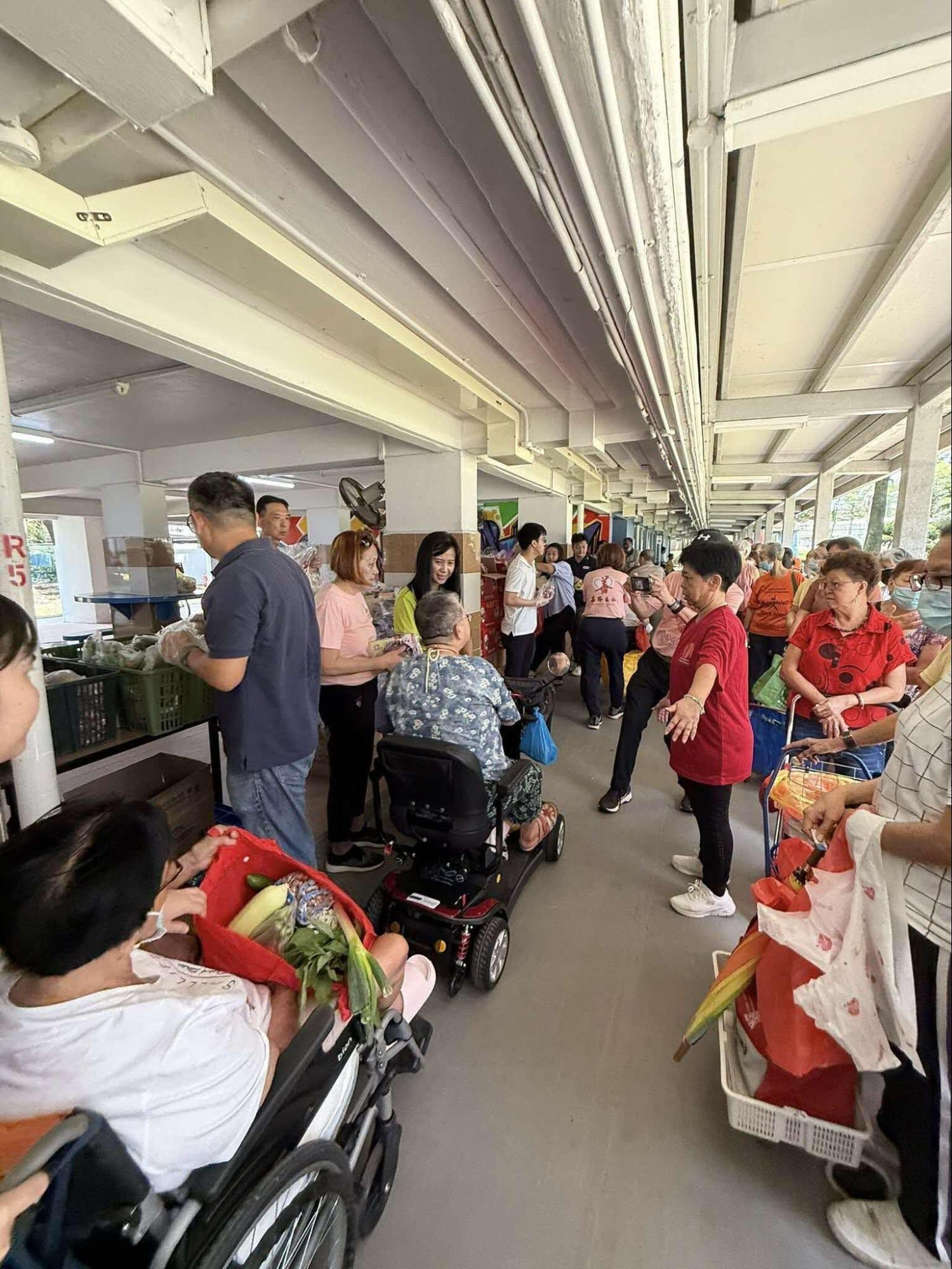
Every month, 50kg to 70kg of vegetables are harvested and distributed at the void deck to residents in need.
Tan revealed that the flats in the surrounding area are rental flats, and its occupants are mostly seniors and young families from low-income households.
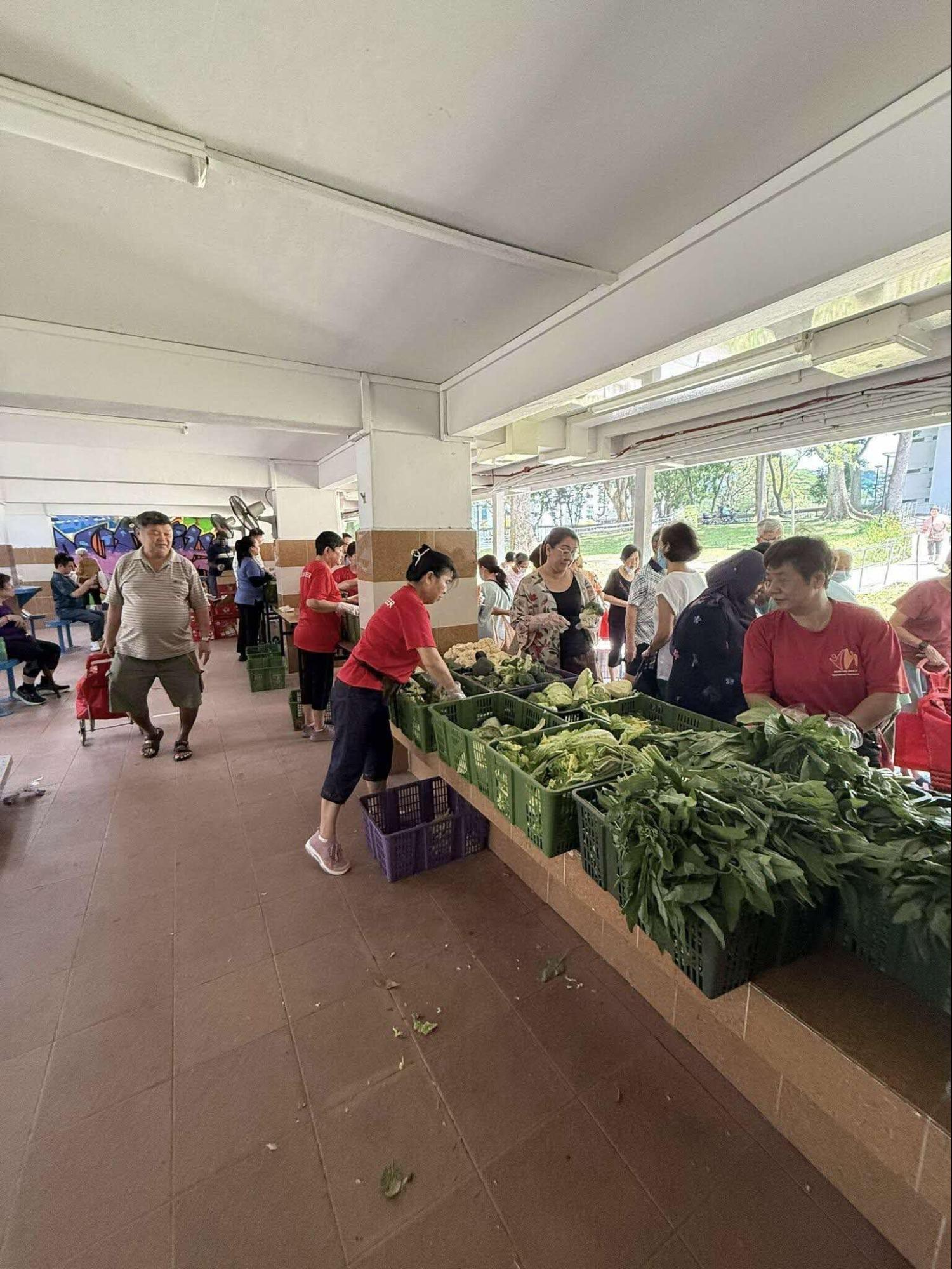
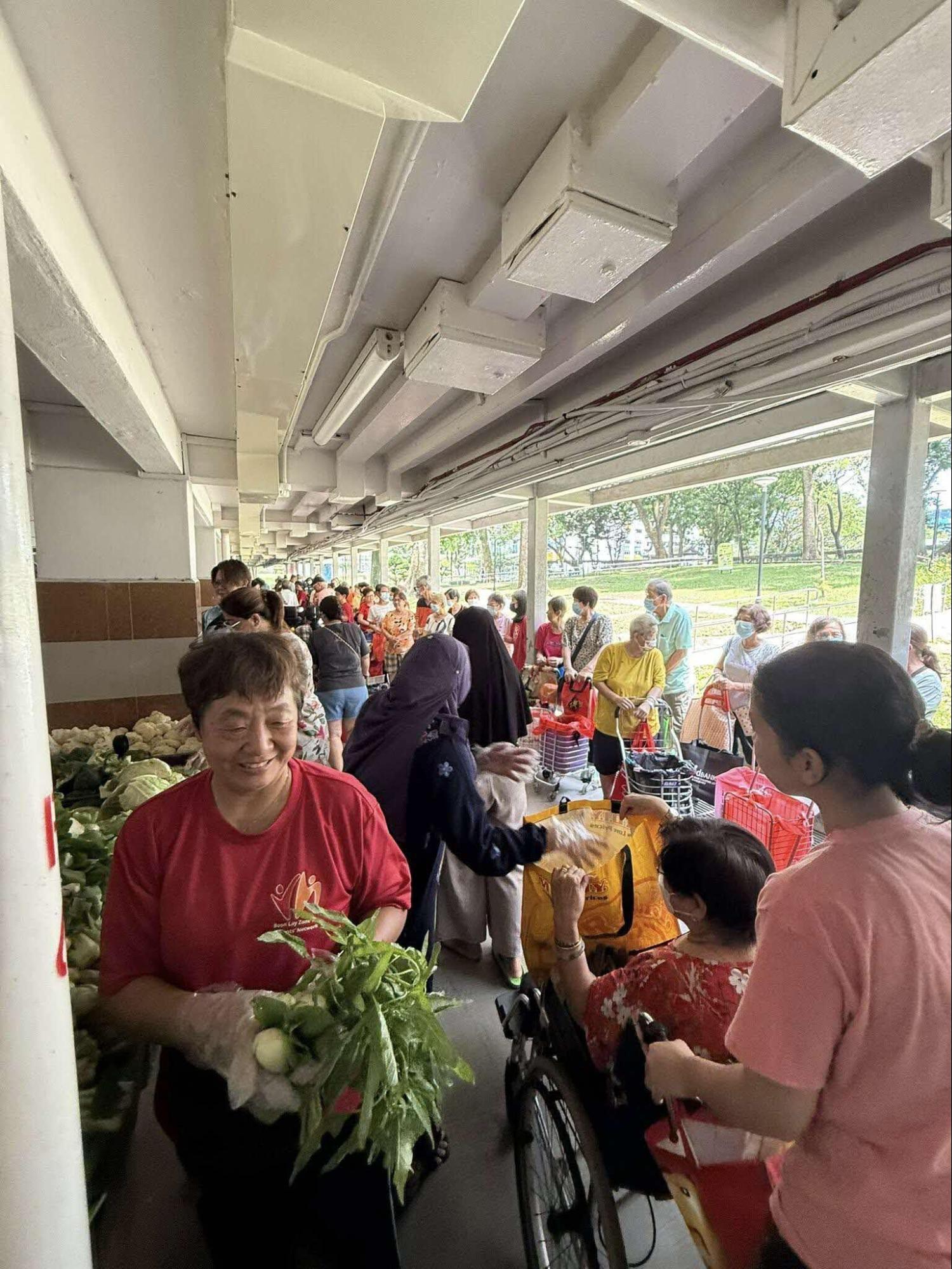
Each distribution benefits an average of 150 residents with 10 to 15 resident volunteers helping with the harvesting, packing and distribution of the vegetables.
Innovation in urban farming
The garden features a self-sustaining irrigation system that waters plants automatically every four to five hours.
Instead of spraying water like other irrigation systems, the one at Giving Garden uses a wicking method, where water is drawn up from the source through capillary action via ropes or cloth.
This is more efficient and reduces water waste.
Since the garden requires minimal maintenance, there are other ways the community contributes to its growth.
Residents are encouraged to dump their food waste into a compost bin, which is combined with surplus vegetables donated from the nearby NTUC FairPrice supermarket to create fertiliser for the garden.
Not only does it reduce food waste, it also encourages residents to be more mindful of their consumption and disposal habits.
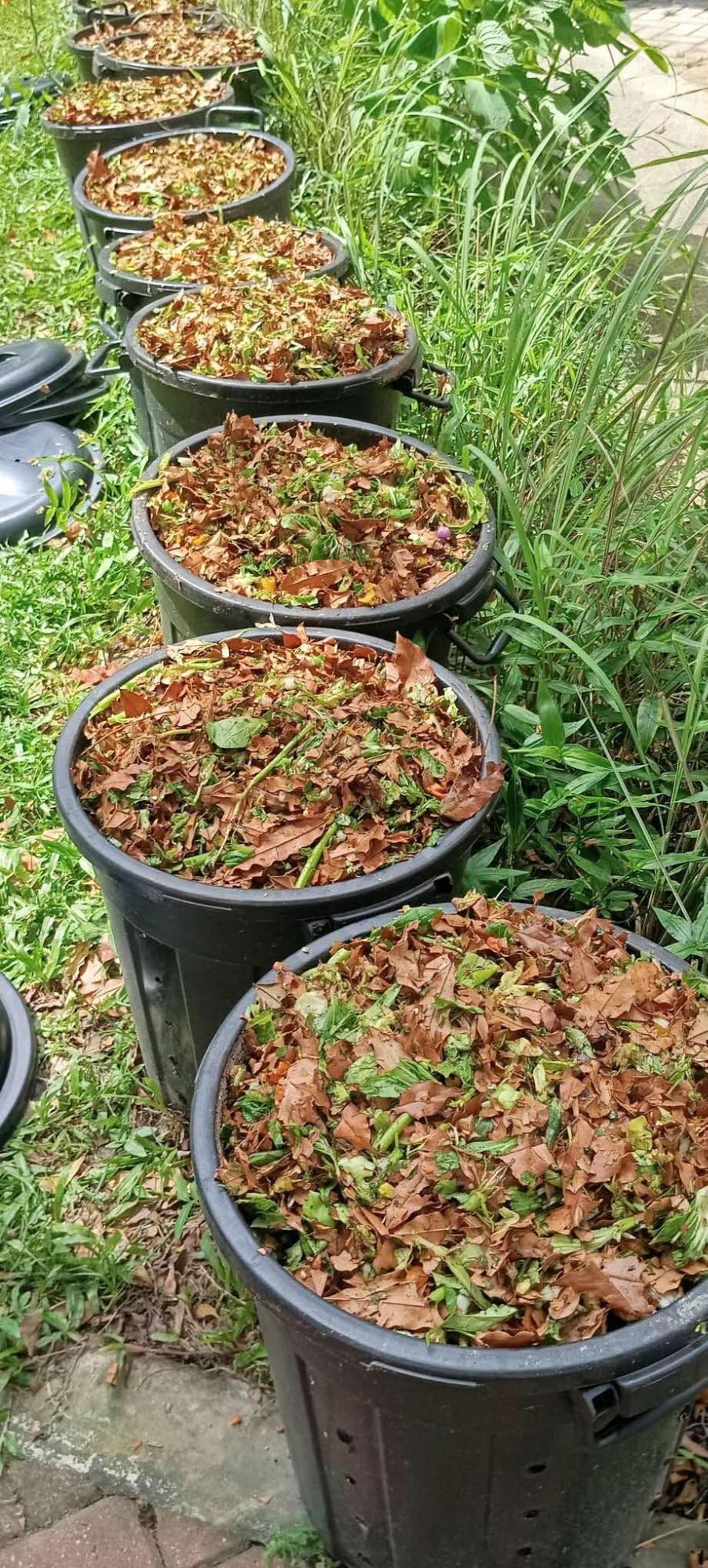
The Giving Garden has become not only a community space where residents can grow and share vegetables while connecting with neighbours, but also an educational hub to raise awareness on food resilience and sustainable practices like composting.
Educating the next generation
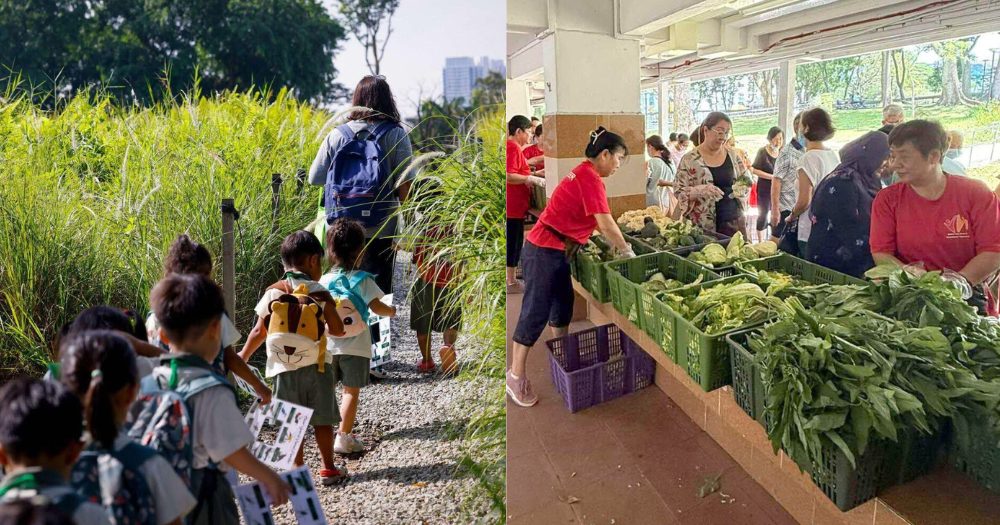
It’s never too early to learn about the environment, and Presbyterian Preschool Services, another recipient of the SG Eco Fund, is starting them young.
Since 2022, all centres under Presbyterian Preschool Services have been conducting their own sustainability programmes with the aim of teaching children to be “thankful for the world we live in”, said Tiffany Yeh, Head of Outreach and Partnerships.
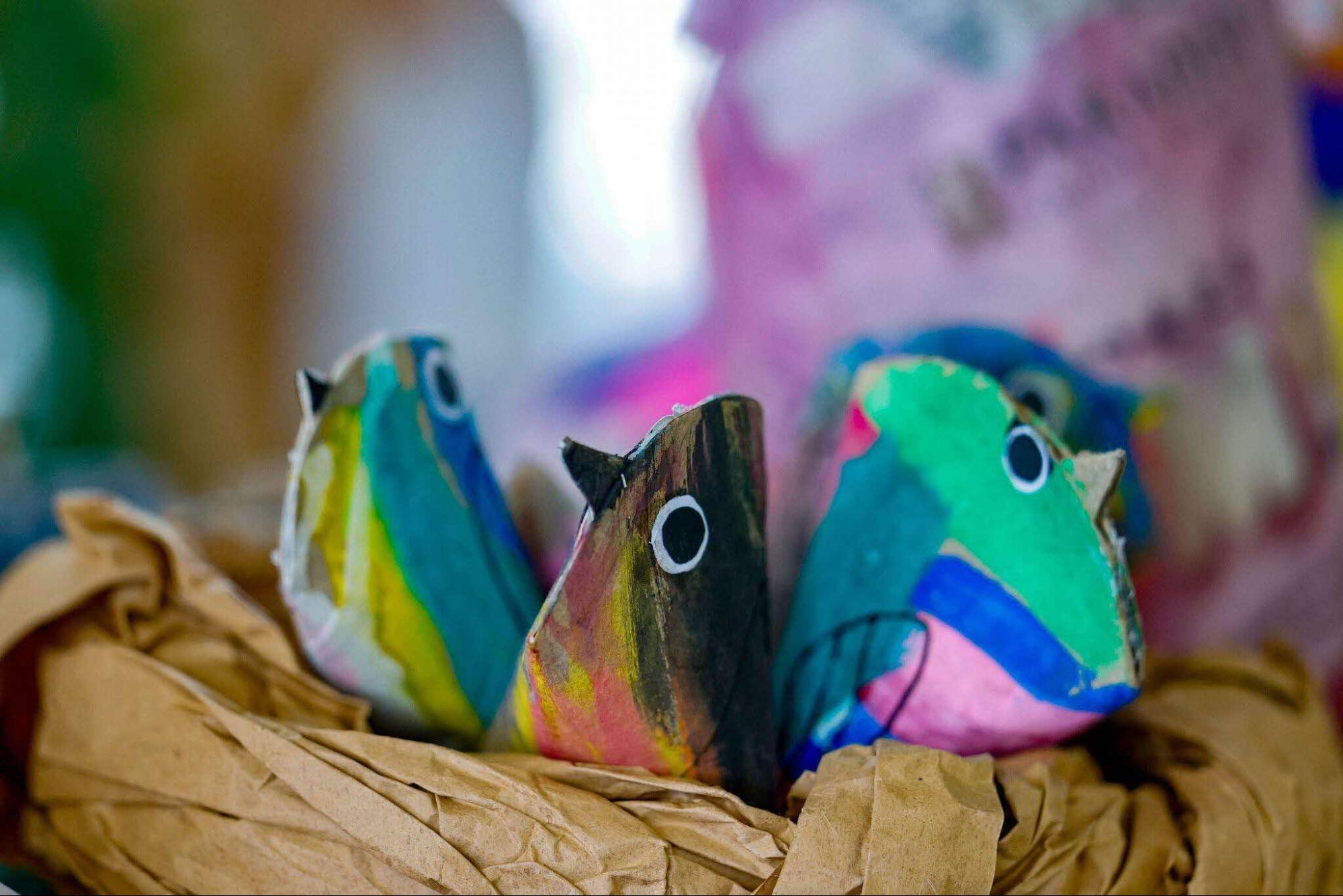
Each year, the programmes have a different theme focused on specific ecosystems or wildlife, which students explore through craft projects or educational field trips.
Past themes explored rainforests and orangutans.
This year's theme called the “Symphony of Wings” is supported by the SG Eco Fund, and it introduces students to local bird species and conservation efforts.
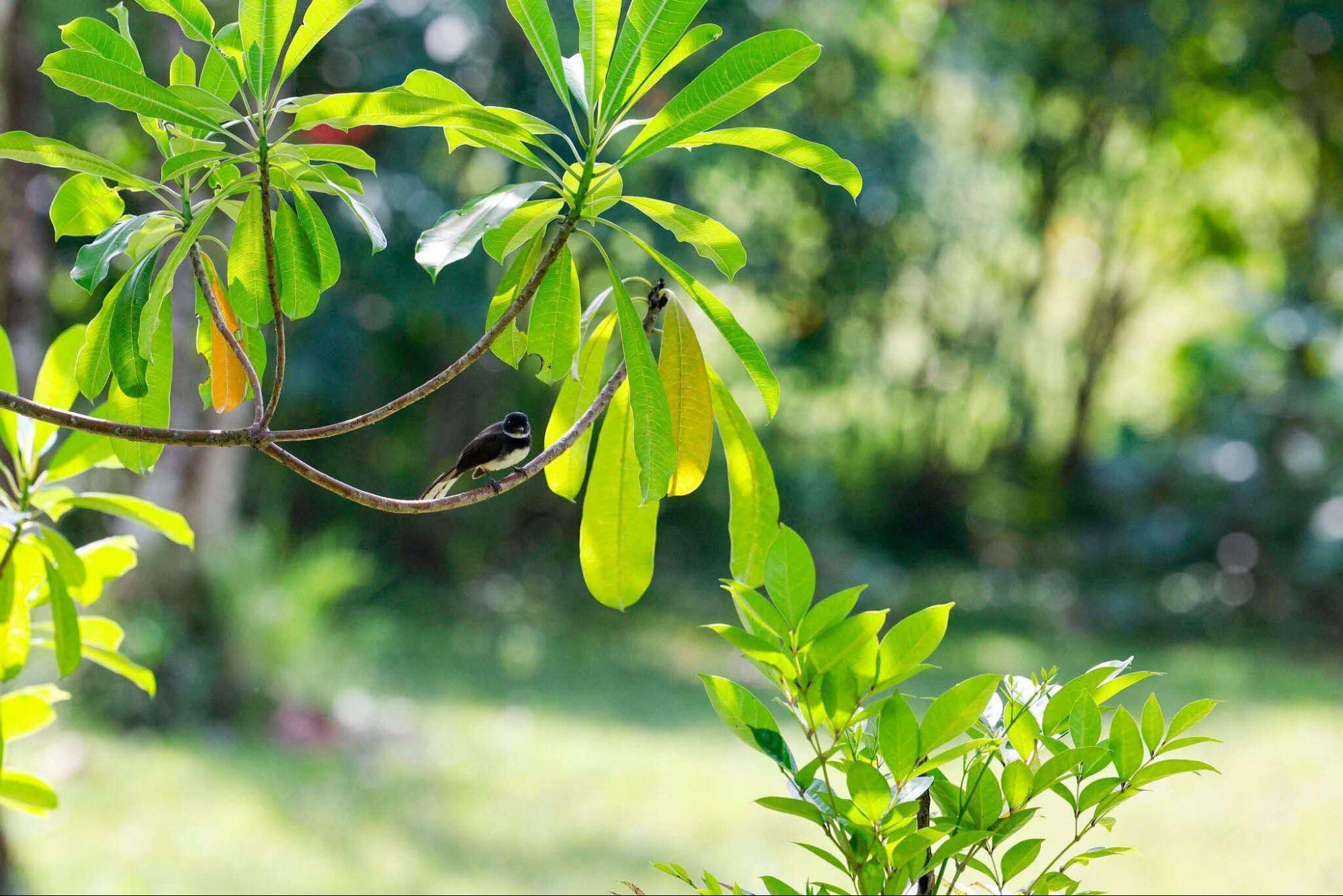
Students learn about birds' diets, features, and habitats through interactive activities and games.
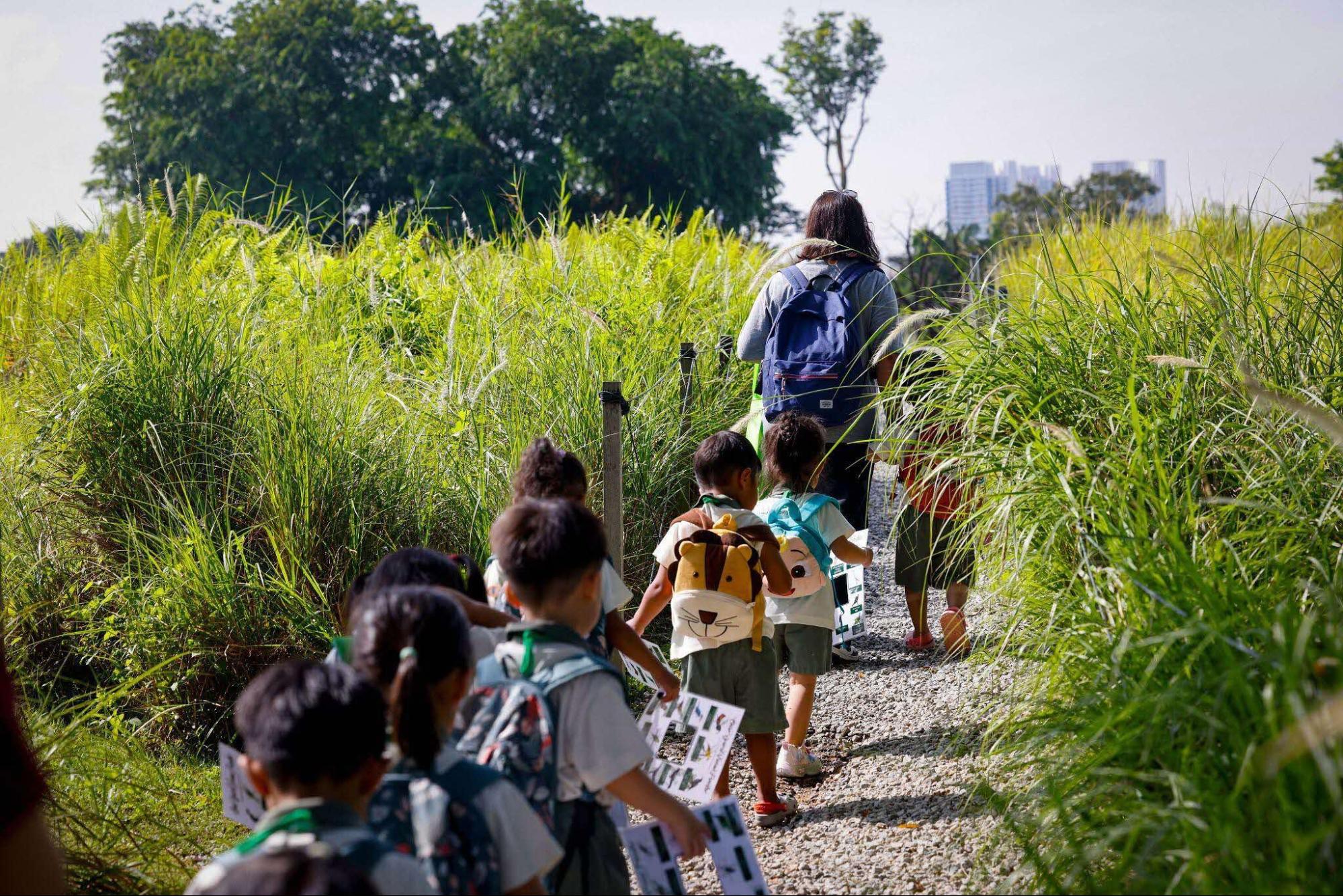
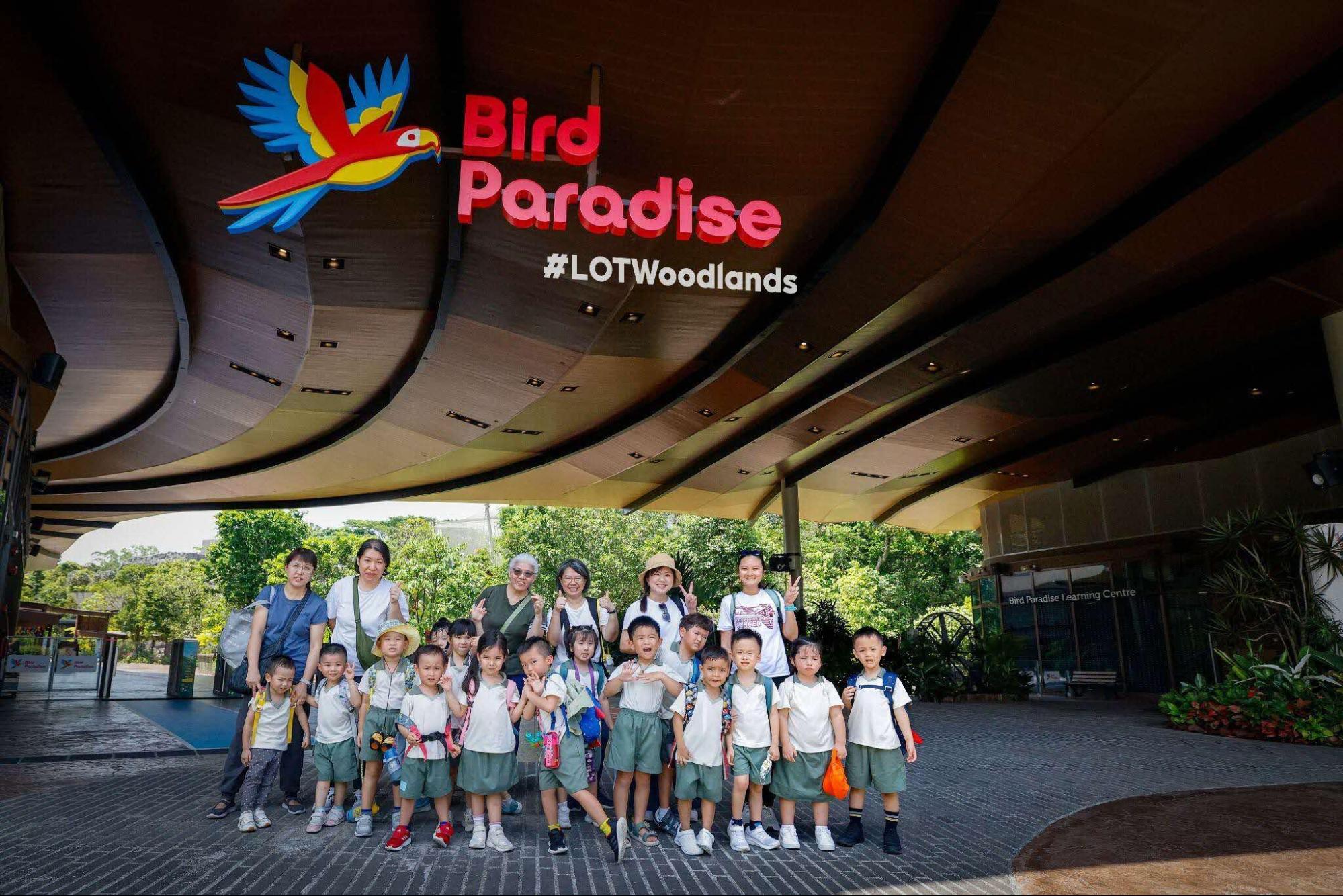
So far, the children have embarked on birdwatching trips to Jurong Lake Gardens and Bird Paradise at Mandai.
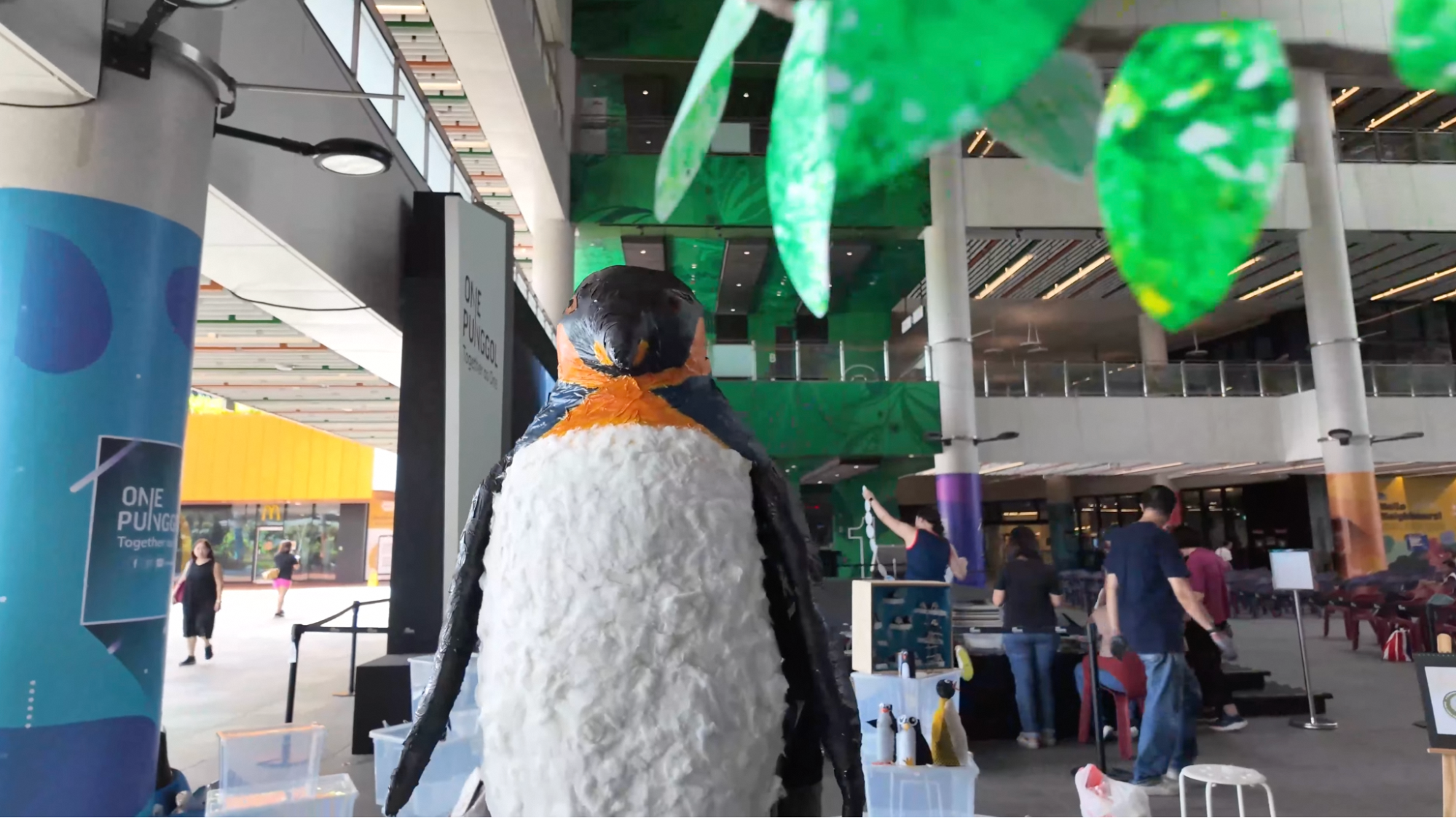
The programme culminated in a showcase at One Punggol in May, where students raised awareness about birds and conservation through creative displays, including dioramas of birds like penguins and kingfishers.
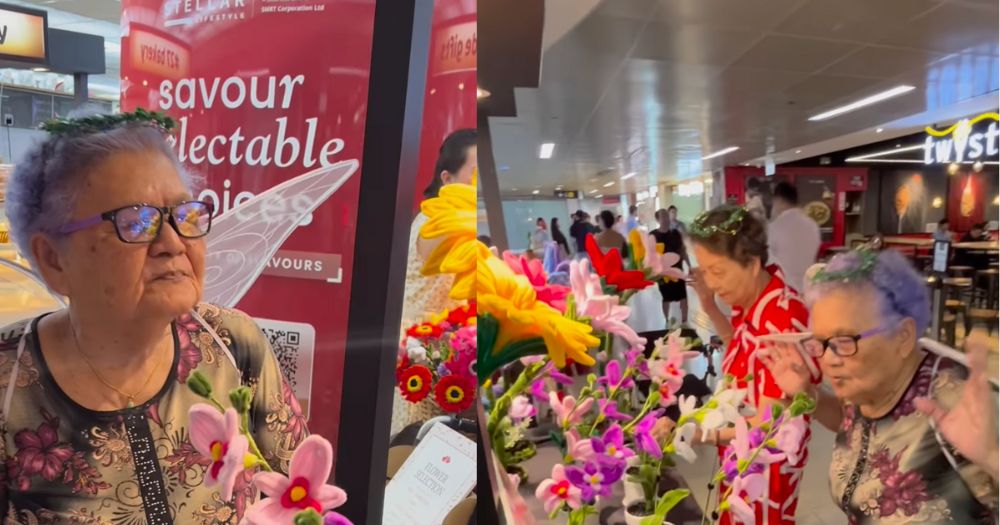
Through craft activities, the event brought together not just students and teachers across the different preschools, but also seniors from active ageing centres like St. Luke’s Eldercare.
Students and seniors made bird-themed artwork together, using scrap materials such as cardboard and reused cloth which were collected from the students.
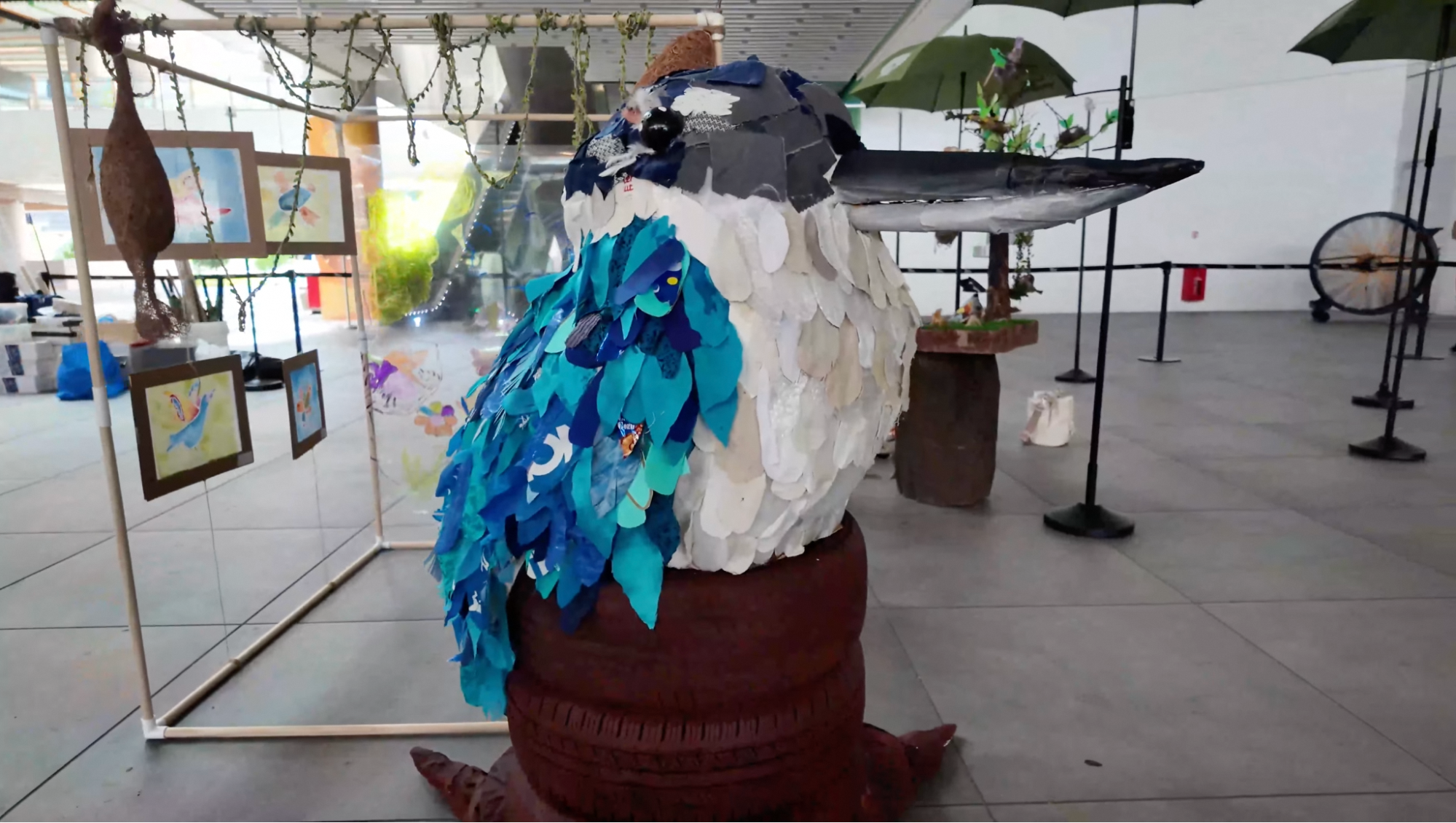
Both the Giving Garden by Boon Lay Zone D Residents’ Network and the Symphony of Wings programme by Presbyterian Preschool Services are examples of environmental initiatives that strengthen community bonds.
The garden brings together like-minded residents to grow food while benefitting their neighbours, and the preschool programme bridges generations by connecting children with seniors to learn about nature.
More on the SG Eco Fund
Inspired to start your own green initiative?
The SG Eco Fund can help turn your idea into reality.
The SG Eco Fund supports projects that rally collective action towards environmentally-friendly behaviour across a broad range of topics.
Think about waste reduction and recycling, community growing of food, conservation of nature and biodiversity, and education and outreach on sustainability. These are topics that the SG Eco Fund supports.
The fund is open to individuals, groups or organisations.
The SG Eco Fund has two funding categories:
- Sprout Category: for applicants seeking a grant amount of S$30,000 or less.
- Main Category: for applicants seeking a grant amount of more than S$30,000.
Bring your community-driven project to life with the SG Eco Fund. Find out more about the application process here.
This branded article is brought to you by the SG Eco Fund.
Top photo from Presbyterian Preschool Services and Johny Tan