News

Chinese Community Liaison Group looks to strengthen integration of new immigrants: Chee Hong Tat
Chee, the new chairman of the Chinese Community Liaison Group, shared new priorities of collaboration between the government and Chinese community organisations.
June 13, 2025, 06:36 PM


Singapore needs to strengthen the integration of new Chinese immigrants so that they can contribute to Singapore's progress, said Minister Chee Hong Tat.
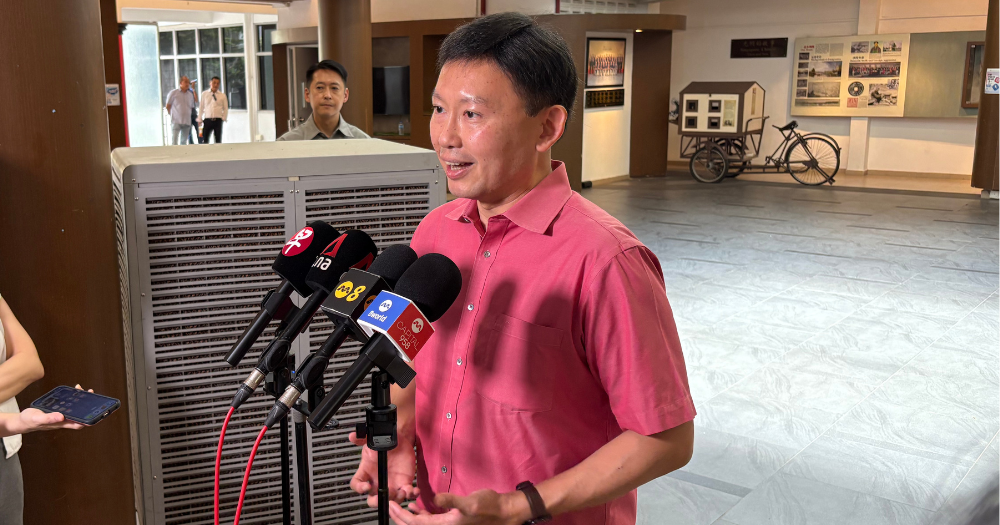
He was speaking to the media at an introductory visit to the Singapore Federation of Chinese Clan Associations (SFCCA) on Jun. 13 as the new chairman of the Chinese Community Liaison Group (CCLG), a role he took over from Minister Edwin Tong on May 23.
The CCLG was set up in 2000 to deepen the government’s relationship with Singapore's Chinese community organisations, and improve collaborations between these community organisations.
The group will comprises 32 members of parliament in addition to Chee, including Acting Transport Minister Jeffrey Siow and Acting Minister for Culture, Community and Youth, David Neo.
Over a closed-door lunch, Chee and the SFCCA leaders agreed to work together on several priority areas, one of which was the integration of new immigrants.
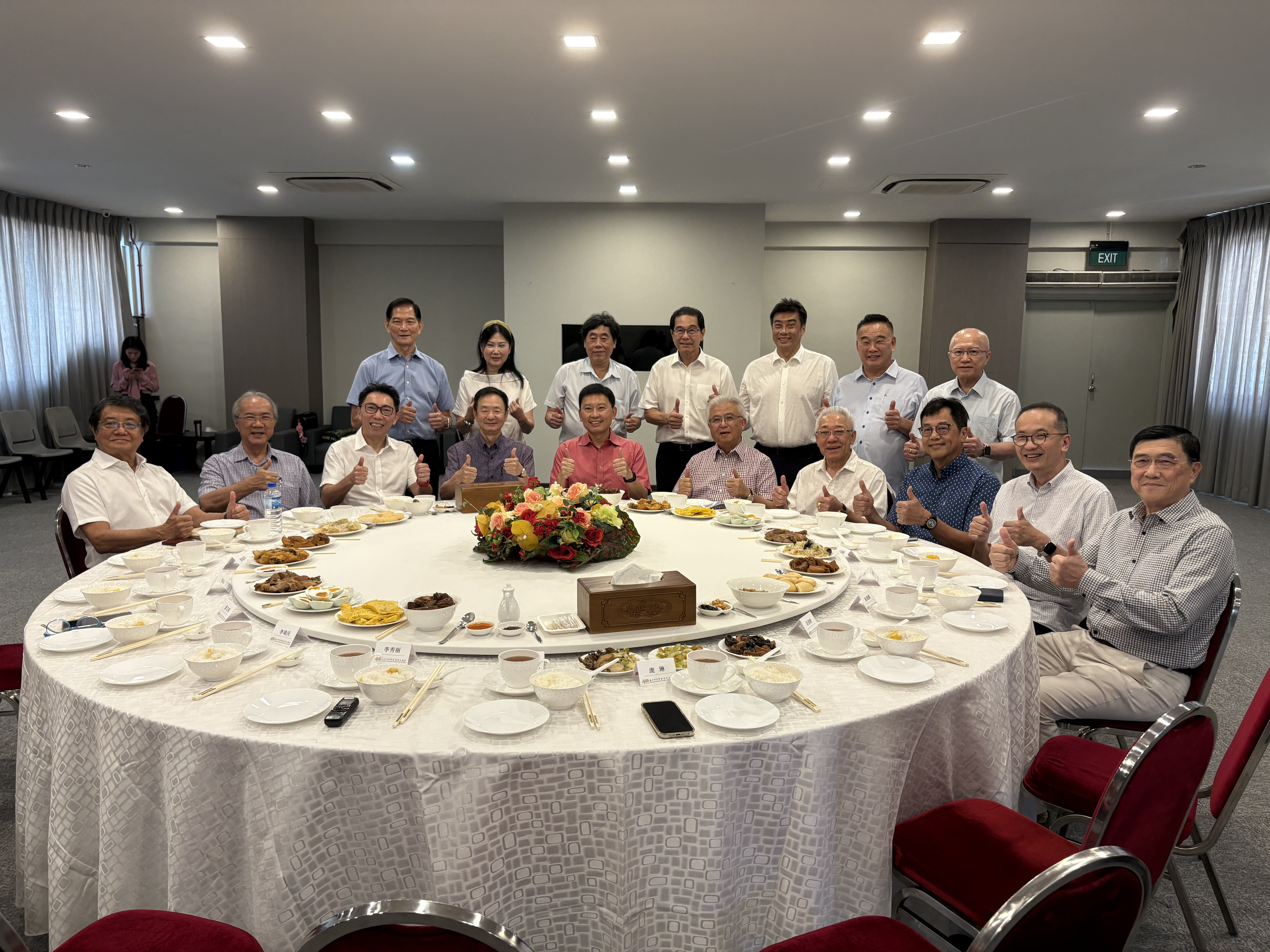 Photo by Wu Xueting/Mothership
A win-win
When asked about the continued relevance of CCLG in the backdrop of China's rise as a superpower.
"It is now the world's second largest economy, and there are many new developments in China, including new technologies that we could benefit from. We want to do business with China. We want to welcome Chinese companies to also invest in Singapore. So how do we best do this?"
He said that this is not just an area of interest for CCLG, but Singapore as a whole.
"It is ultimately in the interest of Singapore and Singaporeans that we build a strong relationship with China, and are able to then work with Chinese companies and Chinese business leaders", Chee said.
Chee also said that some of these leaders or professionals might want to come work in Singapore, become a part of the community, and even take up PR or citizenship over time.
However while Chee said he welcomed them, he said there was a need to find a way to integrate these people into Singapore society and allow them to contribute to society so it will be a "win-win", good for society and good for the people.
The Singapore approach
The efforts to integrate new immigrants will maintain rather than dilute the "Singaporean identity", Chee emphasised.
Immigrant communities should be able to preserve their unique heritage and traditions, rather than give them up to assimilate to Singapore.
Chee described this as the Singapore approach.
"We don't see integration as reduction, but actually an enhancement, an enlargement, and an addition to what we will be," he said.
This evolving cultural identity would allow Singapore to absorb the positive contributions of new immigrants.
"So when we have new immigrants joining us, and we are able to absorb positive elements of what they bring in, actually, that is a plus for our society, too."
Using an analogy to illustrate this, Chee said that recent culinary introductions from northern and western China, such as knife-cut noodles and Biang Biang noodles, have not replaced Singapore's traditional dishes like wanton mee and fishball noodles, but expanded the local food scene with more options.
Engaging the youths
Another collaboration area between the CCLG and the SFCCA involves attracting more youths to join the Chinese community organisations and grooming them for succession.
The inclusion of new immigrants could also be part of the leadership renewal process for these organisations.
"Some of them go to school in Singapore. They marry locally born Singaporeans. They set up families here. Some of the guys have done their NS, they are now working in Singapore, taken up citizenship.
I think they are very much part of our society, and we should welcome them. We should try to see how we can tap on their strengths and their expertise to contribute back to society, including the Chinese community."
Chee said that he had suggested to the SFCCA leaders that the government and the SFCCA could jointly set up an annual leadership development programme for young Chinese community leaders.
The aim is to build new cohorts of young leaders every year who could take on leadership positions in clan and business associations, as well as within the Chinese community.
Top image by Wu Xueting/Mothership