News

S’pore couple goes to Vietnam to save unborn baby with rare heart defect after consultation with KKH
The procedure was a success.
June 06, 2025, 12:26 PM


After more than a decade of infertility, a 41-year-old Singaporean woman became pregnant with her first child through in vitro fertilisation (IVF).
But her pregnancy soon took a critical turn.
Doctors discovered that the fetus had a severe congenital heart defect, one that carried a high risk of stillbirth.
While in-utero heart surgery offered a possible lifeline, the advanced procedure was reportedly unavailable in Singapore, according to Vietnamese news outlet VnExpress International.
However KK Women’s and Children’s Hospital (KKH) tells Mothership that they are "fully equipped to manage complex fetal conditions, including offering surgical interventions where appropriate".
After consultations with doctors at KKH, the couple decided to go to Tu Du Hospital and Children's Hospital 1 in Ho Chi Minh City, Vietnam.
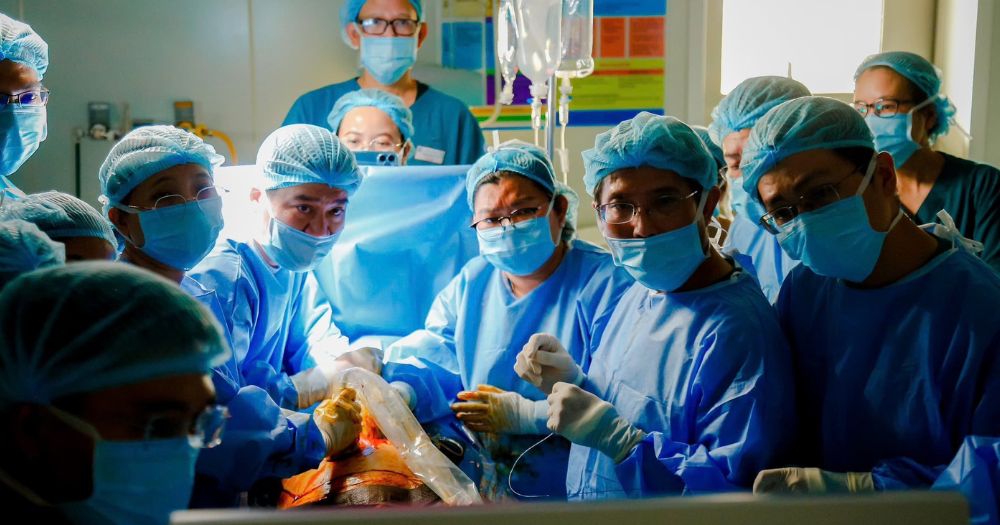
Against the odds, the surgery performed on the 22-week-old fetus was a success.
Cardiac issues detected at 21 week
The fetus' heart condition was detected during a routine scan at 21 weeks.
The diagnosis revealed a critically narrowed aortic valve, with the fetus weighing just 600g.
The case was quickly deemed high-risk, and specialists at KKH had consultations with the couple.
They then went to Vietnam for treatment.
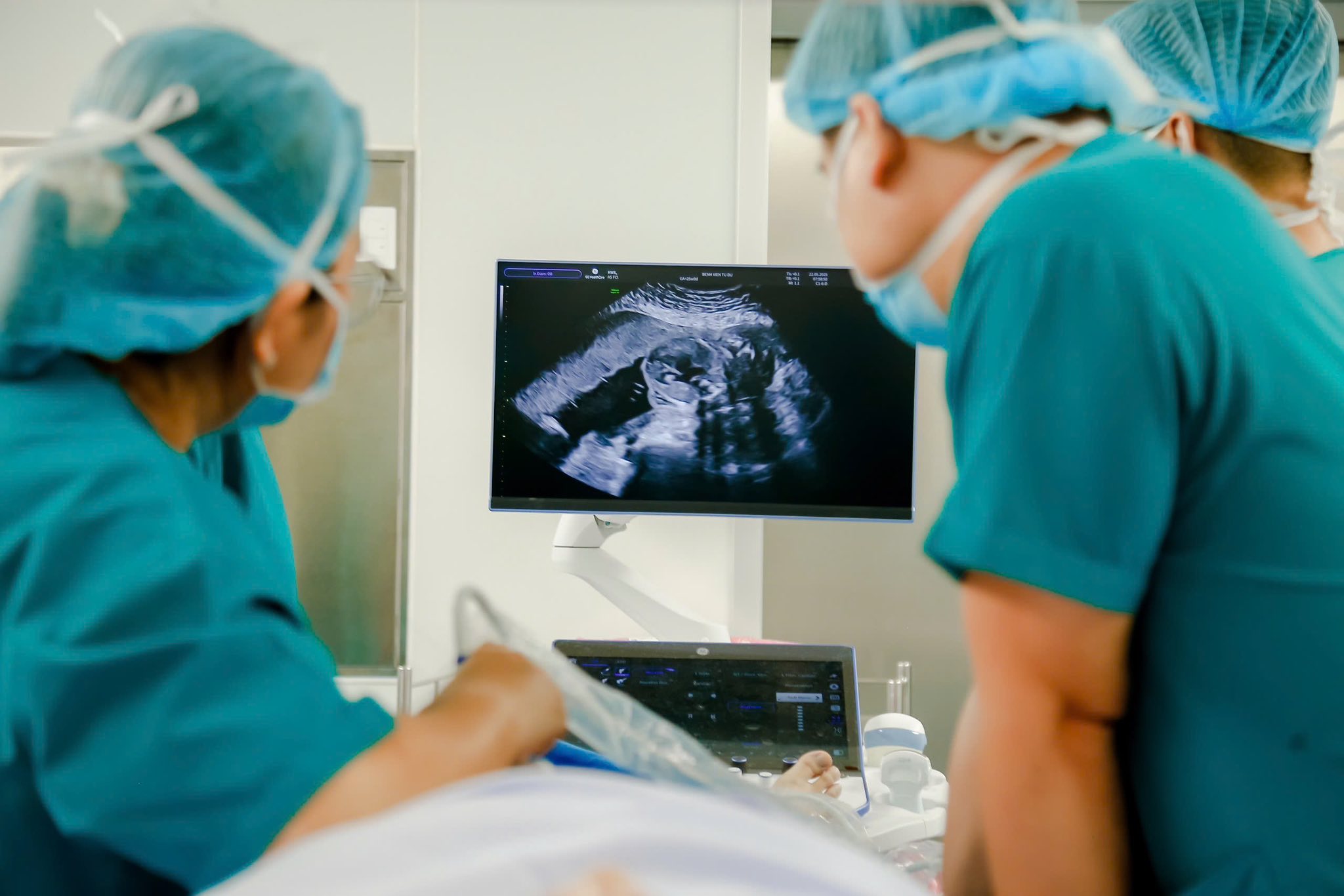 Photo via Tu Du Hospital
"This was the most challenging of the nine cases we've treated so far," said Dr. Do Thi Cam Giang from Children’s Hospital 1.
Multiple international consultations followed.
Vietnamese doctors worked closely with specialists from Australia and Italy, all of whom agreed that early intervention was crucial to improve the fetus’ chances of survival.
Despite the risks, the parents were resolute.
They travelled to Ho Chi Minh City and stayed for nearly a month in preparation for the surgery.
The procedure
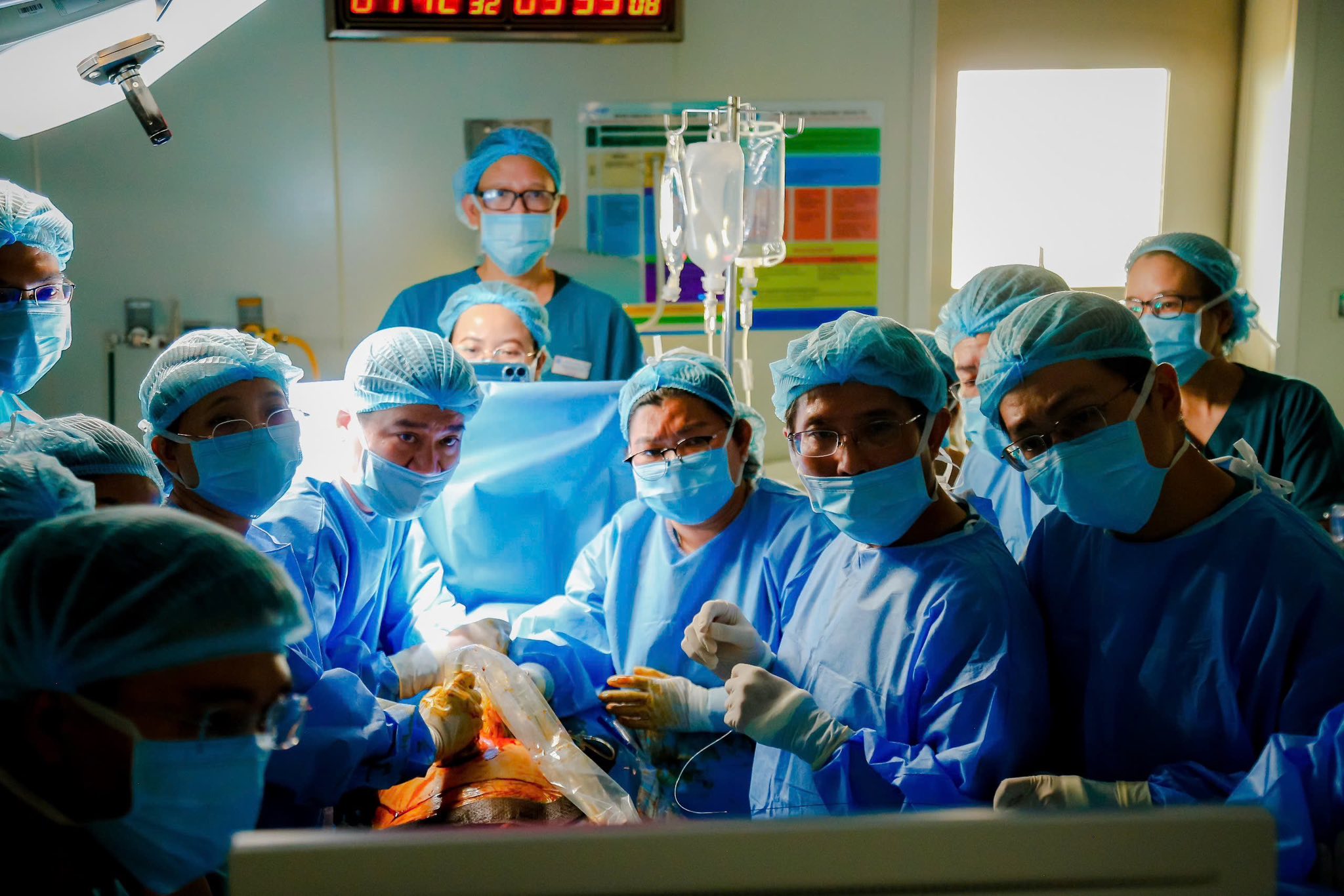 Photo via Tu Du Hospital/Facebook
The first attempt of the procedure on May 22, was eventually aborted after more than two hours due to poor fetal positioning, according to a Facebook post by Tu Du Hospital.
A second attempt was made on May 28.
The procedure required carefully rotating the fetus about 120 degrees — a high-stakes manoeuvre due to the risk of umbilical cord entanglement and potential cardiac arrest.
Once the fetus was properly positioned, a specialised needle was inserted through the mother’s uterus and into the baby’s heart.
But as the needle made contact, the fetal heart rate reportedly began to drop alarmingly.
Dr. Do Nguyen Tin, one of the lead surgeons, told VnExpress how he paused briefly, fearing cardiac arrest was imminent.
However, he managed to act quickly and finished the procedure — from needle insertion to removal — in just two minutes and 40 seconds.
More interventions post-birth
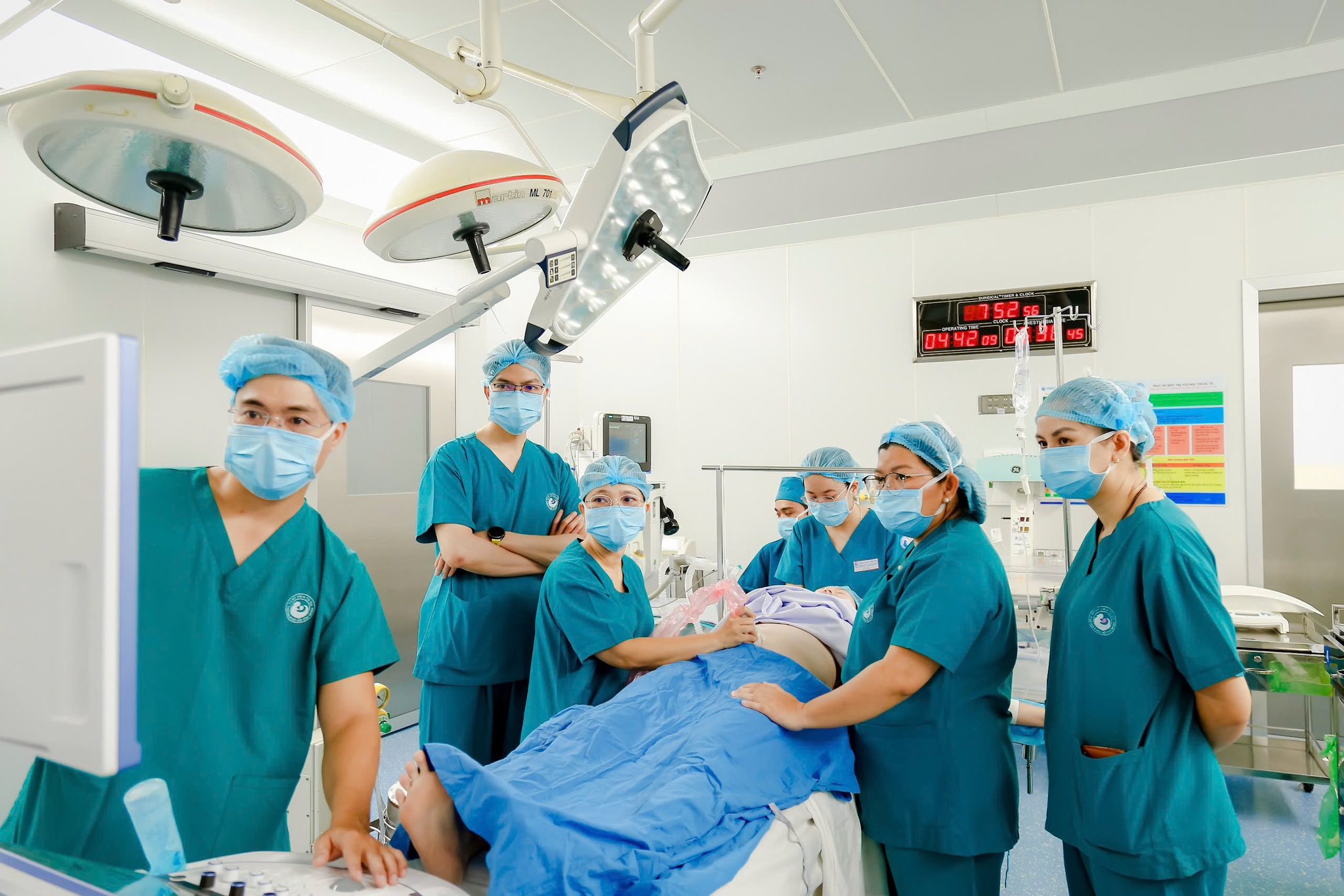 Photo via Tu Du Hospital/Facebook
While the in-utero surgery was a success, it marks only the beginning of the child’s medical journey.
After birth, further surgical interventions will be necessary in Singapore to address the congenital defect completely.
KKH fully equipped to manage complex fetal conditions
In response to Mothership's queries, Professor Tan Hak Koon, chairman of the division of obstetrics and gynaecology at KK Women’s and Children’s Hospital (KKH) clarified recent media reports that KKH referred a Singaporean patient to Tu Du Hospital in Ho Chi Minh City.
"KKH is fully equipped to manage complex fetal conditions, including offering surgical interventions where appropriate," he said.
Each case at KKH is thoroughly assessed by their multidisciplinary team to ensure that the treatment is aligned with "evidence-based guidelines and the unique needs of each patient".
"As part of KKH’s counselling process, we inform patients and their families about all available treatment options," Tan explained, adding that this includes those available at other centres in Singapore and worldwide, in the USA, Europe and Asia.
"We are heartened to learn that the procedure went well and wish Tu Du Hospital and the patient all the best.
KKH is committed to providing safe, evidence-based care, and supporting patients and their families in making informed decisions about their healthcare journey."
Top photos from Tu Du Hospital/Facebook