News

Joe Biden, 82, diagnosed with 'aggressive form' of prostate cancer
It has spread to his bones.
May 19, 2025, 10:59 AM


Former United States president Joe Biden, 82, was diagnosed with an “aggressive form” of prostate cancer.
A statement from his personal office said on May 18 that it has spread to his bones.
“Last week, President Joe Biden was seen for a new finding of a prostate nodule after experiencing increasing urinary symptoms. On Friday, he was diagnosed with prostate cancer, characterized by a Gleason score of 9 (Grade Group 5) with metastasis to the bone,” the statement said.
It added: “While this represents a more aggressive form of the disease, the cancer appears to be hormone-sensitive which allows for effective management.”
Biden and his family “are reviewing treatment options with his physicians”, the statement also said.
A day before this news, the former president was evaluated for a “small nodule” discovered on his prostate, a spokesperson for Biden said.
Biden, the oldest president in U.S. history, was reportedly at his home in Wilmington, Delaware, over the weekend, according to CNN.
Health scrutinised since time in office
Health concerns were raised during his time in office and later more greatly scrutinised following his halting debate performance against Donald Trump in June 2024 when Biden sought reelection.
In February 2024, Biden received a physical examination at Walter Reed National Military Center.
His physician Kevin O’Connor, said at the time that there were “no new concerns” with the president’s health and he was “fit for duty”.
What is a Gleason score?
Prostate cancers can be assigned a grade, known as a Gleason score, derived from what the cells look like under a microscope.
A Gleason score of 9 “means it’s the most aggressive form of prostate cancer,” CNN reported, quoting Benjamin Davies, a professor of urologic oncology at the University of Pittsburgh Medical Center who is also not involved in Biden’s case.
The fact that Biden’s cancer has spread to the bone “is very serious and not curable,” Davies said.
However, CNN also reported that those with high-risk prostate cancer “can live a pretty normal life and have a good quality of life, as long as the cancer is treated, quoting Jamin Brahmbhatt, a urologist and robotic surgeon with Orlando Health and an assistant professor at the University of Central Florida’s College of Medicine, who is not involved in Biden’s treatment
“As we get older, most men are going to have little cancer cells in them,” the doctor also said.
Personal tragedies
In 1972, Biden's wife and baby daughter were killed in a car crash, days after he was elected a U.S. senator at the age of 29.
He underwent surgery twice in 1988 for brain aneurysms.
In 2023, he had a skin lesion – a basal cell carcinoma – removed from his chest.
He had non-melanoma skin cancers removed previously.
Biden’s son Beau died of an aggressive form of brain cancer in 2015 at the age of 46.
Led task force aimed at curing cancer
Under then-president Barack Obama, the U.S. launched a “cancer moonshot” bid to bring the disease under control.
Obama tasked Biden, then his vice-president, with leading the White House task force aimed at curing cancer.
“It’s personal for me,” Biden said at the time.
“But it’s also personal for nearly every American, and millions of people around the world. We all know someone who has had cancer, or is fighting to beat it.”
In 2022, Biden reestablished the programme, dubbed the “Cancer Moonshot” initiative.
It committed the nation to working toward reducing the death rate from cancer by at least 50 per cent over the next 25 years.
Obama said on X on May 18: "Nobody has done more to find breakthrough treatments for cancer in all its forms than Joe."
“I am certain he will fight this challenge with his trademark resolve and grace.”
Trump’s administration cut cancer research funding by 31 per cent in the first three months of 2025, compared with the same period in 2024, a Senate report showed earlier in May, according to CNN.
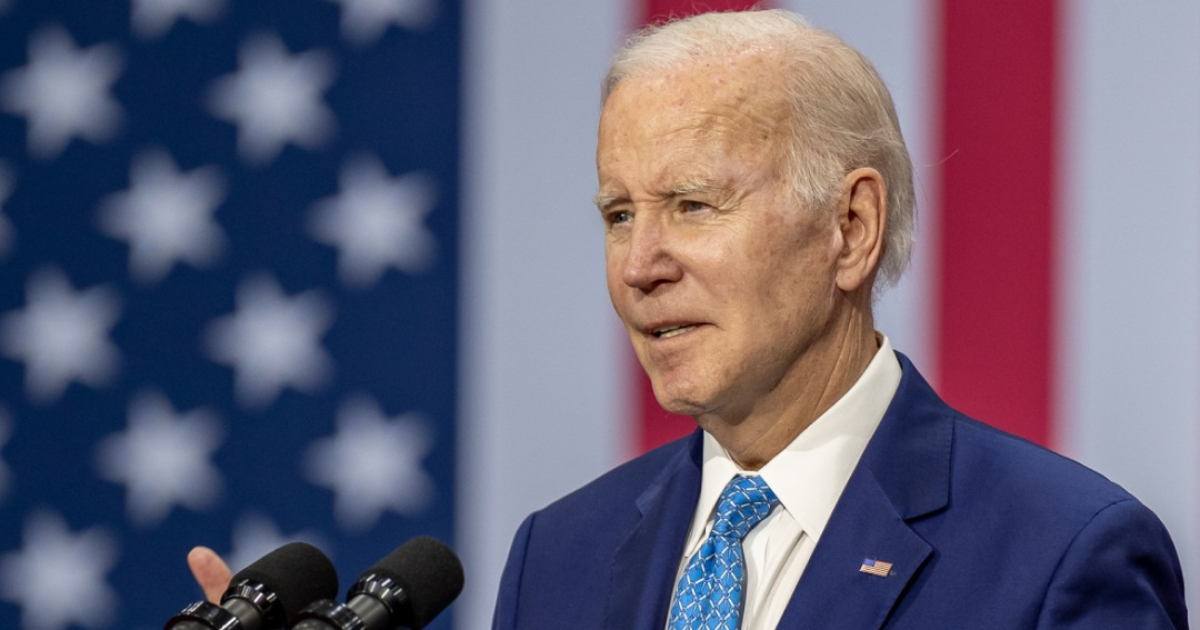
Top photo via Joe Biden Facebook