GE2025
'Full commitment' to residents of Bishan-Toa Payoh GRC, no 'jobs somewhere else' if elected: SPP's Steve Chia
Reaching out to "moderate" voters.
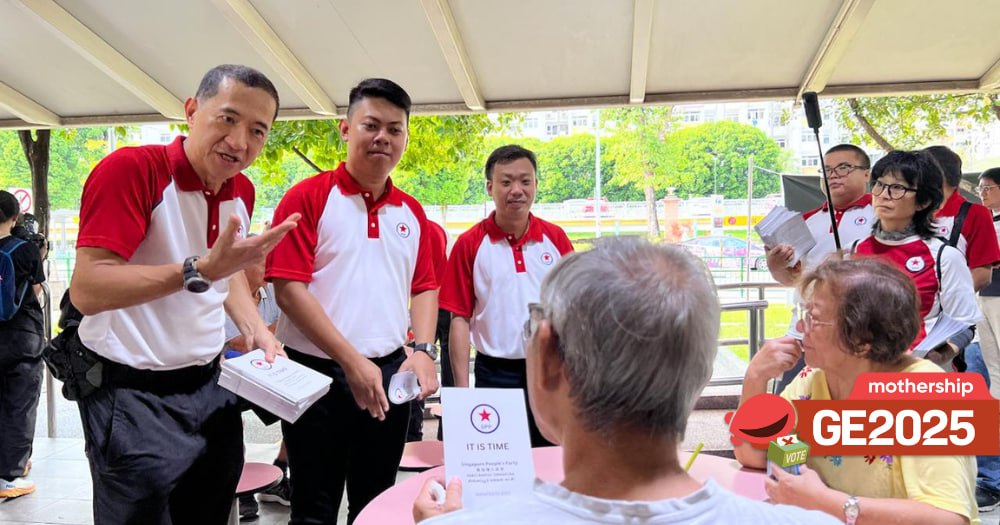


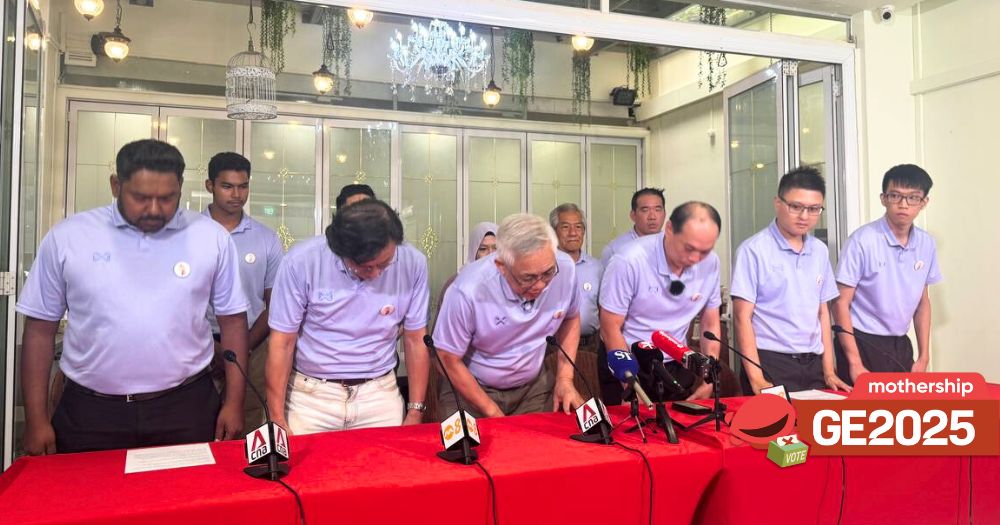
The Singapore People's Party (SPP) has an "uphill task" ahead of it, but they plan to appeal to "moderate voters" who may not yet have made up their minds.
"This is the sixth time I have contested a general election, this is the second time I have contested Bishan-Toa Payoh GRC," party Secretary-General Steve Chia said.
Chia said he had the same answer every time the question is asked, what would SPP bring to the residents of the area.
Full commitment
"We are giving our full commitment to the residents of Bishan-Toa Payoh. That means we are not going to be a part-time MP, with jobs somewhere else. We are going to be full-time, running the Town Council, running the constituency, being an MP, raising issues."
He pledged to be responsive to residents' concerns and complains, adding that they could be reached by WhatsApp, and they would respond "straight away".
Chia confirmed he would stand in Bishan-Toa Payoh GRC, and the SPP also aims to contest Potong Pasir SMC. However, they did not confirm their full line-up.
SPP's uphill task
In response to another question, Chia said he believes it will be a "watershed election" this year.
According to his own analysis, of the electorate, there are about 40 per cent of "hardcore" PAP supporters, with another 30 per cent who are "hardcore" supporters of the opposition.
This leaves 30 per cent of voters who are undecided and persuadable. "Give me a good reason why I should vote for you."
However, the PAP still retains an advantage, and it is an "uphill task" for the opposition.
"We have a policy manifesto that is benefiting Singaporeans, that we want to reach out to the moderate voters for their consideration," he said.
Key policies
During the media event, the SPP elaborated on some of their key policy proposals.
SPP chairman Melvyn Chiu said that an increasing number of people are prioritising mental health. He expressed hope that support for treatment, both financially and work benefits, can be further improved.
He hopes the government can provide more medical subsidies to cover such treatment, and encouraged employers to be more flexible in allowing employees to take unpaid leave to seek treatments.
Chiu then advocated for a Freedom of Information Act to benefit individuals keen on initiating projects or drafting public policy. Chiu said such data would help substantiate their proposals and recommendations when debated in Parliament.
Chiu also emphasised the importance of encouraging the elderly to remain in the workforce.
He suggested that the retirement age should not be fixed at 63, as individuals in this age group bring valuable experience to the industry. This leads to the next proposal.
When asked how SPP would ensure resources are well-balanced and effectively utilised, given that his proposals may require significant funding and manpower, Chia said: “When there’s a will, there’s a way.”
Related story:
Top image by Alena Khoo