Abroad

Myanmar earthquake death toll passes 2,700
Rescue efforts have been complicated by the country's ongoing civil war.
April 01, 2025, 06:44 PM


The Myanmar earthquake has seen over 2,700 dead, 4,521 injured, and around 441 still missing.
The death toll is expected to rise to more than 3,000, Myanmar's military leader Min Aung Hlaing said in a televised address on Apr. 1, according to Reuters.
The 7.7 magnitude earthquake that struck central Myanmar on Mar. 28 has left an unprecedented amount of devastation in its wake.
According to the International Federation of Red Cross and Red Crescent Societies (IFRC), the level of devastation in Myanmar has not been seen in Asia for "over a century".
In need of aid
The regional director for Asia Pacific at IRFC said in a separate statement that the earthquake was not "just a disaster" but a "complex humanitarian crisis" layered over existing vulnerabilities.
While there is an urgent need for shelter, food, water and medicine, the country's ongoing civil war has complicated efforts to help those in need.
A coup by the junta in 2021 saw Myanmar locked in a civil war between armed resistance and pro-democracy groups and the junta.
Following the earthquake, the civilian opposition National Unity Government (NUG) announced a temporary halt to offensive military operations in areas affected by the earthquake to allow for humanitarian relief and rescue efforts.
However, the junta has reportedly continued conducting airstrikes after the earthquake.
BBC reported that seven people were killed in an air strike in Naungcho in northern Shan state that took place less than three hours after the quake had struck.
"Myanmar's military has a longstanding practice of denying aid to areas where groups who resist it are active," Amnesty International's Myanmar researcher Joe Freeman said, adding that the disaster could not have come at a worse time for Myanmar.
He highlighted that more than three million people remain internally displaced from the civil war and estimated that over a third of the population will need humanitarian assistance this year.
"It must immediately allow unimpeded access to all humanitarian organisations and remove administrative barriers delaying needs assessments."
Devastating impacts
The 7.7-magnitude earthquake left devastating impacts on the country and its people.
The royal capital city of Mandalay, home to over 1.5 million people, and the Sagaing region were the hardest hit by the quake.
The regions of Magway, the capital Naypyitaw, Bago, and Southern Shan were also affected.
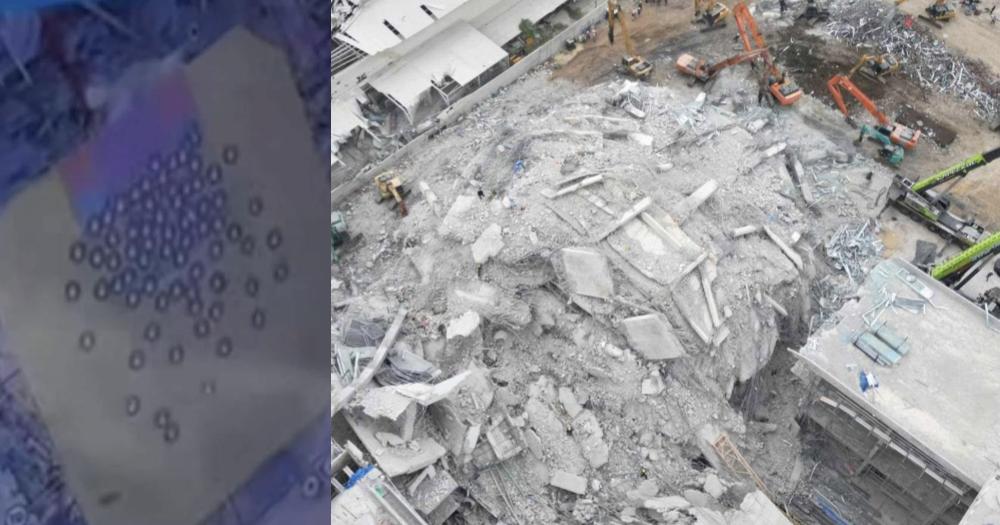
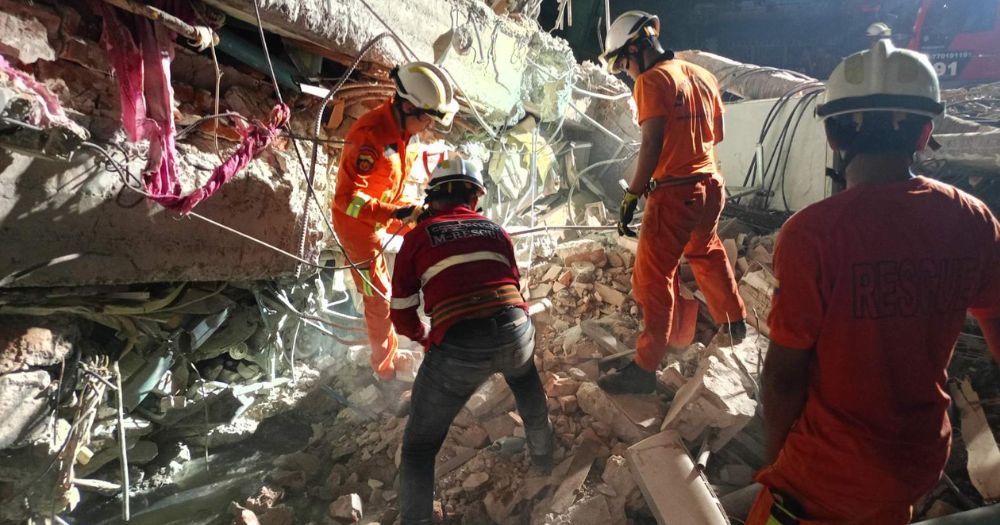
The earthquake caused the collapse of several buildings, monasteries, centuries-old pagodas, and the historic 91-year-old Ava Bridge, with many still trapped in the rubble.
Shockwaves were felt as far as Thailand, where a skyscraper in Bangkok collapsed, killing at least 12 people.
Eyewitness accounts of the disaster paint an apocalyptic scene.
One witness in Mandalay told Reuters: "We all ran out of the house as everything started shaking. I witnessed a five-story building collapse in front of my eyes. Everyone in my town is out on the road, and no one dares to go back inside buildings."
While rescue efforts are reported to be ongoing, bodies continue to pile up, and the death toll continues to rise as some residents in Sagaing spoke of lacking rescue efforts.
A resident in Sagaing told The Guardian: "The corpses have been emitting a foul smell since yesterday. Today, it’s beyond description. The bodies can’t be removed from the city yet, and rescue teams haven’t arrived."
With the collapse of bridges, rescue vehicles have difficulties getting into the region, another resident said.
Compounded with spotty electricity and telecommunications country-wide, the full extent of damage to the country remains unclear.
Top photos from Myanmar Fire Services Department/Facebook