News


S’porean families moving to Johor for ‘kampung’ lifestyle, space & flexibility, but say it’s not always cheaper
“As long as the value of the Singapore dollar remains strong, many will see Johor as a good choice.”
May 03, 2026, 12:43 PM
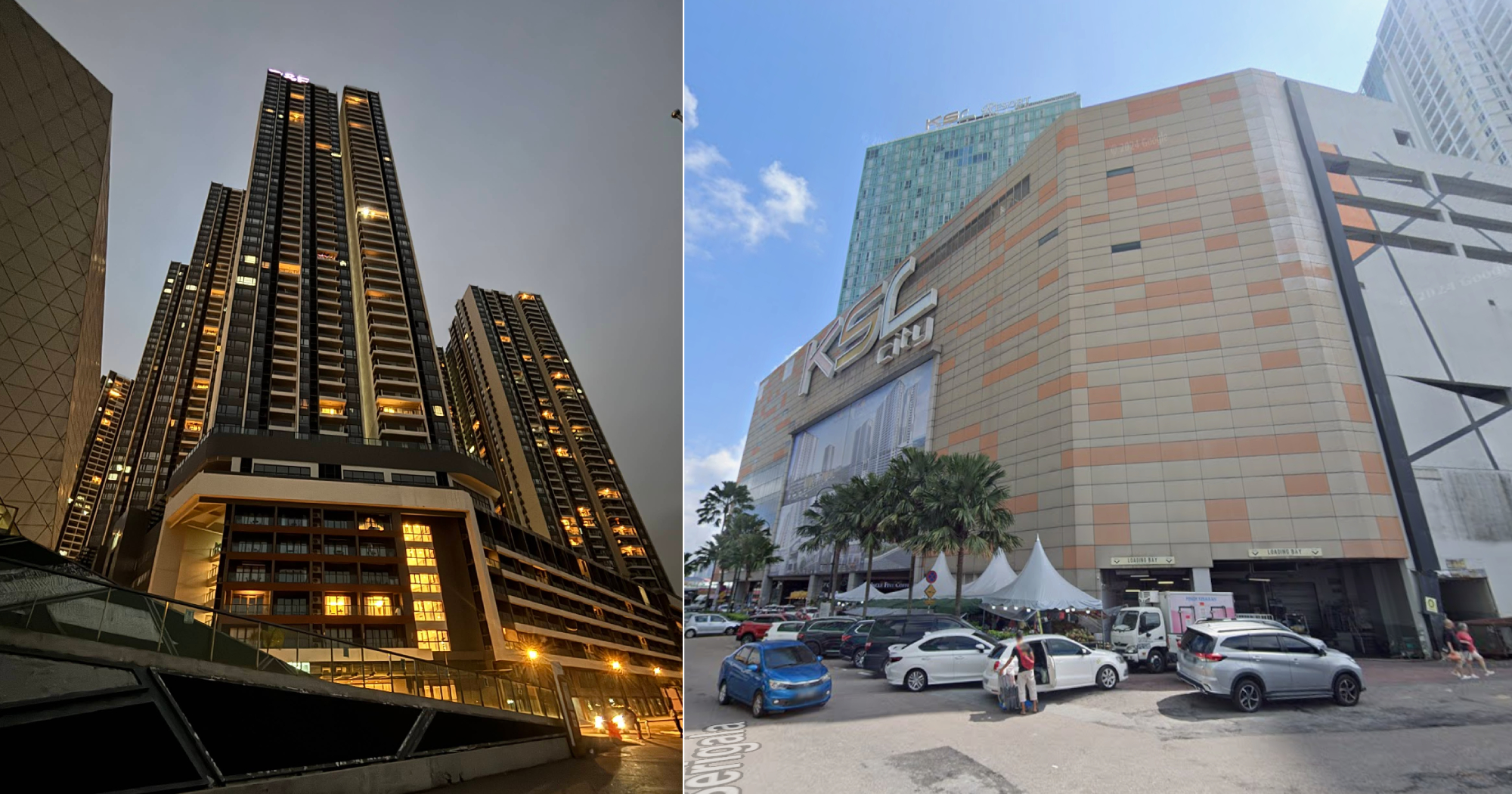
Photos via Google Maps


Some Singaporean families are choosing to live across the Causeway in Johor, Malaysia for more space, a slower pace of life, and a stronger “kampung-style” community environment.
However, several families say the decision is not purely about saving money.
Family stayed in Johor even after returning to work in S’pore
One such family is 42-year-old civil servant Kamar Faizal Baharam, who continues to live in Johor with his wife and children even after resuming work in Singapore.
He said proximity to family initially influenced their decision to move at the end of 2019.
“At that time, we thought Johor was close to Singapore, so it would be easier to visit our parents,” he told Berita Harian.
Two months later, however, borders closed during Covid-19.
“Every day I would go to the office at City Square and see Singapore right before my eyes, but I couldn’t go home,” he said.
Despite the disruption, the family eventually chose to stay.
International school fees still expensive despite living in Johor
Kamar said schooling was one of the biggest factors shaping their long-term plans.
“Our children previously followed the British curriculum in Jakarta, so when we moved to Johor, we chose a school that used the same curriculum so that the adjustment would be easier,” he said.
He added that many people assume living in Johor is automatically cheaper.
“Many people think living in Johor is cheaper, but they need to understand that if they choose an international school, the costs are also high,” he said.
Fees can range from S$40,000 to S$50,000 per child each year.
“What’s important is the kind of life we want for our family,” he added.
Children get 'kampung-style' freedom & close-knit neighbours
His wife, Nurlelah Mohamed Asfee, said the environment in Johor gives their children more freedom than they would typically experience in Singapore.
“They are free to move around and it’s really like a 'kampung',” she said.
She added that neighbours often look out for one another.
“If my children go to their friend’s house next door, we know they are safe,” she said.
“Sometimes during lunch time, we’ll just ask in the neighbourhood WhatsApp group whose house our children are at.”
“The atmosphere is different. It makes us feel more at ease.”
Still possible to return to S’pore within about 1 hour
Despite living across the border, the family said travelling back to Singapore remains manageable.
“If you live in a different country, it might be more difficult. But from Johor, going back to Singapore takes just one hour,” Kamar said.
They also split their Hari Raya visits between both countries.
“On the first day of Raya, sometimes we have to work because there are official open houses and events involving dignitaries,” he said.
“So our parents will come to Johor first. We usually return to Singapore on the second or third day.”
Kamar added that some festive expenses are easier to manage when living across the Causeway, particularly when it comes to traditional Hari Raya food.
“When it comes to lemang, rendang and other Raya dishes, we buy them in Johor,” he said, adding that relatives from Singapore sometimes cross over to Johor or Kuala Lumpur to shop ahead of the celebrations.
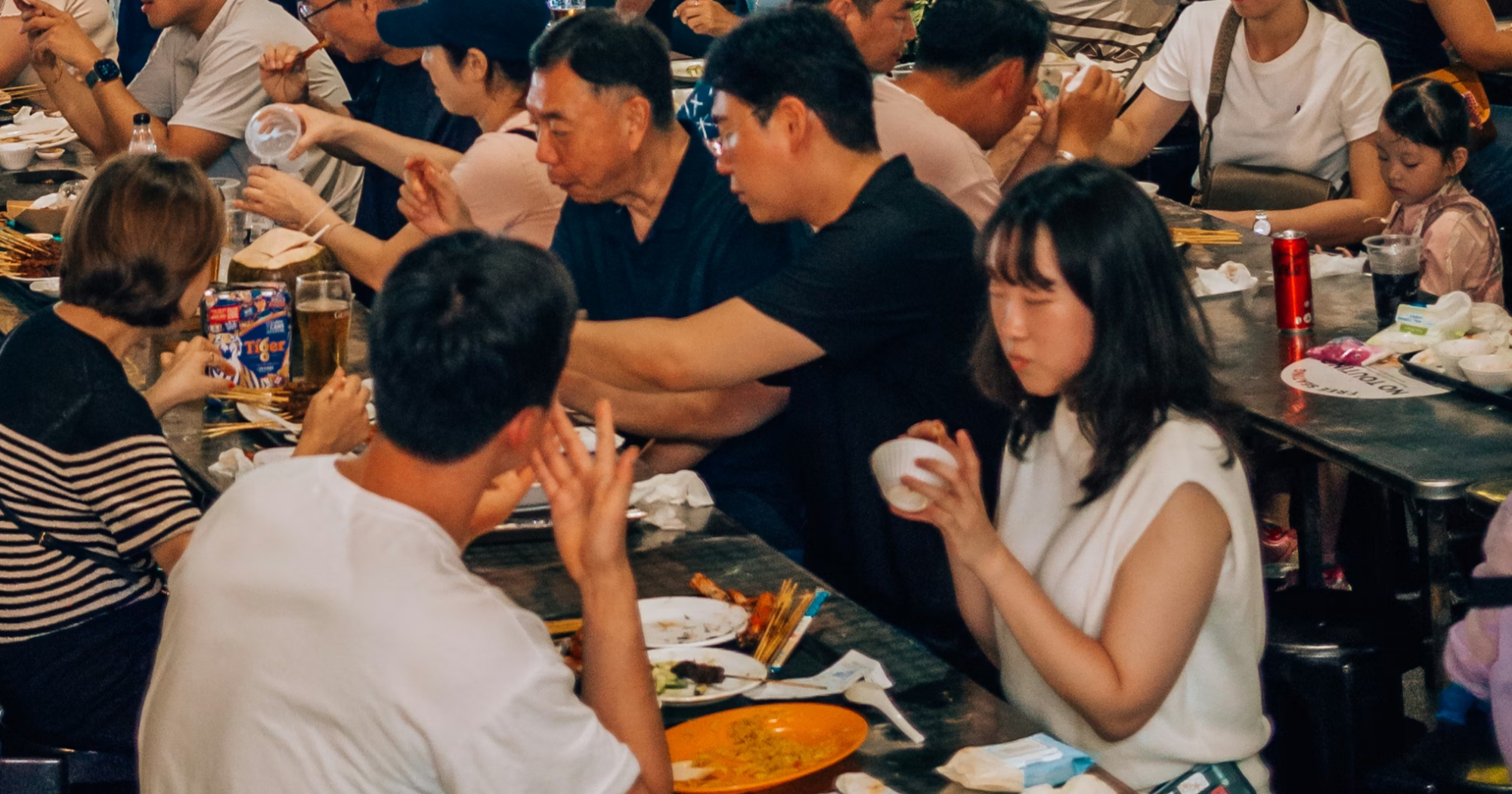
He also said Ramadan bazaars in Johor tend to offer more traditional “kampung-style” dishes at lower prices compared with Singapore.
“In Singapore, sometimes even French fries can be sold for up to S$18. In Johor, food prices are much more affordable,” he said.
Other S’porean families say Johor offers stronger community spirit
Another Singaporean resident in Johor, Muhammad Haikal Yeo, said neighbourhood culture was one of the biggest differences compared with Singapore.
“What we like most is the neighbourly spirit,” he told Berita Harian.
He added that children in his neighbourhood sometimes go house-to-house during Hari Raya while reciting traditional greetings.
“Even though most of our relatives are in Singapore, we feel like we have a second family here,” he said.
He also said Johor allows experiences that are harder to find in Singapore.
“When we first moved, we were excited because here we could set off firecrackers and experience a more lively Raya eve atmosphere,” he said.
More space & slower pace of life another key draw
Property consultant Mohamed Shamir Abdul Wahid, who moved to Johor in 2024, said the biggest difference he noticed was the “balik kampung” atmosphere during festive periods.
“In Singapore, the concept of returning to one’s hometown is almost non-existent,” he said.
“In Johor, we can see residential areas becoming quieter because many people have returned to their kampung.”
He added that space was another major factor.
“In Singapore, space is more limited and everything is more controlled,” he said.
However, he noted that living in Johor still requires planning.
“You have to think about schooling, healthcare, the commute and other practical issues,” he said.
With the upcoming Johor Bahru–Singapore Rapid Transit System Link, he believes more Singaporeans may consider Johor as a long-term living option.
“As long as the value of the Singapore dollar remains strong, many will see Johor as a good choice,” he said.
However, he cautioned that moving across the border involves more than just lower living costs.
“They also need to understand that living in Johor is not just about everything being cheap,” he said.
“You have to think about schooling, healthcare, the commute and other practical issues.”