Parliament


NTUC to offer over 1 million places for AI training over next few years
This was among the key moves he proposed to ensure Singapore's AI transition will benefit all workers.
May 05, 2026, 09:04 PM


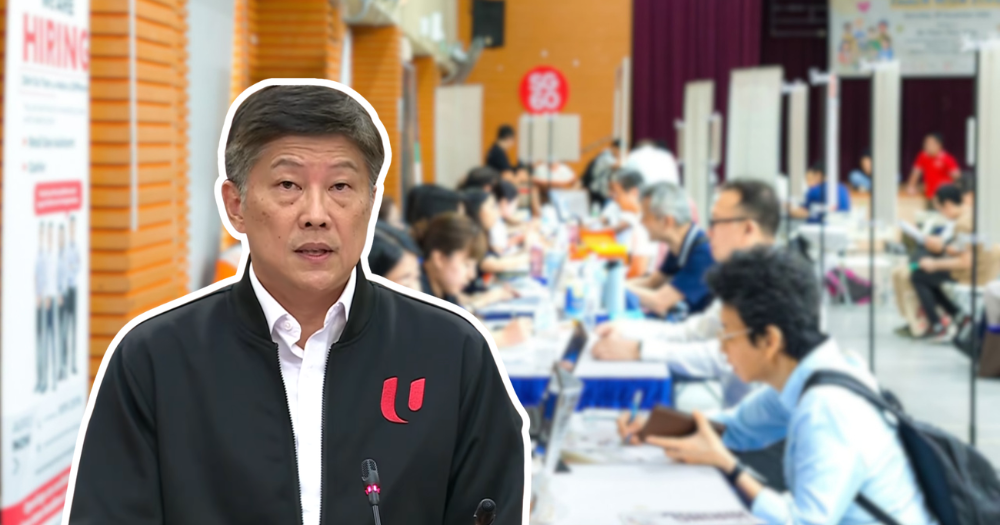
Singapore needs to ensure that the AI era benefits all workers, said Member of Parliament (MP) and NTUC Secretary‑General Ng Chee Meng.
To help workers build skills in artificial intelligence (AI), NTUC LearningHub will provide more than one million places for AI training over the next few years.
This move is part of NTUC's plan to scale up its AI-Ready SG initiative, through which more than 4,000 workers have embarked on AI training since its launch in February.
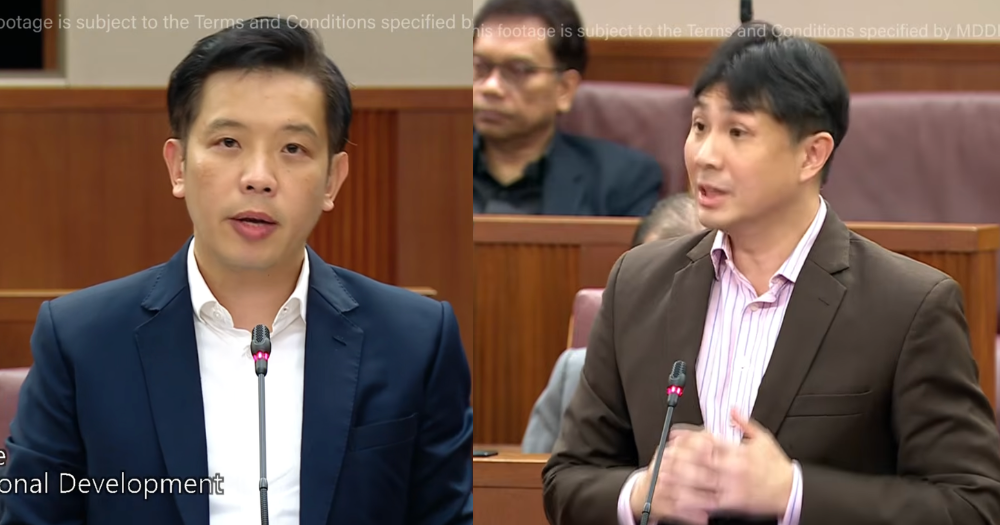
Speaking in Parliament on May 5, Ng also put forward a motion, "An AI Transition with No Jobless Growth", to call for early action to champion workers' interests as Singapore moves forward in an AI‑enabled economy.
AI that works for workers
Ng emphasised that people are Singapore's greatest strength, but AI is not optional.
The approach to AI adoption should not be "AI instead of workers", but AI that works for workers across all collars, he said.
Workers should thus be at the centre of the country's AI-driven economic growth.
Ng outlined four moves to support workers and enterprises through Singapore's AI transition.
1. Supporting workers
The first is to build market intelligence and foresight about the AI landscape that is tailored to Singapore, so as to provide workers with early and clear career guidance.
Workers need guidance on how to upskill, which roles are evolving and what new jobs are available.
Meanwhile, youths require clearer signals on which skills will open which doors, which will also ensure training pathways can be better designed to match their needs.
2. Uplifting enterprises
Singapore must also help enterprises to transform with AI in a way that benefits workers, Ng said.
He highlighted NTUC's Company Training Committees (CTCs), an initiative to uplift businesses and workers together.
Since 2019, more than 3,800 CTCs have been formed, and their projects and training have benefited more than 300,000 blue- and white-collar workers.
"This is how growth stays inclusive. Worker outcomes must be part of the business transformation plans — not left to chance, or treated as an after-thought," Ng said.
Moving forward, Ng proposed that the Singapore National Employers Federation (SNEF) co-lead the initiative with NTUC, as part of the new Tripartite Jobs Council, to expand it nationwide and reach more enterprises and workers.
Additional resources would be needed for this enhanced approach, and Ng said he hopes the government will provide support when funding requests are raised later.
3. Empowering workers through re-skilling
To help workers seize new job opportunities, Singapore needs to help workers upgrade their skills, Ng went on to say.
According to NTUC's 2026 Survey on Economic Sentiments, 56 per cent of professionals, managers, and executives (PMEs) surveyed felt that they need to upskill to keep pace with AI.
Apart from NTUC LearningHub's additional AI training places, the Union Training Assistance Programme will also be expanded to help offset the cost of subscriptions to selected AI tools.
4. Supporting displaced workers
As for displaced workers, Singapore must provide early support to help them bounce back with dignity and confidence.
Ng called for expanding the coverage of the SkillsFuture Jobseeker Support Scheme, which was launched in April 2025 to provide temporary financial relief and job search assistance to the involuntary unemployed.
Currently, only those with an average median income of about S$5,000 or less per month over the past 12 months are eligible for the scheme.
"But in the AI era, many PMEs earning above this level may face the same displacement risks, and the same need for structured transition support," Ng said.
He thus proposed adjusting coverage closer to the PME median gross income levels, saying that would better reflect the realities of the AI-driven disruption.
"Our aim is not to preserve old jobs. It is to help Singaporeans, over time, move more confidently into the next good job, faster," Ng noted.