Abroad


3 dead after suspected hantavirus outbreak on Atlantic polar cruise ship from Argentina to Cape Verde: WHO
Hantavirus is usually spread to humans from rodent urine, droppings or saliva.
May 04, 2026, 05:07 PM
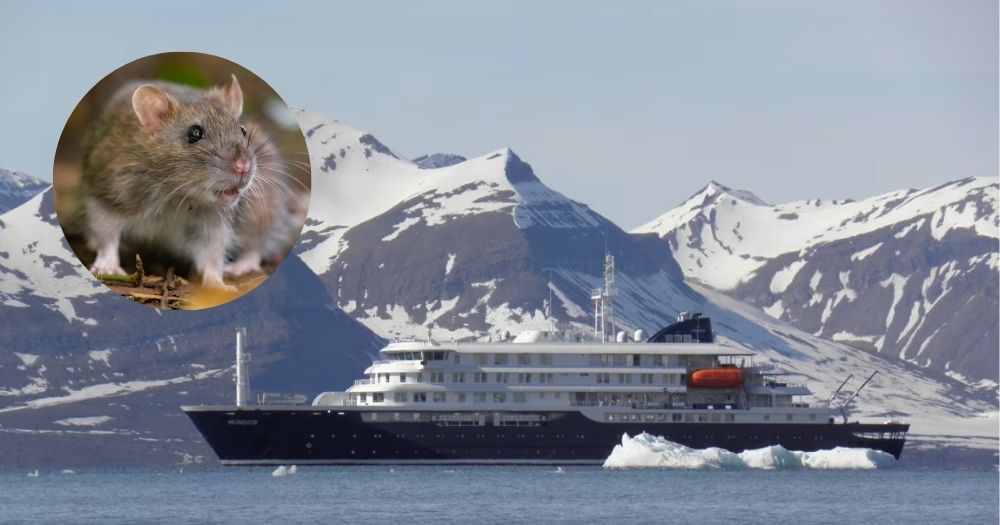
Top photo from Canva & Ocean Expeditions Website


Three people have died, and at least three others are ill aboard a cruise ship in the Atlantic Ocean from a suspected hantavirus outbreak.
The World Health Organisation (WHO) told the BBC that there was one confirmed and five suspected cases aboard the MV Hondius, a cruise run by tour company Oceanwide Expeditions.
The MV Hondius is a 107.6m polar cruise ship that can accommodate 170 passengers in 80 cabins, along with 57 crew members, 13 guides and one doctor.
On Mar. 20, the ship sailed from Ushuaia, southern Argentina, to Cape Verde, an archipelagic country off west Africa.
The ship completed its journey on May 4 and is currently anchored outside the capital, Praia.
The BBC reported that a 69-year-old UK national is in intensive care in Johannesburg, South Africa.
About 150 tourists onboard
A spokesperson for South Africa's health ministry, Foster Mohale, told the BBC that about 150 tourists from various countries were aboard the vessel.
Before WHO confirmed that there were three deaths, Mohale told BBC that at least two people, a Dutch couple consisting of a 70-year-old man and a 69-year-old woman, had died.
Mohale said the man suddenly became ill and developed a fever, headache, abdominal pain and diarrhoea, dying on arrival at St Helena, a British territory in the South Atlantic Ocean.
The woman also became ill on board and was evacuated to South Africa, where she died in a Johannesburg hospital.
In a press release, Oceanwide Expeditions said the third person who died was also Dutch, and preparations are being made to repatriate their body, along with a guest "closely associated" with them.
Two crew members requiring urgent care not able to disembark
In the press release, Oceanwide Expeditions said that two crew members require urgent medical care, but Cape Verdean authorities have not given the vessel authorisation to disembark those requiring medical care
"Disembarkation and medical screening of all guests require coordination with local health authorities, and we are in close consultation with them."
The tour company added that health officials have visited the vessel to assess the condition of the two crew members, but have yet to make a decision regarding their transfer.
"The health and safety of all passengers and crew is our highest priority. Oceanwide Expeditions is working closely with local and international authorities."
Hantavirus
According to the U.S. Centres for Disease Control and Prevention (CDC), hantavirus is usually spread to humans from rodent urine, droppings or saliva.
In rare cases, it can also be spread through a rodent bite or scratch. The virus does not spread from person to person.
The Hantavirus can cause two syndromes; the more common type in the Western Hemisphere causes Hantavirus Pulmonary Syndrome (HPS), a severe respiratory illness.
Symptoms such as fatigue, fever, muscle aches, headaches and abdominal problems usually show anywhere from one to eight weeks after contact with an infected rodent.
Four to 10 days after the initial phase of illness, late-stage symptoms include coughing and shortness of breath.
According to the CDC, 38 per cent of people who develop respiratory symptoms may die from the disease.