News


S'porean man, 46, executed after importing 1,009.1 grammes of cannabis
He was convicted of importing 1,009.1 grammes of cannabis on Feb. 24, 2021.
April 17, 2026, 08:43 AM


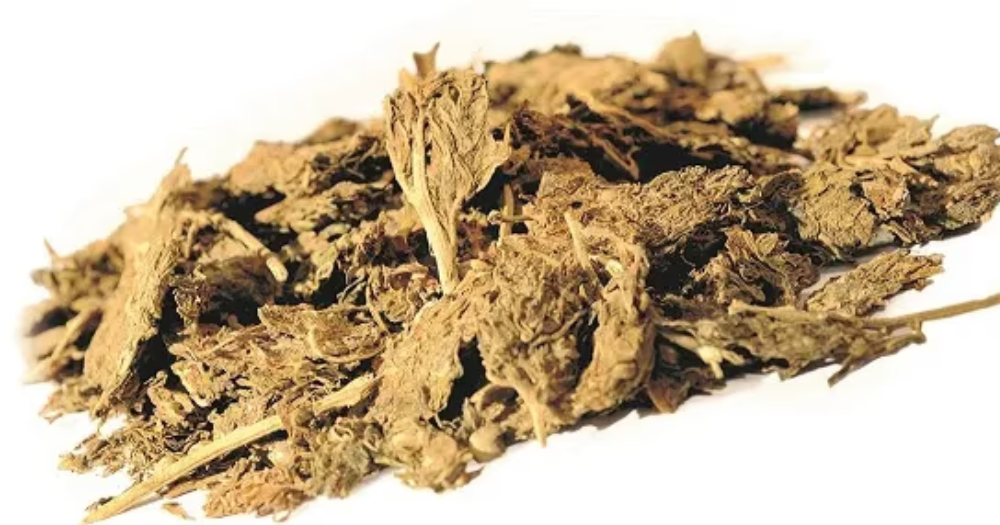
A Singaporean man, 46, who was convicted of importing 1,009.1 grammes of cannabis, was executed on Apr. 16, 2026.
Omar bin Yacob Bamadhaj was convicted of importing cannabis into Singapore on Feb. 24, 2021.
Under the Misuse of Drugs Act 1973 (MDA), the offence of importation of more than 500 grammes of cannabis is punishable with the death penalty, Central Narcotics Bureau (CNB) said in a press release.
1,009.1 grammes of cannabis is sufficient to feed the addiction of about 144 abusers for a week, CNB said.
Appeal failed
Despite an appeal, Omar’s conviction and sentence were upheld by the Court of Appeal on Oct. 12, 2021.
CNB stated that Omar was "accorded full due process under the law, and was represented by legal counsel during his trial and appeal".
Clarifications on allegations
CNB also addressed several allegations that have been made in relation to Omar’s case.
Omar entered Singapore from Malaysia via Woodlands Checkpoint by car on Jul. 12, 2018, they said.
Upon arrival at the Checkpoint, an auxiliary police officer conducted a routine check on the car and found a bag which belonged to Omar.
The bag contained three bundles wrapped in aluminium foil, cling wrap and newspaper.
The bundles were sent to the Health Sciences Authority (HSA) for analysis, and were found to contain not less than 1,009.1 grammes of cannabis.
Trial
At trial, Omar’s defence was that he did not know the nature of the bundles found in the car, CNB stated.
Omar also alleged that an officer had threatened to slap him if he did not admit to ownership of the bundles.
Additionally, he alleged that another officer had threatened to throw a pen at him and to hang both Omar and his father if Omar refused to cooperate.
The High Court eventually found that there were several material inconsistencies in Omar’s testimony and that his accounts were not reliable.
In contrast, several officers who were present at the time of recording Omar’s statements gave mutually corroborative accounts.
This was also supported by CCTV footage.
The High Court thus convicted Omar of the importation charge under the MDA after finding that Omar knew the nature of the bundles and that he had intentionally brought them into Singapore.
Appeal and post-appeal applications
Omar appealed against his conviction and sentence.
On appeal, the Court of Appeal was satisfied that the High Court had examined the evidence carefully and saw no basis to interfere with the High Court’s decision, CNB stated.
Following the dismissal of his appeal, Omar was involved in four post-appeal applications.
All of these applications were dismissed or resolved, CNB clarified.
After Omar was notified that his execution was scheduled to take place on Apr. 16, 2026, CNB said he filed a legal application to commence a review application against the decision in his appeal against his conviction and sentence.
Omar raised the same allegation that an officer had threatened to slap him, CNB said.
As Omar had not furnished any new or sufficient material, the Court of Appeal found that there was no basis to grant the application and thus dismissed the application on Apr. 15, 2024.
Omar also made petitions to the President for clemency, which were unsuccessful.
"Capital punishment is imposed only for the most serious crimes, such as the importation or trafficking of significant quantities of drugs which cause very serious harm, not just to individual drug abusers, but also to their families and the wider society," CNB said.
Top photo from CNB