



News


S'pore homeowner claims upstairs neighbour didn't comply with noise agreement, including 1cm thick carpets
About a month after they reached an agreement, the claimant alleged that the neighbour violated the terms, and sought another court order.
April 16, 2026, 06:55 PM


An HDB homeowner sought legal help over a neighbour who lived directly above them, alleging that they caused excessive noise from furniture dragging and excessive vibration from their ceiling fan.
After a claim was filed with the Community Disputes Resolution Tribunals (CDRT), both sides negotiated the dispute online and entered into a settlement agreement on Oct. 3, 2025.
However, just a little over a month later, on Nov. 13, the claimant applied for a special direction, saying the respondent did not comply with all the terms of their agreement.
Settlement agreement
According to a judgement published online on Apr. 13, the two sides agreed to several terms on Oct. 3, 2025.
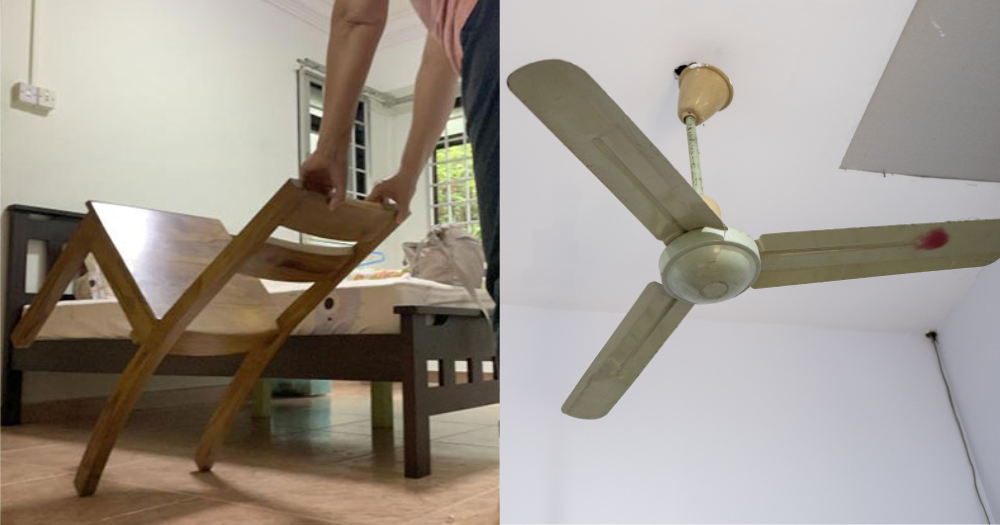
To reduce the noise of furniture dragging, the respondent said they would attach items such as chair socks or felt pads to all furniture, and place rugs or mats in the rooms above the claimant's bedrooms.
They would also refrain from dragging or scraping their furniture during "quiet hours" as stipulated by HDB, which is from 10:30pm to 7am.
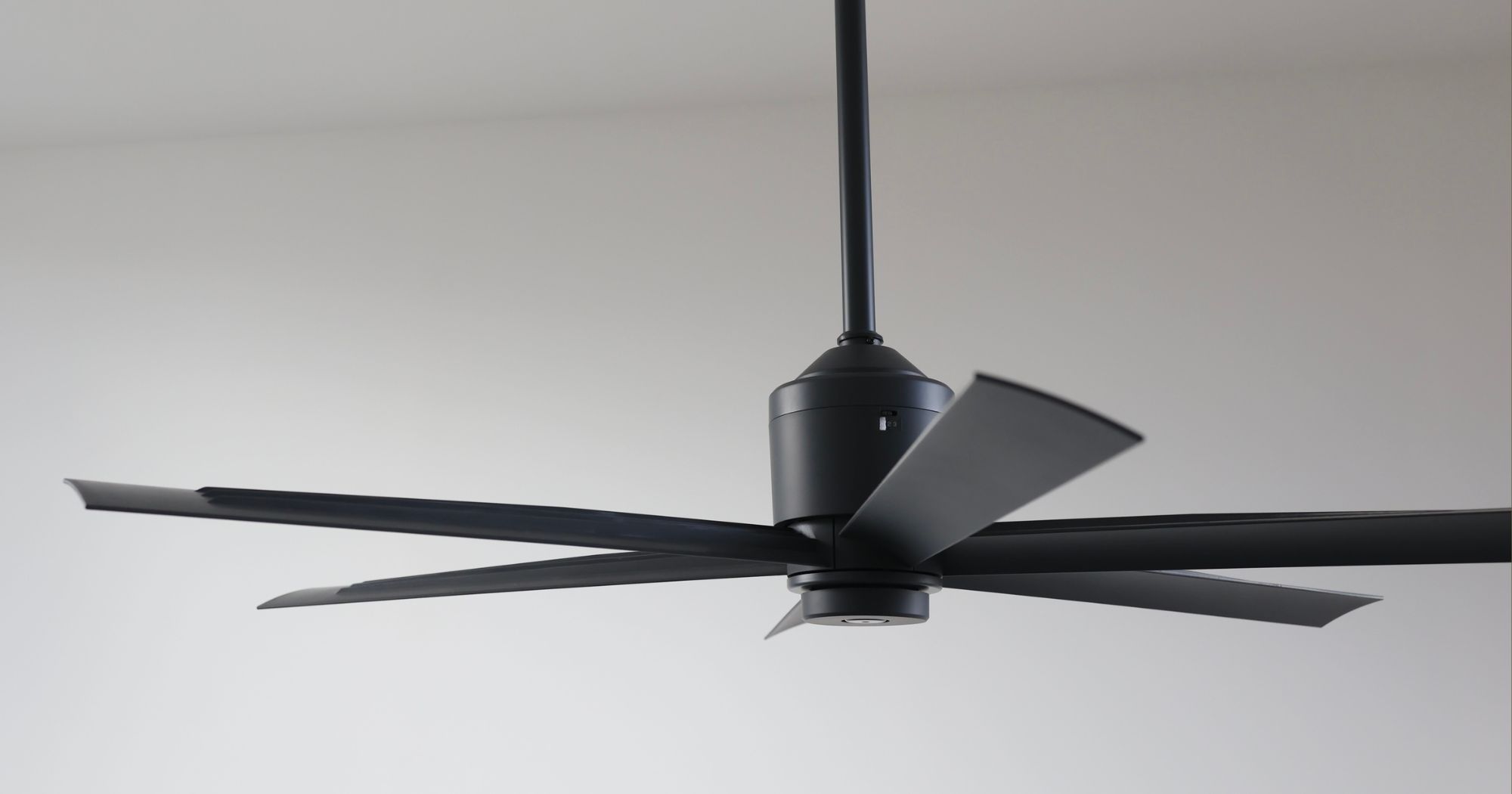
Additionally, the respondent agreed to either repair or replace the ceiling fan in their master bedroom and install anti-vibration accessories.
Until this was done, they would not operate any ceiling fan during the quiet hours.
These actions were to be taken within five days of the consent order.
Failed to comply
According to the claimant, the respondent did not adequately take these actions.
The claimant argued that the respondent should have used cushioned rugs or carpets that are at least 1cm thick and are sufficiently wide to "continuously cover all legs of the chairs throughout their full range of movement".
The felt pads or chair socks should also be secure and effective, the claimant added.
The judge, however, said that under the terms of the consent order, the respondent is not required to use materials of a specific type, thickness, or effectiveness.
The judge also found that there was some dragging or scraping from the respondent's house during the quiet hours, but said the requirements were not absolute.
The respondent was required to exercise reasonable care and limit the noise, not ensure there is zero noise.
As for the ceiling fan, however, the judge found that the respondent did not comply with the two terms, as the claimant alleged.
The respondent replaced the master-bedroom ceiling fan, but has not installed proper anti-vibration accessories, and did not explain why.
The respondent also used the fan during quiet hours, the judge said.
Special direction allowed
The judge granted the claimant's application for a special direction and instructed the respondent to comply with the requirements about the ceiling fan by Jan. 29, 2026.
A failure to comply with a special direction without a reasonable excuse constitutes an offence, and they may be liable on conviction to a fine or imprisonment.
The judge also encouraged both parties to attend mediation at the Community Mediation Centre if their dispute continued.
Top images from Canva and Shin Min Daily News (for illustration purposes only)