Abroad


Higher S’pore VEP fees prompt M'sians to reconsider trips, 2027 rates set at S$50 for cars & S$7 for motorcycles
VEP fees in Singapore for foreign vehicles are S$35 for cars and S$4 for motorcycles now.
April 10, 2026, 02:18 PM
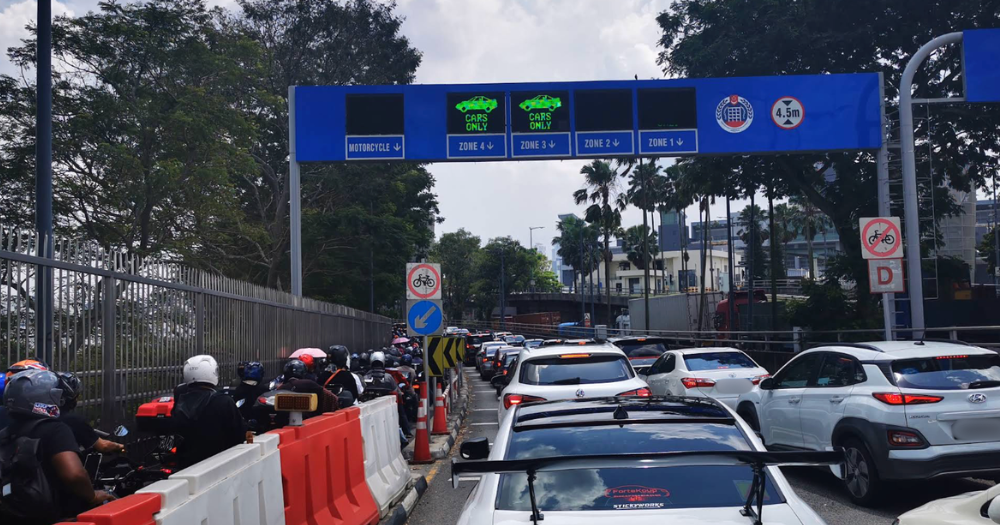


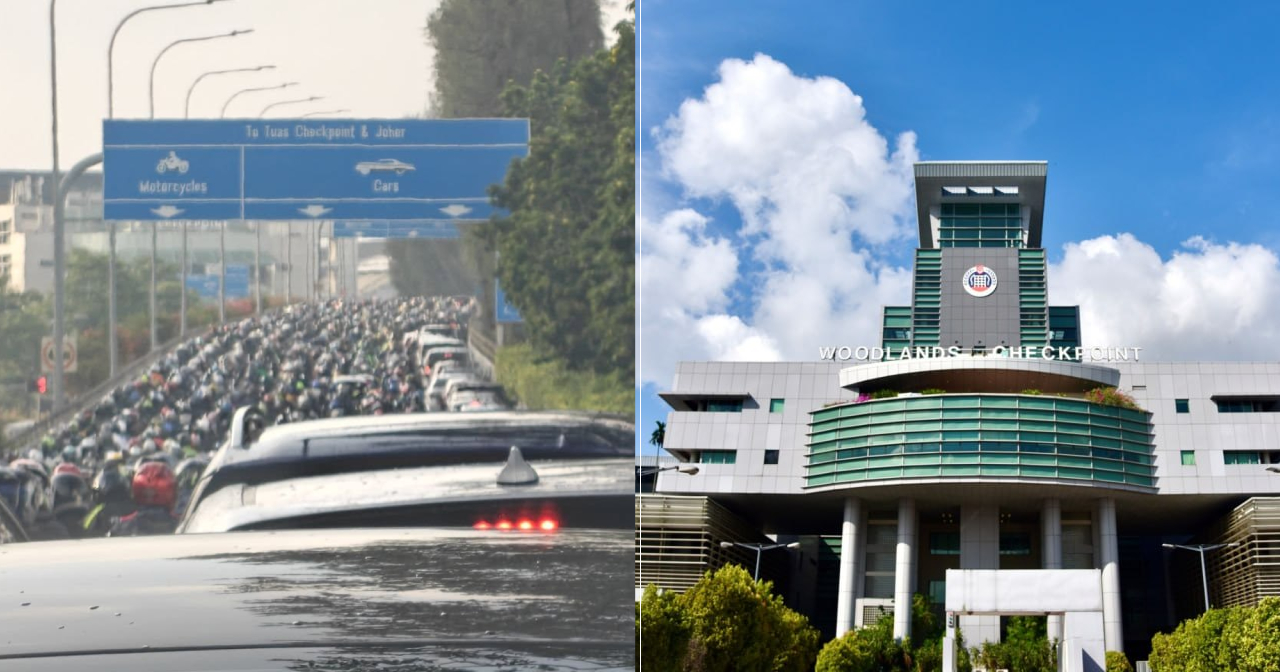
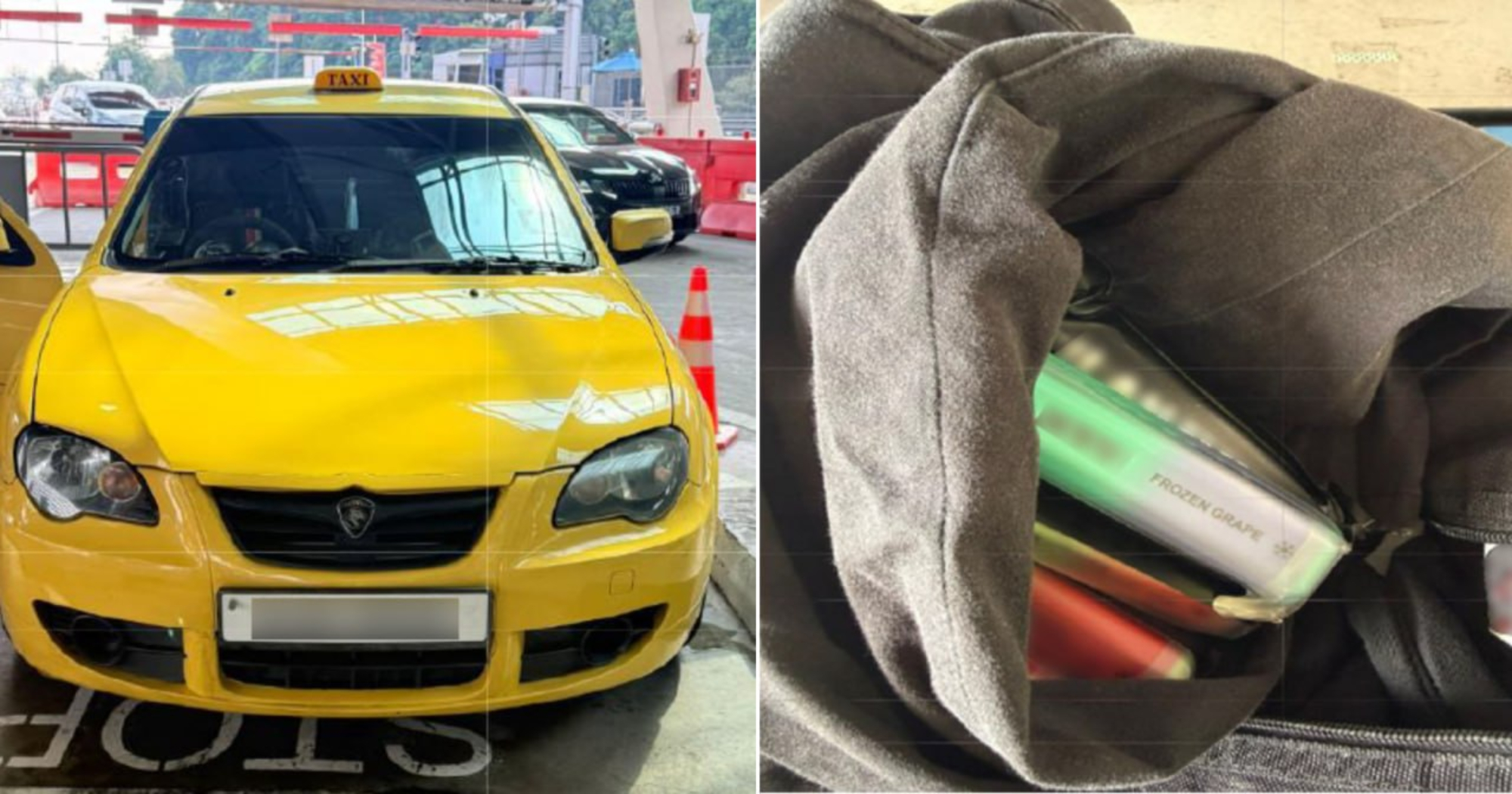
From Jan. 1, 2027, Singapore’s Vehicle Entry Permit (VEP) fees will increase, prompting many Malaysians to reconsider cross-border travel.
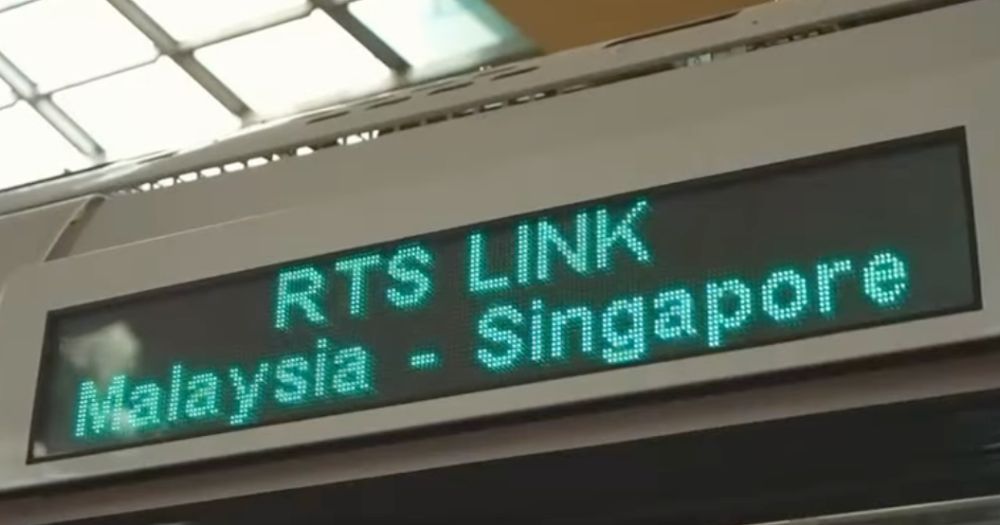
The Star reported that Malaysians are planning to avoid trips on weekdays and hope to pivot to public transport once the Rapid Transit System (RTS) Link is ready, which is slated to be before 2026 is up.
For foreign-registered cars and motorcycles, the Vehicle Entry Permit (VEP) fee will be raised to S$50 and S$7 per day, respectively, in 2027.
Current VEP fees are S$35 for cars and S$4 for motorcycles.
LTA's changes
The Land Transport Authority (LTA) had previously announced the fee increase in a Feb. 6, 2026 news release.
LTA said the VEP fee will apply on all days, except on weekends and Singapore public holidays.
The concessions of 10 annual free VEP days and free VEP hours on weekdays were also removed.
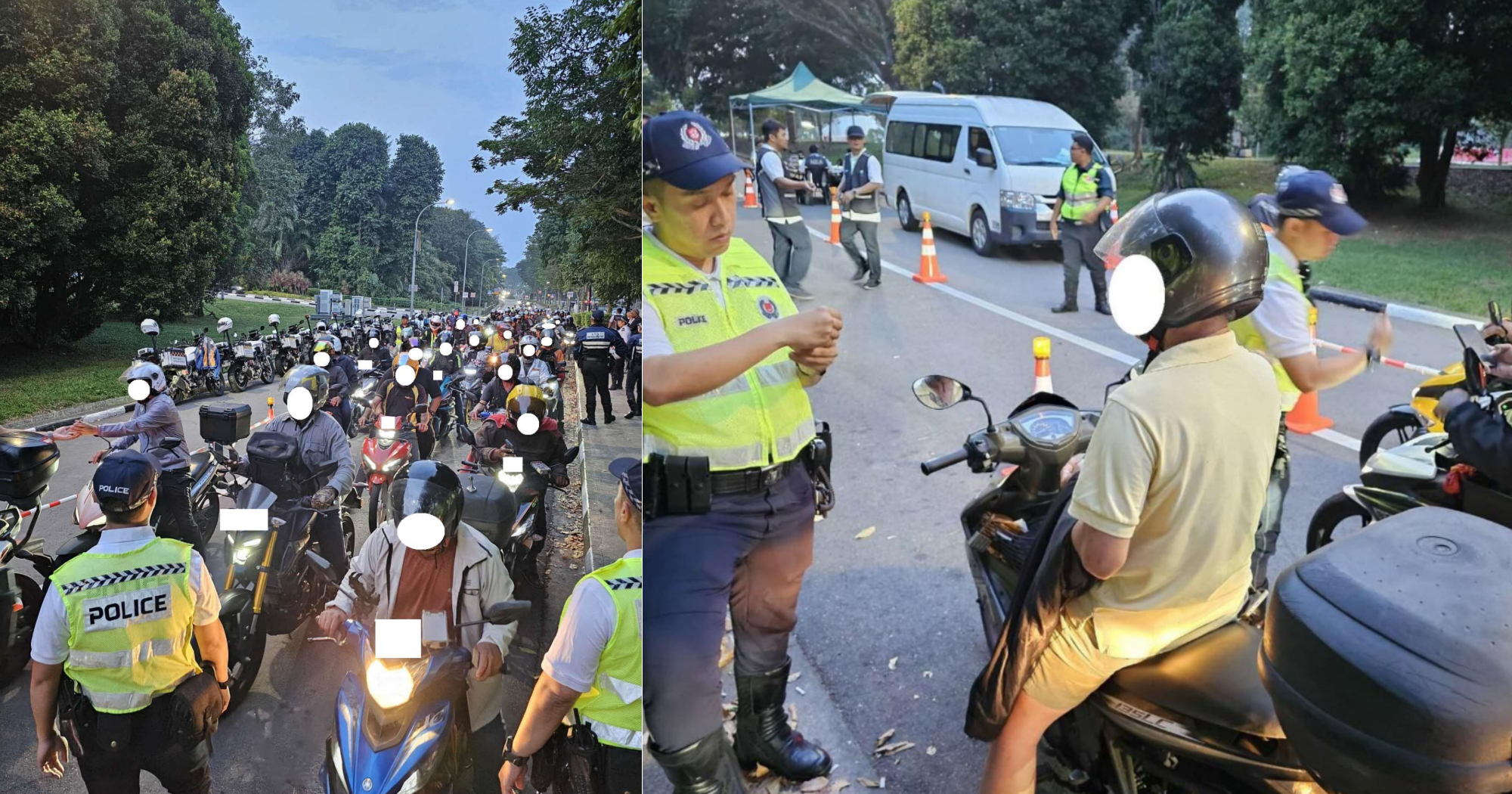
LTA noted that, in preparation for the use of the Electronic Road Pricing 2 (ERP2) system for road charging, foreign motorists can install the new ERP2 On-Board Units (OBU) on their foreign-registered vehicles from Apr. 1, 2026
However, it is not mandatory for foreign-registered vehicles.
A flat-rate ERP fee of S$3 for motorcycles and S$10 for all other vehicles will be charged
Goods Vehicles Permit (GVP) will also be raised to S$70 per calendar month from S$40.
Cutting down cross-border trips
The Star spoke to a Johorean, known as Ng, 37, who said he plans to reduce non-essential trips to Singapore due to the increased charges.
Ng said: “I’m disappointed that the 10 free VEP days will be removed, as I sometimes enter Singapore on weekdays to run errands. I will avoid weekday trips unless absolutely necessary to save costs.”
He also noted an imbalance, as Singapore motorists entering Malaysia pay only RM20 (S$6.40) for Malaysia's VEP.
Sam Chia, 35, told The Star that she plans to switch to public transport, especially the RTS, once it opens.
A daily commuter, K. Prabakaran, 35, told The Star that monthly expenses would increase significantly due to both the VEP and the added cost of ERP2's implementation:
“I ride a motorcycle to work daily and currently spend about S$80 (RM250) a month on VEP fees. This will rise to S$140 (RM437) next year.”
He said: "The [OBU] installation for Malaysian motorcycles costs more than S$200.”
Logistics sector
Johor Trucking Association president Chai Pei Yoon told The Star that the logistics industry will be affected and the policy "may indirectly affect the price of goods and services".
Chai said surging oil prices, cash flow constraints and policy changes are currently squeezing the industry's profit margins, and the GVP would add to these concerns.
She said operators may decide to install the OBU even though it is not mandatory.
Until Dec. 31, 2026, for trucks, the OBU's cost is S$158.70, inclusive of 9 per cent goods and services tax.
Chai told The Star that installation costs around S$240 for Malaysian trucks.
She noted that this was to avoid the new flat-rate ERP charges of S$10 per day, which could amount to a monthly fee of nearly RM1,000 (S$321) per truck.
Chai said the association's advice to its members was to consider OBU installation.
Related article
Top photo from Jean-Emmanuel Pierré/Google Maps