News


Iran War crisis to hike S’pore’s electricity costs, hit manufacturing, tourism, food service sectors: Gan Kim Yong
Gan warned that electricity tariffs had yet to fully reflect recent price spikes.
April 07, 2026, 02:05 PM
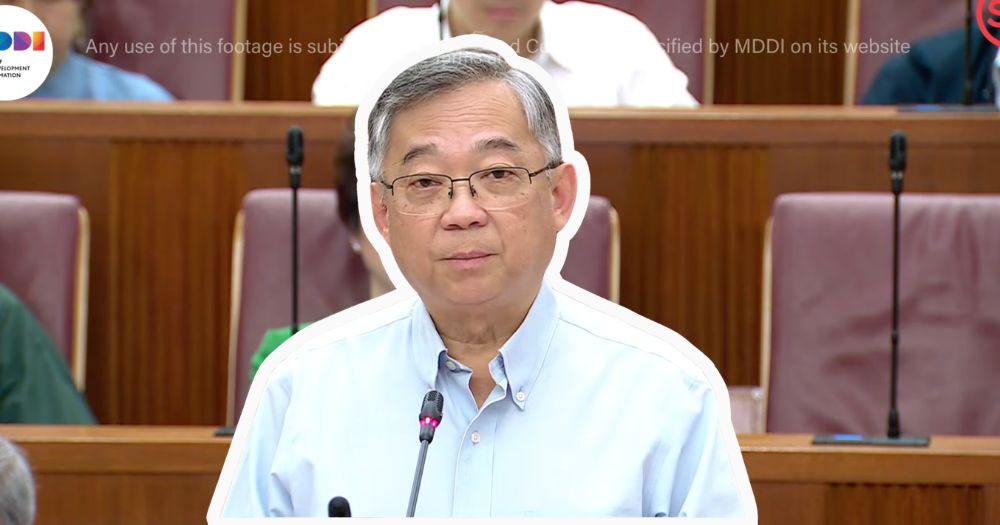

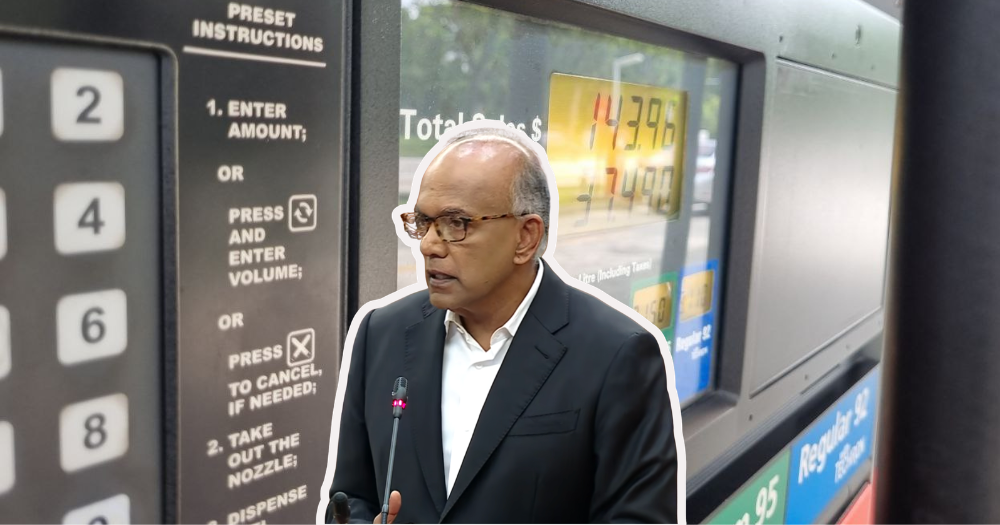
 Deputy Prime Minister and Minister for Trade and Industry Gan Kim Yong delivered a ministerial statement in parliament on Apr. 7.
In his statement, he addressed the “impact of the Middle East situation on Singapore”, speaking about how the War on Iran and subsequent closing of the Strait of Hormuz had caused a global shortage of energy supplies, including oil and gas.
Gan set the stage by saying that the passage of oil and gas through the Strait of Hormuz was a significant portion of global seaborne oil, predominantly bound for Asia, as well as how the current disruption was the worst since 1973.
The disruption has seen fuel prices spike, with crude oil rising by up to 70 per cent, and liquefied natural gas (LNG) prices doubling.
The impact was not just confined to energy, affecting other critical sectors such as fertilisers or aluminium, and the disruptions would “cascade through the global economy”.
Homefront Crisis
Gan warned that Singapore, as a small and highly open economy, would not be able to isolate itself from the crisis and had to respond with a “coordinated, multi-agency effort to cushion the impact on our people and our economy”.
This was why the government has convened the Homefront Crisis Ministerial Committee, which Gan said would focus on several areas:
- Securing essential supplies, such as LNG and diesel for power, or jet fuel and motor gasoline.
- Strengthening Singapore’s economic resilience, helping businesses to preserve their productive capacity and capability, and by facilitating their transformation where necessary.
- Providing targeted help for those most affected by the crisis, such as businesses in the energy and chemicals cluster, platform workers, and low-income families.
- Helping workers with training and employment support, as well as providing households with broad-based help to address cost-of-living concerns.
Gan noted that MTI had upgraded Singapore’s growth forecast from 2 to 4 per cent in February, before the onset of the War on Iran.
He said that early data indicated that economic activity continued to be resilient in the first quarter of 2026, but future quarters were likely to be affected by the ongoing conflict.
Sector impacts
Some sectors were expected to face a stronger impact than others.
In manufacturing, industries that relied on natural gas, crude oil and its derivatives as feedstock were expected to face the most direct impact.
Higher fuel and electricity costs would affect a wide range of industries, particularly energy-intensive clusters like electronics and precision engineering.
Sectors like tourism, air and sea transport, would face higher costs but weaker external demand; while domestically oriented sectors like food services and private land transport will face higher operating costs including utilities and fuel.
These impacts will “weigh on economic activity” to an uncertain extent, and MTI will monitor developments and update its GDP forecast in May.
Impact on Singaporeans
Gan said that Singapore imported nearly all its energy, and that rising global prices will "inevitably raise fuel and electricity costs for Singapore”.
Gan gave the example of Singapore’s regulated electricity tariff, 95 per cent of which is generated from natural gas and whose price was pegged to market prices.
The regulated electricity tariff had increased 2.1 per cent to 27.27 cents per kilowatt hour for the second quarter of 2026, but that “relatively modest” price increase was due to the tariff being based on prices from January to the middle of March, only capturing “a small portion of the recent fuel surge”.
Gan warned that Singaporeans should “expect a much sharper increase in the next tariff adjustment”, fully reflecting the higher fuel costs.
Inflation too is now expected to be higher than earlier projected for 2026, after inflation had broadly eased in 2025, due to fuel and commodity prices increasing due to the conflict.
“If the conflict is protracted, higher inflation in our source markets could also lead to further increases in import prices over time.”
Households will feel such price increases in the form of more expensive electricity, transport, and daily necessities; increases that will affect low-income households more “as a larger share of their spending goes towards essentials”
Longer-term impact
Gan said that the crisis was unlikely to end soon, and that Singaporeans must be prepared for “its effects to persist for some time”.
He further warned of the risk of escalation, through damage to energy infrastructure, or a prolonged blockade of the Strait of Hormuz”, which could in turn trigger a global energy crunch, slowing growth and increasing inflation.
Gan said it was critical that Singapore strengthen partnerships with like-minded countries, upholding an open and rules-based trading system.
“As a trading nation, keeping faith with our partners and maintaining our credibility is crucial. We must foster the free flow of energy and goods as far as possible.”
In this way, Prime Minister Lawrence Wong had spoken to his Australian counterpart Anthony Albanese to commit to the flow of essential goods, such as petroleum oils and LNG between Australia and Singapore; as well as the PM of New Zealand, Christopher Luxon.
Asean Foreign and Economic ministers have discussed the importance of maintaining stable, open and reliable global energy supply chains, as well as minimising disruptions to the flow of essential supplies.
Everyone must do their part
Echoing a speech delivered by PM Wong the previous week, Gan called on all Singaporeans, government, businesses, and households to do their part to conserve energy.
Singapore had to press on with the Economic Strategy Review’s recommendations to ensure Singapore’s economy remained resilient and competitive in a more challenging global environment.
“If we stay disciplined, deepen our trust in each other, preserve our capabilities, and use this period to sharpen our competitive edge, Singapore will be well placed not only to weather this crisis, but also to emerge stronger from it.”
Top image via MDDI/YouTube