Features


'I’m still working on loving the new me': Raybe Oh, 32, on her physical recovery, healing & dealing with insecurities
"I can’t change what has already happened. But I can change how I move forward," Oh said.
March 08, 2026, 11:30 AM



It was Feb. 13, 2021, the second day of Chinese New Year. A day typically meant for reunion dinners and visiting relatives.
For Raybe Oh, it would also be the day she lost her fiancé and friends in a car crash.
"I was terrified," she recalled softly, describing the loud screech of a speeding car skidding out of control.
Almost instinctively, she ran towards the vehicle. But before she could reach it, the car burst into flames.
Despite the explosion, Oh only had one thought: to get them out.
She rushed forward and desperately tried to wrench open the car door, but her skin soon came into contact with the flames.
"I didn't feel any pain," she said. "It might have been the adrenaline rush."
She eventually found herself sitting by the roadside, still clinging to the hope that she could see her fiancé and friends rescued alive.
Then, the pain came. It was searing and overwhelming.
Unable to bear it, she asked another friend to call an ambulance.
At first, Oh thought her burns were minor — something that could be treated with simple dressings.
Not wanting to worry her family during the festive period, she told the paramedics not to contact them.
But they refused.
"Your burns are very serious. You need to inform your family," they told her.
The last thing Oh remembered clearly was asking for a mirror to look at her injuries. After that, everything dissolved into a blur as she drifted in and out of consciousness.
She would spend the next four months in the hospital.
Endless procedures
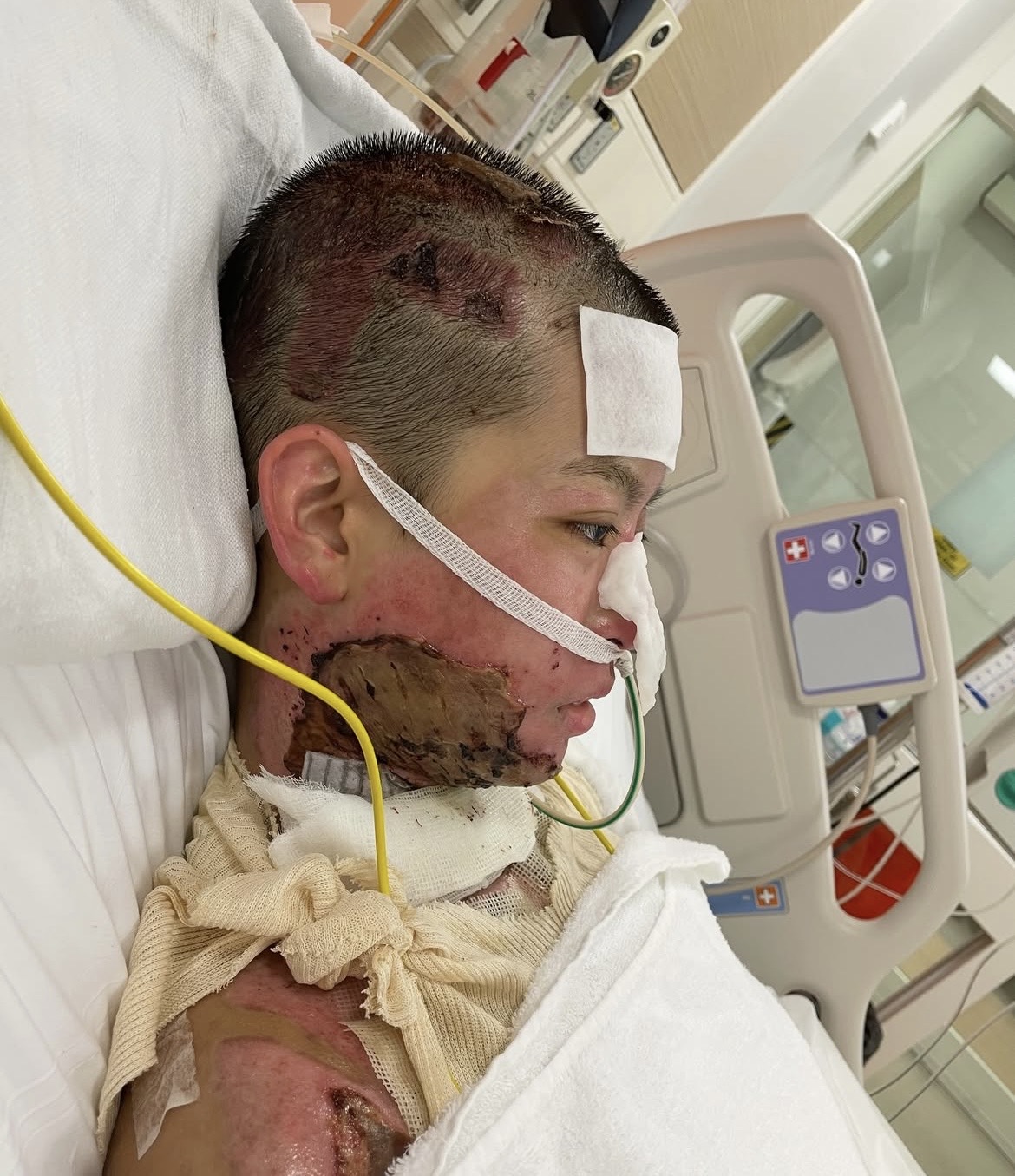 Photo from @raybeohhh/Instagram.
Oh had suffered burns to 80 per cent of her body. Over the course of her hospitalisation, she underwent more than 50 surgeries.
There were multiple skin grafts, as well as flap surgery — a complex reconstructive procedure in which healthy tissue, complete with its own blood supply, is moved from one part of the body to another to repair severe wounds.
This was necessary as she did not have enough healthy skin for grafting.
She explained that doctors had attached healthy tissue to the damaged area on her hand, and they had to wait for blood vessels to grow into the scar tissue.
To ensure the tissue survived, she was forced to keep her hand in the same position for two to three weeks.
As a result of the burns, Oh also lost the ability to regulate her body temperature. She would feel cold one moment and unbearably hot the next.
About 10 per cent of the function in her hands was permanently lost.
She also developed contractures — a condition where scar tissue tightens and restricts movement — around her neck and hands.
Even after being discharged, Oh had to attend weekly physiotherapy sessions for one to two years.
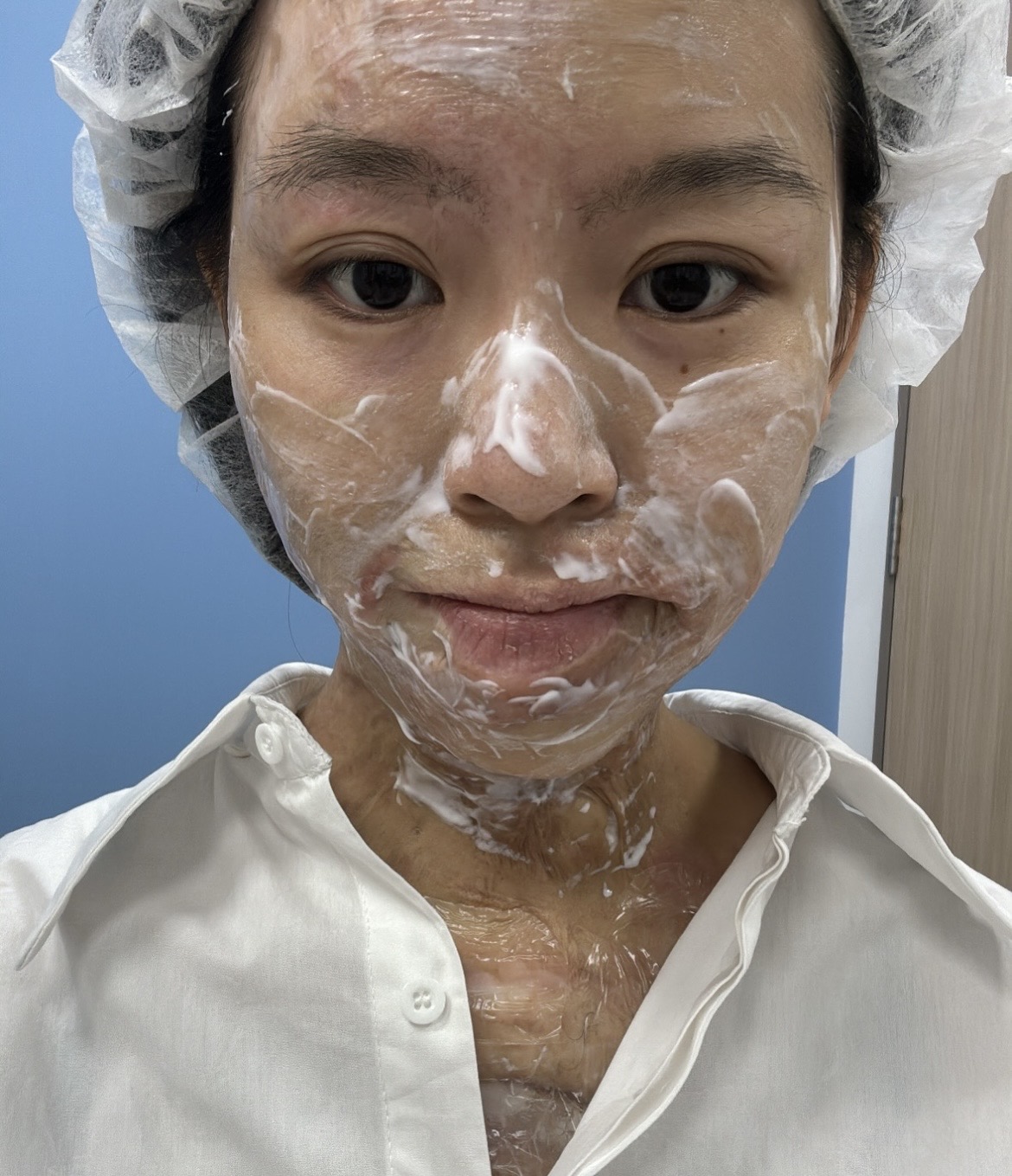 Photo from @raybeohhh/Instagram.
Yet when asked how she felt about the seemingly endless cycle of surgeries and treatments, her answer was unexpected.
"I actually looked forward to them," she said. "With every one, I felt like I was a step closer to getting better."
Still, the physical pain was only one part of the battle.
Receiving the news
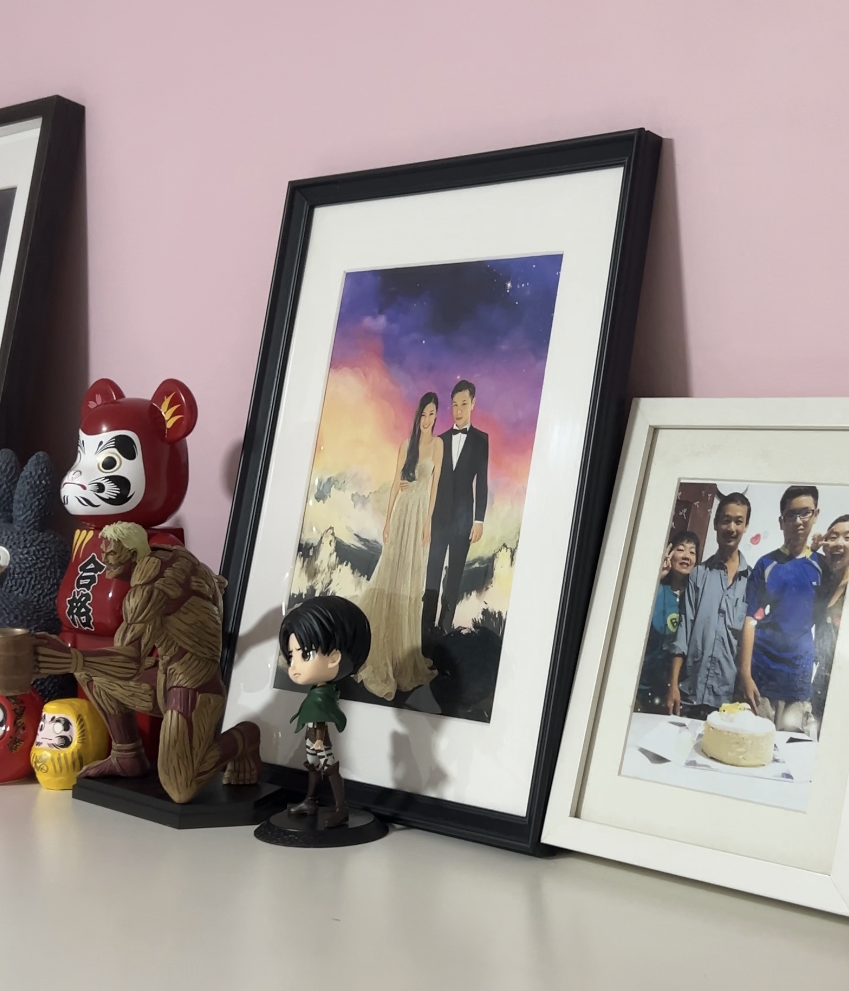 Photo by Mothership.
Oh only found out about the deaths of her fiancé and friends one to two weeks after the accident.
At the time, the physical pain consumed her so completely that she could not process anything else.
One night, while a nurse was helping her change her dressings, she gathered the courage to ask about them.
The nurse asked gently: "You didn't ask your mother about it?"
She had not.
Oh was then asked: "Do you think you're ready to know?"
Then came the question that said everything without saying it directly: "Under those circumstances, what do you think are the chances of them living?"
The silence that followed confirmed her worst suspicions.
The weight of reality only fully sank in after Oh was transferred out of the intensive care unit (ICU).
That was when she finally broke down.
"[The emotions] come in waves," she said. "Sometimes I would think that I'm over it... but then the feeling comes back again."
Everything was the same, yet it felt so different
Returning home after four months in hospital might seem like a good thing, but for Oh, she described it as one of the lowest points in her life.
"I had to learn how to walk again," she said, adding that she was unable to do the most basic things, such as shower on her own or change her clothes.
The house was the same. The neighbourhood was the same. Yet, everything felt different.
When asked if she had ever thought about giving up, Oh did not shy away from the truth.
She admitted thinking: "Maybe giving up is the easier way out."
But whenever the thought crossed her mind, she saw her mother.
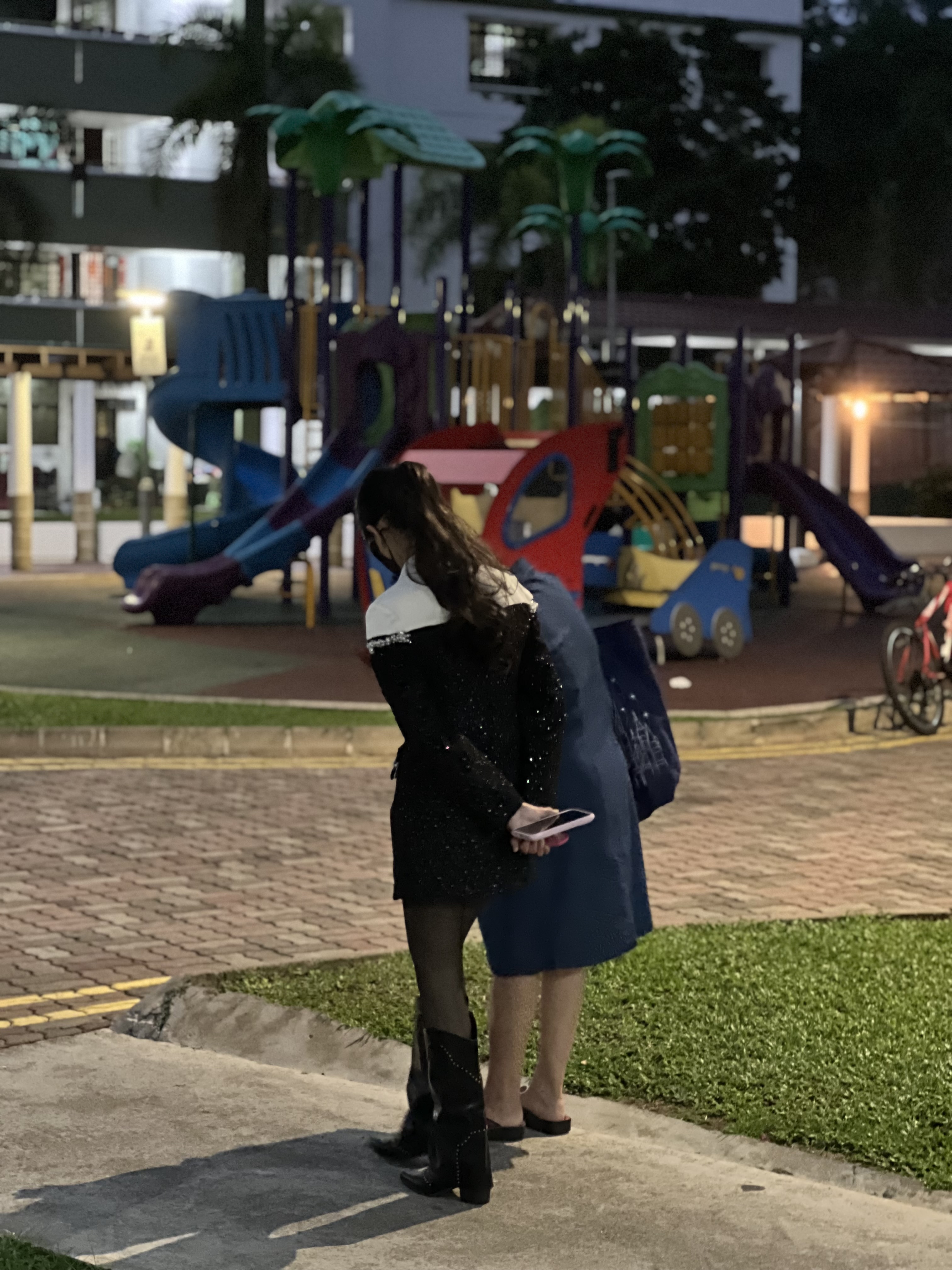 Oh and her mother waiting for their ride to the getai performance. Photo by Mothership.
The woman whom Oh had seen as a strict "Tiger Mum" and someone she had never been particularly close to, had stayed by her hospital bed for about 12 hours every day when she was hospitalised.
Seeing her mother’s unwavering care changed something in her.
"I felt like no matter what, I need to stay strong for her," Oh said.
Her father, brother, friends and her late fiancé's family also rallied around her.
"I’m actually an extrovert," she added, her eyes lighting up. "I get energy from socialising."
Midway through our conversation, there was a knock on the door.
Upon opening the door, Oh was handed a bouquet of flowers — a delivery from her friend to cheer her on for her getai comeback.
"My friend gave me these flowers. She's so sweet," she gushed.
It was a small moment, but one could tell just how much the support of her loved ones meant to her.
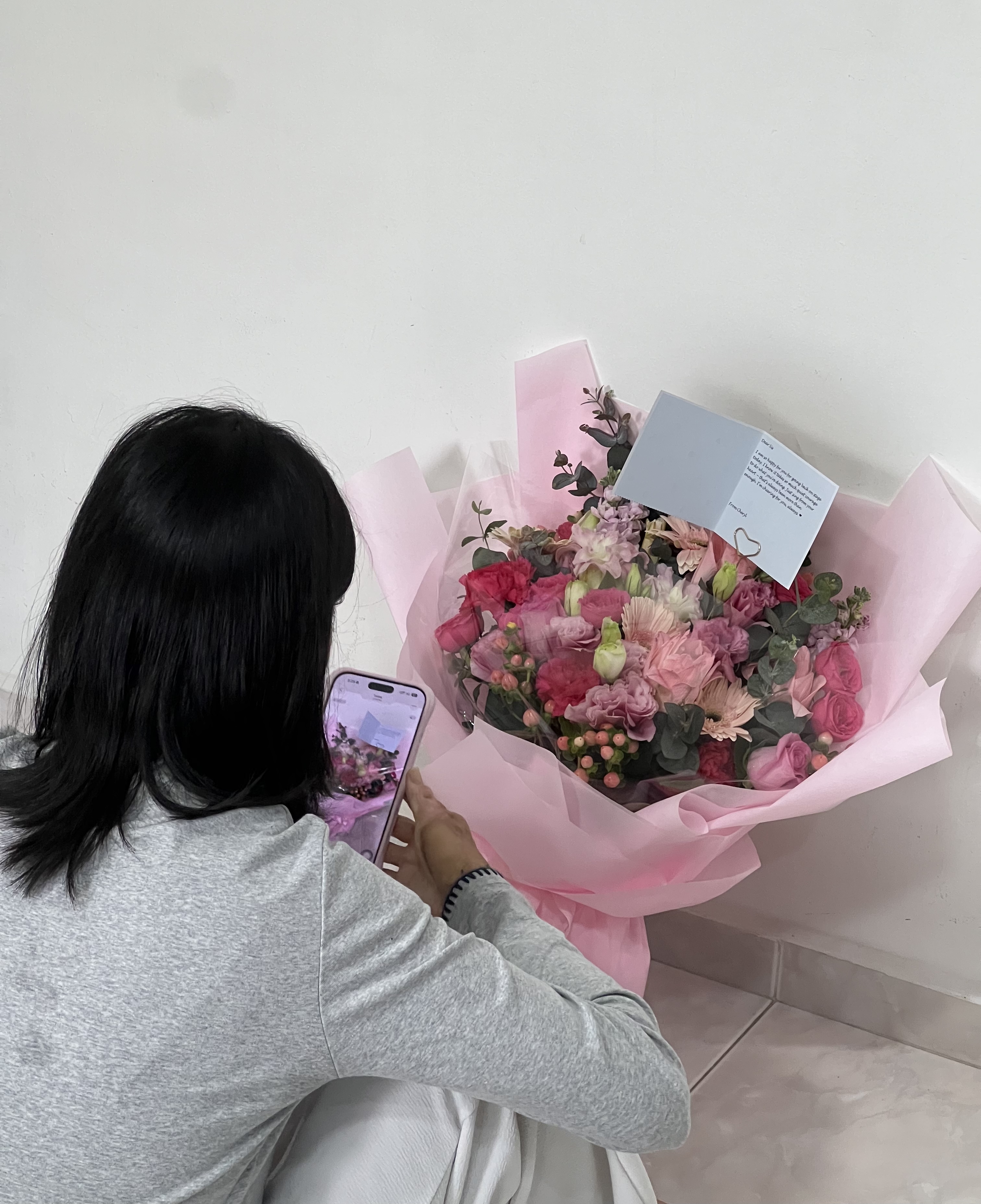 Oh with the bouquet her friend sent. Photo by Mothership.
A new identity
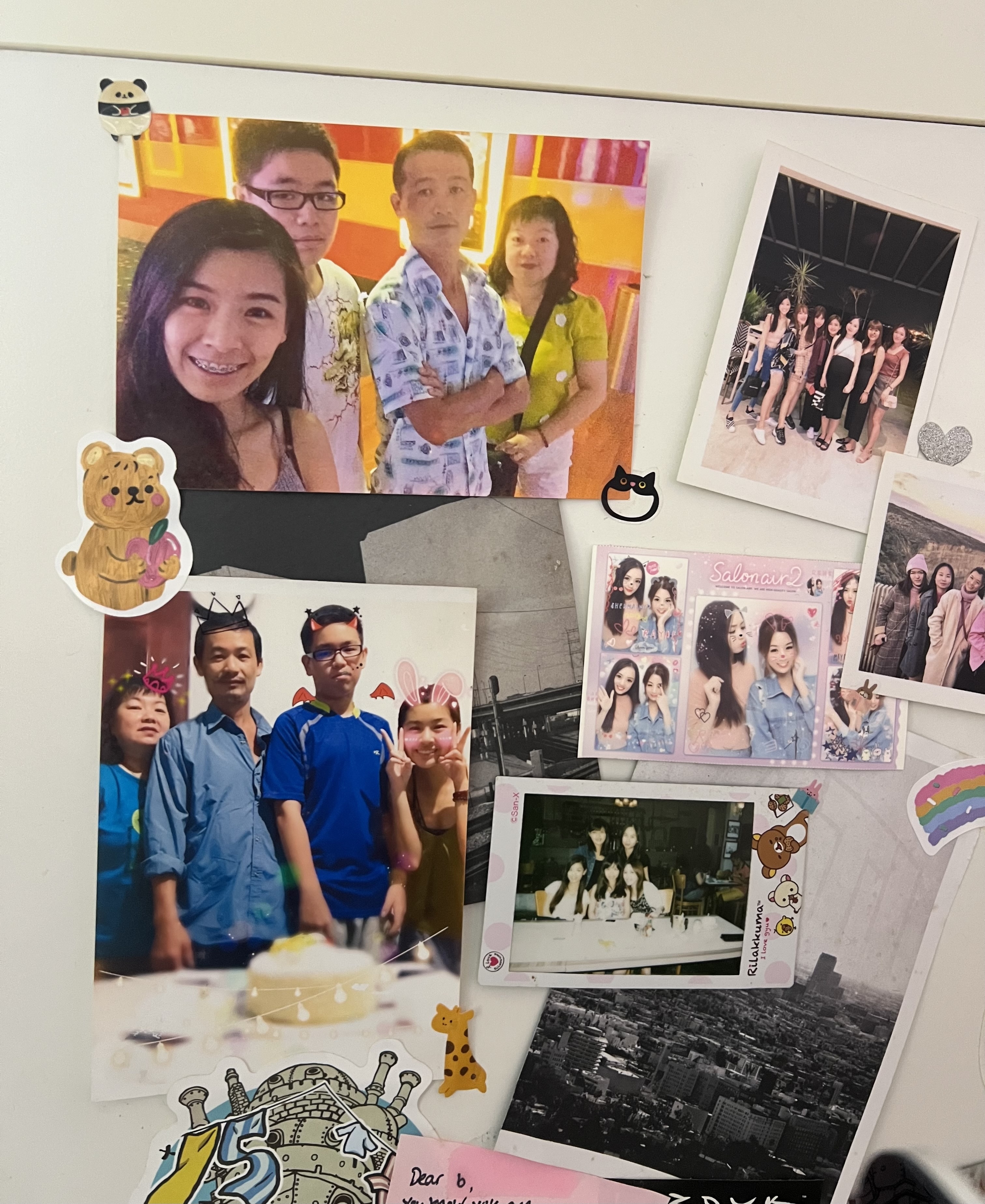 Photo by Mothership.
And there is the struggle of accepting her appearance now.
As a former cabin crew member and a singer, she admitted she used to be confident and comfortable in her own skin.
"Now, I actually lost that identity," she said, her hands clasped tightly together.
But with the support of her friends and family, Oh said she is learning to embrace the person she has become.
She added with a small laugh that she considers herself fortunate to have a naturally happy-go-lucky disposition.
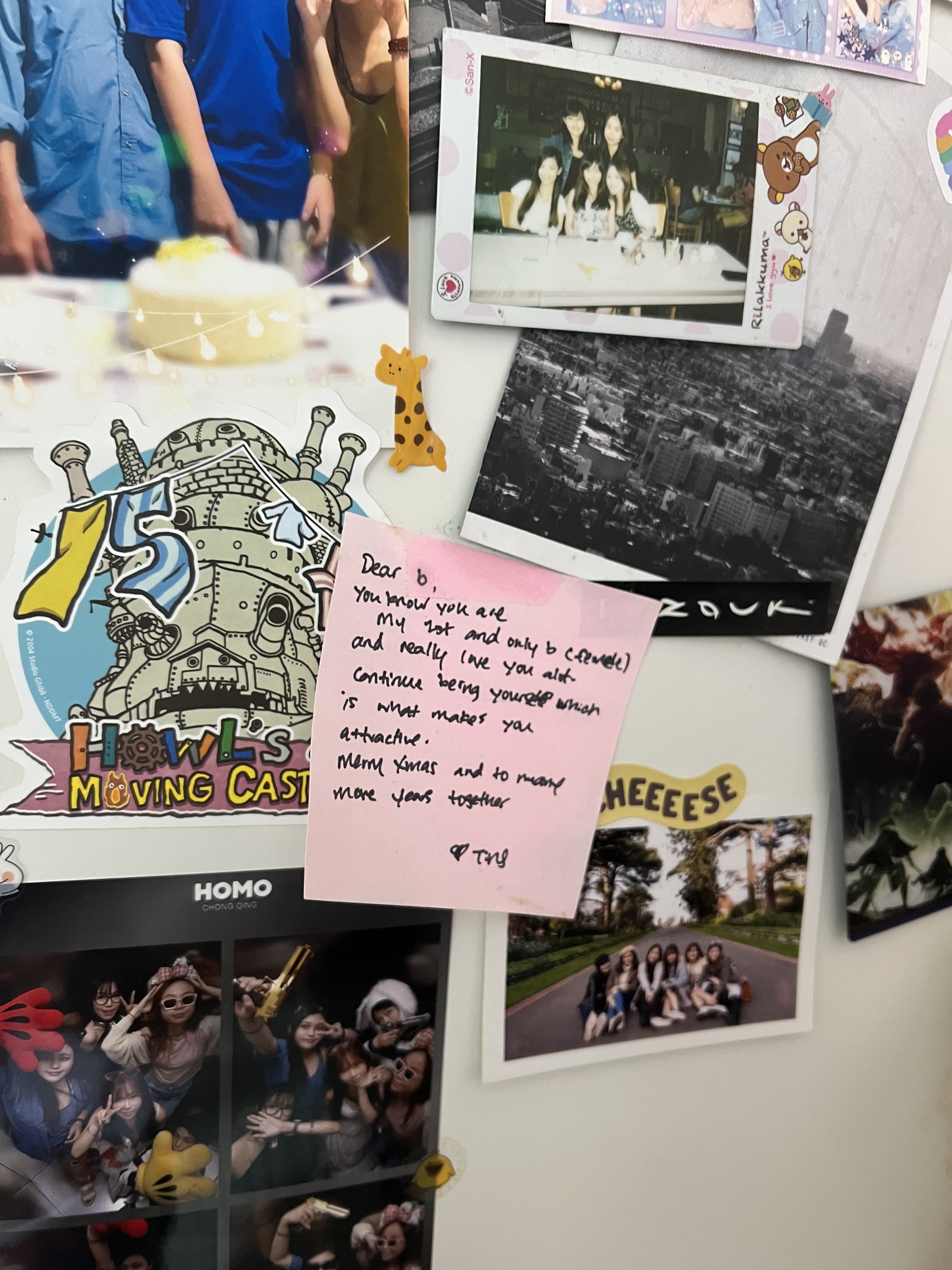 Photo by Mothership.
Dealing with loss
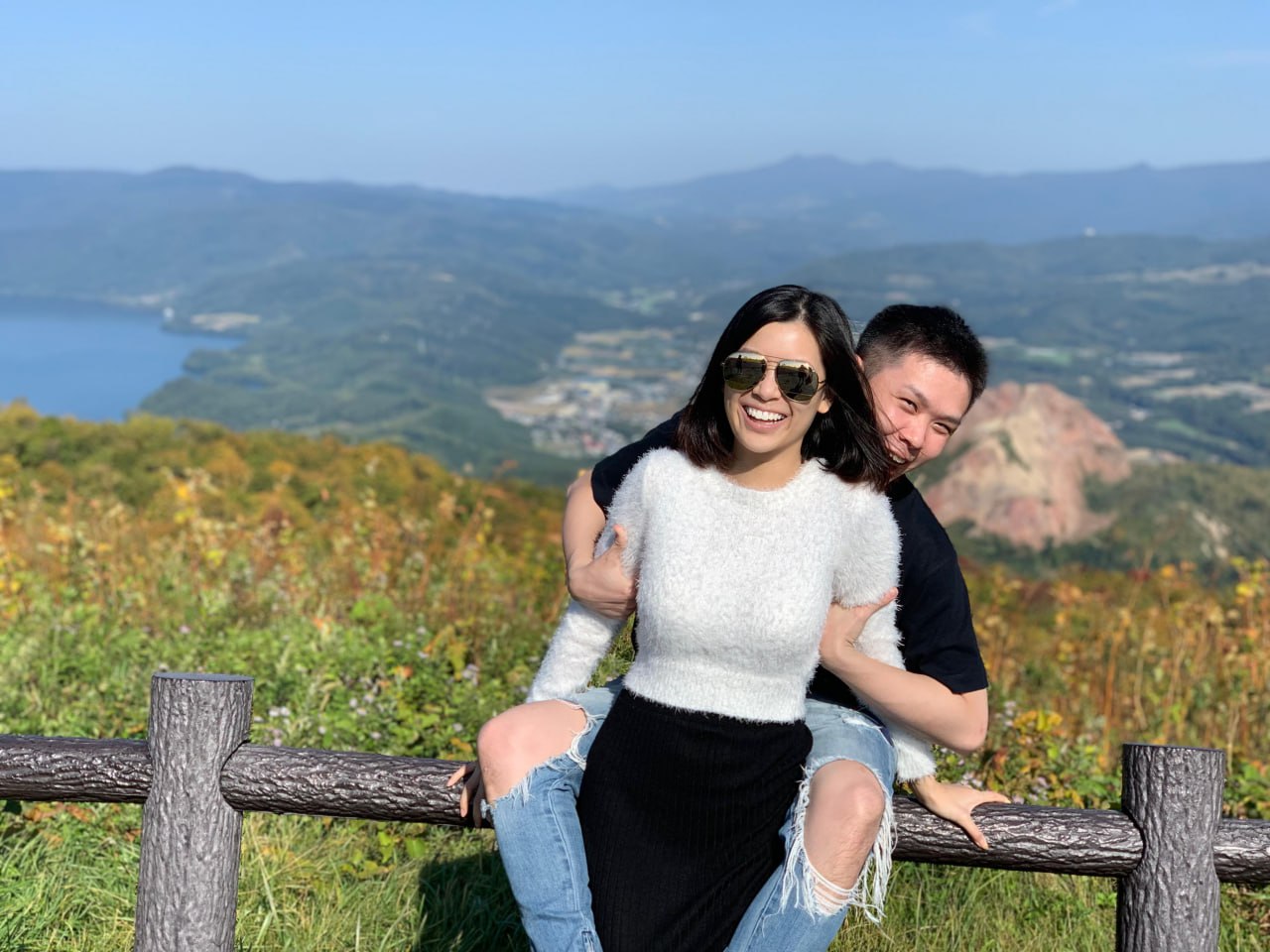 Oh and her late fiancé. Photo courtesy of Oh.
Oh shared that while her fiancé's name, Jonathan, still comes up in conversations from time to time, those moments are often accompanied by smiles and laughter.
"Even though he has left us physically, it feels like he has never really left," she said.
She remains close to his family, calling his parents "Daddy" and "Mummy". She also stays over at their house regularly.
"They treat me like their own daughter," she said, adding that they still travel together to this day.
"If there's one thing you could say to your fiancé today, what would it be?"
"Thank you for loving me and giving me a family that I have always dreamed of. I still carry you with me."
Returning to the stage
When asked to describe her current state in three words, she answered with quiet conviction:
"Healing. Learning. Hopeful."
Five years on, Oh believes she is stronger and more resilient than before.
Her decision to return to the getai stage was also not made lightly.
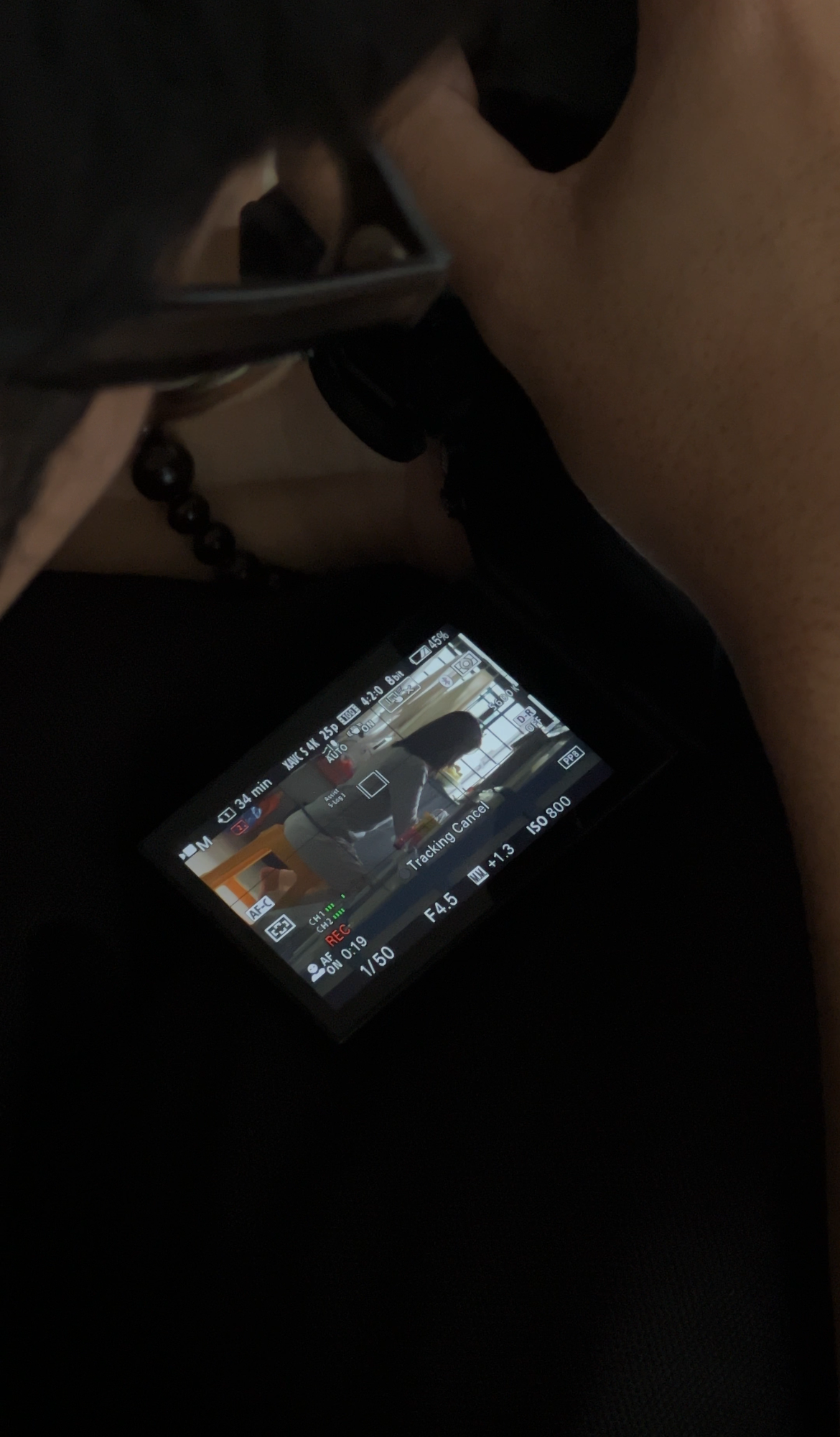 Oh practicing for her getai performance. Photo by Mothership.
"I’ve lost a lot of things in my life," she said. "Singing has always been a very important part of me. I didn’t want to lose that too."
As she spoke, she inched her hands closer to her body, as though holding onto that part of herself.
"I miss the feeling of singing on stage and hearing the applause from the audience," she said. "So that's when I felt like, maybe I should try."
And so, she pushed herself to train, rebuilding her stamina and voice bit by bit, before officially making her comeback on Feb. 27.
 Oh's getai comeback. Photo by Mothership.
 Oh's getai comeback. Photo by Mothership.
Learning to love the "new me"
Everyone carries regrets, Oh reflected.
"I can’t change what has already happened. But I can change how I move forward," she said. "The scars and regrets actually tell a story of how strong we are. We should be proud of how far we’ve come."
For now, her biggest goal is simple but sincere: to overcome her sense of inferiority and genuinely love herself again.
She also hopes to help her parents retire one day.
Referencing the travel photos she had recently posted on Instagram, I asked whether travelling had played a role in her healing.
"Travel gives me a getaway from reality," she said. "Being in a different environment helps me slow down and appreciate what I still have," she explained.
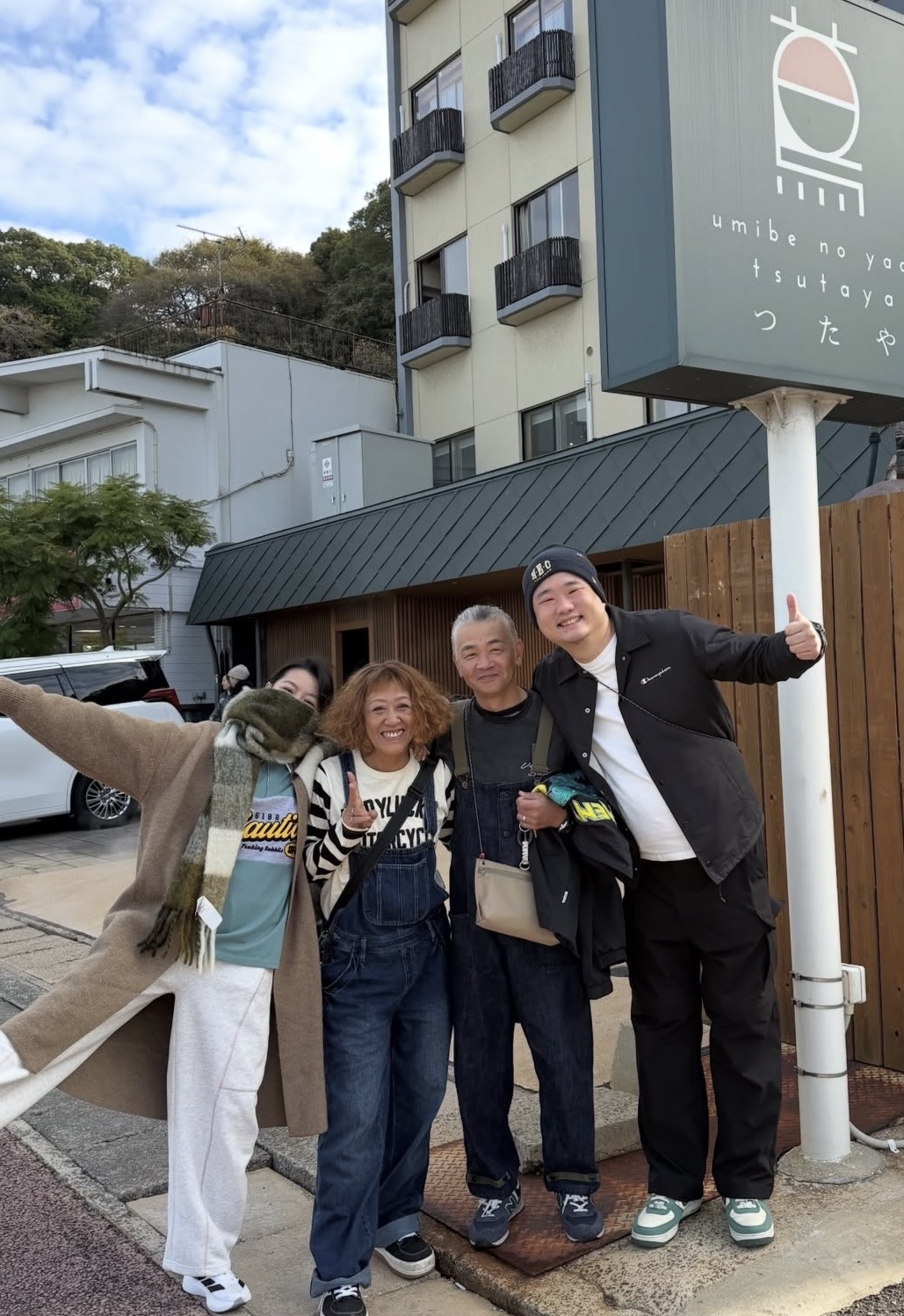 Oh in Japan. Photo from @raybeohhh/Instagram.
As for opening herself up to love again, she is neutral.
"I feel like you have to be able to love yourself first before loving others, and before other people can love you," she said. "I’m still working on loving the new me."
Five years ago, Oh could not step out of her house without a mask. She avoided eating in public because it meant removing it.
Slowly, she progressed — lowering the mask halfway, then eventually removing it inside restaurants.
One day, she hopes to walk out bare-faced, without fear.
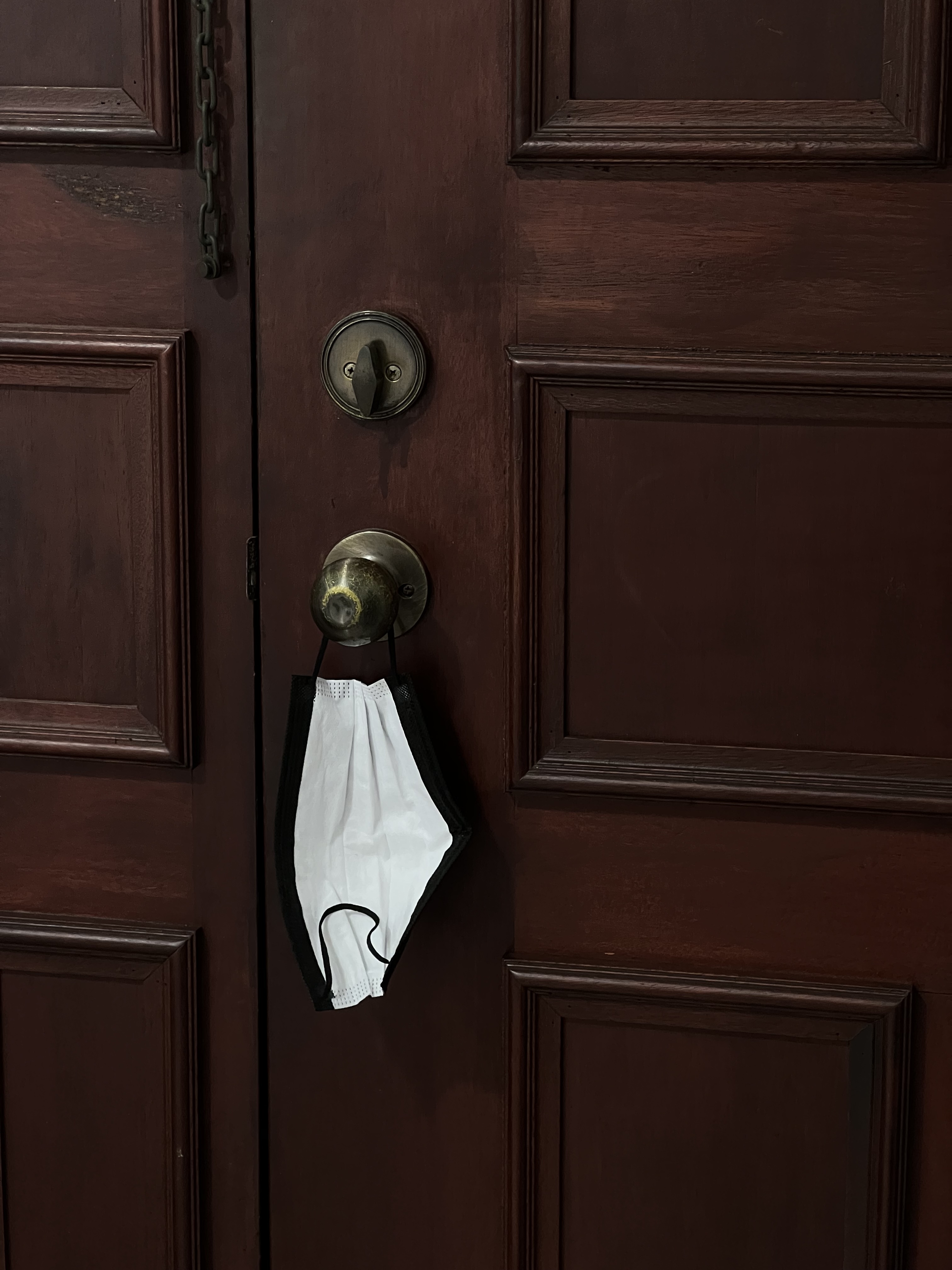 Oh's mask hanging on the door handle. Photo by Mothership.
Top photos by Mothership