News


Li Hongyi: New approach could fix 'big, slow, bureaucratic' govt system
"Government is frustrating because of how much better we wish it could be," said Li.
March 28, 2026, 07:49 PM


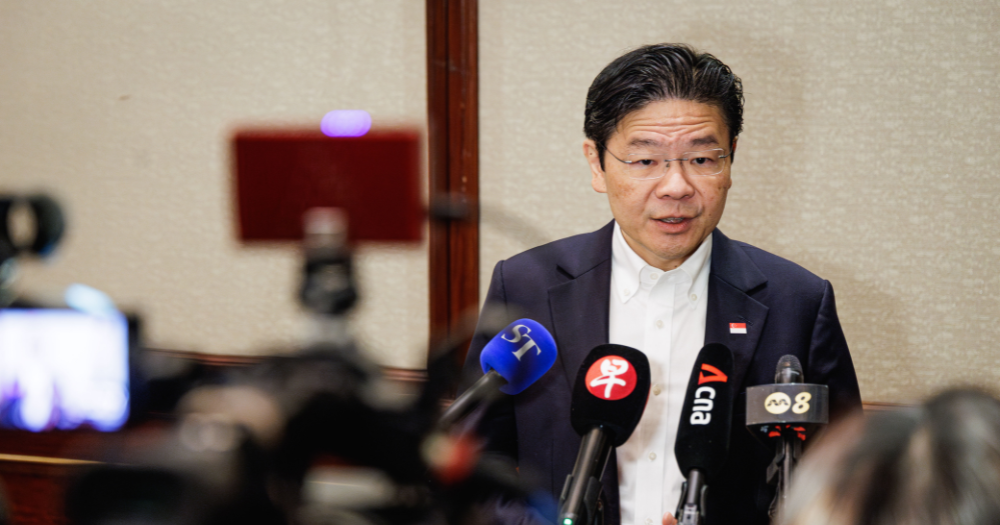
In a "big, slow, bureaucratic" governmental system, a ground-up approach could work better than the traditional top-down structure, said Li Hongyi.
Li is director of Open Government Products (OGP), a division of GovTech.
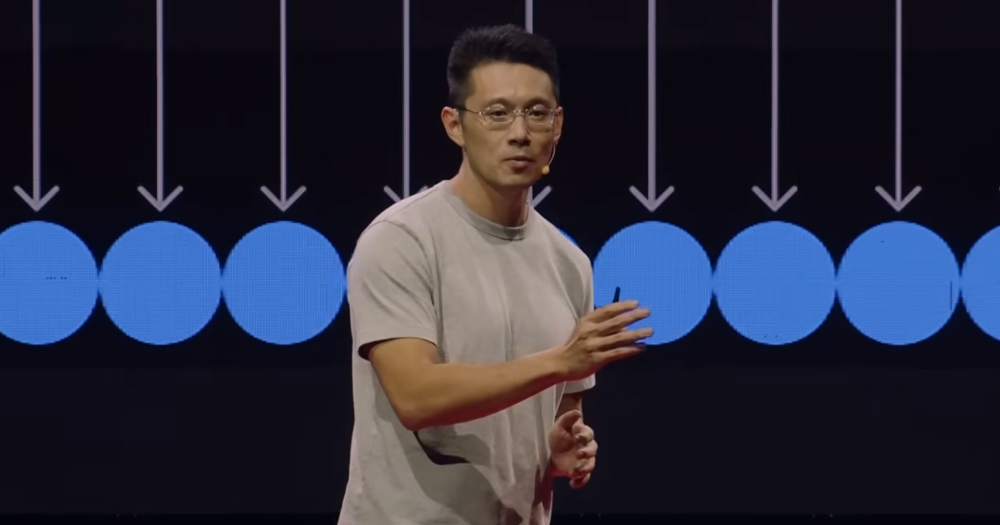
Speaking at the Singapore edition of TEDx talks on Mar. 24, Li addressed the frustrations that the traditional government structure faces.
"The problem we're trying to solve is that government is traditionally based on a military structure – top-down, central decision making optimised for command and control," he said.
"This is great when you already know what you need to do and just need to execute.
It's not so great when we need to figure out what needs to be done."
'Big, slow, bureaucratic' government
The problem with the existing approach is that ideas get stuck at the approval stage from people with "not enough time and even less context", said Li, who is also the son of Senior Minister Lee Hsien Loong.
"This is why government can do billion-dollar construction projects, but still has to keep asking you for your birthday."
While money and political will are not limiting factors in the government, attention span and creativity are.
This can be solved using the "opposite of command and control", he posited.
Li explained that a few years ago, he started an experimental team in the Singapore government.
"The idea was simple. Rather than the usual top-down decision making, we will build small teams of skilled practitioners, and empower them to seek out and solve problems all across the public sector," he said.
Ground-up approach
This "bottom-up" approach involves small teams that tackle specific problems, while leaders focus on supporting people rather than giving orders and ensuring compliance.
Li cited successful examples accomplished by the teams.
One team visited a fire station and saw that they spent large amounts of time every day taking inventory of fire trucks.
They developed a mobile app to replace the "big paper log books".
It has since been rolled out to all fire stations in Singapore.
Another team met with social workers, and learnt that they spend hours typing up case notes.
"So we built a tool for them that doesn't just transcribe conversations but automatically generates usable case reports," Li said.
Such a process, he said, allows the government to address pain points much more efficiently.
"Similar government projects normally take years and cost tens of millions of dollars.
We're able to consistently launch new systems in just six months with teams of just five people."
Choked by scale
Li warned that without exploring a new approach to tackling public issues, the public service will fall behind.
This is especially as it gets "overrun by new problems, by crypto scams, disinformation campaigns, or just plain old AI nonsense", he said.
He added that the system, as it is, is "already choked by the scale of its responsibilities".
"But it doesn't have to be this way," Li said.
"Government can be less about control, and more about empowering more people to do good...
We can have a society that's not limited by the attention of its leaders, but one that is driven by the imagination of its people."
Top image via TedxTalks/YouTube