Environment


90% of HDB residents will be 5-minute walk away from beverage container return points
The scheme will run from Apr. 1, 2026.
January 30, 2026, 12:55 PM
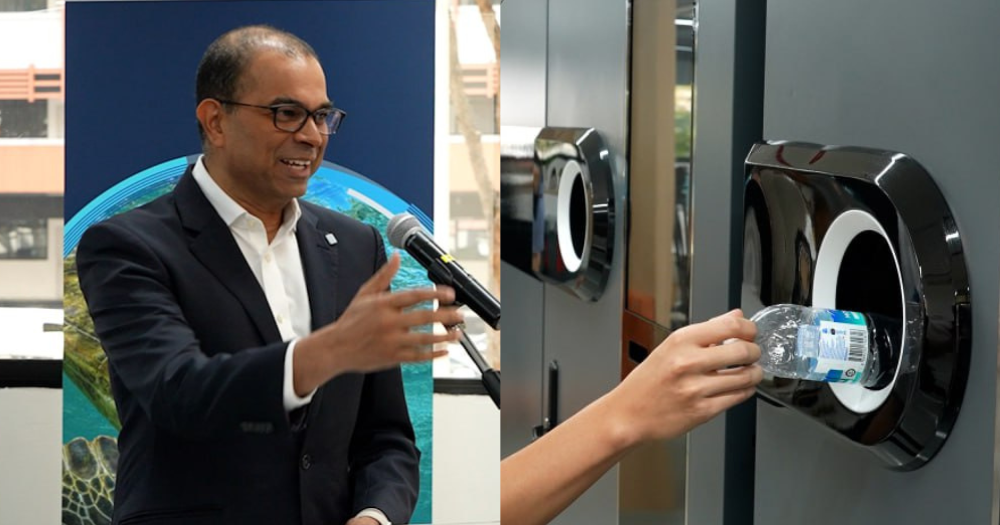


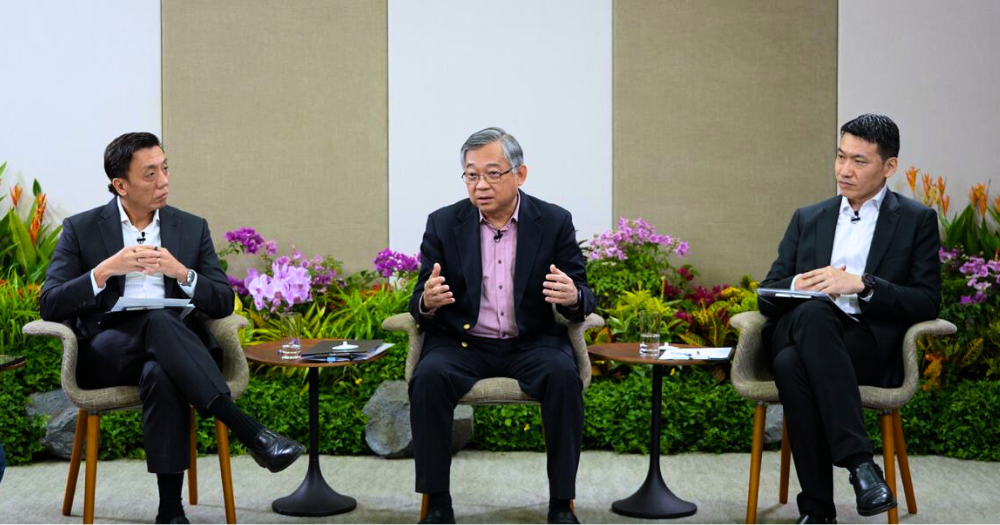
The beverage container return scheme (BCRS), launching on Apr. 1, is a call for everyone to change habits and behaviours, said Senior Minister of State for Sustainability and the Environment (MSE) Janil Puthucheary on Jan. 30.
While acknowledging that adjusting habits is not easy and may create some inconvenience, he emphasised that every effort counts in protecting the environment.
"Consumers will need to get used to returning containers at designated return points, learning how reverse vending machines work, and adjusting our routines," he said.
To ease the transition, the government will take a phased approach to the scheme, and aim to make the return points accessible.
At the launch in April, about 1,000 return points will be deployed across large supermarkets and other high-footfall areas.
This means 90 per cent of Housing Development Board (HDB) residents will be within a five-minute walk to a return point, Puthucheary said.
Good habits
Under the scheme, consumers will have to pay a 10-cent refundable deposit when they buy pre-packaged drinks in plastic or metal containers that are 150ml to 3L in volume.
They will get back the 10 cents if they return the empty containers at the reverse vending machines.
Puthucheary described BCRS as an important effort to make sustainability part of everyday life.
He said the government hopes it will help Singaporeans become more conscious of the packaging they consume, cultivate good recycling habits, and reduce littering.
He believes Singaporeans will adapt well to the changes.
"We did it for reusable bags and the tray return scheme, and I am confident that, with time and understanding, this scheme will become part of our daily routine," he said.
At least 350 return points in the northeast
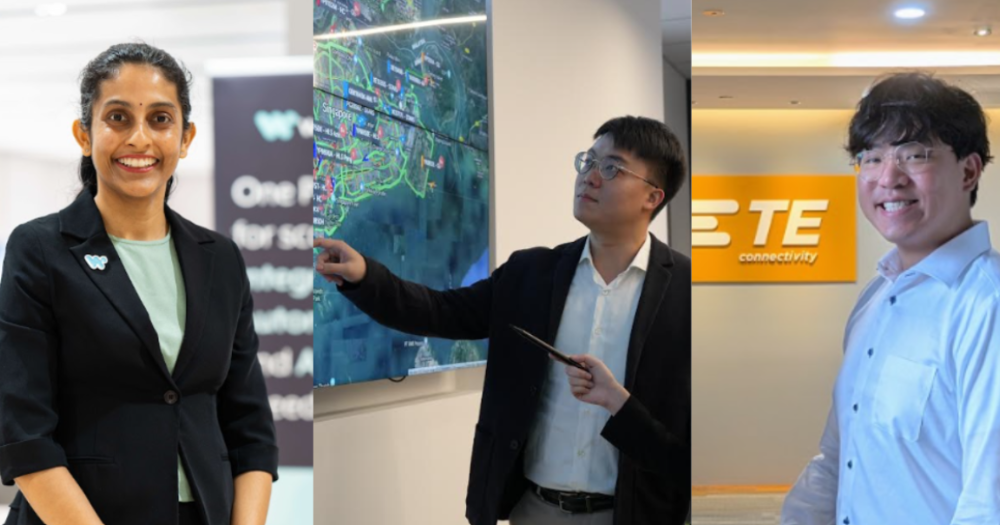
Puthucheary was speaking at the opening of TOMRA's new office and warehouse in Kallang.
The Norway-based technology company has set up automated reverse vending machines in over 60 regions around the world, collecting drink bottles and cans for recycling.
Singapore previously appointed TOMRA as the return point network operator for the country's central and north-eastern regions.
In a Jan. 23 press release, the company said it will install at least 350 reverse vending machines at mandated supermarkets with a floor area larger than 200 square metres, and in public spaces such as town centres and residential buildings.
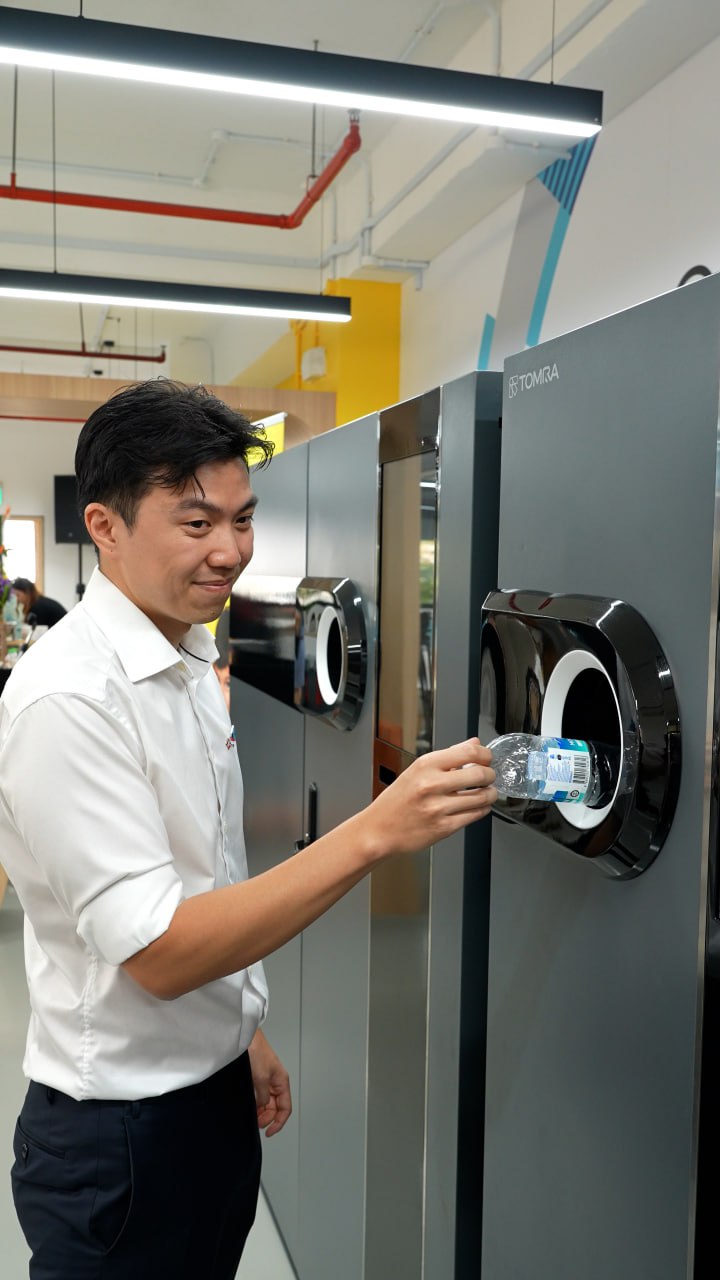 Photo by Hidayat Anuar
Apart from deploying the machines, TOMRA will cover site acquisition and management, site cleaning and maintenance, and transportation of collected containers to the processing plant.
Double to 2,000 in the first year
As previously announced, while the scheme launches in April, producers of drink containers will be given a transition period until Sep. 30, 2026.
Widespread availability of BCRS containers is expected by August and September, Puthucheary said.
During this initial period, the government will closely monitor return patterns, and gather community feedback to determine the optimal locations for additional return points.
The target is to double the number of return points to 2,000 within the first year of operations.
Ultimately, the scheme will help Singapore recover over 16,000 tonnes of material from more than one billion drink containers used each year, Puthucheary said.
"This means less waste sent for incineration, lower carbon emissions, and a more circular economy," he added.
Related stories
Top images by Hidayat Anuar