Parliament

SFA's new 2035 food production goals 'more than just aspirations', govt isn't shifting goalposts: Zaqy Mohamed
"It's not so much thinking in terms of goalposts, but maybe perhaps I'm giving you a better goalkeeper."
January 13, 2026, 04:23 PM


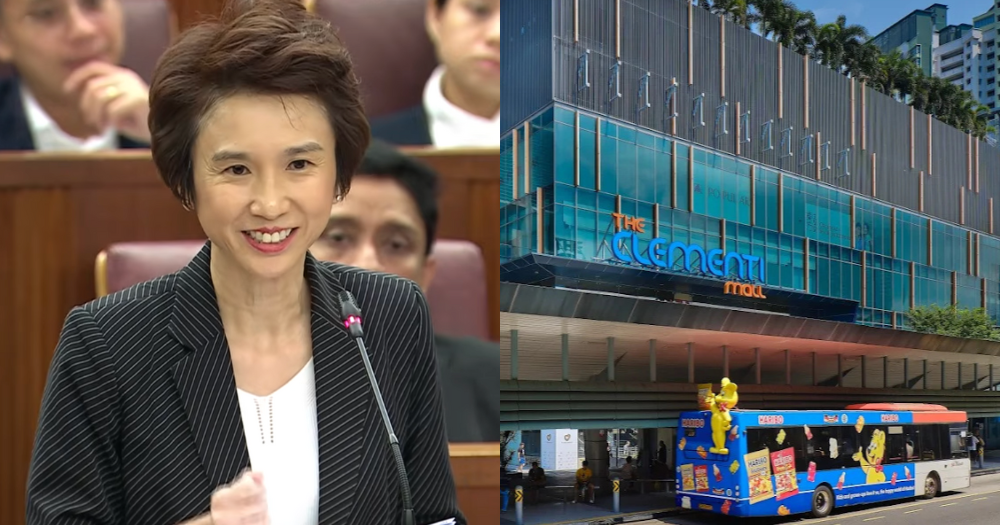
Senior Minister of State for Sustainability and the Environment Zaqy Mohamad called the Singapore Food Agency’s revised 2035 local food production goals “more than aspirational”.
Zaqy was speaking in parliament on Jan. 13 in response to questions by Workers’ Party MP He Ting Ru on the new 2035 food production targets would be subject to further delays and how long Singapore’s stockpiles might last.
30 by 30
Minister for Sustainability and the Environment Grace Fu previously described the 30 by 30 goal — the government's aim for Singapore to produce 30 per cent of its food needs by 2030 to bolster its food supply resilience — as an "aspiration".
He Ting Ru thus asked if the new goals "are targets or aspirations".
Zaqy responded that the initiative had gotten Singaporeans to “really think about food resilience” and build a “narrative of relying on local produce” in times of difficulty and challenge during food supply disruptions.
The 30 by 30 vision began in 2019, and since then, Singapore had "gone through several rounds of challenges and disruptions", particularly during the pandemic.
However, Zaqy said that border closures and supply disruptions "got us to think about" supply diversification, especially in items such as eggs and chickens.
In response to another question by MP Poh Li San, Zaqy said that Singapore now imports eggs and chicken from countries such as Ukraine and Brazil, respectively, rather than simply relying on Malaysia.
Food story
Singapore is now rethinking its “food story” in a slightly different way, and has set new targets to be met by 2035 instead.
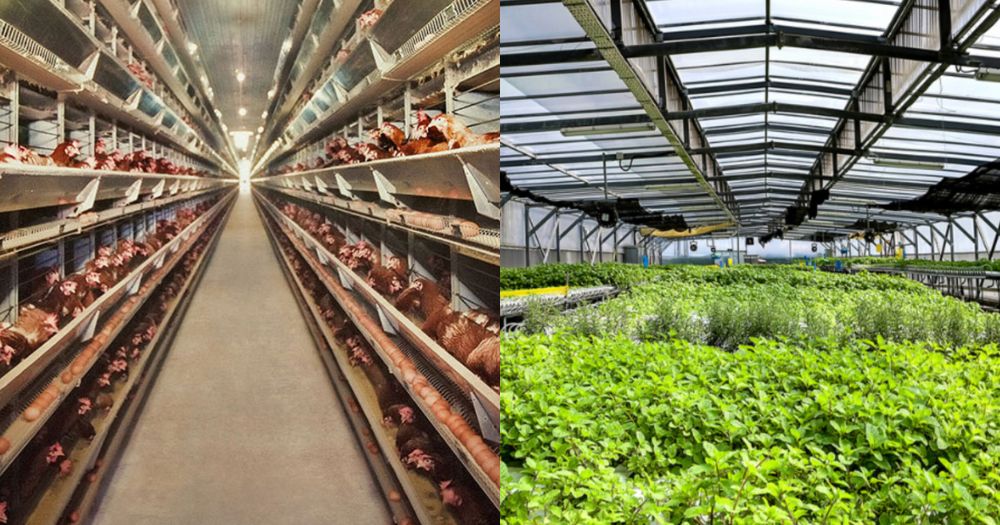
The country will aim to produce 20 per cent of the local consumption of fibre, in the form of leafy and fruited vegetables, as well as 30 per cent of protein, in the form of eggs and seafood, by 2035.
Zaqy shared that Singapore is already “somewhat there”, having achieved 26 per cent of the protein target, and 8 per cent of the leafy vegetable target. He expects those numbers to grow over time.
Production yield in Singapore has also “shown promise” — between 2019 and 2024, farm productivity has risen by 10 per cent for vegetables, 17 per cent for seafood, and 50 per cent for eggs.
He concluded, in response to He Ting Ru's question:
“Certainly this is something we are doing more than just aspirations; we are tracking quite carefully.”
Pillars of food security
Zaqy added that Singapore’s food story is also about establishing several “pillars of food security” — local production, import diversification, stockpiling, and putting in global partnerships.
He continued by asking rhetorically if the government is shifting the goalposts:
"Are we changing the goalposts? Think that's one question some people ask me all the time, and really, I think maybe it's not so much thinking in terms of goalposts, but maybe perhaps I'm giving you a better goalkeeper."
Zaqy elaborated that this "goalkeeper" could “save the day with more options”, more "plays", and "more toolkits in his playbook".
He added that for national security reasons, “it's not wise for us to reveal how long we can hold out with our stockpiles".
Nonetheless, the Singaporean government is watching the situation closely, with the goal of ensuring “some sort of normalcy in the short term” in the event of a national security issue.
Top image via Seng Choon & Singapore Food Authority