Parliament

Tenant mix in heartland malls reflects consumer demand: Low Yen Ling replies question on Clementi Mall takeover
"Customer is king... we need to allow the market forces to be at work," Low said.
January 13, 2026, 05:13 PM


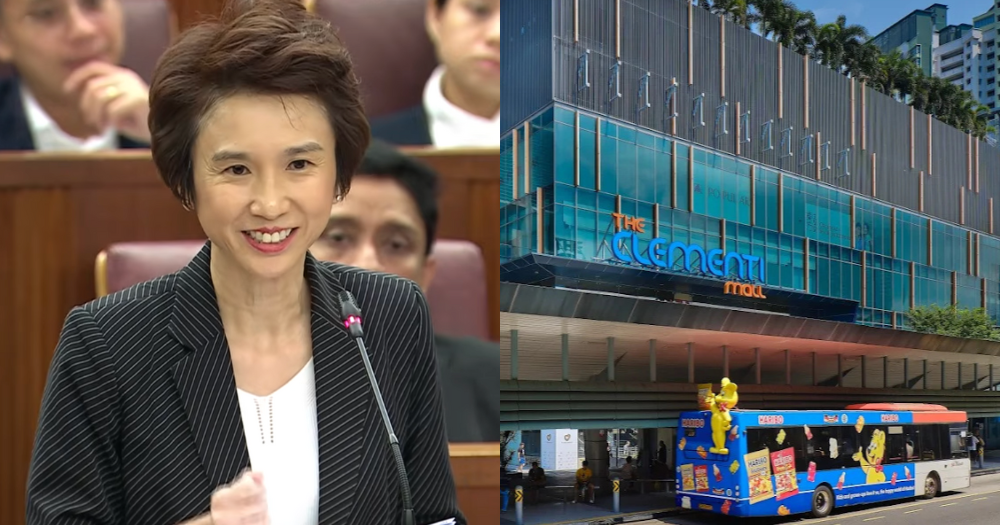
Tenant mixes in heartland malls in Singapore often reflect the consumer demand driven by the needs and preferences of the residents, Senior Minister of State for Trade and Industry Low Yen Ling said in parliament on Jan. 13.
This was in response to a question by Member of Parliament (MP) David Hoe, who raised the example of Clementi Mall and asked whether the Competition and Consumer Commission of Singapore (CCS) takes into account non-price effects such as consumer choice, diversity of shops, and the character of heartland malls when assessing competition issues.
Hoe is the MP for Jurong East-Bukit Batok GRC, which Clementi falls within.
Clementi mall acquisition
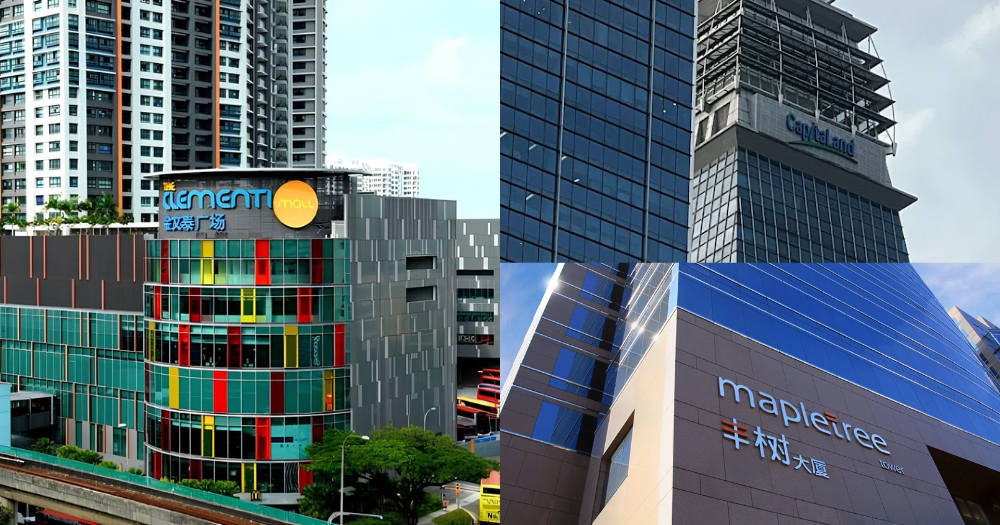
Clementi Mall was bought over by an entity linked to The Elegant Group, a property investment firm run by a family in Guangzhou, China, in December 2025.
The Elegant Group also owns the nearby Grantral Mall, raising concerns among Hoe's residents that both malls may end up having similar tenant mixes, which would in turn reduce options for residents.
In her reply, Low affirmed that tenant mixes in malls are primarily driven by market forces and what is commercially viable, reflecting the needs and preferences of the residents.
"The tenant mix in a heartland mall often reflects the consumer demand driven by the needs, driven by the preferences of the residents," she said.
"Customer is king and... we need to allow the market forces to be at work."
CCS is not "hands off"
Despite this, Low stressed that CCS is not "hands off" and will step in should a transaction result in a substantial reduction in competition or harm consumer welfare.
The commission will also perform its assessments based on facts and circumstances, rather than "hearsay" or speculation, she affirmed.
Existing frameworks include CCS's Guidelines on the Substantive Assessment of Mergers, and the Competition Act are also in place to prevent anti-competitive practices.
Additionally, if CCS observes any behaviour by organisations to raise prices, reduce quality, output and innovation, "CCS will step in".
Members of the public, Low said, can also report potential anti-competitive behaviour directly to CCS via its hotline or website.
"I want to assure [Hoe] that members of the public... can certainly provide feedback, qualitative as well as quantitative, to CCS directly, and we will follow up accordingly and seriously."
Competition watchdog not notified of Clementi Mall sale
Separately, Minister for Trade and Industry Gan Kim Yong shared in a written reply to parliamentary questions on Jan. 12 that the parties involved in the Clementi Mall's sale have not given CCS a formal notice regarding a merger assessment.
He noted that Singapore operates a voluntary merger notification regime, meaning that companies are expected to self-assess whether their transaction may give rise to potential competition concerns.
Merger parties are not required to inform the anti-competition watchdog of their transactions.
Even so, Gan said, CCS will continue to monitor both developments and is empowered to step in if a merger is found to pose potential competition issues.
Top photos via MDDI and Google Maps/Clementi Mall