News

Schools have flexibility to pace new policies to not overload teachers: Desmond Lee
Other measures MOE takes include increasing the number of allied educators and protecting teachers' vacation time.
November 04, 2025, 02:59 PM
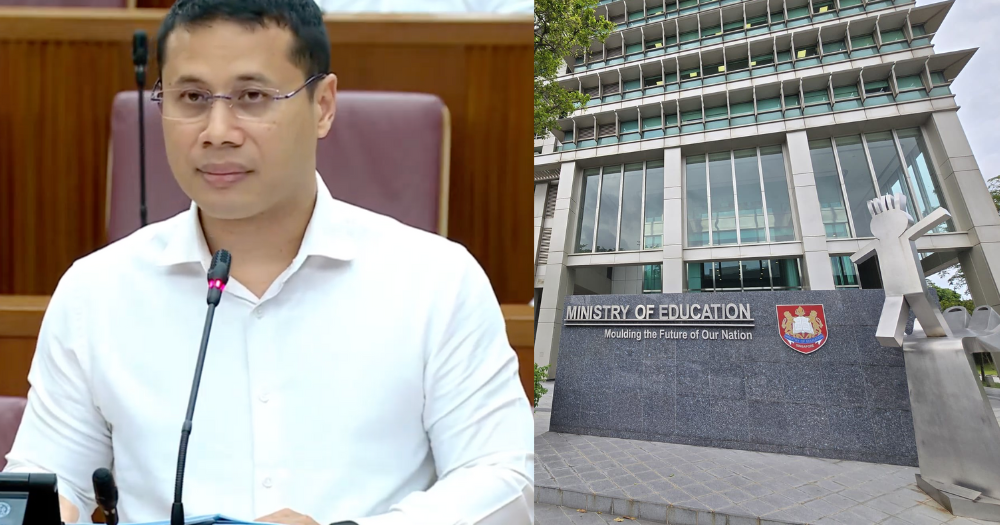


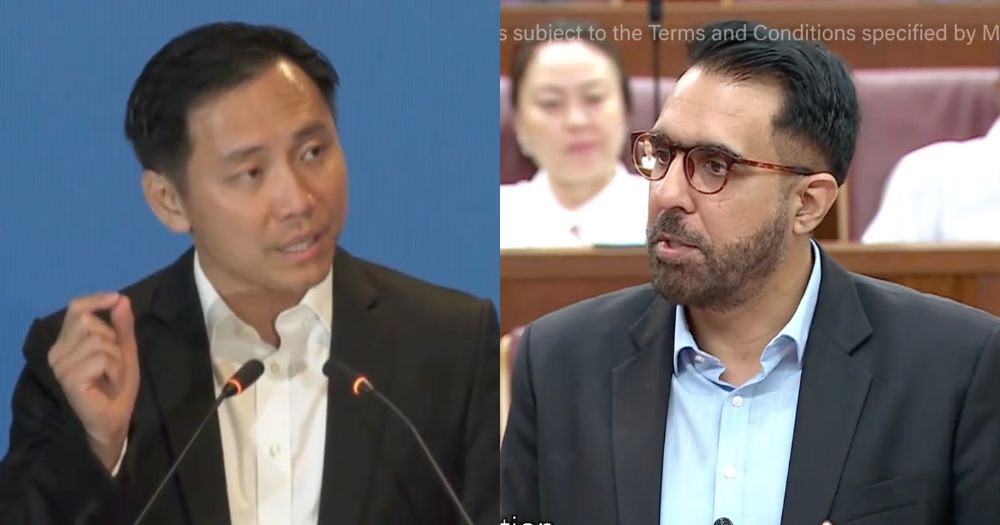
To help schools manage staff workload, the Ministry of Education has given schools greater flexibility to pace the implementation of new systems-wide initiatives, Education Minister Desmond Lee said in parliament on Nov. 4.
When such new policies and initiatives are introduced, it increases workload for a season.
Schools and teachers need to be briefed and trained, as well as take time to adjust to the changes, Lee explained.
Hence, schools can decide when to implement major changes, and even defer them if necessary in order to manage staff workload.
Concern about the TALIS survey
Lee was responding to parliamentary questions about how MOE will address the high working hours and stress reported by teachers in the 2024 Teaching and Learning International Survey (TALIS).
Released on Oct. 7, the survey found that teachers in Singapore work six hours longer per week than their international peers on average.
Compared to the international average, Singapore teachers less time on classroom teaching, and more time on non-teaching tasks, such as lesson planning, co-curricular activities (CCAs), and professional development.
However, Lee pointed out that these activities are critical to teachers' effectiveness in providing holistic education for students.
He added that while TALIS is a useful benchmarking tool, it also has its limitations.
"It is conducted once every six years and surveys a representative sample of only our lower secondary teachers," Lee said.
In contrast, internal surveys, polls, and various forms of staff engagement conducted by MOE more holistically monitors teachers' workload across all grade levels of primary, secondary, junior colleges, and centralised institutes.
"Our data shows that over the years, teacher workload has remained stable in terms of total hours at an average of 53 hours," Lee said.
Measures to manage teachers' workload
At the same time, MOE recognises that the complexity of a teacher's work has increased over the years.
"Our educators often go far beyond their formal duties because they see their students' growth and wellbeing as their responsibility," Lee said.
"While we appreciate and applaud their passion, we also want to ensure that such commitment does not result in unsustainable workload for our teachers."
MOE has thus adopted a range of measures to manage teachers' workload and support their well-being.
Apart from letting schools pace new policies, the measures include using artificial intelligence (AI) and other technologies to help teachers with planning lessons, and providing protected vacation time during school holidays.
Current guidelines on flexible work arrangements allow teachers to report later at the start of school day, or leave earlier before the end of the school day, if they have no lessons or duties, Lee said.
Teachers are also allowed to work from home on days when they have no classes or duties requiring their presence in school.
Teachers also have access to well-being support and resources if they have concerns.
The number of allied educators — which include counsellors and special education needs officers — across all schools has also been doubled from about 800 to 1600 over the past 10 years, Lee added.
Non-teaching workload
Wan Rizal and Shawn Loh, both members of parliament (MPs) for Jalan Besar GRC, posed supplementary questions highlighting the need to reduce teachers' non-teaching workload.
While Loh agreed with Lee that CCAs are important, he believed that some non-teaching tasks, such as procurement and other administrative work, do not necessarily lead directly to educational outcomes.
Loh questioned whether such workload has gone up more than the resources given to the schools have.
In his response, Lee called for the MPs to look at the context.
Policy changes over the years, such as full subject-based banding, have created more work for teachers, but it is work that teachers recognises benefits students, he emphasised.
Such policies "will increase the workload for a season, or some may also increase workload secularly, because education is more holistic", Lee said.
He added that teachers also have to contend with a changing demographic of parents, and different aspirations of students.
"All in, being able to keep workload at that level, despite doing all these important things, I think is a reflection of how these measures have worked," Lee said.
Top images from MDDI's YouTube and Desmond Lee's Facebook