News

HDB records S$6.34 billion deficit in FY2024, more spent on estate upgrading works
Gross loss and expected losses on flat sales also made up the deficit.
November 11, 2025, 01:02 PM


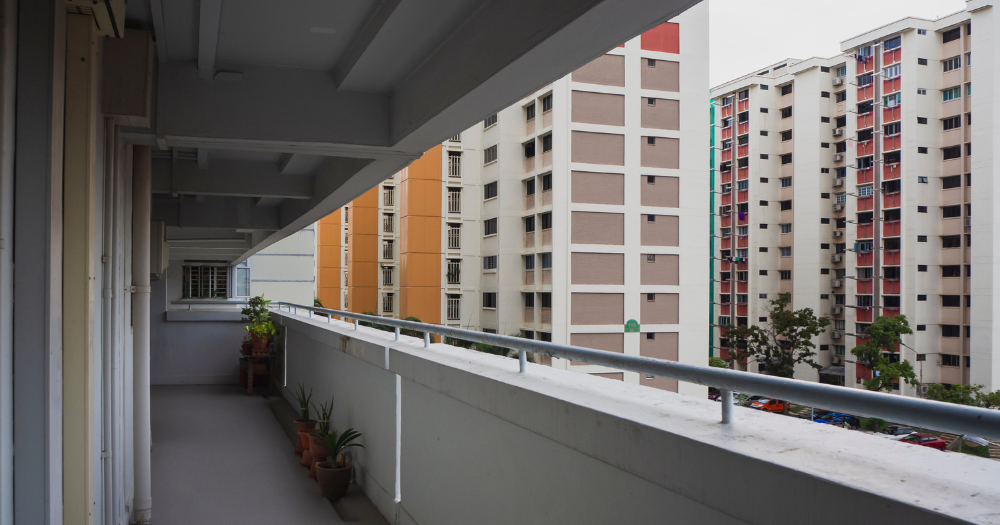
The Housing and Development Board (HDB) incurred a net deficit of S$6.34 billion in the 2024 financial year, it said in a Nov. 11 press release.
Most of this was incurred due to the development and sale of flats and the disbursement of housing grants to eligible households for new and resale flats.
The rest was incurred through estate upgrading programmes, which led to increased spending.
Development costs, sales loss and grants
In the Nov. 11 press release, HDB provided a breakdown of the FY2024 deficit.
Out of the S$6.34 billion, S$5.51 billion was incurred from the gross loss on the sale of flats, expected losses on flats currently under development and disbursement of CPF housing grants.
Of this S$5.51 billion, S$1.77 billion was incurred from gross loss on the sale of 14,900 flats completed in FY2024.
S$2.69 billion was recorded in the provision for foreseeable loss for flats currently under development in FY2024.
This was after the release of provisions made for completed sales.
HDB explained that when it begins development of new housing projects, provision is made for the estimated loss of these projects as HDB flats are sold at subsidised prices below their development cost.
This provision is updated during the construction phase as costs change and is eventually released after the completion of sales.
The actual loss from sales will then be reflected.
23,600 flats commenced development in FY2024.
A total of S$881 million in CPF housing grants were disbursed to eligible buyers of resale flats and executive condominiums in FY2024.
HDB also spent S$159 million on providing rental flats to eligible tenants under various rental housing schemes.
More spent on upgrading works
More was spent on HDB upgrading programmes and residential ancillary functions, such as car park management, in FY2024.
S$532 million was spent on HDB upgrading programmes, such as the Home Improvement Programme (HIP), Neighbourhood Renewal Programme and Lift Upgrading Programme.
This was 34 per cent higher than the S$396 million spent in FY2023, and HDB attributed the increase to more HIP projects reaching the peak construction phase, when spending is typically highest.
S$570 million was spent on residential ancillary functions, a 28 per cent increase from S$446 million in FY2023.
This increase was largely attributed to higher expenditure on the Electrical Load Upgrading Programme, which saw more HDB blocks being upgraded to accommodate growing electrical needs, according to HDB.
55,000 new flats from 2025 to 2027
Tan Meng Dui, HDB's Chief Executive Officer, said: "Our substantial deficit in FY2024 reflects our unwavering commitment to providing affordable and quality homes for Singaporeans."
HDB will launch 55,000 new flats from 2025 to 2027, including offering 4,000 Shorter Waiting Time (SWT) flats per year in 2026 and 2027.
"We will continue to review and refine our housing policies where necessary, to support the housing needs and aspirations of Singaporeans and ensure that public housing remains affordable, accessible and inclusive," HDB said.
Top image via Canva.