Environment

1st comprehensive biodiversity survey of Southern Islands finds over 6,500 types of flora & fauna
The survey covered St. John's Island, Sisters' Islands, Pulau Hantu, Kusu Island and Sentosa.
June 02, 2025, 02:29 PM
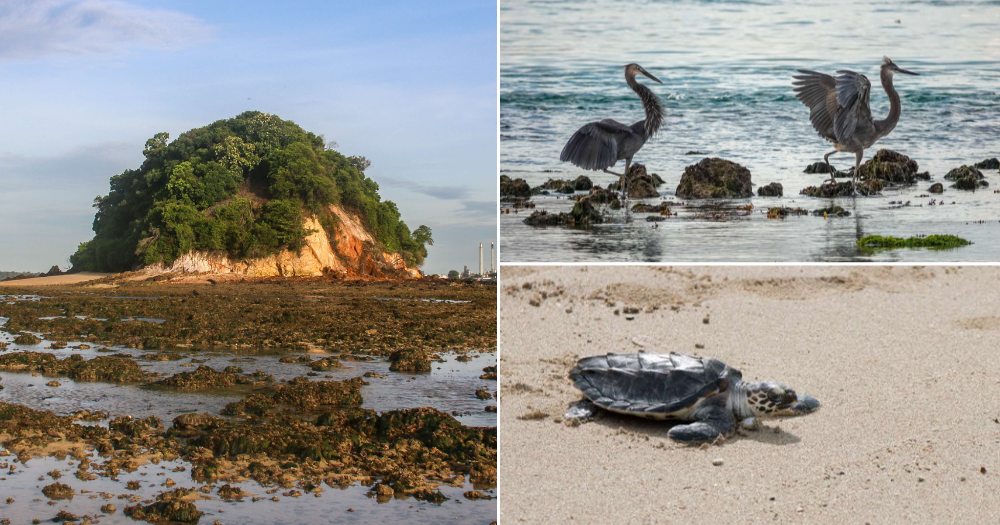


Singapore's first ever comprehensive survey of the Southern Islands uncovered a trove of rich biodiversity there.
The islands have a variety of coastal and marine habitats such as coastal forests, mangroves, rocky shores, sandy shores, seagrass meadows, and coral reefs.
The survey, which was conducted over two years, found around 1,500 flora taxa and 5,000 fauna taxa.
Not all the organisms were identified down to the species level, and some were instead identified to higher taxonomic levels, such as their genus.
As such, the results used the term "taxa", which refers to groups of organisms classified together, examples of which are species, genera, families and orders.
The results of the survey were announced at the National Parks Board's (NParks) annual Festival of Biodiversity, which took place on May 31 and Jun. 1 this year.
Fauna and flora found
The survey was conducted from January 2020 to March 2022, covering 17 islands and one patch of reef.
The islands included St. John's Island, Sisters' Islands, Pulau Hantu, Kusu Island and Sentosa.
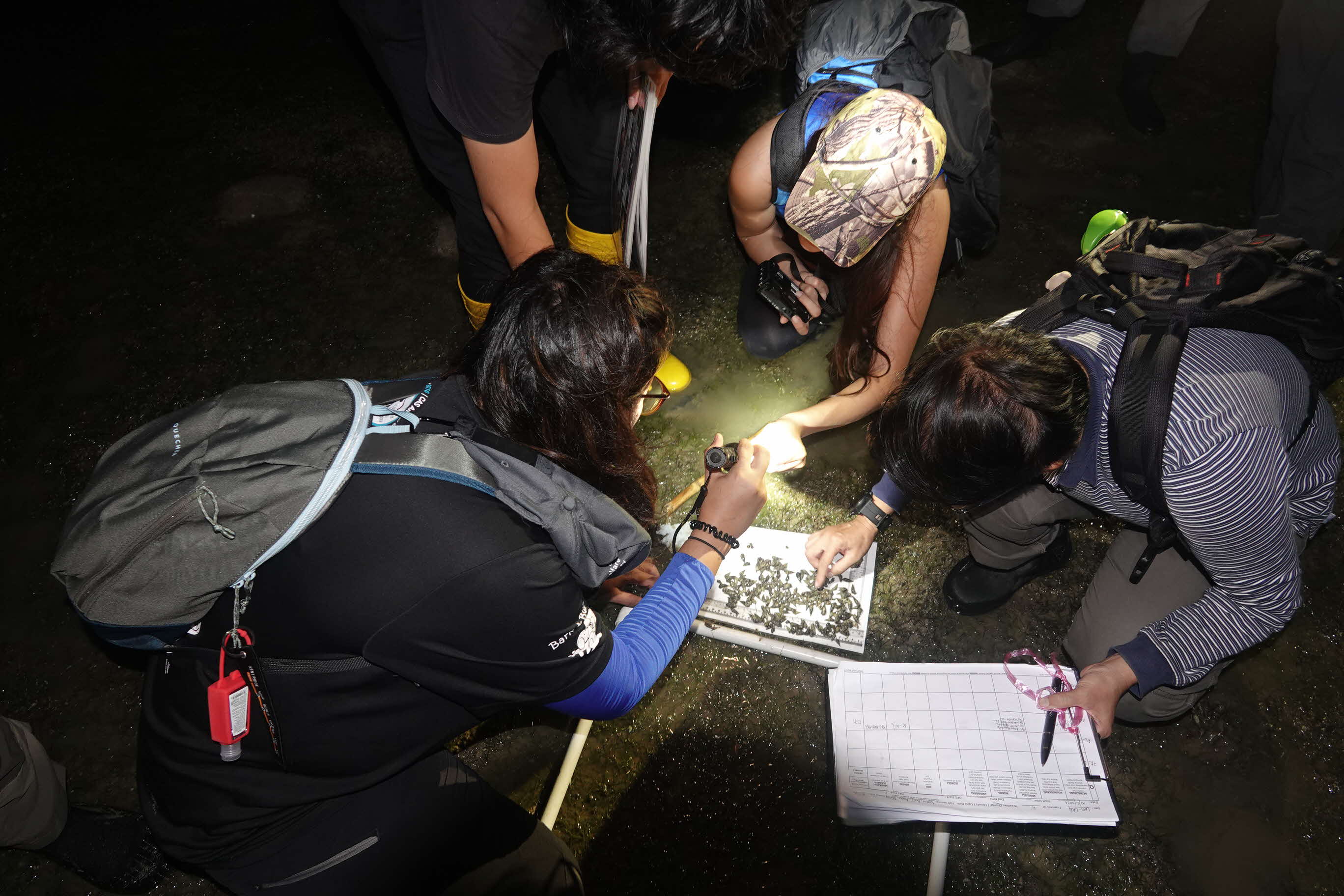 Photo from NParks
Secondary data, including information that is not publicly available, was also collected from Lee Kong Chian Natural History Museum’s Singapore Biodiversity Records Archives and peer reviewed papers, as well as internal records from past NParks’ surveys and the Singapore Herbarium.
Over 20,000 fauna records across 5,000 taxa were compiled. Over 1,000 of these taxa are terrestrial, while the remaining are marine.
More notably, the islands support 172 native bird species, which represents around 40 per cent of Singapore's avian biodiversity.
The survey also recorded 18 critically endangered and 38 endangered fauna species on the islands, such as the green turtle, hawskbill turtle, great-billed heron, ruddy kingfisher and Neptune's cup sponge.
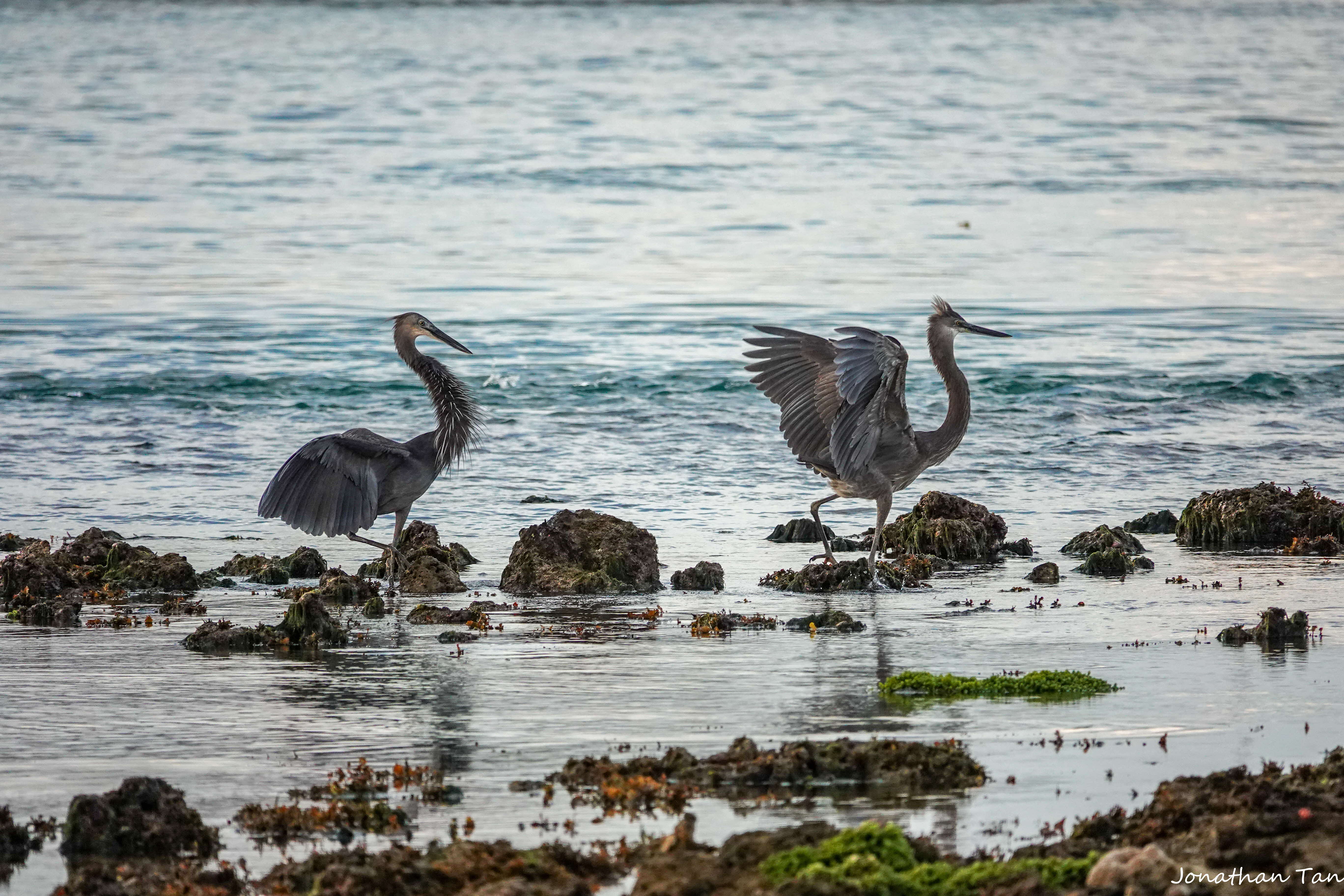 Photo from Jonathan Tan
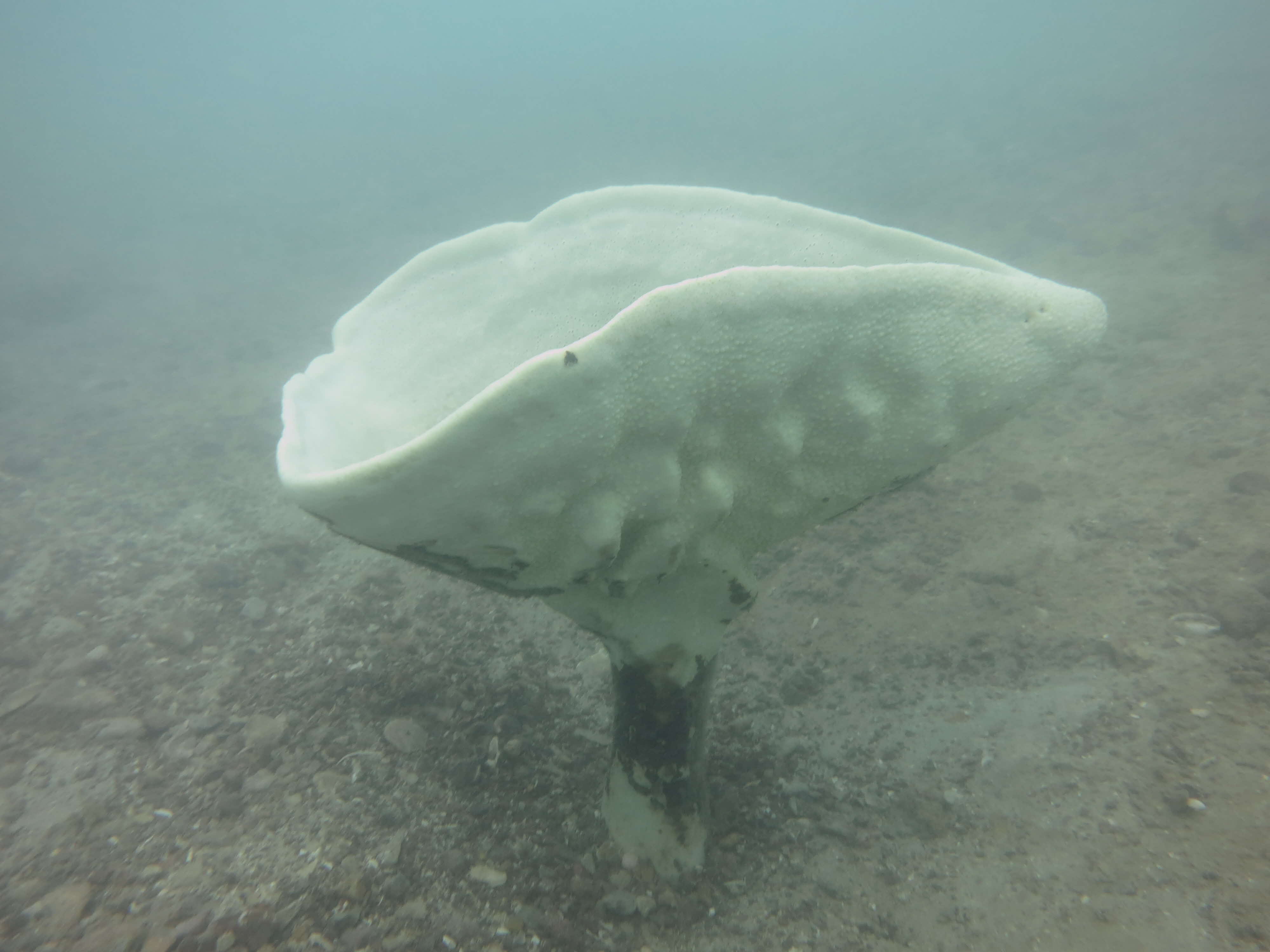 Photo from NParks
Additionally, there were 44 native species that were previously not known to be found on the Southern Islands, such as the critically endangered money cowrie.
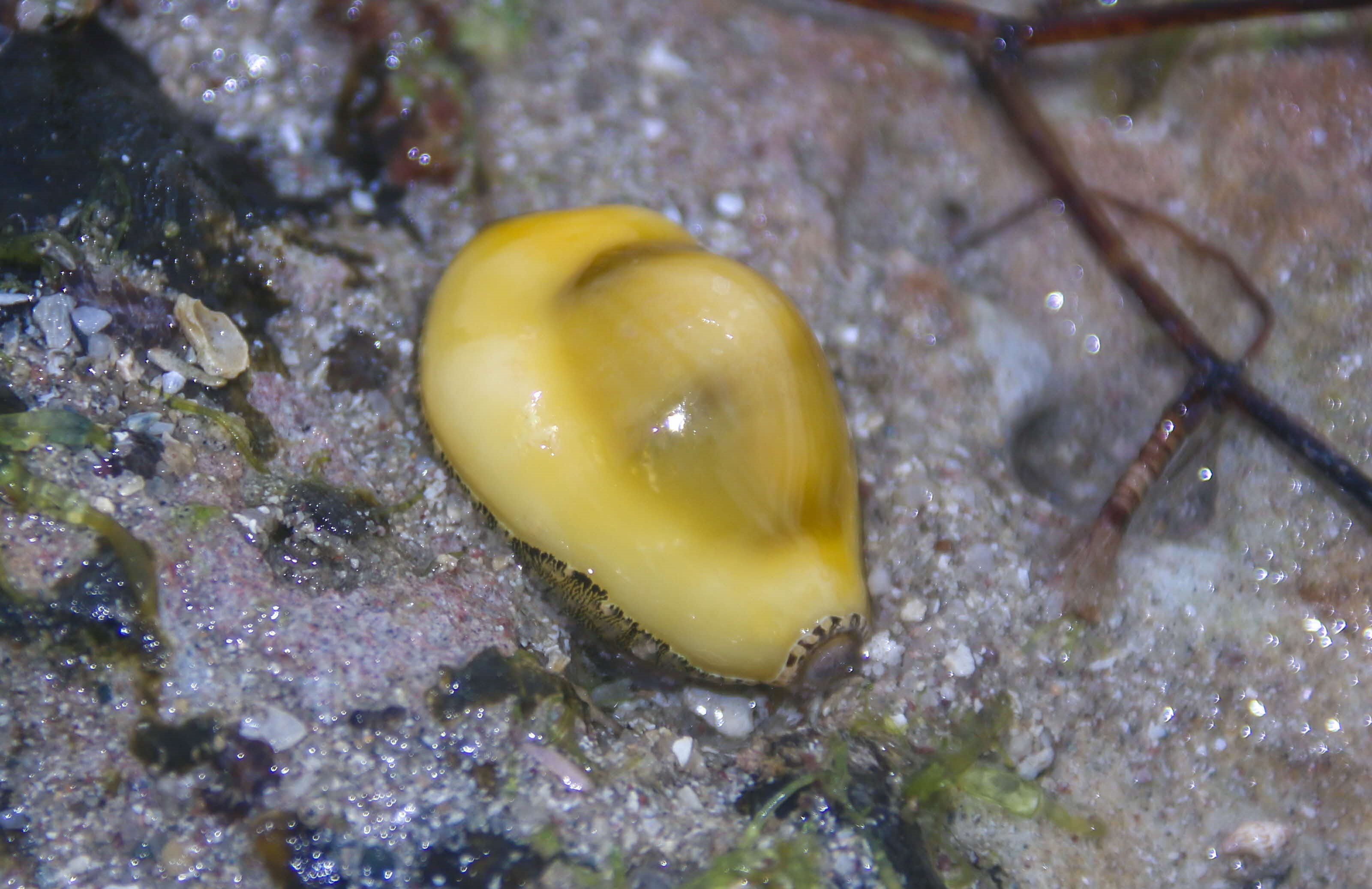 Photo from Jonathan Tan
Meanwhile, over 9,000 flora records across 1,500 taxa were compiled.
The islands are also home to 26 of the 35 species of true mangroves, and nine out of 12 seagrass species here.
NParks noted that where possible, seeds and cuttings of critically endangered coastal plant species, which are rarely found elsewhere in Singapore, will be collected for propagation.
For conservation
The survey, NParks stated in a press release, is part of the agency's efforts to establish "robust scientific baselines" and conduct periodic updates.
This helps in the development of effective strategies to manage Singapore's natural heritage and ensure resilience against climate change.
Not only do the survey findings help to inform future conservation strategies, they serve as a valuable resource for research, and will help identify areas and species that are of conservation priority.
For example, baseline data on species composition and whether there are rare species present from a survey of Lazarus Island and Kusu Island helped the agency identify the location of Singapore's second marine park.
The findings of the Southern Islands Biodiversity Survey have been published online in 16 chapters, and are now accessible on NParks’ website.
The remaining three chapters, which cover terrestrial plants, other insects and the conclusion, will be published by the end of 2025.
Top photo from Karenne Tun and Jonathan Tan