Branded
What is the Johor-S’pore SEZ all about?
Opportunities for Singaporeans and Singapore businesses.
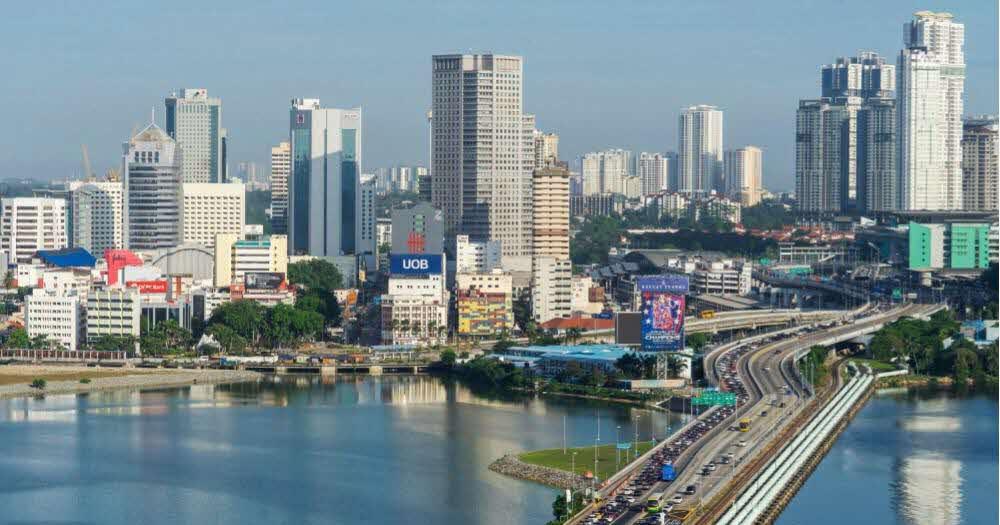
Johor and its capital, Johor Bahru, need little introduction for most Singaporeans.
It is a popular destination for Singaporeans, whether for work or day trips for shopping and food.
The proximity between Singapore and Johor, and by extension Malaysia, means that the border sees 350,000 travellers daily, making the Causeway one of the busiest land borders in the world.
Whether by car, bike, bus, train, or even by foot, the crossing is relentless.
And it's not just people.
Trucks bring in various goods across the land crossings at Woodlands and Tuas, anything from live chickens to prefabricated building parts.
There has never been a better time to cross the border, with all kinds of innovations and improvements underway, from the convenient passport free QR code clearance at Singapore’s land checkpoints with Malaysia (already in place), to even a new Customs, Immigration and Quarantine (CIQ) building at Woodlands.
These are signs of the deep economic and societal ties connecting Singapore with the State of Johor, and the eagerness of both sides to take advantage of that connection.
Complementary strengths
On Jan. 6, 2025, Singapore and Malaysia brought that relationship to the next level by signing the Johor-Singapore Special Economic Zone (JS-SEZ) agreement, which
- Improves cross-border goods connectivity between Singapore and Johor
- Enables freer movement of people, and
- Strengthens the business ecosystem within the region.
Singapore and Johor can complement each other in ways that increase their value proposition to each other and companies seeking a destination for global investments.
Singapore's strengths as a global hub for technology, business, and finance and Johor's abundant land and resources will open the JS-SEZ to many twinning opportunities.
The JS-SEZ aims to deepen cooperation in 11 economic sectors, such as manufacturing, energy, financial services, and the digital economy, to help companies expand their regional footprint.
Twin to win
One company looking to take advantage of this is Old Chang Kee, a purveyor of all types of tasty local snacks.
The company has been operating its factory on a plot of freehold land in Johor since 2011.
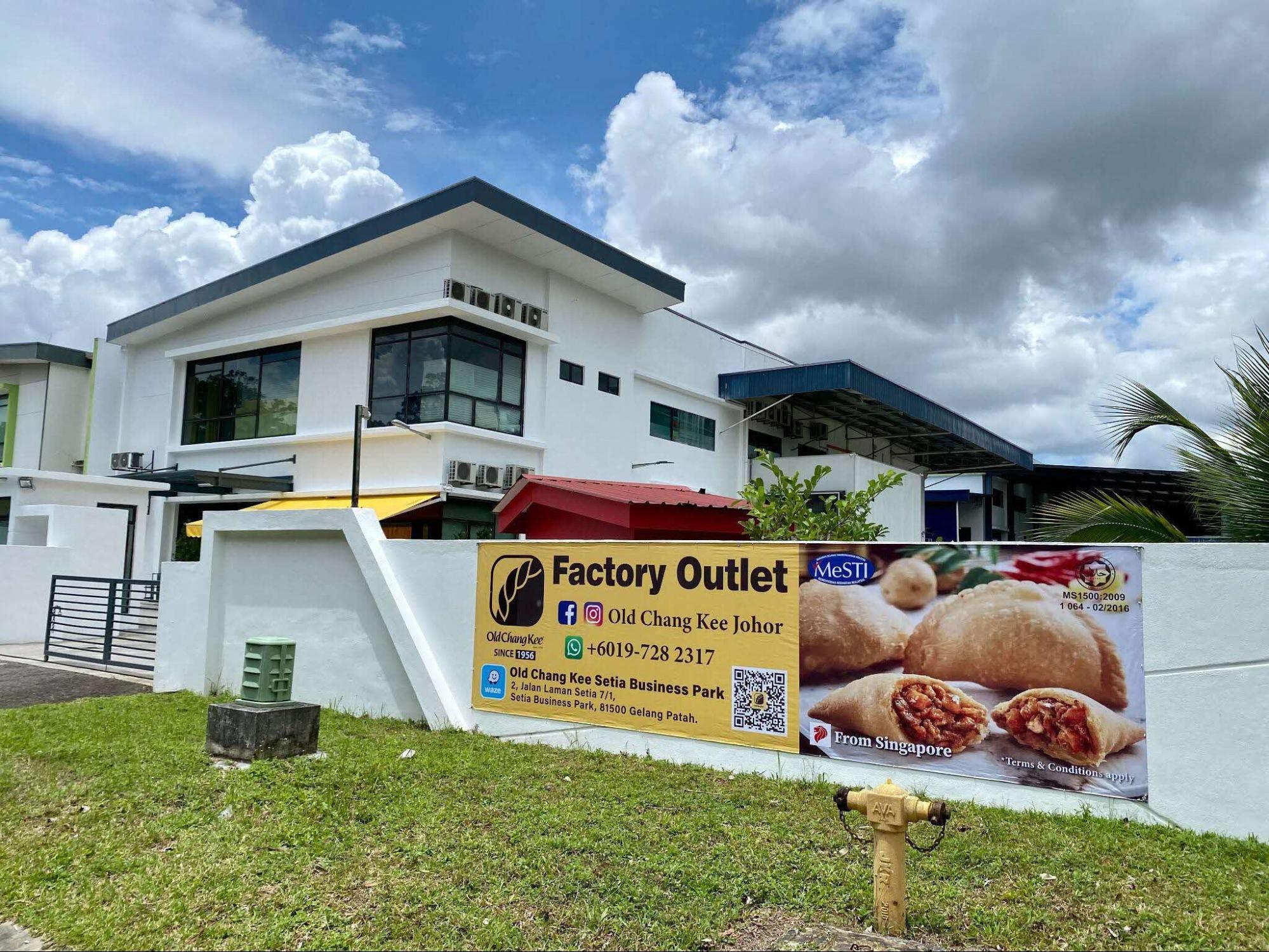 Image courtesy of Old Chang Kee
Old Chang Kee’s Philip Chow, Director of Malaysia Operations, spoke to Mothership, saying they look forward to using the SEZ to expand globally, with Singapore as its global HQ, and tap on Johor's "ample and untapped resources for production and logistics".
Aside from production, it plans to experiment with expansion into Johor first, before turning its gaze northwards to the rest of Peninsular Malaysia.
Chow added that Johor might even be able to "provide some relief from Singapore's high-cost base".
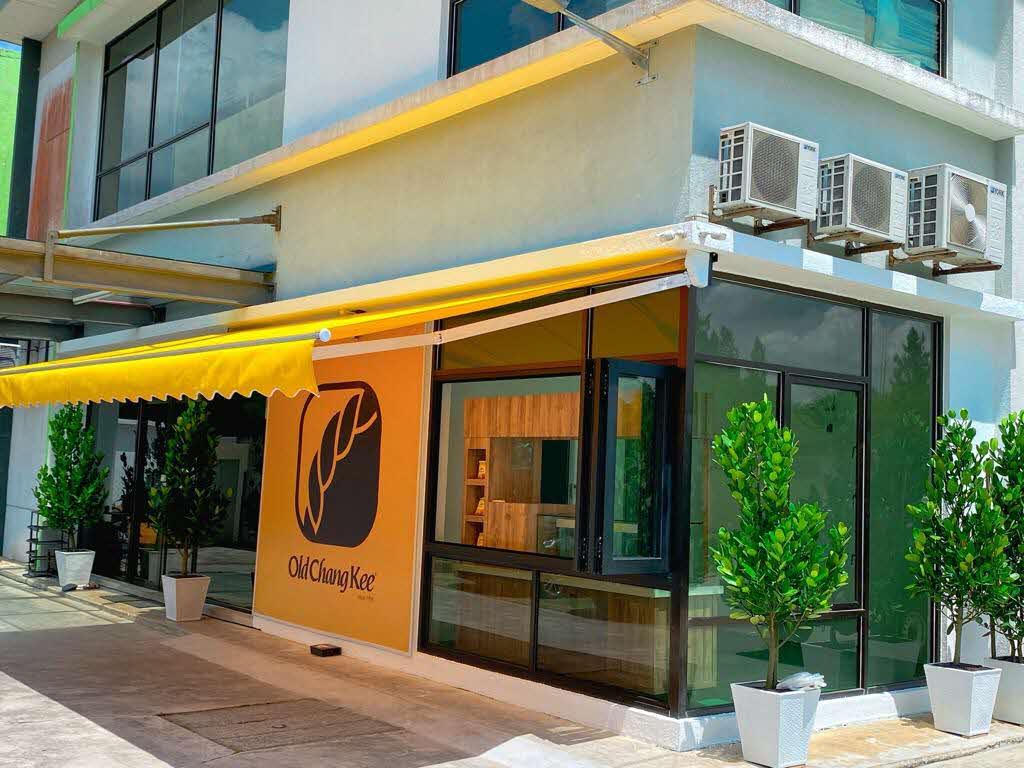 Image courtesy of Old Chang Kee
For Singapore companies looking to set up operations in Johor, the Singapore Government has initiatives to support their internationalisation plans such as the Market Readiness Assistance Grant and Enterprise Financing Scheme.
Good jobs
It isn’t just about setting up twinning operations to grow a business, but also about creating good jobs in Singapore and Malaysia.
Jimmy Yu, Senior Vice President of Strategy and Business Development at DayOne, a Singapore-based data centre company, said that the JS-SEZ will “create opportunities for Singaporeans, particularly in high-tech sectors such as AI, cloud computing, and data centre management”.
The demand for data centre services has increased, but while Singapore possesses strong connectivity through its extensive submarine cable infrastructure, it is a land-limited area.
Sensing that demand would spill over, DayOne built a facility at the Nusajaya Tech Park in 2023, and a second campus at Kempas Tech Park followed soon after.
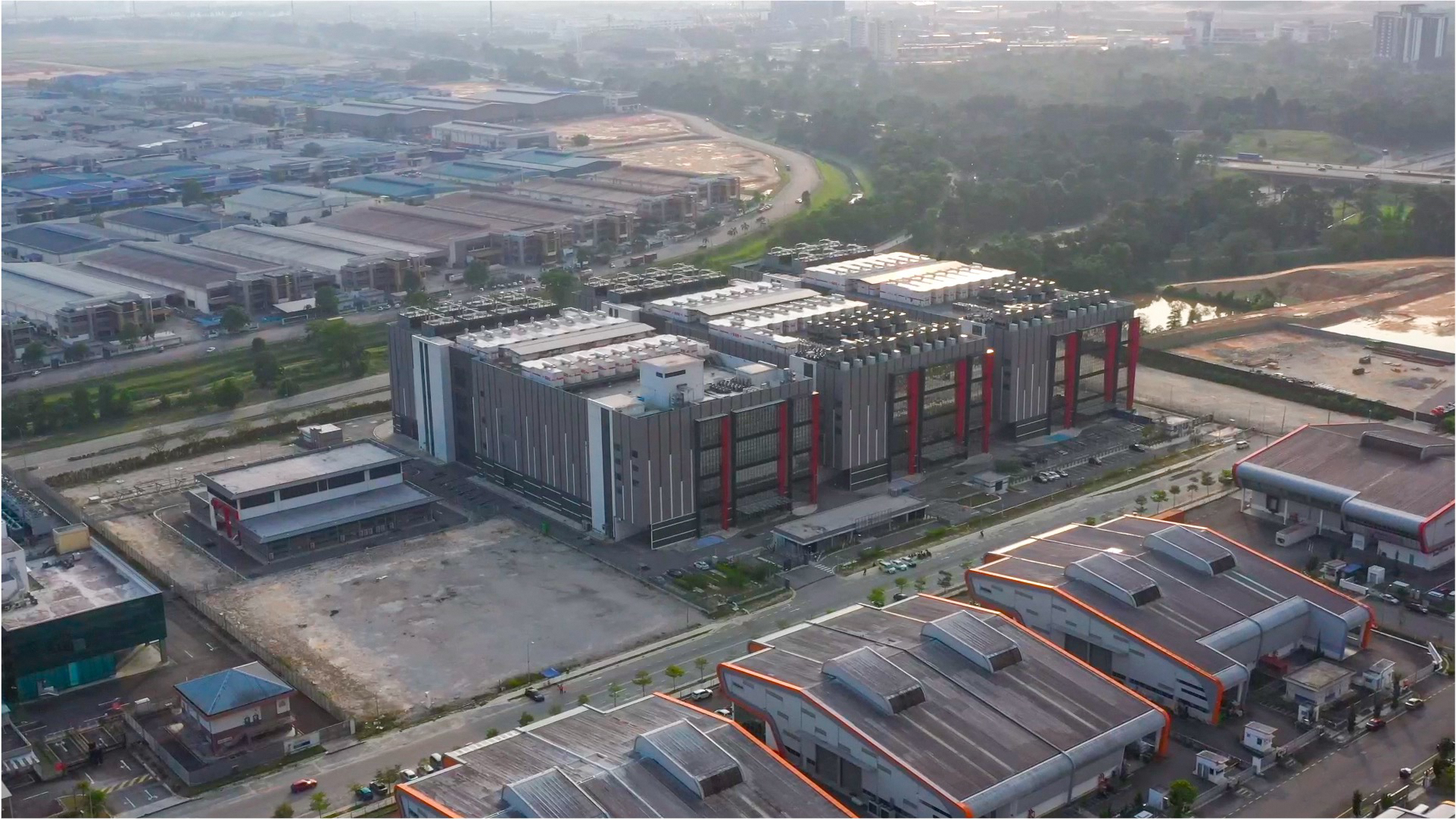 Image via DayOne
They brought resources, a supply chain, and technology to the region, working with the local government to build a conducive ecosystem.
As Yu puts it: “Companies like DayOne will be able to attract a diverse workforce, allowing Singaporean experts to work in Johor while benefiting from cross-border synergies."
Companies that are worried about the talent and skill gaps have contacted the relevant government authorities.
To tackle these concerns, the Malaysian government has established the Johor Talent Development Council, and Singapore's Institute of Technical Education (ITE) Education Services signed a Memorandum of Understanding (MOU) with Johor Skills Development Centre in January 2025 to strengthen cooperation in technical and vocational education and training.
E-Gates and paperless codes
But ultimately, it's one thing to have jobs and opportunities available in Johor, it's an entirely different thing to be able to get there.
If you've ever spent hours in a Causeway jam or in line at the CIQ building (on either side), you know the frustration that has often accompanied crossing the border.
But efforts in recent years have attempted to resolve this age-old gripe, with both sides implementing e-gates and passport-less QR codes to facilitate smooth travel.
Both countries are working towards increasing clearance capacity and implementing paperless clearance for goods and automated immigration lanes.
Something for everyone
Singaporeans and Malaysians have a great deal of familiarity with and warmth for each other.
The JS-SEZ represents a chance for Singaporeans to revisit a well-known land, but with fresh eyes and new opportunities.
For some, it is a chance to expand their businesses and take advantage of opportunities literally at one’s doorstep.
For others, it is a chance to explore good jobs, acquiring new skills and knowledge.
Top image via Canva
This article was brought to you by the Ministry of Trade and Industry.