



News

SGH patient successfully treated with virus taken from S'pore River after developing antibiotic-resistant infection
Using a virus to fight bacteria.
March 27, 2025, 10:30 AM


A female patient at Singapore General Hospital (SGH) was successfully treated with viruses, one of which was taken from the Singapore River, after she developed an antibiotic-resistant infection.
According to a press release by SGH, she is the first person to have been treated with viruses called bacteriophages (or phages) in Southeast Asia.
Developed a bacterial infection following a complex heart surgery
The patient, known as Ms A, was in her 30s and had developed a serious infection in her chest cavity and blood following a complex heart surgery due to a pre-existing health condition in January 2024.
SGH added that the "culprit bacteria" was Pseudomonas aeurginosa, a common organism known to cause serious infections.
Her infection was difficult to eradicate, and caused recurrent blood infections.
As a result, the patient was placed on a prolonged course of intravenous antibiotics and was hospitalised for a significant period of time.
The situation was further complicated by her pre-existing condition which requires lifelong cardiac care and her complex surgical history.
She faced a difficult choice between two options – undergo an extremely risky surgery to try to root out the infection or remain on intravenous antibiotics for the indeterminate future.
Hospital decided to turn to phage therapy for treatment
SGH then highlighted that phage therapy, which its team had developed, served as a promising alternative treatment strategy for Ms A.
The phages help eliminate the bacteria through a process known as lysis, where the virus, upon finding a bad bacterium, will infiltrate it and "hijack the bacterial machinery” to replicate themselves within the cell walls, resulting in the bacterium eventually bursting open and dying.
Such viruses exist everywhere – in bodies of water, soil, even on humans and animals, SGH pointed out.
In addition, as they are host-specific, it is necessary to find phages that could precisely target the pseudomonas strains that infected Ms A.
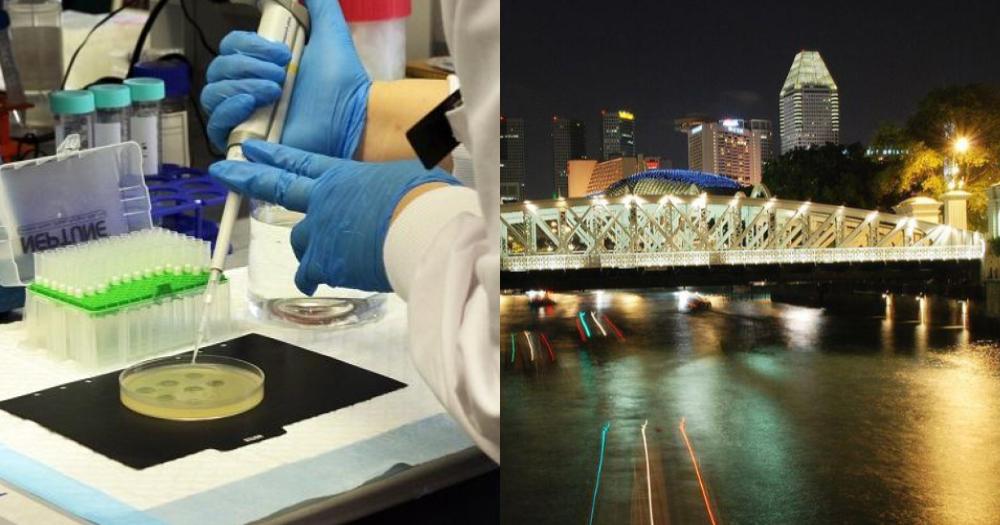
This is done by culturing the bacteria and performing a phage spot test. When there is a successful match between phage and bacterium, the phage is extracted for propagation and DNA sequencing to confirm that it is suitable and effective.
The hospital's team set out to match the bacteria against their library of over 100 catalogued phages and also searched for more in the environment.
They eventually developed a cocktail of three phages that could work synergistically with her antibiotics, to increase their potency and fight the infection.
One of these three phages was obtained from the Singapore River.
The phage screen, test and production of the safe phage formulation took the team about five months.
Patient showed significant improvement
The treatment was administered intravenously, and the two-week course treated the infection effectively, SGH stated.
Ms A was able to avoid high-risk surgery and moved from intravenous to oral antibiotics, which indicates significant improvement in the patient’s condition, SGH added.
She was also finally able to have her long-term vascular access catheter (a silicone tube placed in her vein) removed, as antibiotic administration was no longer required.
Her need for hospital visits was greatly reduced, and there was vast improvement in quality of life. She was also able to travel overseas with her young family.
SGH said:
"While not new, phage therapy is an emerging field and is considered experimental in most countries. In Singapore, as in other countries where this therapy has been administered, the team had to seek approval from the relevant health authorities including the clinical ethics committee, as well as informed consent from the patient in order to proceed.
This thorough process ensures patient safety remains paramount, even as we push the boundaries and explore novel treatments for antibiotic-resistant infections."
SGH has also administered phage therapy to two other patients after Ms A.
Left photo via SGH, right photo via Wikimedia Commons