



News

US Supreme Court unanimously upholds TikTok ban law
Tick tock, TikTok
January 18, 2025, 02:25 AM
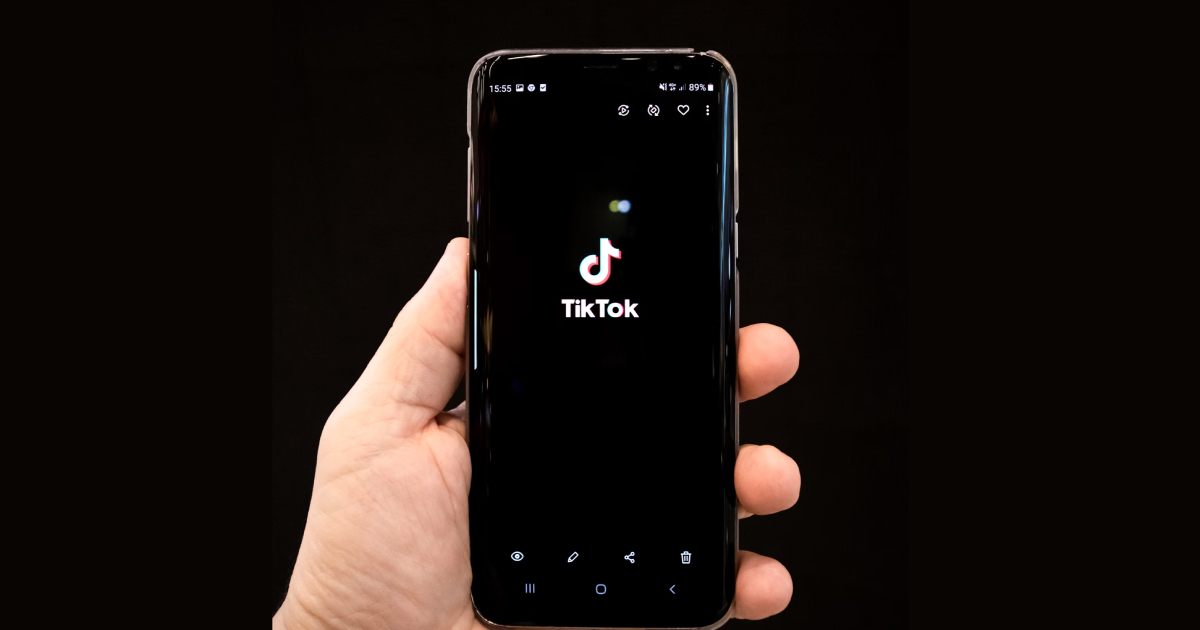


The United States Supreme Court on Jan. 17 unanimously upheld a law requiring ByteDance to divest itself from TikTok, the popular short-form video app.
This means that the app will be banned on Jan. 19, unless it can miraculously find a buyer mutually acceptable to the governments of the U.S., China, as well as its parent company ByteDance.
Tick tock: Time running out
In April 2024, the U.S. Congress passed a law that mandated that the China-based company ByteDance must divest itself of TikTok to U.S. ownership or ownership that satisfied Congress's national security concerns regarding the app.
That law was signed into effect by outgoing president Joe Biden in May 2024, effectively starting the clock on TikTok's demise in the U.S.
Although TikTok is a Singapore-based company, it's parent company ByteDance is based in China.
Both have repeatedly said they have no intention of selling TikTok, which has more than 170 million American users.
ByteDance has even said it would rather shut down TikTok than sell it.
Numerous U.S. legislators have said TikTok represents a significant national security concern, as it is owned by China and collects large amounts of data from U.S. users, suggesting that China's government could force ByteDance to hand over such data, a claim that TikTok denies.
China has rejected such allegations, and as early as March 2024, said it would "strongly oppose any forced sale of the company and that such a sale would "damage the confidence of investors" in the U.S., as was reported by the Washington Post.
Substantial respect
In May 2024, TikTok sued the U.S. government, saying that the potential ban violated the company's First Amendment right to free speech, amongst other concerns.
The case has made its way to the U.S. Supreme Court, which has, according to The Hill, been unusually quick to take on the case.
In a time when the court has become ever more fractious, this was an unusual unanimous decision by all nine justices, although two separate concurrences were filed.
Reuters reported that the court said "there is no doubt" that TikTok offered "a distinctive and expansive outlet for expression, but that Congress had found that divestiture was necessary to "address its well-supported national security concerns regarding TikTok's data collection practices and relationship with a foreign adversary".
The court also said it had given "substantial respect" to those national security concerns and that the law did not violate TikTok's First Amendment rights.
We go dark
With TikTok's final legal appeal having failed, it now faces a Jan. 19 deadline to take its operations offline, with a lawyer for TikTok telling Reuters that the platform would shut down, saying, "We go dark."
What precisely this looks like is unclear.
The Reuters report speculated that the service will continue to be available to U.S. users, but those who have not yet downloaded the app will be unlikely to do so off U.S. app storefronts.
The law also prevents U.S. companies from providing services to maintain or update the app.
The app should continue to be available outside of the U.S., however.
Out of time
But just as TikTok is facing a looming deadline, the Biden administration is itself on borrowed time, as the president is stepping down on Jan. 20 to be replaced by Republican Donald Trump.
Trump was initially in favour of a TikTok ban and unsuccessfully attempted to do so in 2020.
His stance on the app has softened significantly since, even using it extensively in his successful 2024 presidential campaign
It has even been reported that the Singaporean CEO of TikTok, Chew Shou Zi will attend Trump's inauguration, to be seated on dias with the incoming president in "a position of honour" along with other tech leaders.
Trump has vowed to save the app, and in December even called on the Supreme Court to delay implementation of the law in order for his administration to seek a political solution, according to CNBC.
However, not only did the Supreme Court not delay its ruling, they have been uncharacteristically quick in making their decision, having only heard oral arguments for the case the week before.
Biden's press secretary, Karine Jean-Pierre, acknowledged that the timing of the court's judgement meant that there was simply no more time for it to implement the law, and that enforcement would "fall to the next administration".
Meanwhile, attempts by various parties to solve the conundrum by simply purchasing TikTok from ByteDance continue, although none are likely to close a deal by the deadline.
It has also been suggested that China's government is assessing possible buyers for TikTok, with Elon Musk suggested as a possibility.
Mothership has reached out to TikTok and ByteDance for comment.
Related stories
Top image via Unsplash