Abroad


Japan PM Takaichi faces accusations of breaking campaign rules & falsifying resume for US internship in 1988
Scandals.
May 27, 2026, 07:15 PM
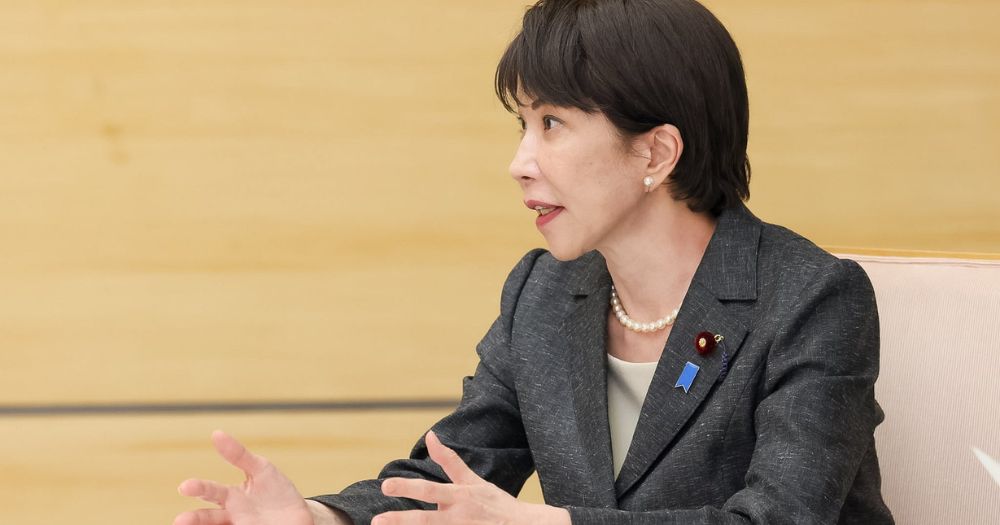
Image via Sanae Takaichi/Facebook


Japan Prime Minister Sanae Takaichi and her governing party, the Liberal Democratic Party, are facing backlash over several political scandals related to fraud and campaign advertising.
English-language Japanese media outlet The Tokyo Reporter said that Takaichi was facing a number of scandals, the two main ones being an accusation that she falsified her resume and that she and LDP candidates took part in illegal ads during a campaign period.
Allegedly falsified resume
Part of Takaichi’s lore is her stint working as an intern for Representative Patricia Schroeder, a member of the U.S. House of Representatives in 1988.
In a recent New York Times article, she is described as having worked tirelessly and having overcome cultural differences in order to thrive during a nine-month internship in Washington D.C.
The article describes her as “having found her political voice” during her time in the U.S., and that it had “made me what I am now.”
But the Reporter said that Japanese tabloid Nikkan Gendai has dug up a 1992 magazine article where Takaichi said during an interview that she had “falsified” her professional background.
Takaichi had allegedly said on her resume that she was an authority on Japanese military affairs, something that was not true.
Upon her return to Japan, she would describe her time as a legislative assistant when she was in fact an intern.
Campaign ads
The Reporter also shed light on other, more recent scandals.
It reports that Japanese investigative tabloid Shukan Bunshun reported that Takaichi's supporters had allegedly created and disseminated malicious smear videos targeted at opposition candidates during the February 2026 general election, as well as her earlier successful LDP leadership contest.
The South China Morning Post reported that earlier this month, on May 13, Takaichi publicly backed her secretary over such allegations, but had not denied their possible role.
It was claimed that Takaichi's supporters had created several videos highly critical of other LDP leadership candidates, such as Shinjiro Koizumi, son of former Prime Minister Junichiro Koizumi, who Takaichi was later appointed as defence minister.
This was despite the video clips describing Koizumi as "incapable" and a puppet of hereditary politics," in part due to his use of cue cards, which the video said were “evidence of incompetence”.
The Mainichi reported on videos produced for the Feb. 8 Lower House of Representatives election, which labelled opposition party leader Yukio Edano as a professional complainer.
Edano was running as a candidate for the Centrist Reform Alliance and subsequently lost his seat.
Takaichi denied the reports while in Parliament, saying that it was not her approach to personally attack opponents.
She also said that her office and campaign team had told her that they did not in any way disseminate negative information about other candidates or create and distribute such videos.
Referring to the Shukan Bunshun, she asked rhetorically, "Do I believe a weekly magazine or do I believe my secretary? I believe my secretary.”
Nikkan Gendai also said that during those same elections, five LDP candidates had appeared in paid internet video ads, despite it being prohibited by Japanese election law strictly during an active campaign period.
The report highlighted five candidates who had allowed paid YouTube advertisements to run after the official campaign period had started, with some running for only a few days, and others running until the day before the election.