Features


Ex-Japanese gravure idol, 34, now married to S'porean man, says she can stay in S'pore 'a long, long time'
"So at that moment… I thought that I want to spend time with him."
May 12, 2026, 11:05 AM
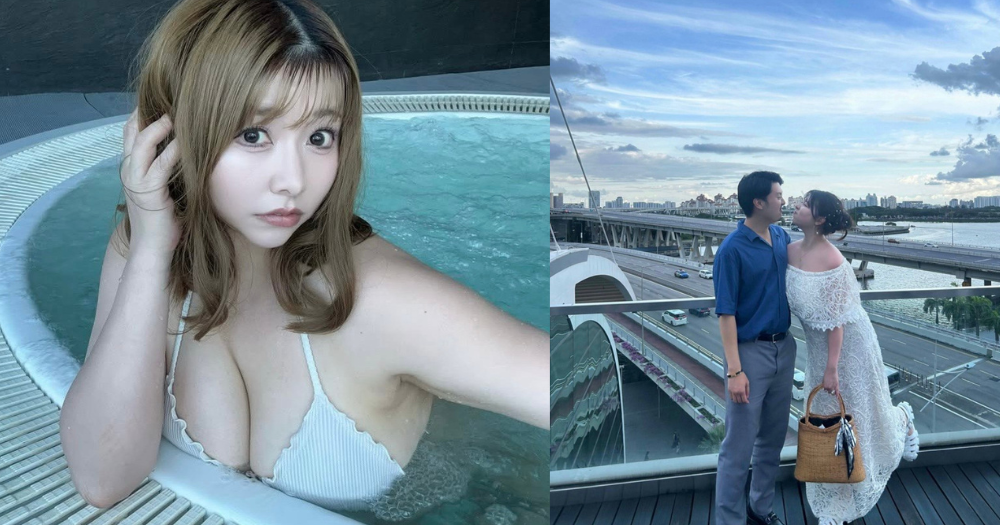
Photo from Mariya Tachibana/Instagram


In 2021, Mariya Tachibana left Japan to study in Singapore.
Tachibana, who hails from the Kanagawa Prefecture, had spent the past four years working as a gravure idol — a type of Japanese glamour model that specialises in swimsuit or lingerie shoots.
The 30-year-old had embarked on the study abroad programme in hopes of learning English.
What she didn't expect was to fall for a Singaporean man — and, two years later, end up married to the love of her life.
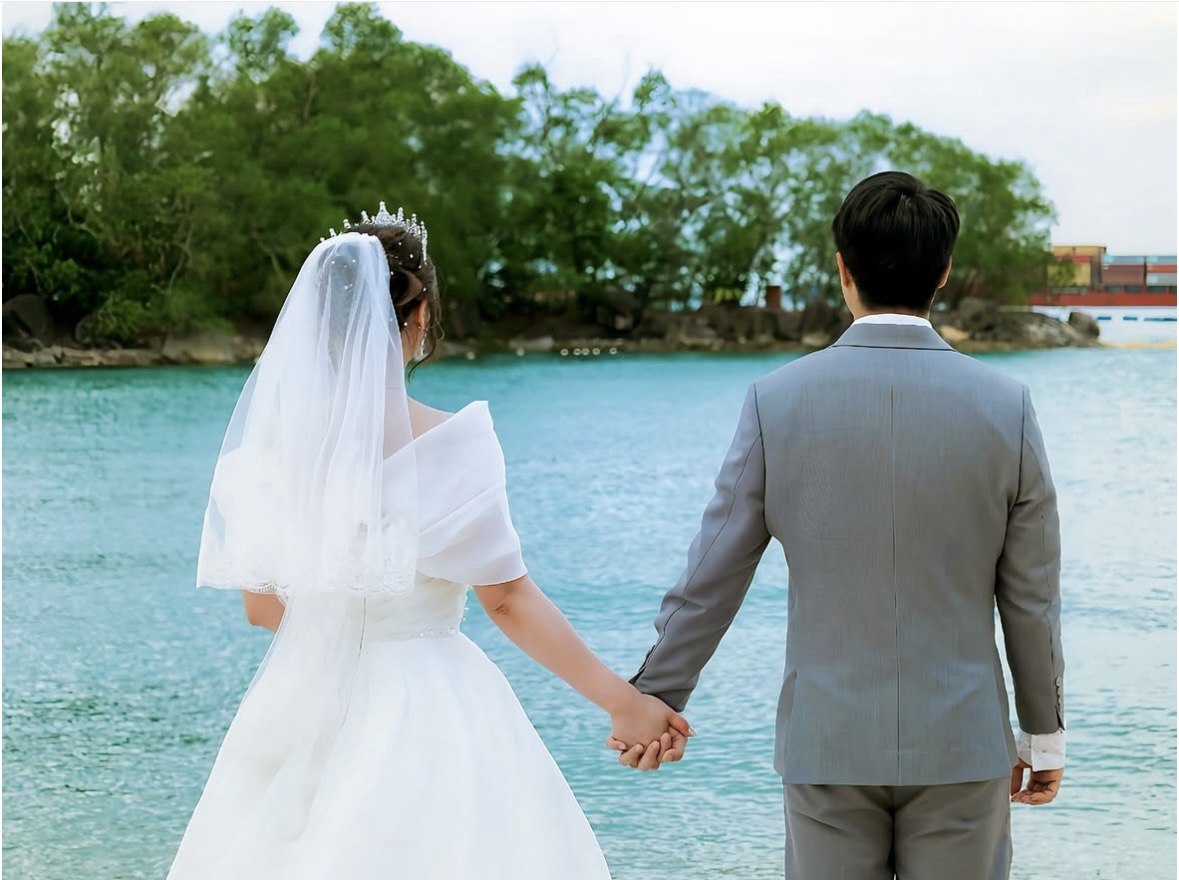 Photo from Mariya Tachibana/Instagram
'Singaporean men are kind'
Tachibana has been married to her husband for the past three years.
Last month, she posted an Instagram reel titled 'What is international marriage really like?' and shared her experience being married to a Singaporean.
She said she believes "Singaporean men are very kind".
In an interview with Mothership, which she did alongside her two dogs — Lulu and Haku — she explained that in her experience, Singaporean men are more thoughtful and romantic.
"They're more mindful, they take care of the lady, in everyday life," she explained.
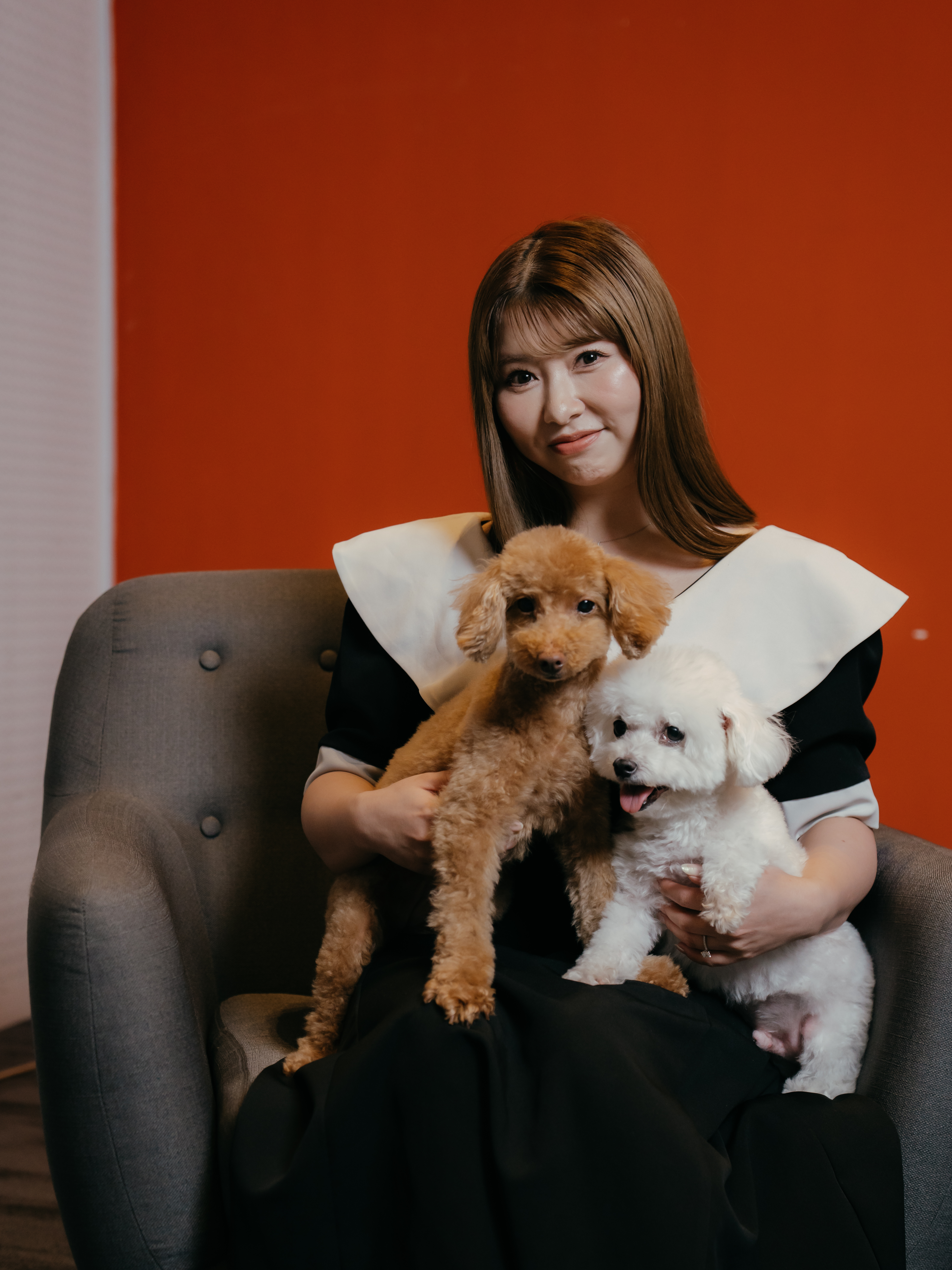 Photo by Mothership
Her past job
But she did have some worries that Singaporeans might judge her for her previous gravure idol job.
"In Japan, people don't have a bad impression of it. It's a normal job, like a model," she said.
"But there isn't this sort of thing in Singapore. So I was a bit worried at first."
She need not have worried. Her husband — who she met at their then-mutual job, at a Japanese company in Singapore — didn't think much of it.
"He wasn't surprised. He just said 'oh, that was your previous job? No wonder you're so cute'," she said.
Marrying a Singaporean
But how did she end up married to a Singaporean man?
Mariya said that when she first met her husband, he was "not [her] type" at all.
But after getting to know him, she became enamoured with his calm and kind character, she said.
He was similarly attracted to her cheerful, open personality.
So they began to date.
But it wasn't easy at first. "It was so hard... my English was not so good [back then]," she said.
"Even a five-minute conversation would take around 30 minutes. Because we used an app to translate... It was very slow."
The proposal
But there were good things that made the struggles worth it, Tachibana said.
"For me, it was his… what’s inside, his character. That was the most important part to me.
So at that moment… I thought that I want to spend time with him."
Two years after they started dating, he proposed, in Tokyo Disneyland. It was in front of her mother, her best friend, and his family.
It was something she'd casually mentioned previously: that she wanted to be proposed to in front of the most important people in her life.
It was mostly a joke, she said. "He didn’t even have my best friend’s contact number… so, how?"
But he took it seriously. Last year, while on a trip to Japan, he got down on one knee with a bouquet of roses and a ring.
Four months later, they were married.
 Photo from Mariya Tachibana/Instagram
International marriage
Today, Tachibana's become much more comfortable with English.
She even speaks with a scattering of Singlish — some lahs and lors — during our interview. "Everyone says my English has changed already," she laughed.
She also has a good relationship with her Singaporean in-laws, who she says are "very kind to [her]".
International marriage still has its challenges. The language barrier, for instance, still exists.
"Sometimes when we fight, I don't know how to say my feelings 100 per cent... I'll say to him, 'actually if you know Japanese, if you can speak Japanese, I would be able to express myself better'," she said.
There are also cultural differences.
For instance, Tachibana prefers using chopsticks during meals. Her husband, as a Singaporean, is more used to Western-style cutlery.
On a trip to Asakusa, she ordered him a special pair of chopsticks with his name on them. "But he never used them," she quipped.
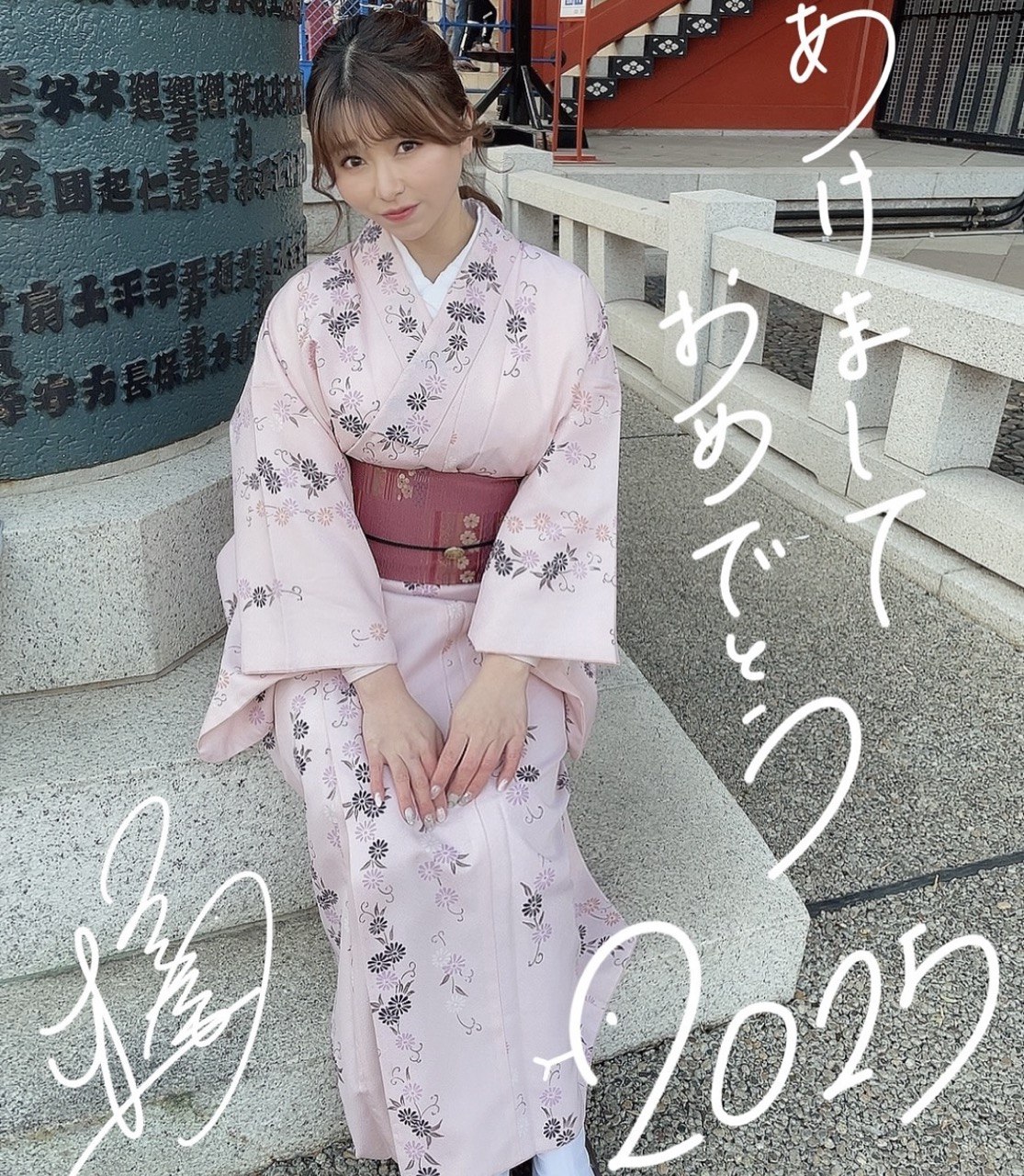 Photo from Mariya Tachibana/Instagram
'I prefer Singapore'
But on the whole, Tachibana is enjoying her international marriage and life in Singapore.
Singaporeans — both men and women — are kinder and less judgmental than Japanese people, she said.
At her previous workplace, her colleagues always reassured her whenever she fumbled with English. "They would say, 'oh, you can use the translation app, don't be shy'," she said.
"So I felt like it was not embarrassing [to make a mistake], and that I can try. I can try, and the most important thing is my effort."
Her husband is slowly picking up some Japanese — not formally, but through her conversations with her friends.
He's also supportive whenever she wants to go back and visit, reassuring her that she can go back anytime — for a month, three months, even a year.
"He says, 'you don't need to worry about me, I can take care of [the dogs], I can do the housework. Even one day if we have a baby — you can be comfortable. You don't need to care about me a lot, just focus on your own emotions.'"
She does miss and love Japan, and she acknowledges that it might be easier to have married a Japanese man, and resumed her life in Japan.
But she has no regrets about her new home and family.
"I prefer Singapore, really," she said.
"I think I can stay in Singapore a long, long time."
 Photo from Mariya Tachibana/Instagram