


Court


S'porean doctor, 38, gets 18 months' jail for causing death of woman, 31, who he said wanted to improve fine lines on forehead
He was convicted of one charge of committing a negligent act not amounting to culpable homicide in causing Lau Li Ting's death.
May 14, 2026, 06:25 PM
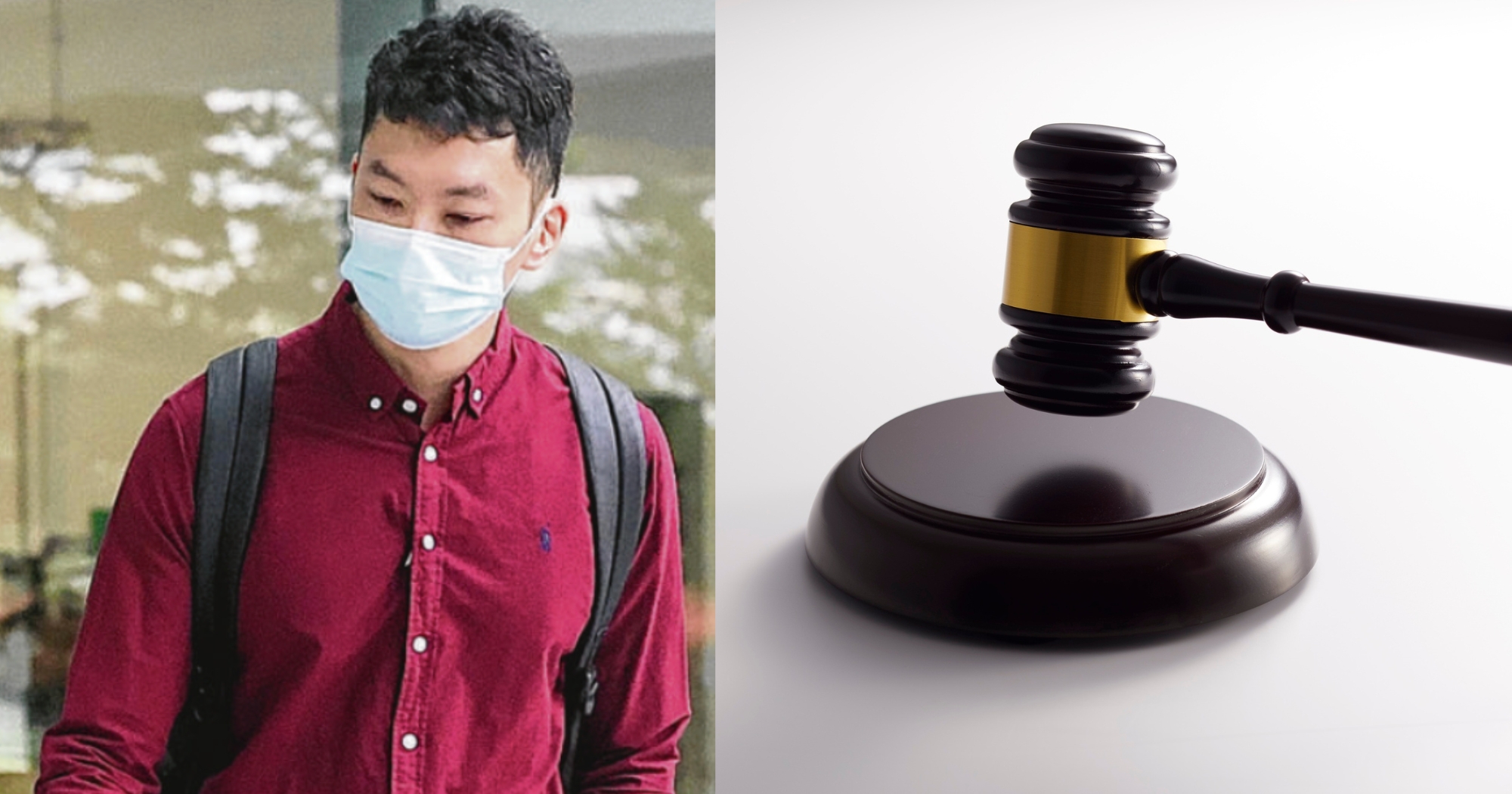
Photos via Shin Min Daily News, Canva


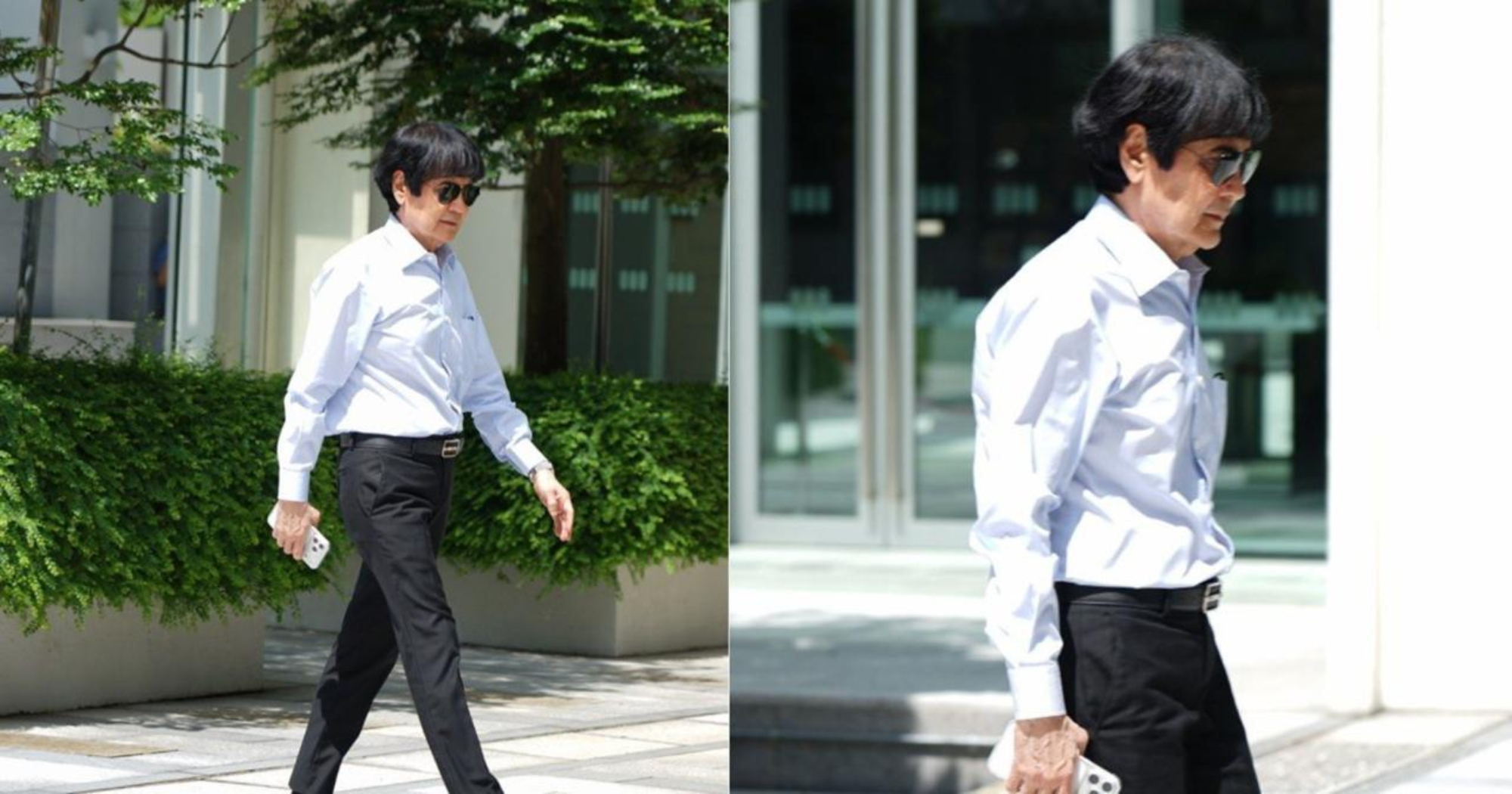
A 38-year-old Singaporean doctor was sentenced on May 14, 2026, to 18 months' jail for administering a substance in an aesthetic treatment that killed a 31-year-old woman.
Based on charge sheets and court documents seen by Mothership, Chan Bingyi had administered ethylenediaminetetraacetic acid (EDTA) too quickly and at a concentration that was too high.
As a result, Lau Li Ting developed EDTA toxicity, and this led to her cardiac arrest and death.
Convicted
Calling it a "deplorable conduct" done for Chan's own self-preservation, CNA reported that the judge said this as Chan had concealed having administered EDTA to Lau from her family, paramedics and doctors.
Chan had been convicted of one charge of committing a negligent act not amounting to culpable homicide in causing Lau's death, though he previously pleaded not guilty and claimed trial.
An earlier report mentioned that Chan also faced three other charges for the possession of unregistered and unwholesome health products.
Administered EDTA
This comes after Lau visited Revival Medical & Aesthetics Centre at Esplanade Exchange on Mar. 8, 2019.
According to court documents, Chan told the Ministry of Health (MOH) that Lau wanted to improve the fine lines on her forehead, and added that he initially recommended a treatment different from EDTA, as well as laser for her pores.
Chan also claimed that Lau asked if he provided "chelation treatment", which she had previously undergone with a different doctor.
According to CNA, chelation therapy involves the intravenous administration of EDTA, which is a powerful chemical agent acting as a binding agent that suppresses chemical activity.
Chan told MOH that though he told Lau she was not suitable to undergo chelation treatment, she "insisted" as she was happy with the outcome after undergoing the treatment with another doctor.
Seizure, died
Following this, Lau stopped talking shortly after Chan had administered the EDTA injection, and he realised upon checking on her that she was having a seizure.
After receiving the injection, Lau experienced shivers and suffered a cardiac arrest.
The Singapore Civil Defence Force (SCDF) was alerted at 12:20pm that day.
The doctor attempted resuscitation while awaiting SCDF's arrival.
She was taken to a hospital but died five days later.
Defence's argument
According to CNA, Chan's defence lawyers argued at trial that Lau could have died of other causes, such as consuming slimming products.
The use of EDTA was not expressly prohibited by MOH at the time of the offence, the defence added.
His lawyers also said that while an MOH circular had requested all hospitals to cease providing chelation therapy, it had not been issued to private clinics.
Chan had been made aware of this circular only after Lau died, and MOH gave him a copy. CNA reported the lawyers saying, adding that Chan had attempted to resuscitate the victim, called for an ambulance and went to the hospital multiple times.
Judge says Chan's acts were direct cause of Lau's death
In that regard, Senior District Judge Ong Hian Sun found Chan's acts to be the sole and direct cause of Lau's death, CNA reported.
It was not mitigating that Lau had not suffered harm in her previous treatment, or that Chan had previously carried out similar treatments without harm to other patients, the judge added.
Noting that Chan knew the risks associated with chelation treatment, including death, CNA reported that the judge said Chan failed to take any precautions to ensure Lau was a suitable candidate for it.
The judge added that in a doctor-patient relationship, the patient's life and well-being are at the mercy of the doctor treating the patient.
Chan, being motivated by monetary gain, had "clearly betrayed" the trust imposed in him by agreeing to administer EDTA on Lau, said the judge.
Chan also did not take the necessary safeguards in the procedure, said the judge, adding that he had not undergone any proper training to administer EDTA, and this was prohibited by MOH, CNA reported.
Wilfully chose to conceal EDTA treatment: Judge
Noting that his conduct after Lau collapsed included "wilfully" choosing to conceal the EDTA treatment from her family members, paramedics and treating doctors, the judge said this deprived them of critical life-saving information.
In addition, Chan had also deliberately left out keeping proper clinical notes regarding the procedure, as he knew he had administered a prohibited substance, causing Lau's collapse, CNA reported.
Chan also did not preserve any of the items used in the treatment at the time for his own self-preservation.
CNA reported that Chan, who is still registered as a medical practitioner on MOH's registry, will be appealing against his conviction and sentence.
For causing death by a negligent act not amounting to culpable homicide, he could have been jailed for up to two years, fined, or both.