Abroad


UAE leaves OPEC, deals blow to oil producers' group that controls oil supply & prices
It also widens the rift with neighbour Saudi Arabia, which is the de facto leader of OPEC.
April 29, 2026, 11:36 AM
Photo via Unsplash


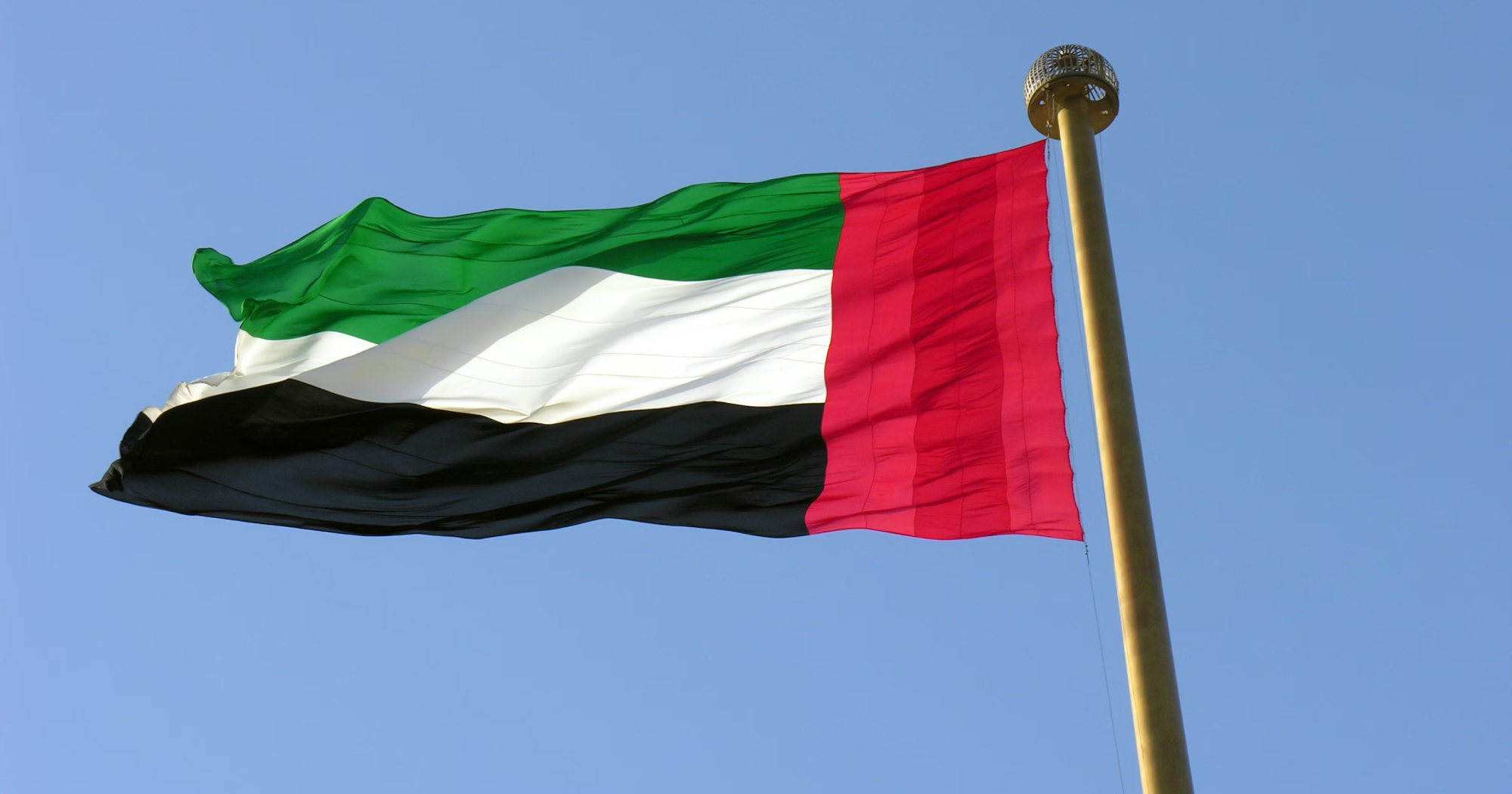
The United Arab Emirates (UAE) announced on Apr. 28 that it is quitting OPEC, dealing a blow to the oil producers' group.
UAE is one of the group's biggest producers of the Organization of the Petroleum Exporting Countries (OPEC).
The exit slated for May 1 weakens OPEC's control over global oil supplies.
It also widens a rift between the UAE and its neighbour Saudi Arabia, which is the de facto leader of OPEC.
Iran war causing discord
The Iran war has resulted in an energy crisis and exposed discord among Gulf nations.
With its exit, UAE would no longer be governed by OPEC quotas and could potentially increase output once exports resume.
UAE Energy Minister Suhail Mohamed al-Mazrouei told Reuters over phone that the decision was taken after examining the country's energy strategies.
He said the UAE had not discussed the issue with any other country and implied that the UAE would be positioned to meet the world's demand for more energy.
"We took this decision at a time when consumers need our attention. We are facing an unprecedented time when strategic reserves of crude products are being drained to a scary level," he said.
Win for Trump
The UAE exit is a win for U.S. president Donald Trump.
He has accused OPEC of "ripping off the rest of the world" by inflating oil prices.
Trump has also linked U.S. military support for the Gulf with oil prices.
He said that while the U.S. defends OPEC members, they "exploit this by imposing high oil prices".
OPEC Gulf producers have been struggling to ship exports through the Strait of Hormuz, where 20 per cent of the world’s crude oil and liquefied natural gas normally passes due to Iranian threats and attacks against vessels.
The chokepoint lies between Iran and Oman.
Background of OPEC
OPEC was formed in 1960 by Iraq, Iran, Kuwait, Saudi Arabia, and Venezuela.
Member states wanted to stabilise prices and sustain development.
OPEC now has 13 members.
The organisation meets to set oil production targets and coordinate output to help manage global oil prices.
It has sought to show a united front despite internal disagreements over geopolitics to production quotas, among other issues.
OPEC cooperates with a group of non-member oil-producing countries through the OPEC+ framework.
As Gulf supplies have become stuck, OPEC+'s share of global oil output fell to 44 per cent in March from about 48 per cent in February, according to the International Energy Agency.
It is likely to fall further in April.
It should then take a further dip in May as the fourth biggest producer leaves the group.