News


S'pore businesses may face higher energy costs, global inflation could rise due to US-Israel war on Iran
As a highly open and trade-dependent economy, Singapore is particularly exposed to external shocks.
March 02, 2026, 12:25 PM


The ongoing conflict between the United States, Israel and Iran may reportedly lead to higher operating for businesses worldwide, as volatile energy prices and disruted trade routes weigh on global supply chains.
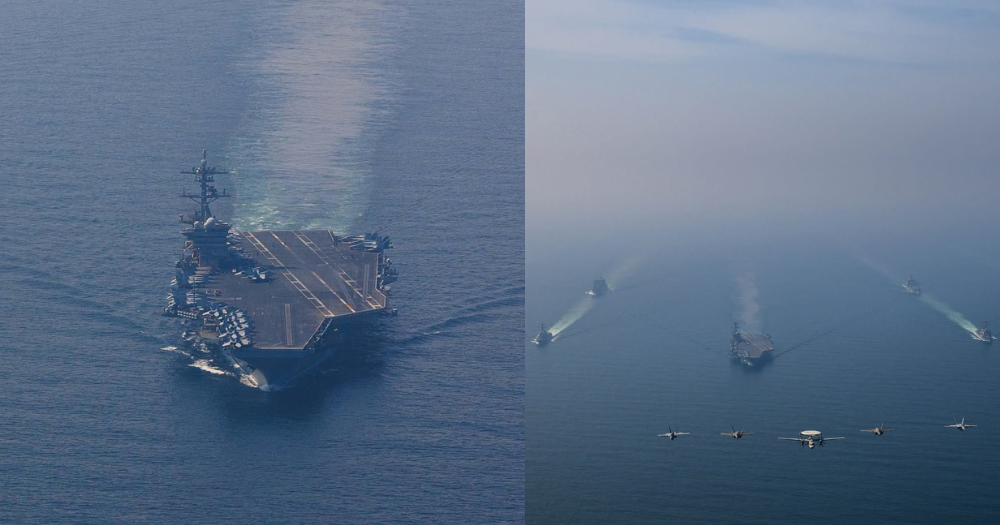
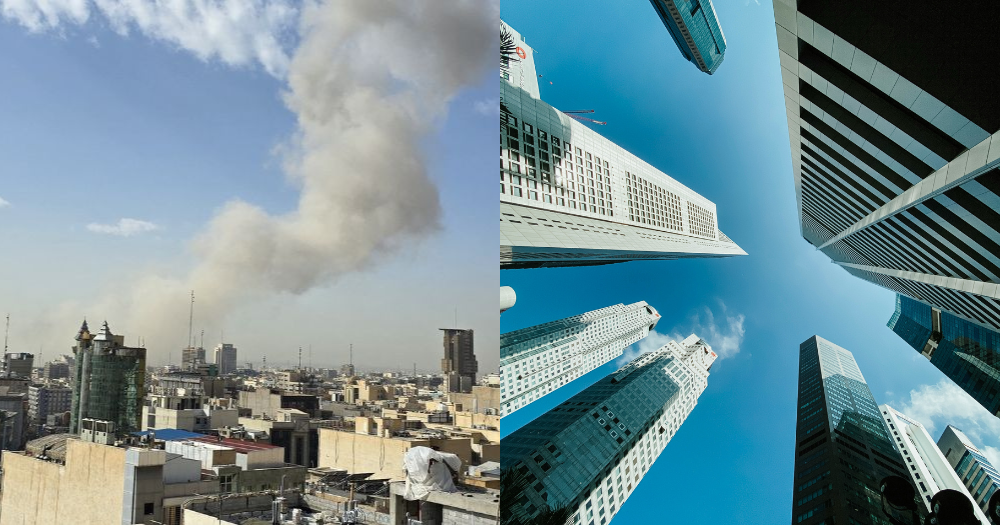
On Feb. 28. the U.S. and Israel launched military strikes on Iran, killing Iran’s supreme leader Ali Khamenei.
Iran subsequently launched retaliatory attacks on Israel, as well as its neighbours Kuwait, Qatar, Bahrain and the United Arab Emirates (UAE), some of whom house U.S. military bases and personnel.
Singapore vulnerable to external shocks
According to The Business Times (BT), the CEO of the Singapore Business Federation (SBF), Kok Ping Soon, said the conflict's impact on global energy markets, shipping routes, and business sentiment, is a growing concern for companies in Singapore.
Due to its position as a highly open and trade-dependent economy, Singapore is particularly susceptible to external shocks.
Businesses could face immediate pressures from higher logistics costs, volatile energy prices and supply chain disruptions.
As of now, the most immediate risk stems from oil prices, especially if shipping through the Strait of Hormuz is affected.
This sea lane links major oil-producing nations to the Arabian Sea, most notably Saudi Arabia, and about 20 per cent of the global crude oil supply passes through it.
Rising oil prices
Oil prices have already risen amid fears of disruption, BT reported.
Brent crude prices recently climbed above US$70 (around S$88.70) per barrel, with some analysts warning prices could reach US$100 (around S$126.70) if tensions escalate further.
Moreover, should physical supplies through the Strait be curtailed, elevated prices may persist for months rather than weeks.
Analysts noted that this could also accelerate global inflation, with Asia likely to bear the brunt of the consequences, as the majority of economies in the region rely heavily on imported energy, with growth driven by energy-intensive data centres.
For Singapore, the impact could be twofold: higher consumer prices alongside weaker trade activity.
Airlines, shipping and heavy industry are expected to be among the most vulnerable sectors, while energy producers and commodity exporters may benefit from higher prices.
The higher oil prices are also likely to contribute to electricity tariffs, transport fuel costs and broader production expenses across the economy.
Maritime and aviation routes disrupted
Supply chains face additional risks, as both maritime and aviation routes may be disrupted, as reported in BT.
The Middle East serves as a key transit corridor between Asia and Europe, prompting some shipping companies to reroute vessels around the Cape of Good Hope to avoid the region.
As a result of the reroute, it may take up to an additional 14 days for shipping.
This poses particular challenges for Singapore, where wholesale trade has become the largest contributor to the services sector.
However, the aviation sector may potentially face more disruptions.
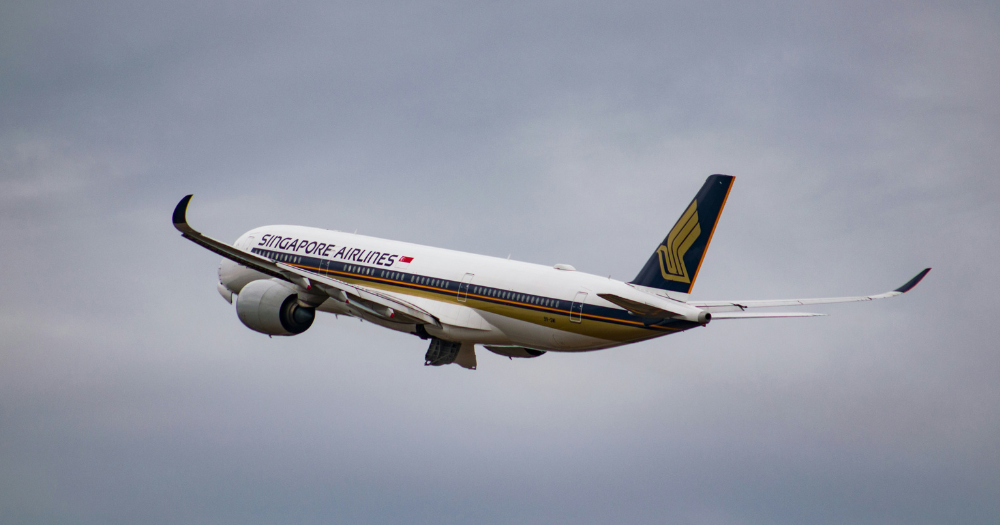
Due to Iran's retaliatory strikes, major regional air hubs including Doha, Dubai and Abu Dhabi, have closed.
This has led to over 1,000 cancelled flights, leaving hundreds of thousands of travellers stranded.
Price fluctuations
Observers said prolonged uncertainty could dampen business confidence, forcing companies to prepare for sustained volatility.
Industry leaders also noted that the main concern is not only higher oil prices, but also increased price fluctuations, which raise hedging costs, disrupt shipping insurance and require firms to hold more inventory and working capital.
The volatility of oil prices is also said to flow through to transport, utilities and input expenses, squeezing margins across multiple sectors.
Some industries, like food and beverage and retail, could face additional cost pressures should freight and energy prices surge.
Firms should hold off expansion plans
According to BT, companies with existing operations in the Middle East may need to navigate continued uncertainty, while firms considering expansion into the region should delay their plans.
However, analysts said the geopolitical instability may strengthen Singapore’s appeal as a stable business hub, potentially attracting investment flows as companies reassess diversification strategies.
Singapore businesses are also encouraged to strengthen supply chain resilience, manage cost and currency risks, while also ensuring close communication with partners and customers.
However, observers cautioned that the situation remains at an early stage, but could have significant global consequences if the conflict widens.
Top photos from AFP and Unsplash