News

Gurkha's daughter, 34, who grew up in S'pore, reflects on having to leave, calls for citizenship
"We know Singapore by heart, just like any other Singaporeans, and we love and uphold the same sentiments as the locals."
January 14, 2026, 11:22 AM
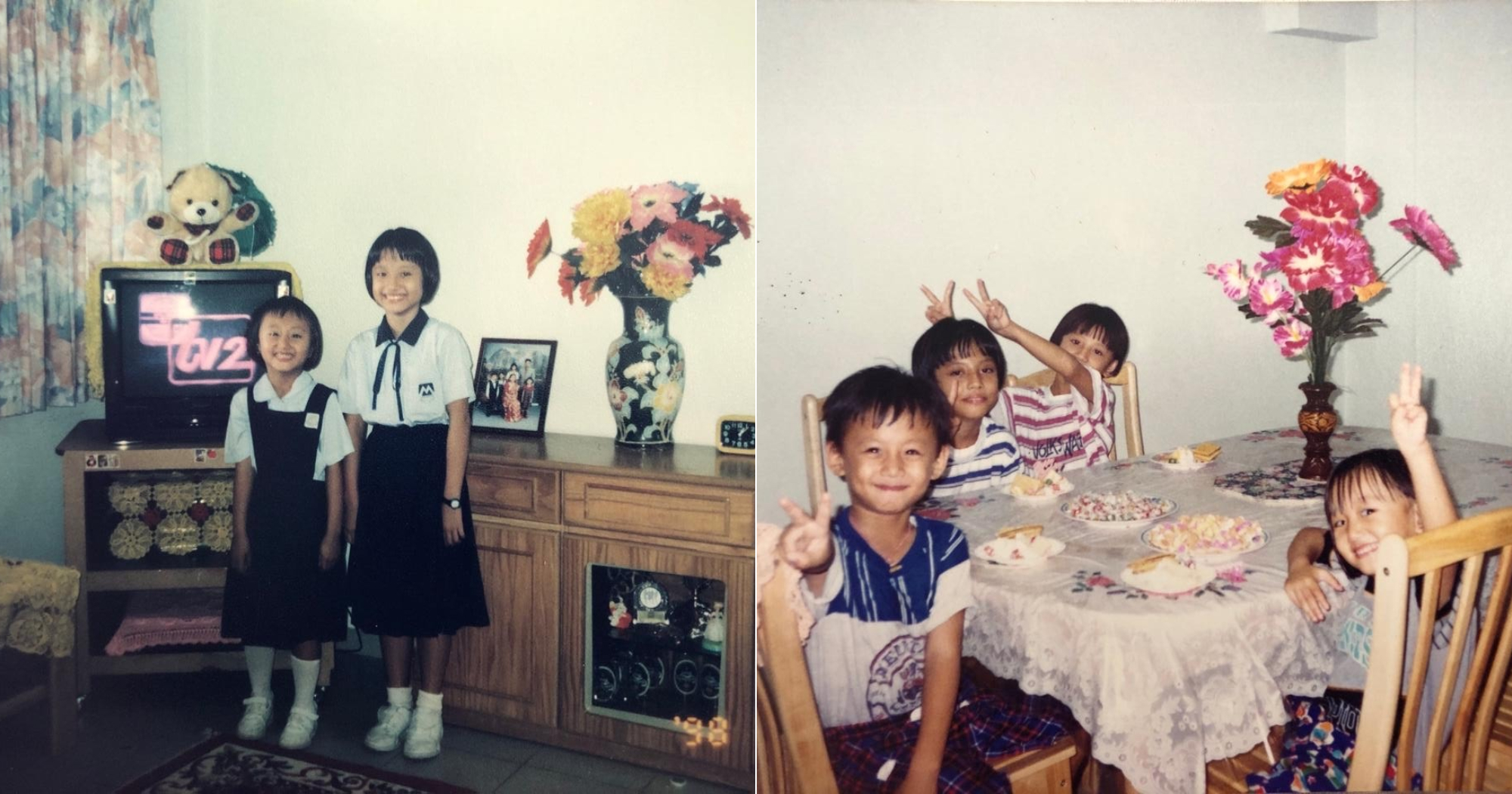


Jules Thapa, 34, is a Nepali content creator based in Kathmandu, the nation's capital city.
But when she thinks of home, she also reminisces about chicken rice, hums to Kit Chan's "Home", and recalls the plot of Mediacorp dramas, just like many Singaporeans would.
That's because Jules spent her formative years in the Little Red Dot as the daughter of a Gurkha who was based here in the 1990s.
In a recent Facebook post, she wrote longingly about her time growing up here as someone who isn't Singaporean, but very much feels like one.
MacPherson Primary, chicken rice and 'hawa khaney'
Speaking with Mothership, Jules took a walk down memory lane and shared about what it was like to be born and raised as the child of a Gurkha previously based in Singapore.
Many of the "core" memories she brings up would ring a bell with Singaporeans.
Jules was born in KK Women's and Children's Hospital in 1992.
"We grew up with the same lifestyle and culture as Singaporeans. We went to local schools and were raised through the same education system, except that we didn't take any mother tongue lessons," she continued.
MacPherson Primary School and Bartley Secondary School are Jules's alma maters.
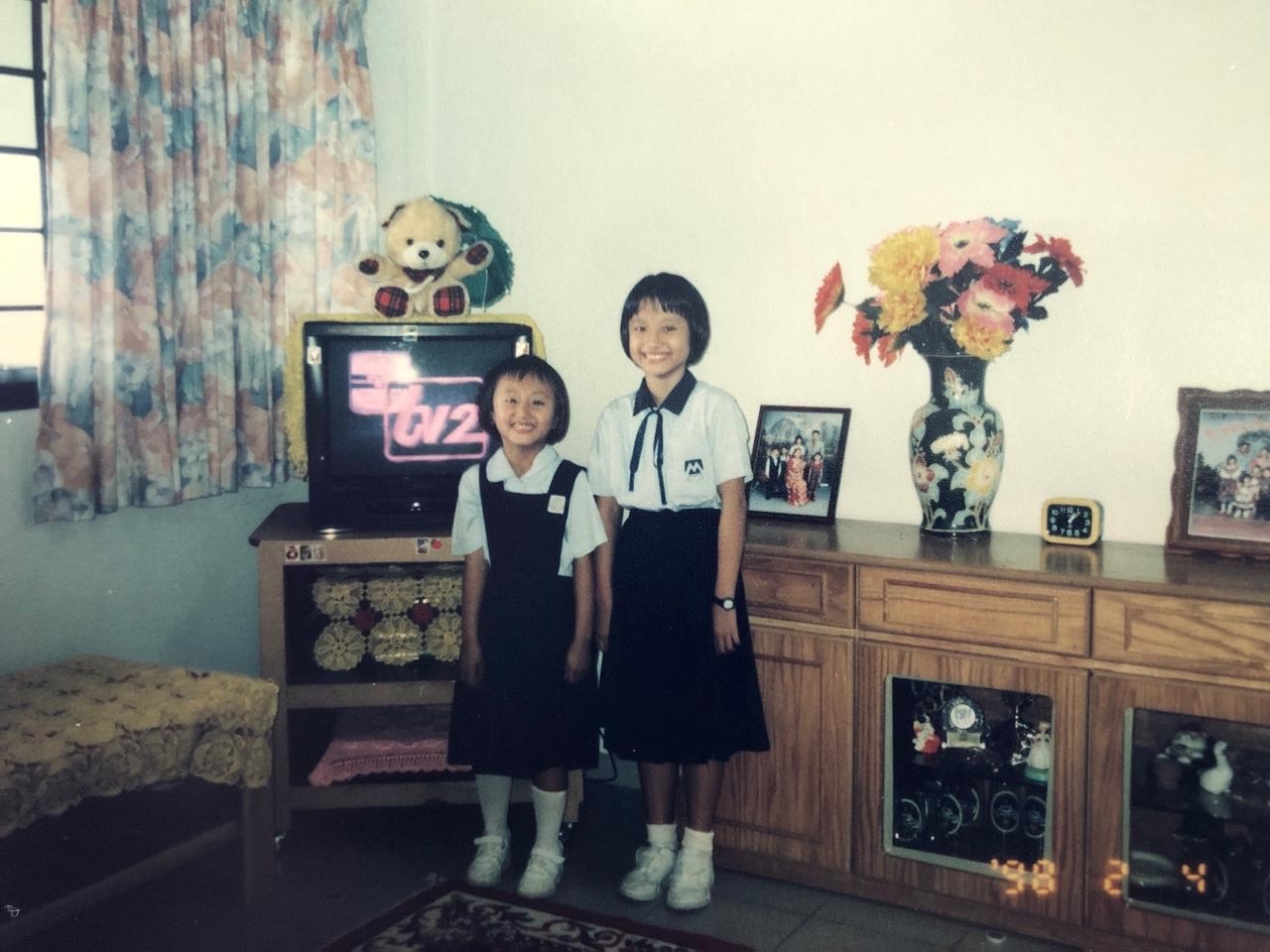 Photo courtesy of Jules Thapa.
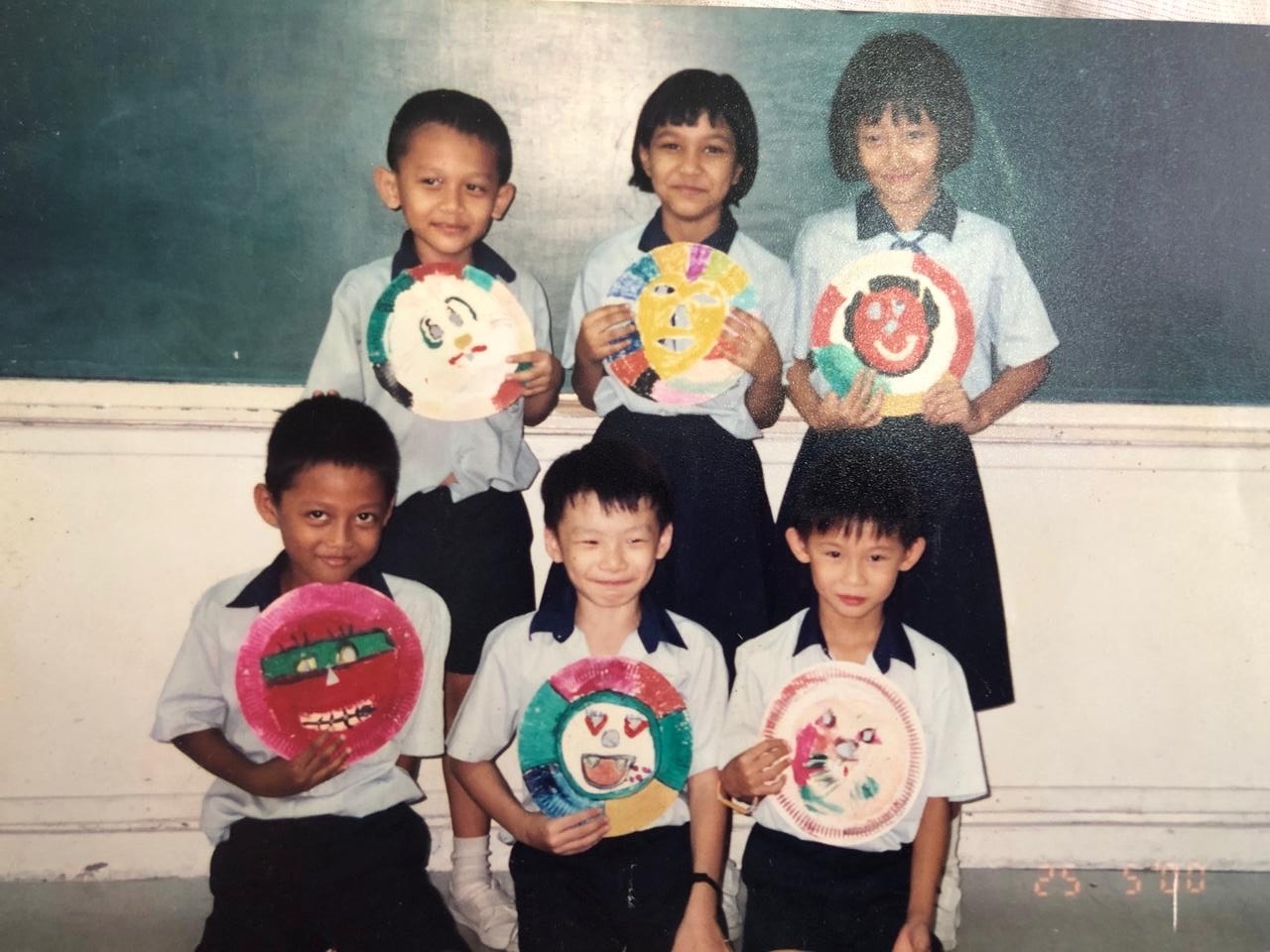 Photo courtesy of Jules Thapa.
There were, however, some differences.
Gurkha families lived in fenced housing, she explained, and that meant much of the social life was confined to within camp grounds.
But as a child growing up in Singapore, Jules and other Gurkha kids got to venture outside the fences for a little bit when they headed to school.
"My usual day would start off by getting ready for school. And after school, I would either take the bus to Toa Payoh Public Library or head over to nearby food courts like Joo Seng or Tai Seng to have cai fan or Hainanese chicken rice," Jules recounted.
This typical day in Singaporean living would be mixed with Nepali habits.
"In the evening after dinner, we would take out the trash downstairs and go for 'hawa khaney'," she added.
"Hawa Khaney", she explained, meant "taking in fresh air with a stroll around the blocks with friends".
We are Singapore
When asked what her favourite part about living in Singapore was, Jules pointed to the annual National Day Parade (NDP) and fondly recalled singing along to classic National Day songs, such as "We are Singapore".
They are still "muscle memory" to her, and shared that they still hummed along to these songs, even in Nepal.
These songs, the National Anthem, Racial Harmony Day, and the NEWater bottle all formed part of Jules's "core" memories.
They "probably played a huge role in building national identity in us", she remarked.
"I remember the NEWater bottle was introduced and distributed to us during NDP, that remains one of the core memories because I found it really fascinating that wastewater could be recycled into drinking water."
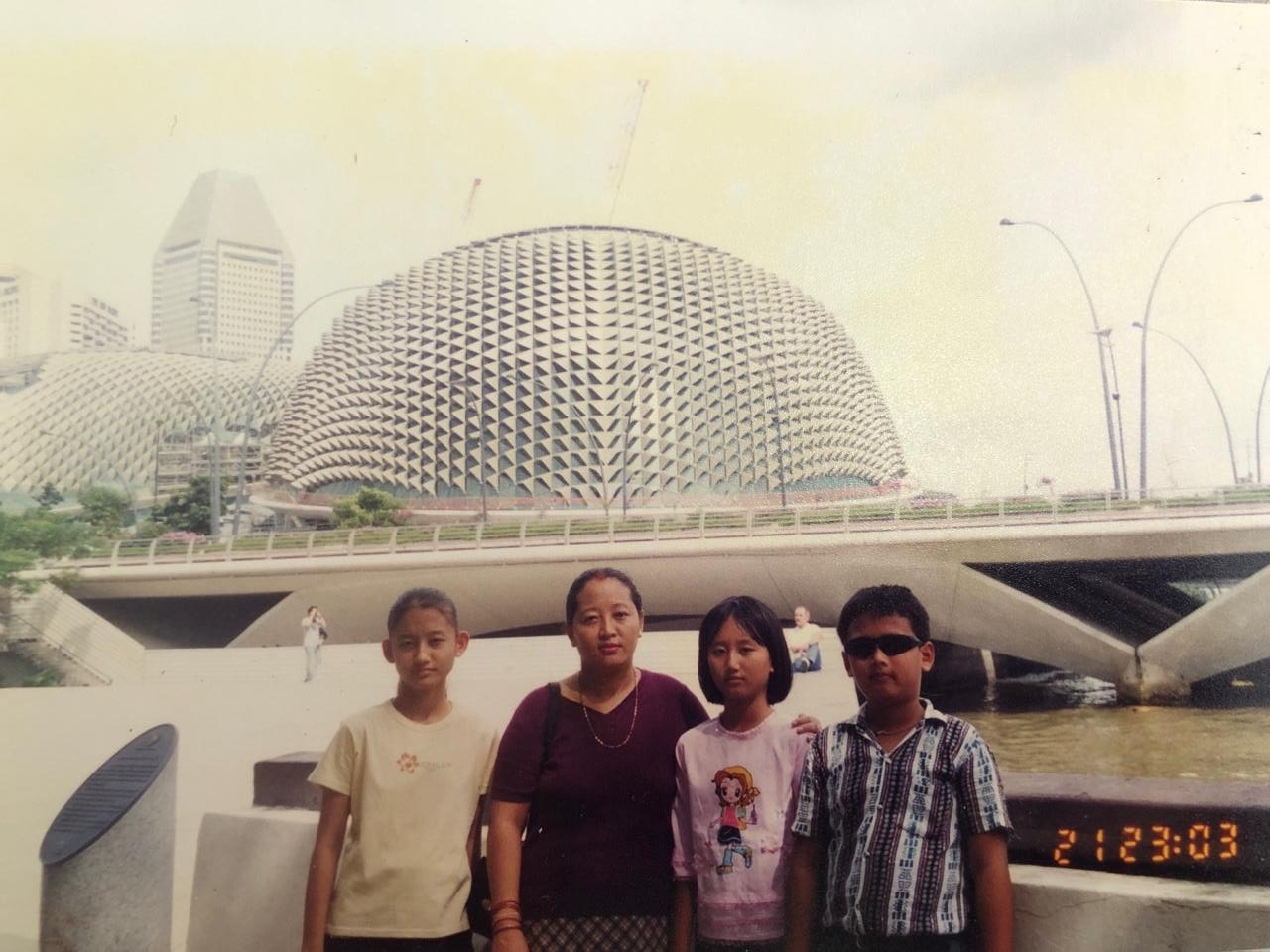 Photo courtesy of Jules Thapa.
Bhanja Bhanjis
For recreation, the Gurkha families would organise a picnic at East Coast Park, complete with barbecue, games, dancing and sunsets.
Inside the camp, everyone was family to everyone.
"There are three commonly-used Nepali words inside the camp... to address someone," she said.
"Mama" was for "uncle", "Bhanji" was for "niece" and "Bhanja” meant "nephew".
"Every Gurkha is addressed as 'Mama' by the kids because almost everyone knows one another in the camp," Jules shared.
"And the 'Mamas' called the kids 'Bhanja Bhanji' endearingly as if they are their own niece and nephew. It's basically saying 'Ah boy, ah girl'," she added.
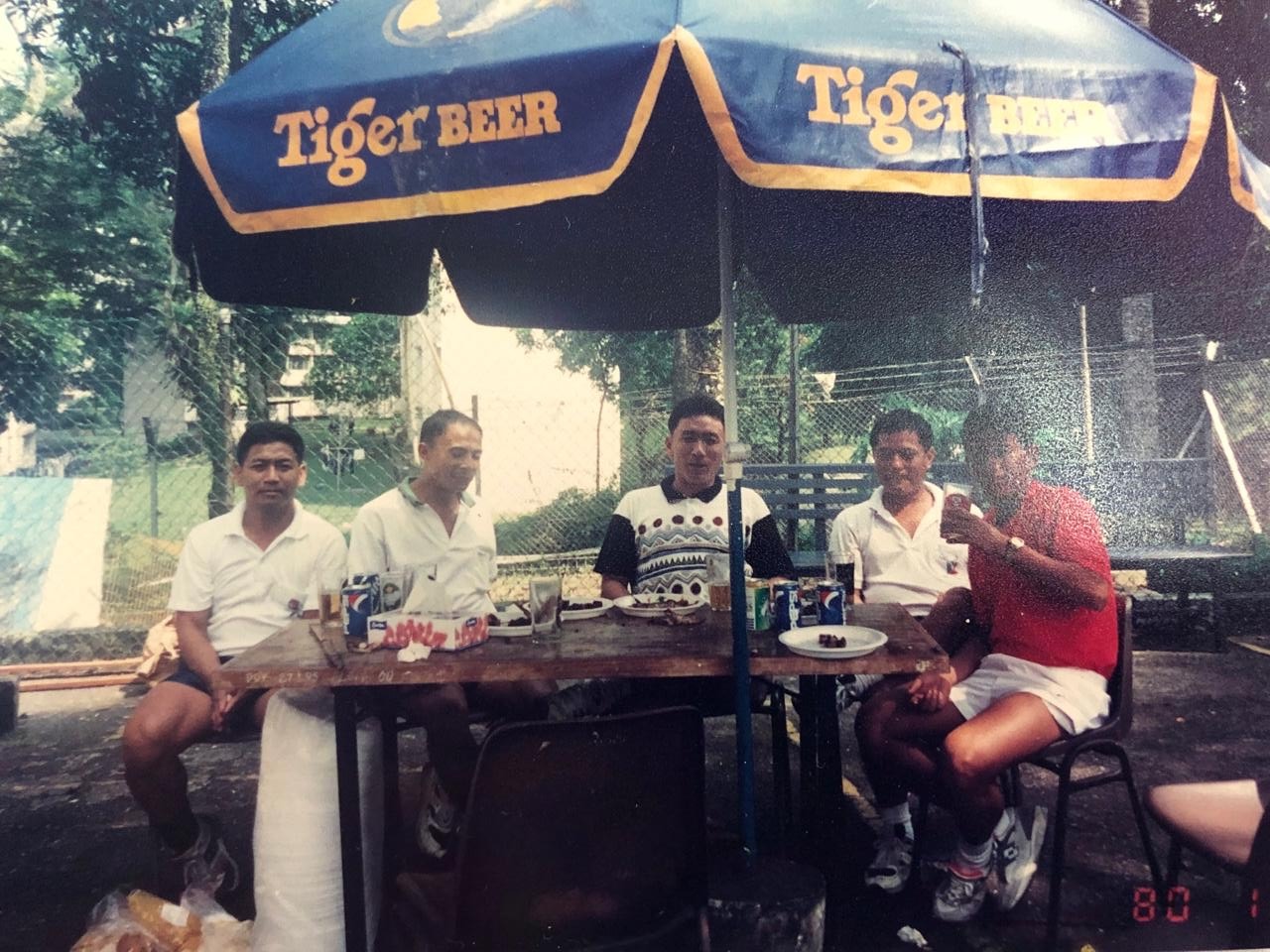 Photo courtesy of Jules Thapa.
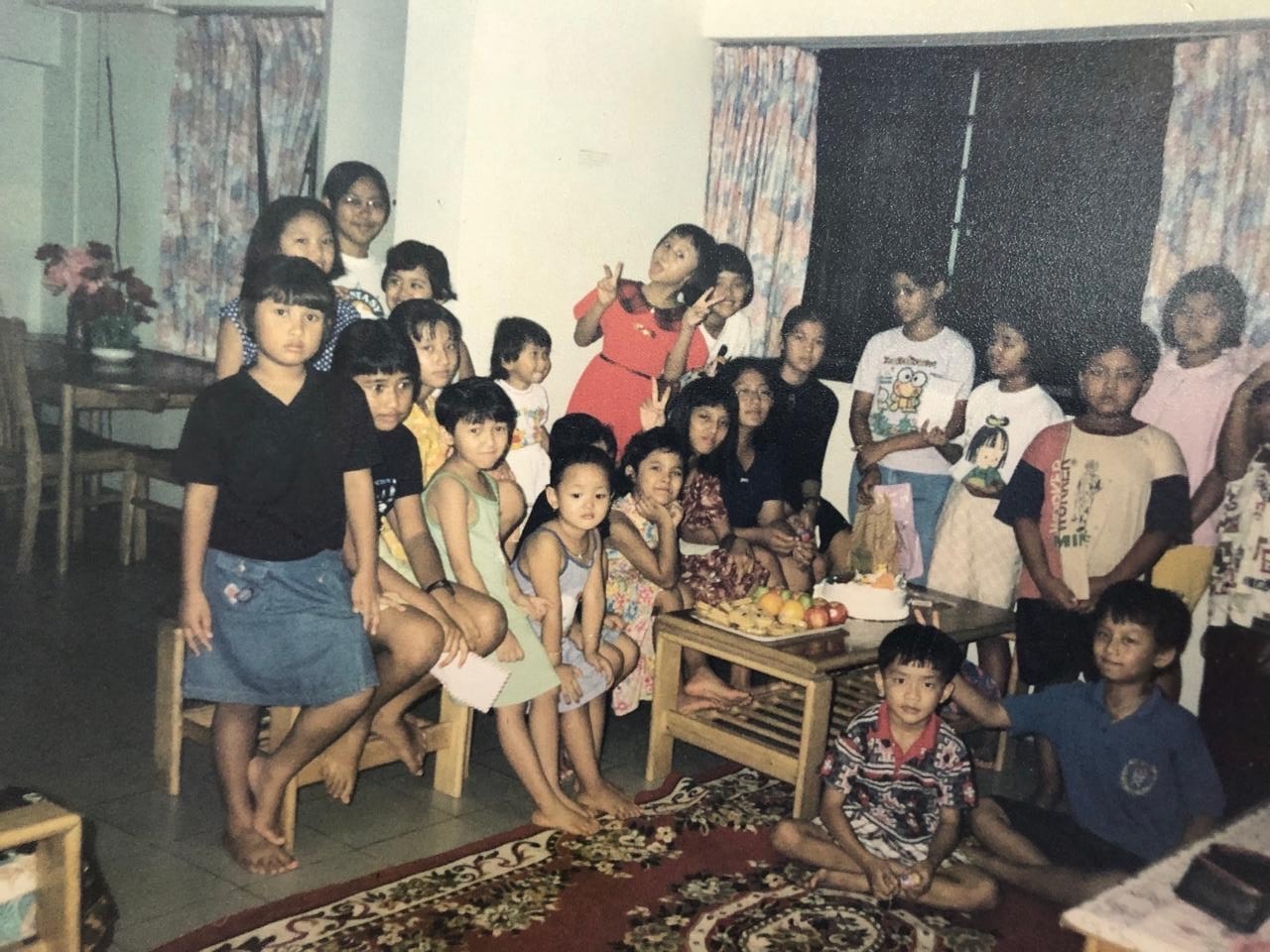 Photo courtesy of Jules Thapa.
Uprooted
At 16, a typical Singaporean student would most likely be preparing for their next phase of life in tertiary education.
For Jules, her life would take a different route, one that led her back to a home away from home.
In 2008, Jules, then 16, was uprooted from Singapore and left behind a life she "thought was forever".
Singapore's Gurkhas are obligated to pack up and head for home once their contract ended.
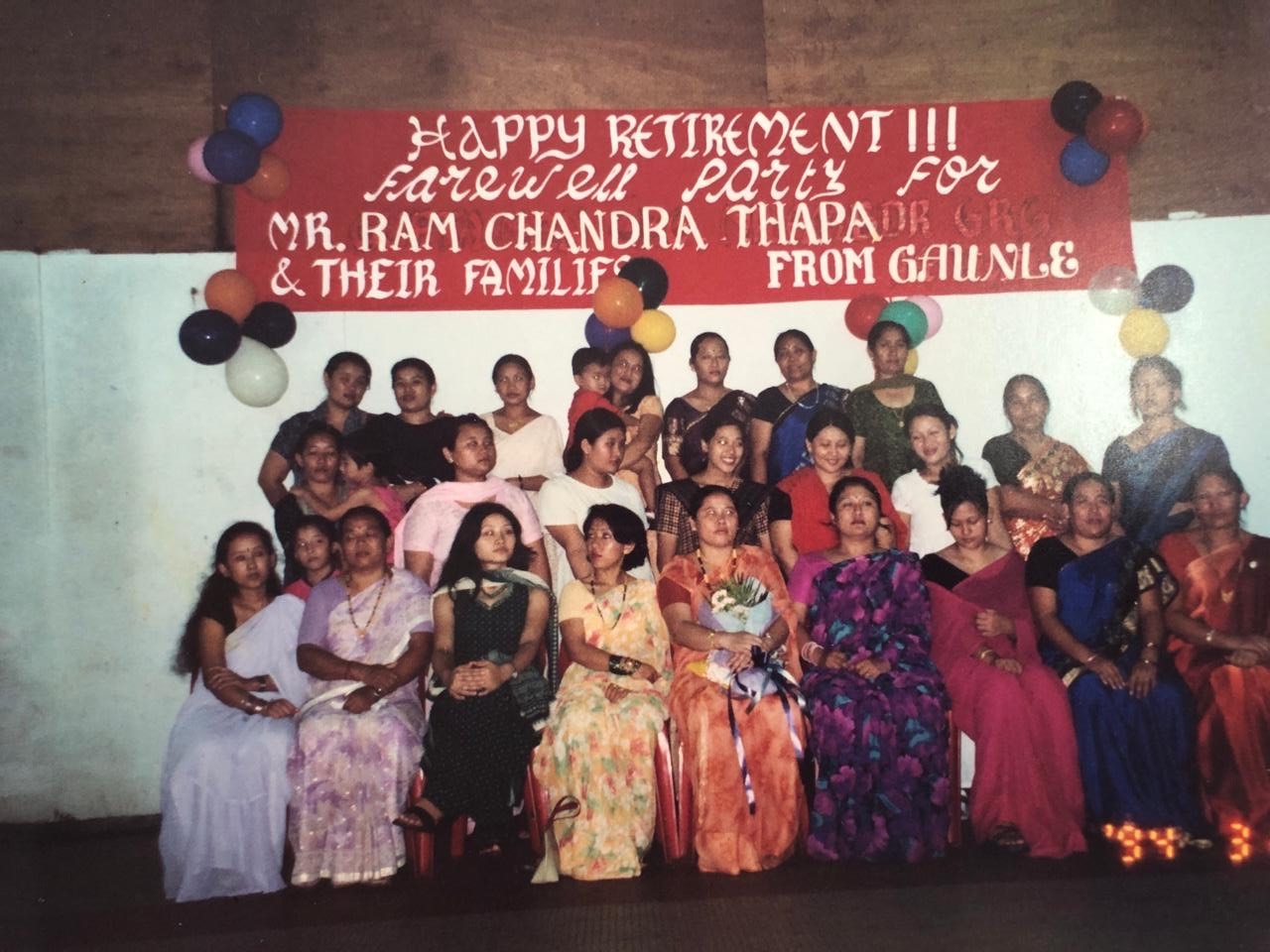 Photo courtesy of Jules Thapa.
In her Facebook post, Jules reflected on this experience.
"I'm Nepali first and I do embrace my culture as well, more now that I've adapted to life in Nepal," she clarified.
"But I’d like to speak as a 16-year-old kid, who had to return to Nepal and leave behind a life I thought was forever," she said.
After spending all their lives in Singapore, she said that heading home is a pivotal point in the Gurkha children's lives and they feel "out of place" in Nepal.
Jules shared that when she first got back, her Singaporean accent was so thick that the local Nepalis could hardly understand her.
The initial years were "hard and confusing", and she was left pondering the "what ifs" of becoming an adult in Singapore.
Although this was something she still thinks about once in a while, she shared that she's grateful that her foundation was set in Singapore, owing to its "top notch education and safety".
Beyond missing the usual foods like chicken rice, char kway teow and pandan waffles, Jules fondly reminisces "PM building's prawn mee", which she called "legendary".
An appeal to stay
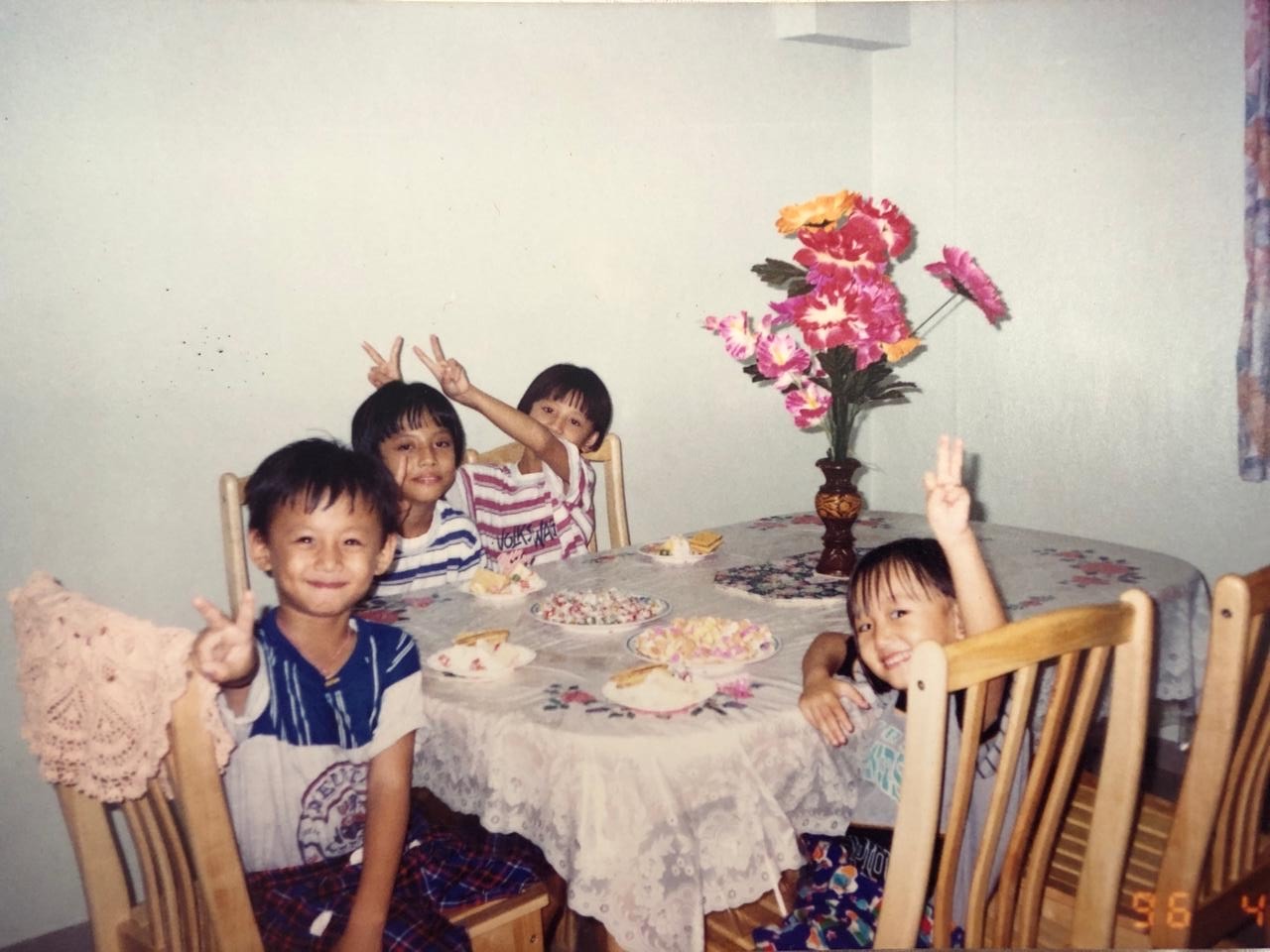 Photo courtesy of Jules Thapa.
Today, she identifies herself as a "Singapore Bhanji", which she describes as a mixture of both Singaporean and Nepali and "better represents [her] stance on this".
Trying to decide whether Singapore or Nepal is home is like deciding whether you loved mum or dad more, she said.
She added:
"I think the song ‘Home’ by Kit Chan perfectly describes how I feel about my situation.
‘There's a place that will stay within me, wherever I may choose to go. I will always recall the city, know every street and shore. Sail down the river which brings us life, winding through my Singapore.’
So, I guess I’m a mixture of both my "parents", Singapore and Nepal, and I can’t choose between the two because both are what has shaped me into the person I am today."
Concluding her reflection, Jules hoped her Facebook post would reach those who could "change the lives" of the Gurkha children, who are still growing up in Singapore.
She also hoped that the Singapore government would acknowledge their presence and "importance" in the country, and provide the families with citizenship, especially the kids born here.
"There’s so much I want to say but no words would describe how Singaporean I’ve felt growing up in Singapore and that’s one thing I’ll never take for granted," Jules wrote.
The children of Gurkhas having to leave Singapore behind after having grown up here was a "by-product" of an agreement between the adults, she opined.
Nepali children are "just as capable and talented" and can contribute to Singapore.
"So it's a win-win for everyone," she continued.
She reiterated that they don't feel entitled to citizenship just because their dads served here.
"That’s their contribution, but because we know Singapore by heart, just like any other Singaporeans, and we love and uphold the same sentiments as the locals," she remarked.
Top image via Jules Thapa