





Branded
How did I get eczema in my 20s? S’pore dermatologist answers burning questions about eczema.
We’ve been itching to know too.
Eczema is one of those conditions that a lot of people have heard of, but not everyone fully understands.
How do we reduce these flare-ups that had to happen right before an important event? Why is it taking so long for these rashes to heal?
More often than not, unfortunately, Googling for answers to such questions yields unsatisfactory answers.
We asked our Instagram followers to share with us what they’ve been itching to know about eczema and we got Mok Zhun Rui, a dermatologist who has been in practice since 2015, to answer these burning questions.
Mok, a consultant dermatologist with The Dermatology Practice, has an interest in chronic inflammatory skin conditions and was the co-investigator on multiple trials studying the efficacy of systemic medications for eczema.
How do I know what triggers my eczema?
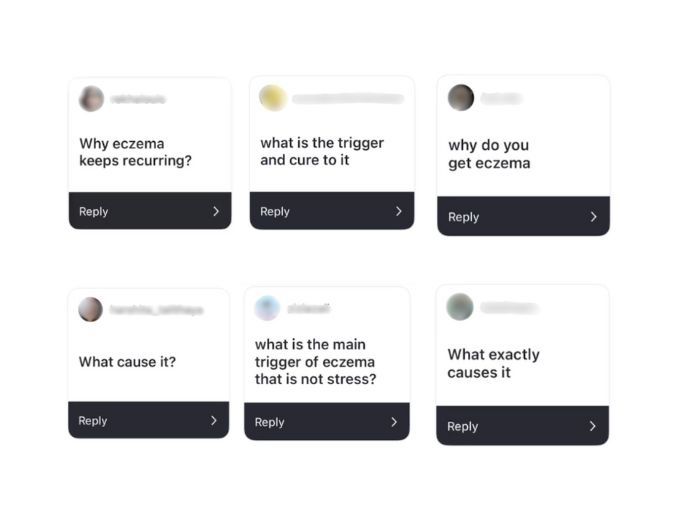
According to Mok, triggers can be both modifiable and non-modifiable.
Modifiable triggers refer to environmental factors, such as stress or exposure to irritants. On the other hand, non-modifiable triggers are factors that you cannot change like genetics or age.
One way to find out is to keep a symptom journal to track one’s symptoms and potential triggers to help identify patterns and potential causes.
Mok also advised: “Do consult a healthcare professional to develop a management plan and to find out about the different types of allergy testing and if you are a suitable candidate.”
Why did I suddenly develop eczema later in adulthood?

There are several factors that could cause this, said Mok.
This includes environmental factors, such as the school or work environment, exposure to allergens or irritants, and weather fluctuations.
Hormonal fluctuations during adulthood, like pregnancy and stress, can also trigger eczema.
Can eczema go away in later years?
Unfortunately, eczema is a variable condition, and the likelihood of eczema going away varies from person to person.
“For some people, eczema can persist into adulthood, while others may experience improvement or complete resolution. That said the onset of eczema can also happen in all age groups due to various factors,” said Mok.
The good news: effective management strategies can help control symptoms and improve the quality of life.
What can I do as a caregiver for someone with eczema?
Apart from assisting with skincare routine, he also encouraged caregivers to give direct and supportive measures.
This includes encouraging healthy habits such as regular exercise and a balanced diet.
“Living with eczema can be challenging, so providing emotional support and understanding is essential.
Eczema is a chronic condition and requires consistent management. I view it more as a partnership, where we journey together to improve their skin health and quality. It requires a comprehensive approach that involves understanding the condition and treatment options available.
Beyond the skin, having rapport with the patients and refining a treatment strategy that is conducive to their lifestyle is important.”
Are topical steroid creams harmful in the long run?
Topical steroid creams are generally safe and effective for short-term treatment of eczema.
However, Mok did stress that prolonged use can lead to skin reactions, such as skin thinning, discolouration, and a risk of local infections.
So what can I do to combat the itch?
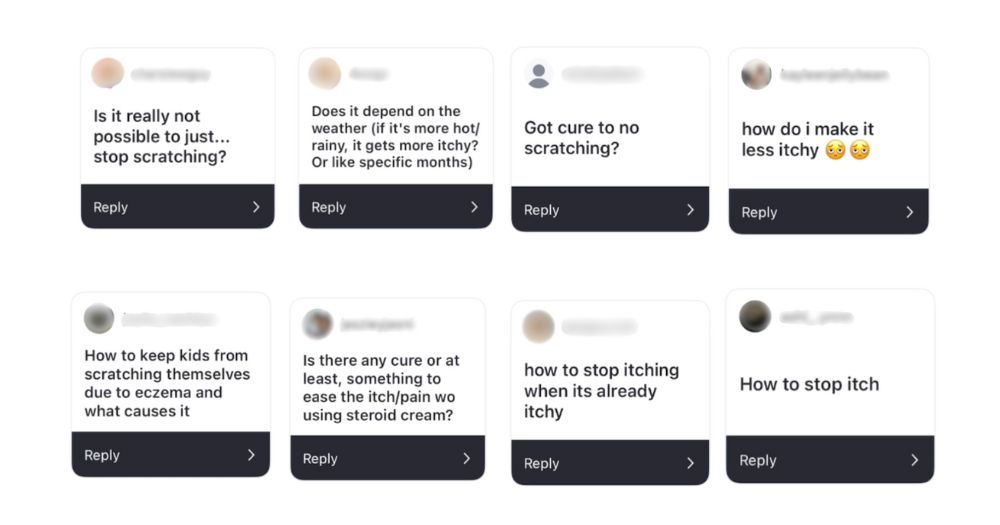
By moisturising regularly, he said.
Using a moisturiser not only hydrates your skin, but it also contains active ingredients that help to reduce the itching sensation.
Not only that, but moisturising regularly can also help to reduce the need for topical creams.
He said: “Moisturisers form the backbone of skin barrier repair and help manage eczema symptoms and reduce the need for topical corticosteroids.”
It also helps to look out for moisturisers that contain active ingredients which help with eczema-prone skin.
According to Mayo Clinic, people with eczema tend not to have enough filaggrin in their skin.
Filaggrin is a structural protein that helps the skin retain moisture and prevent irritants from entering.
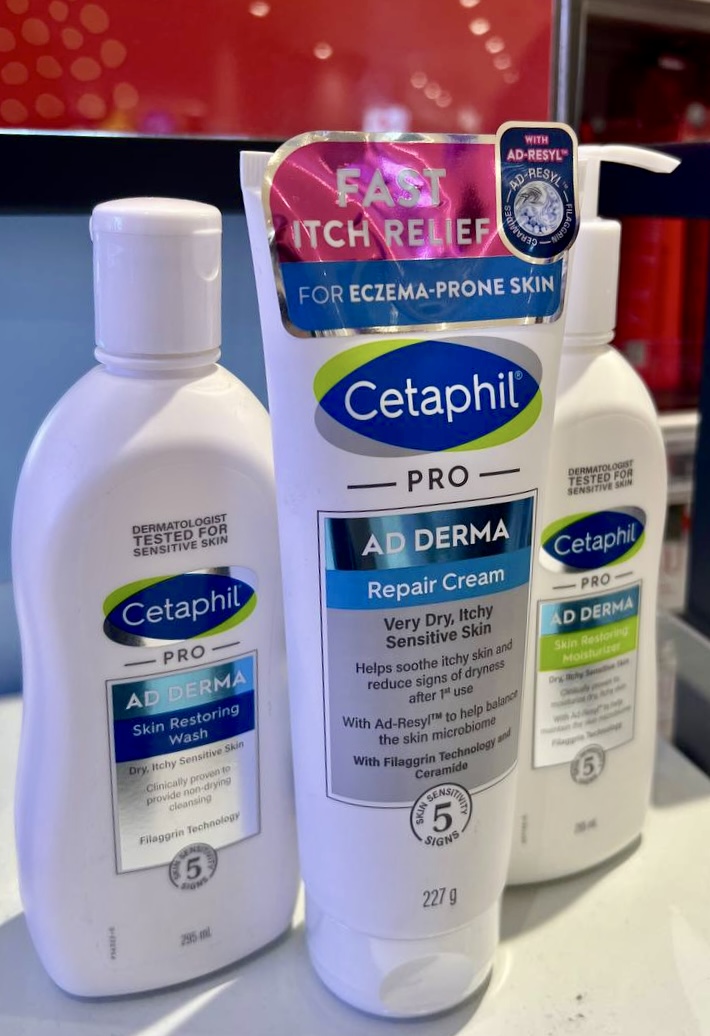
Cetaphil’s Pro AD Derma Repair Cream is formulated with Filaggrin Technology, which is designed to repair the skin’s natural barrier.
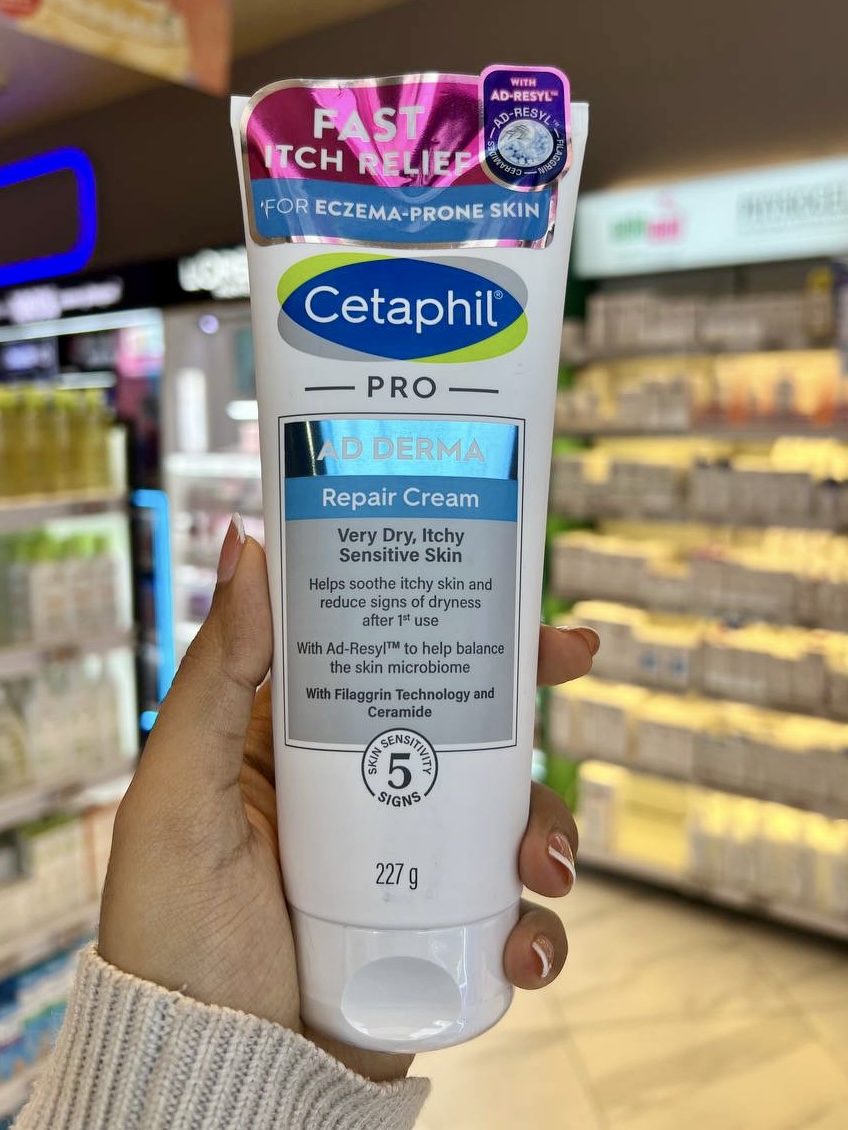
The Repair Cream comes in useful whenever you need a quick itch relief, especially when you get sudden eczema flare-ups.
Those looking for a moisturiser can consider the Pro AD Derma Skin Restoring Moisturiser, which also helps lock in hydration and is suitable for daily maintenance or during eczema remission periods.
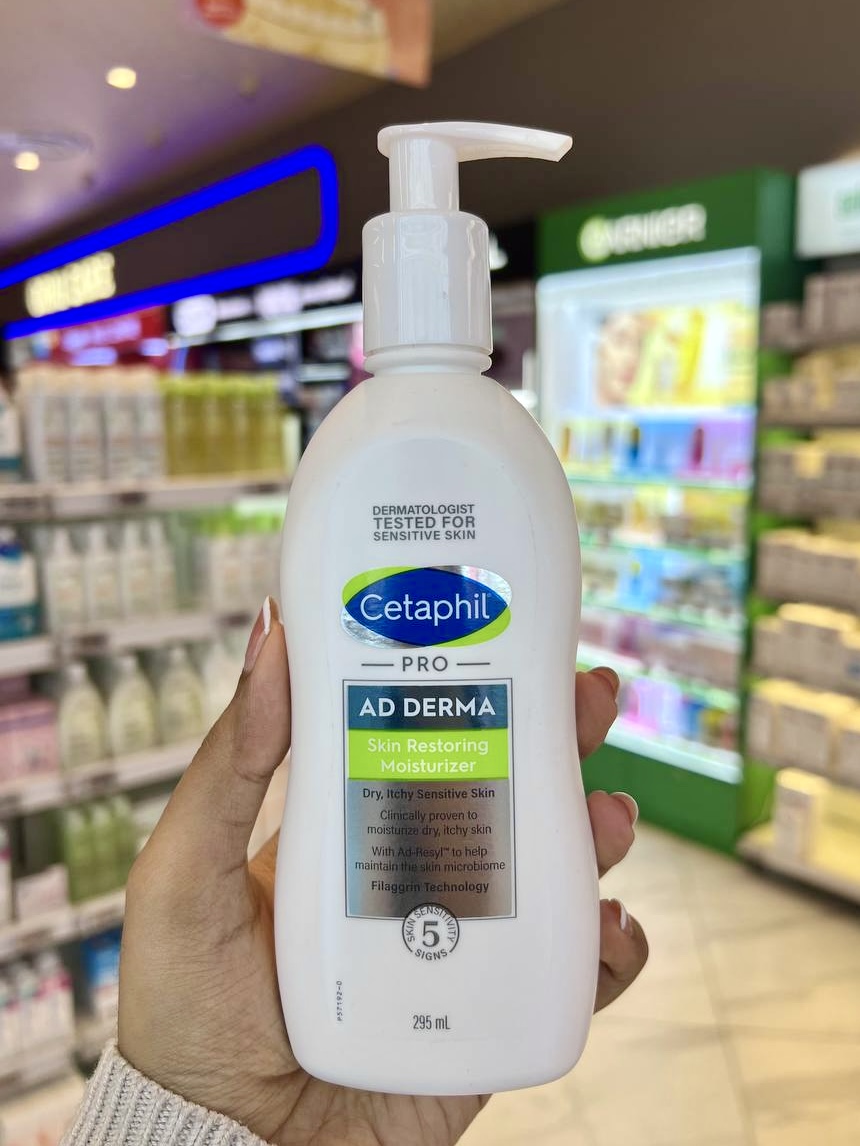
Additionally, both moisturisers contain Ad-Resyl, an active ingredient that helps to manage clinical symptoms of eczema.
Before moisturising, one can use the Skin Restoring Wash to cleanse and soothe their skin simultaneously.
It is recommended to incorporate the full range of Cetaphil’s Pro AD Derma products for best results and the products are suitable for both children (even infants) and adults.
You can find out more about the Pro AD Derma range here.
This article, brought to you by Cetaphil Singapore, has taught the writer the importance of moisturising regularly.
Top image from Canva.