



News

Commentary: NS isn't just a defence policy, it transforms schoolboys into S'porean leaders
Training to be soldiers, fight for our land.
August 17, 2025, 10:57 AM
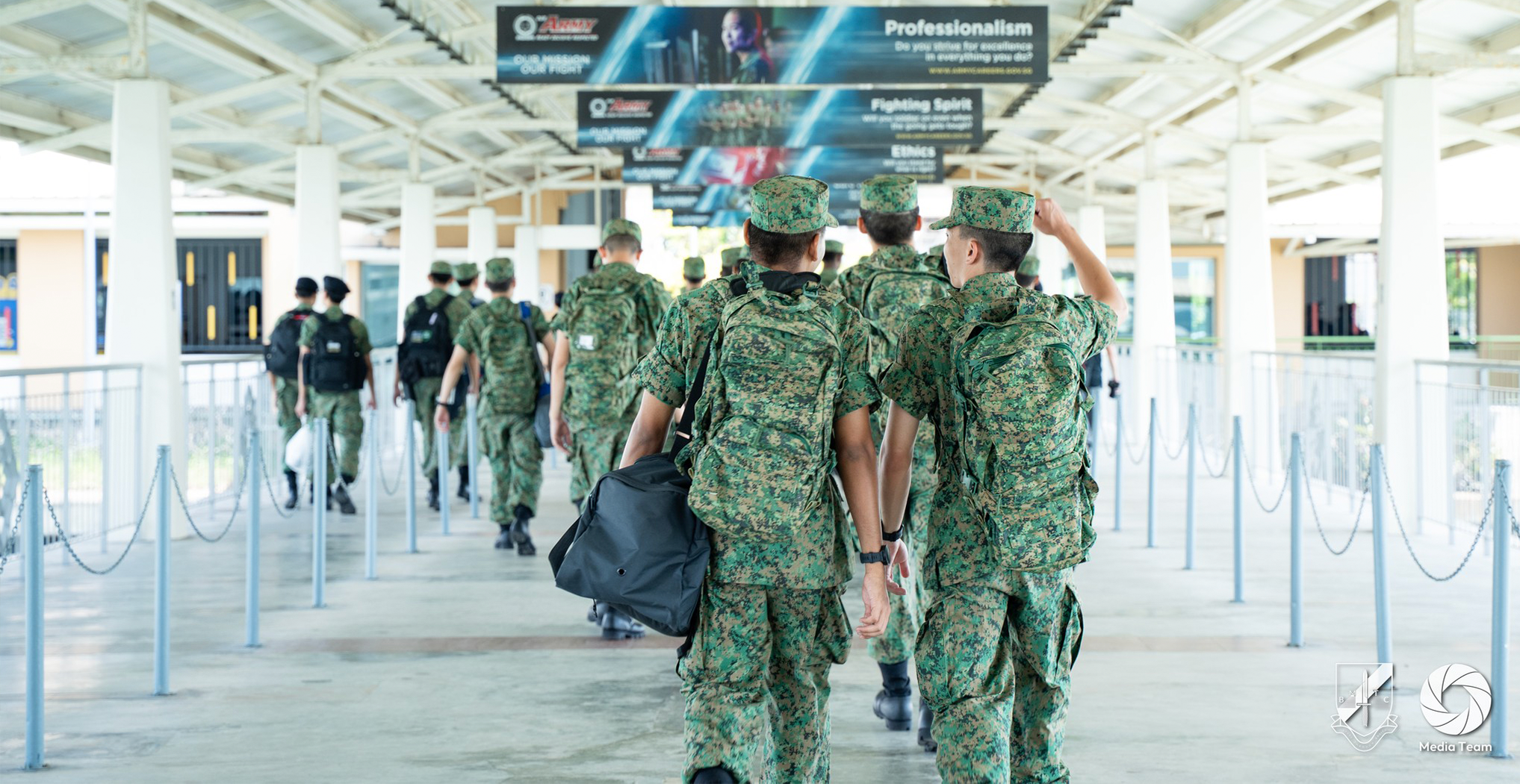


On Aug. 17, 1967, Singapore's first full-time batch of National Servicemen (NSFs) enlisted for duty.
Almost sixty years on, does NS still hold the same value? Educator Nicholas Alchin argues that it does — and not just as a defence policy either.
Alchin is the head of college at United World College of South East Asia (UWCSEA). He is also a member of the Advisory Council on Community Relations in Defence at the Ministry of Defence (Mindef).
By Nicholas Alchin
As an educator with more than three decades of experience in classrooms across continents, I’ve always been struck by how different societies shape their young people.
In some countries, the classroom is where learning ends. In others, it carries on through national narratives, rites of passage, and shared experiences that transcend books.
Here in Singapore, one of the most unique and potent of these rites of passage is NS: a system of mandatory conscription where male citizens and permanent residents enlist upon turning 18.
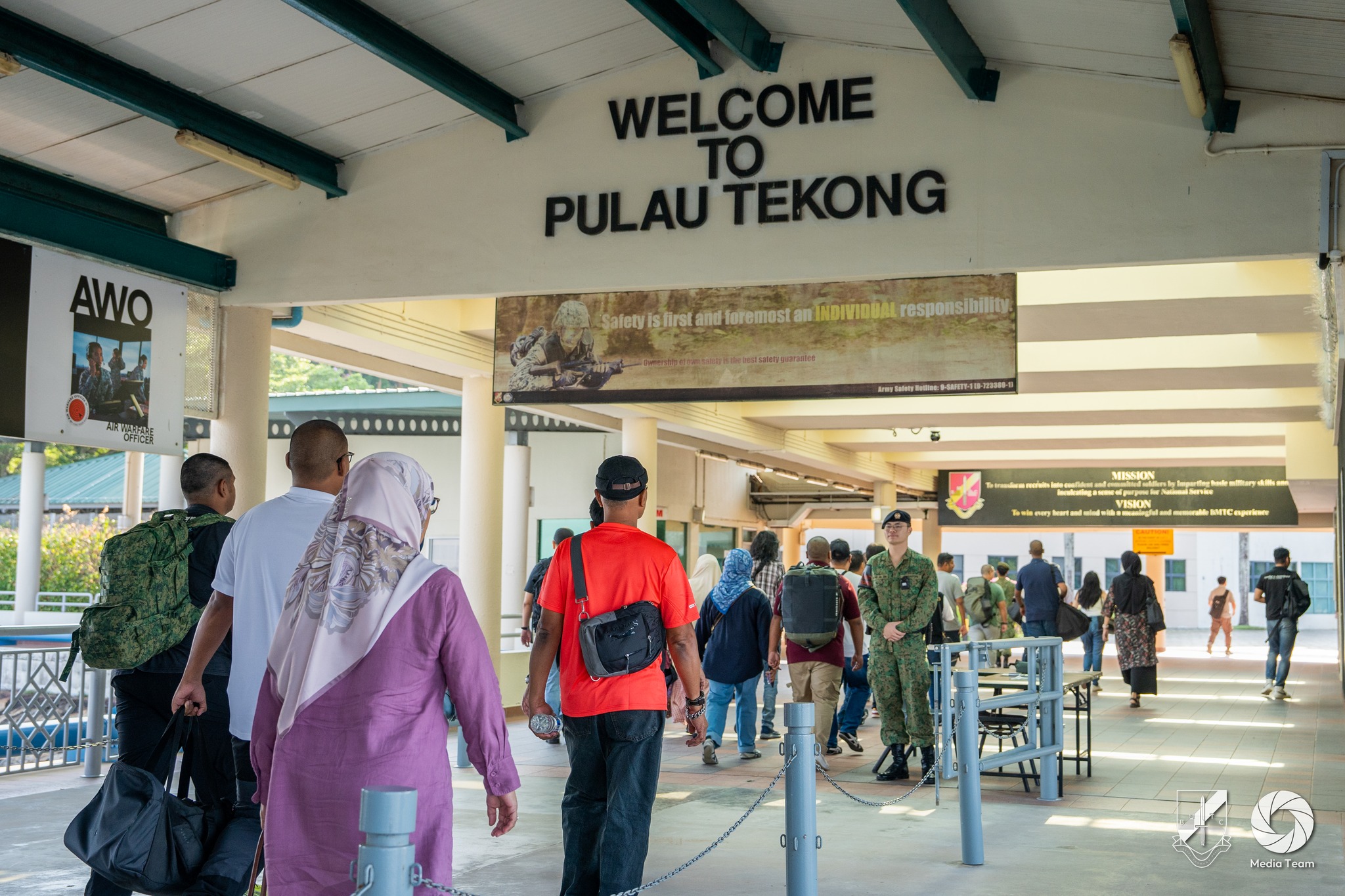 Enlistment at Pulau Tekong. Photo from BMTC/Facebook
The NS effect
Whenever I speak with my students who have completed NS in Singapore after graduation, they tell me how much they learnt, the additional responsibilities they took on.
I can see in them the difference it makes. They emerge fitter and more confident. They carry themselves differently and are even better able to hold their own under pressure.
In some cases, the change is little short of transformational, and I’m reminded that NS is more than just a rite of passage — it is a crucible for lifelong values and traits.
One of my students confided in me, before he enlisted, that he wasn't looking forward to NS.
For him, it felt like a delay — something to "get over with" before he could move on to university and the life he envisioned.
But a year later, he returned to UWCSEA to take part in our annual National Service Orientation Workshop. Among the twelve young men who sat on the panel that day, his voice stood out.
He spoke with conviction, energy, and an enthusiasm that surprised even me. Gone was the student who had wanted to “just get it done.”
In his place was a leader who had discovered, through experience, the profound value of National Service.
Born of necessity
In the years following independence, Singapore needed a credible defence force — urgently.
Within two years, NS was made compulsory and on Aug. 17, 1967, the pioneer batch of full-time national servicemen was enlisted.
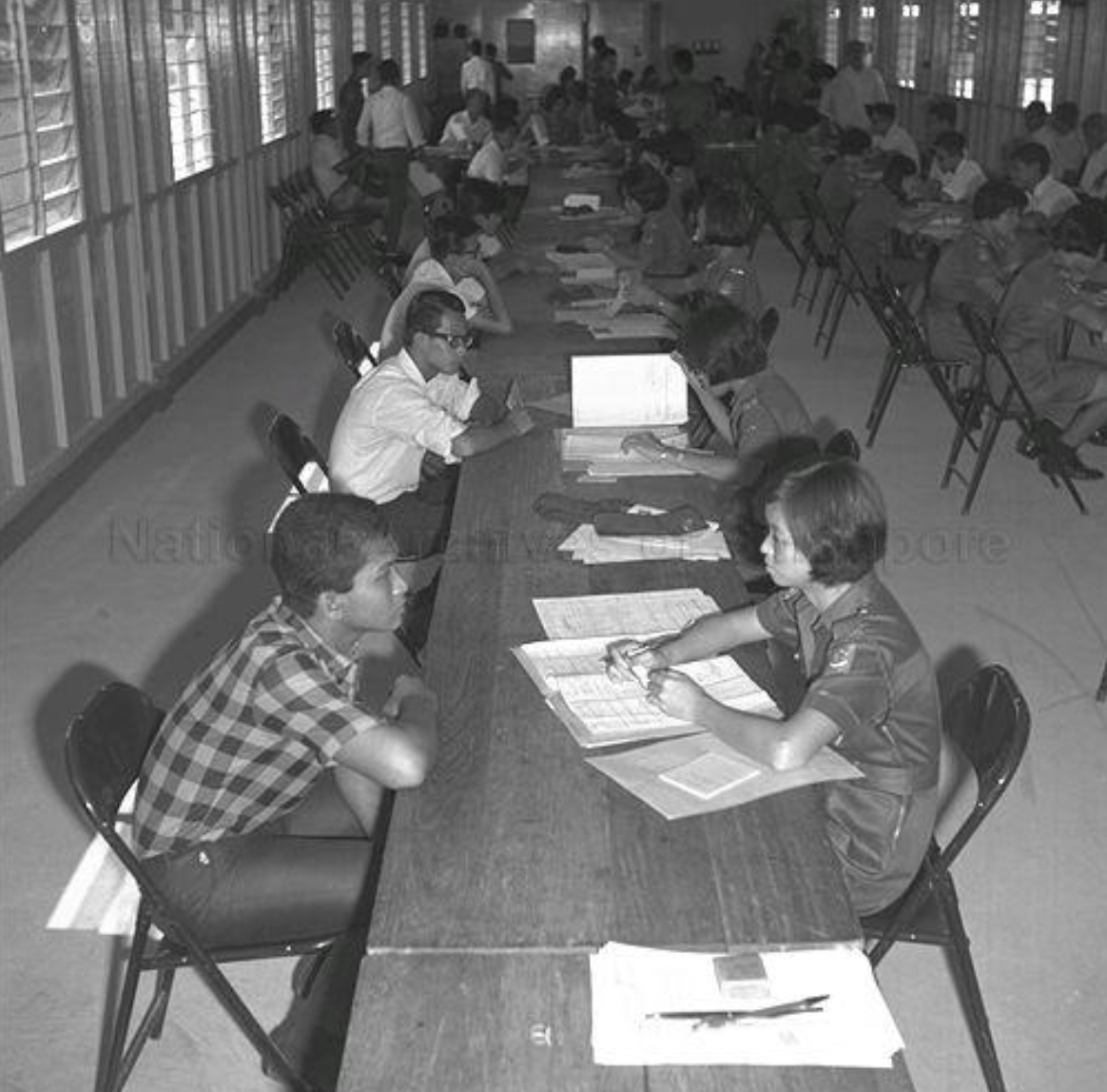 Singapore youths reporting for the NS call-up on Aug. 17, 1967.
Over time, what began as a policy imperative has evolved into a cornerstone of national identity.
Nearly every male citizen passes through it. It is the shared campfire around which stories are told, friendships forged, and lessons learnt.
For many of my students educated partly outside the Singapore system, NS offers an opportunity to connect more deeply with their national identity and build shared experiences with their fellow countrymen.
What may be less appreciated, however, is NS’s deeper impact: fostering leadership, resilience, and unity.
These qualities complement the values taught in school and help shape an individual’s professional and personal development for the future.
Living in a changing world
From an educator’s perspective, thriving in the current world demands qualities beyond academic excellence, such as grit, discipline, and adaptability.
NS develops these attributes along with crucial skills in teamwork and leadership. These are competencies which serve servicemen well in the working society.
NS is one of the few institutions left where young Singaporeans and permanent residents are taken out of their comfort zones and placed into a melting pot of languages, backgrounds, and aspirations.
In a world that is increasingly driven by individualism, NS cultivates a vital sense of service, shared responsibility, and interdependence.
These are not abstract ideals. I have personally seen individuals who, after completing NS, take charge in crises, rise up in community initiatives, or lead teams in the corporate world — not because they were told to, but because they had the capacity and dispositions to do so.
They take on leadership not as authority, but as stewardship. That understanding was forged through experiences like route marches, mission exercises, and yes, even bunk cleaning.
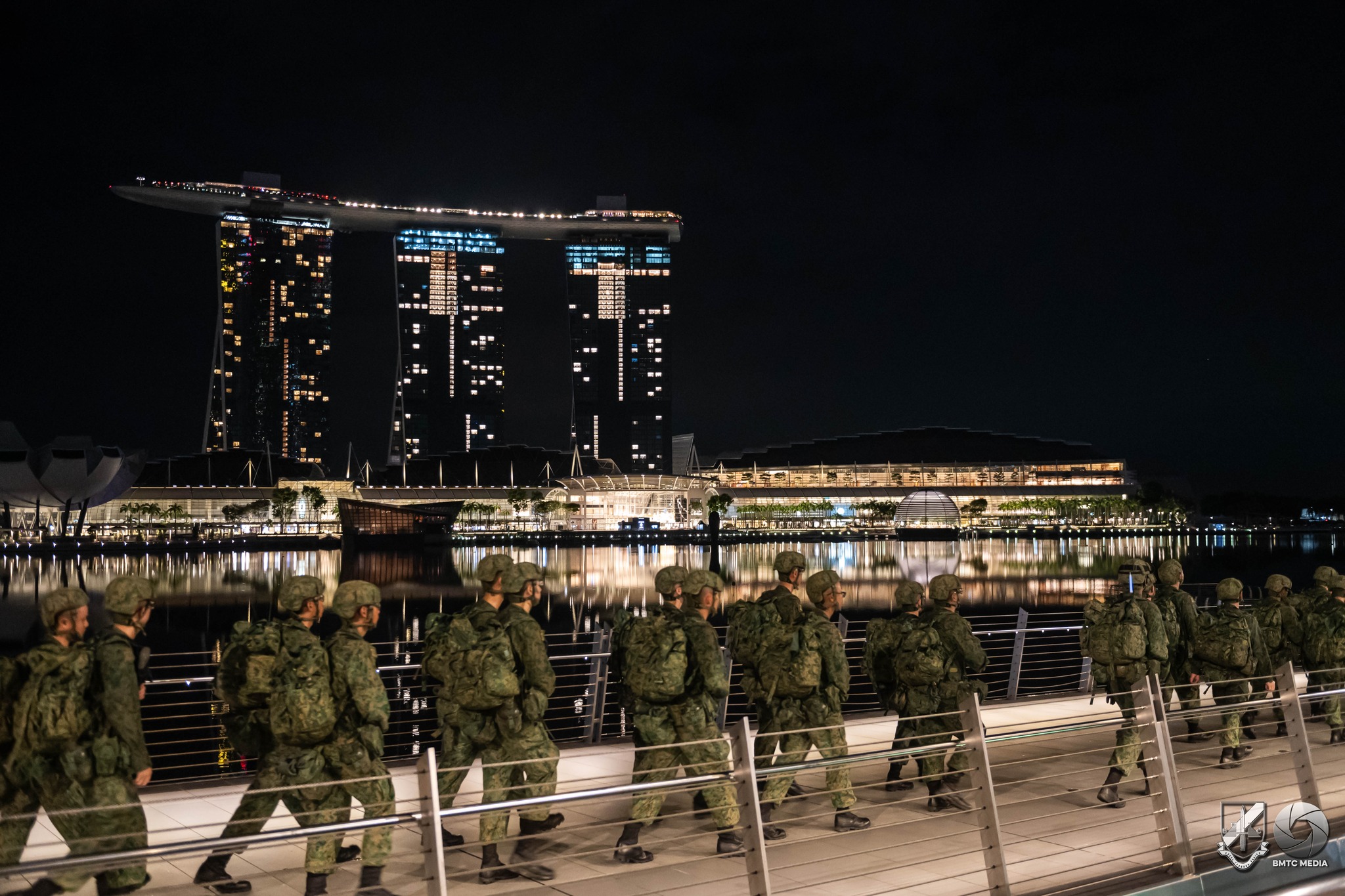 Route march. Photo from BMTC/Facebook
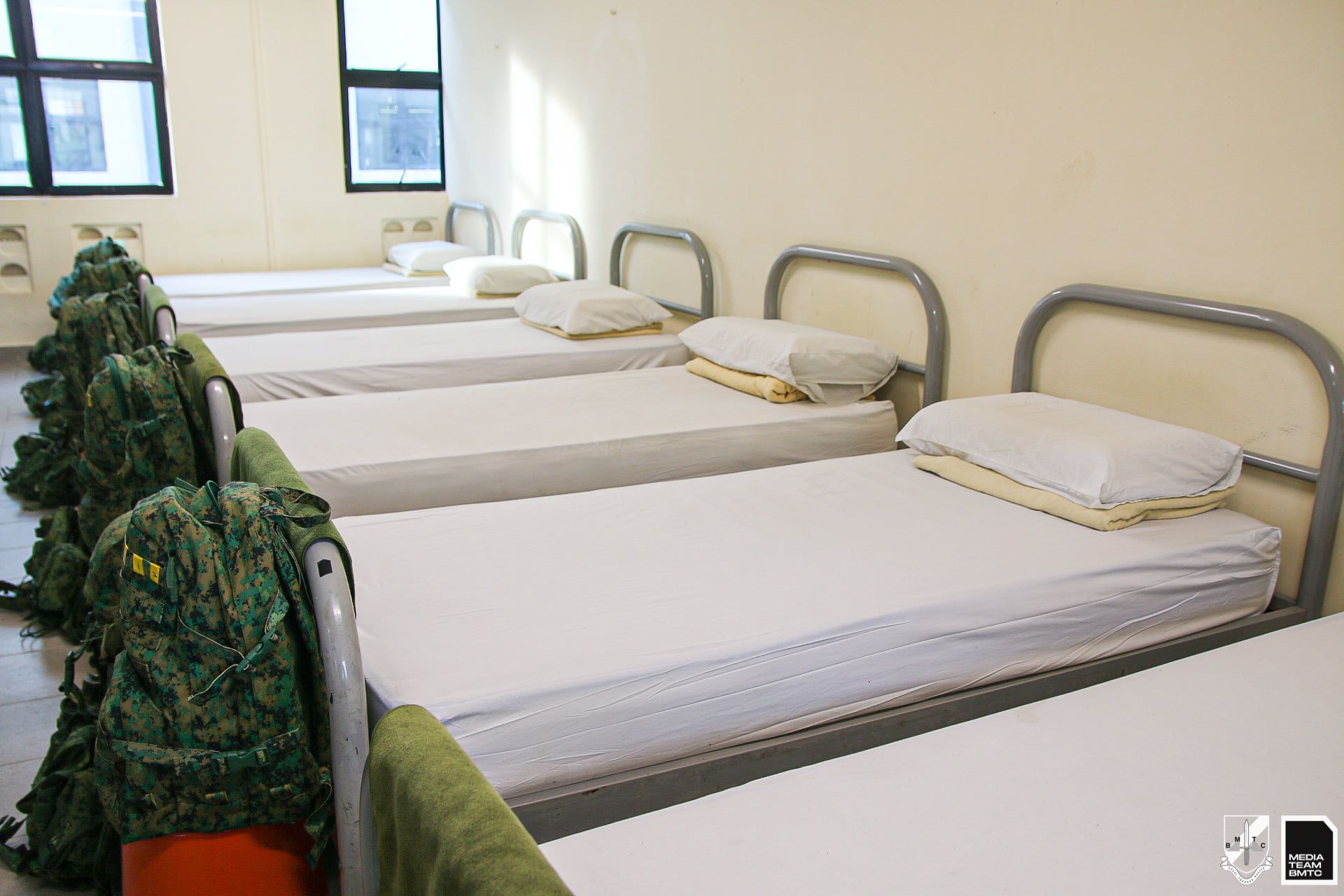 Clean bunks. Photo from BMTC/Facebook
NS in total defence
In his SAF Day interview, Minister for Defence Chan Chun Sing said that in today’s complex geopolitical landscape, Singapore is "not at war, but neither are we at peace".
As Singapore navigates an increasingly fragmented world, the unifying power of NS becomes more — not less — critical.
The many bonds forged throughout the two years in NS may very well be the social glue that holds us together in times of crisis.
So what if we saw NS not merely as a military institution — but as an integral part of the wider national learning institution?
Singapore’s education system, including foreign system schools where I am teaching, rightly emphasises values like resilience, integrity, and responsibility.
But the transition from classroom to adulthood is not instantaneous. Character and values are not developed overnight.
NS offers a natural extension of the school environment — a place where values are tested, re-anchored, and made real in daily decisions.
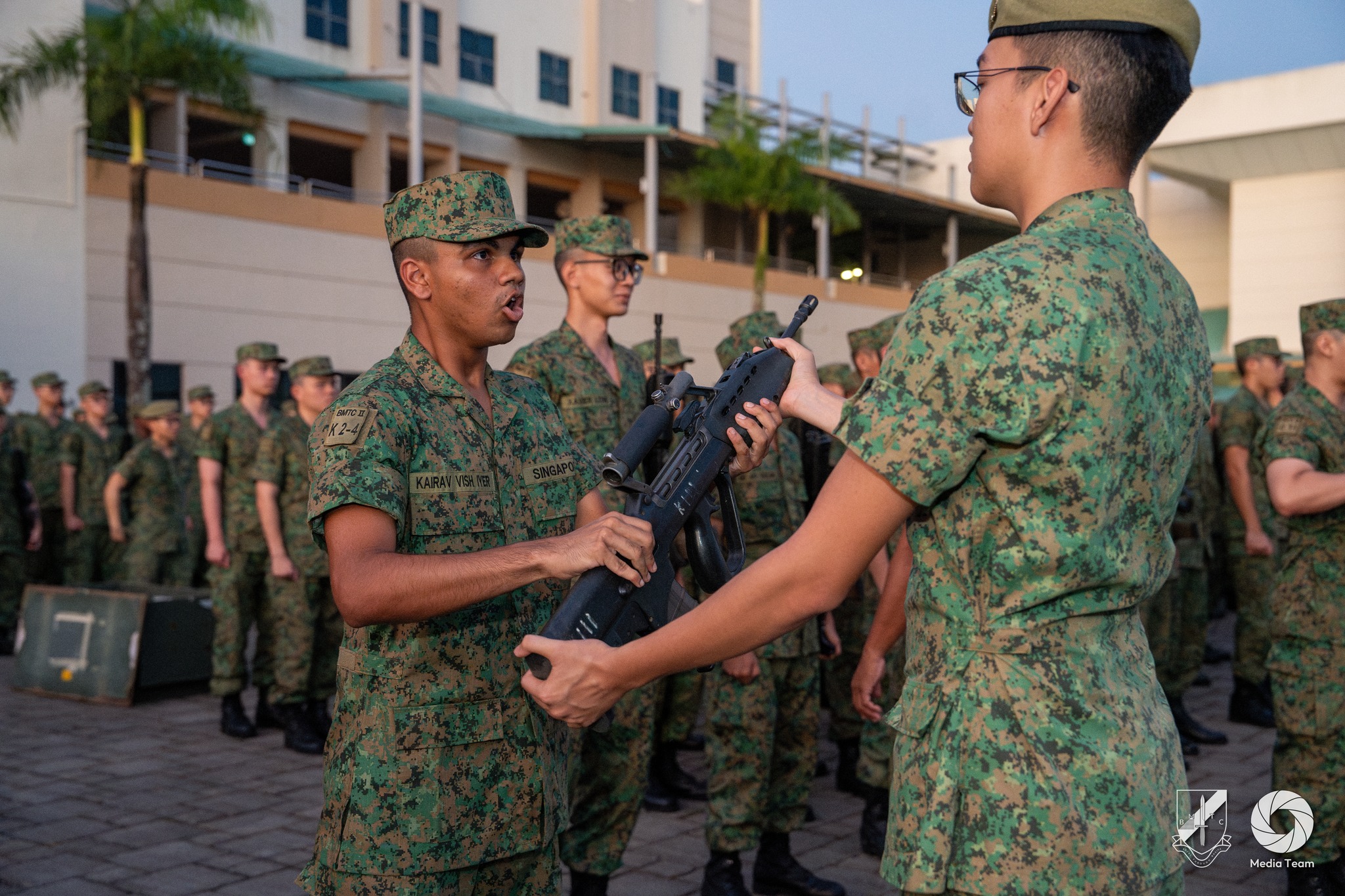 Recruits at the Weapon Presentation Ceremony. Photo from BMTC/Facebook
To that end, we can nurture greater synergy between schools and NS.
Schools can foster a deeper understanding and connection by inviting NSmen and their commanders to speak directly to incoming recruits, thereby making the service's purpose and experience clear and compelling.
Whereas NS can more intentionally connect the discipline it instils with the adaptability required in the future economy, highlighting the skills that serve servicemen well in our working society.
The ultimate aim should be to ensure that every NSman emerges with a profoundly deepened sense of national identity, viewing NS as far more than a defence policy.
It is not just about preparing young men for physical combat.
It is about protecting our values, institutions, way of life. It is about embedding resilience not just in soldiers, but in students, neighbours, and families.
The core goal: A deepened identity
To be clear, strengthening support for NS does not mean romanticising it.
We must engage the wider community in conversations about its necessity: Why NS and why two years? What are the trade-offs, and why are they accepted? Are there more efficient ways to serve?
But it also means recognising its enduring value. It means ensuring that every NSman leaves not just with technical proficiency, but a deepened sense of identity.
NS is not perfect — few systems that rely on human effort and institutional complexity are. What it is, however, is one of the most powerful engines of national cohesion that Singapore has.
If we want a generation that leads with heart, that knows what it means to serve, and that sees diversity as strength — then we must invest in NS not just as a defence policy, but as a national learning platform.
It must be an experience every young Singaporean who served can look back on and say: I grew from that. I became more of who I was meant to be.
This pivotal conversation about shaping our young people can benefit all of us.
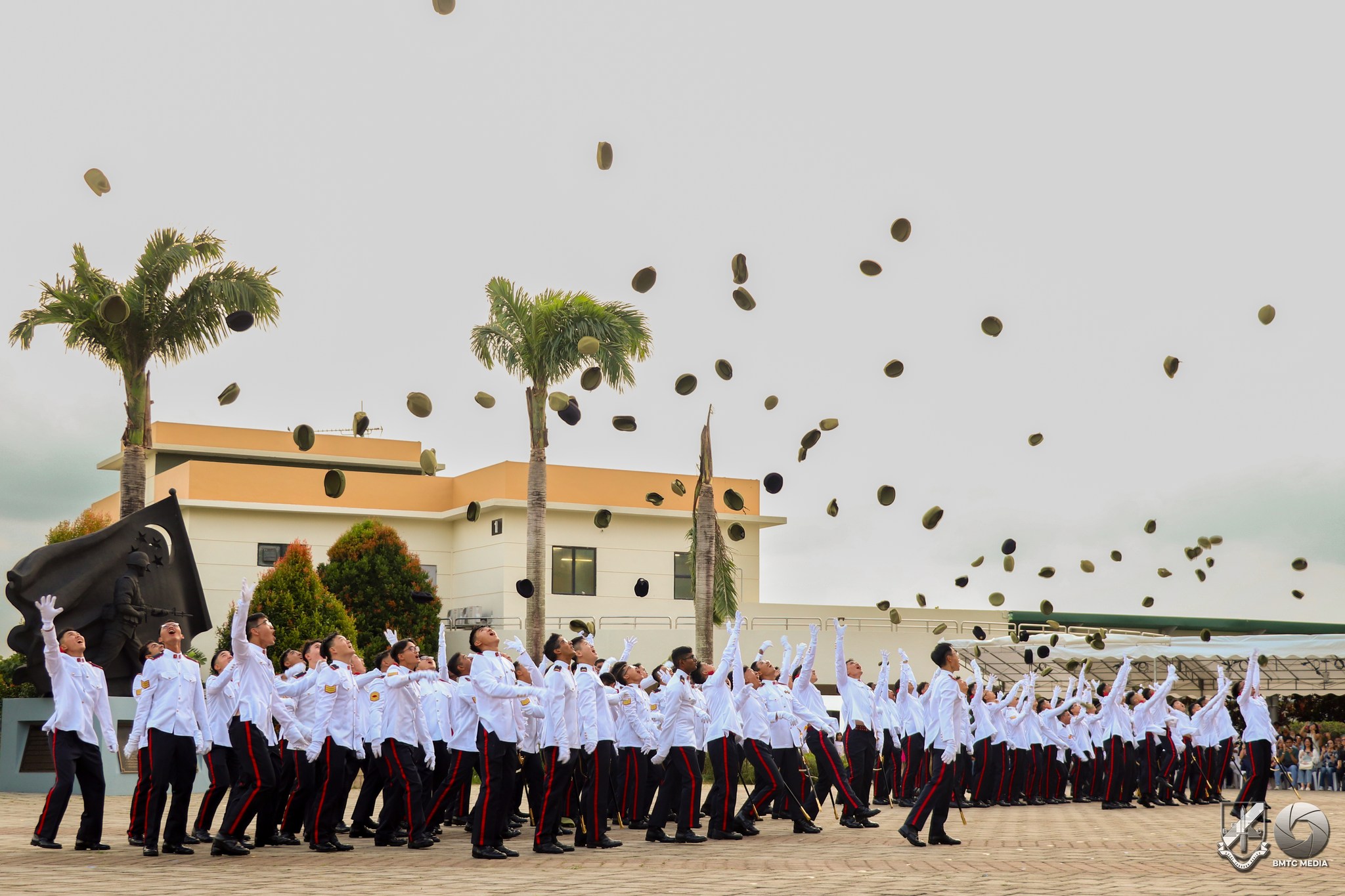 ORD loh. Photo from BMTC/Facebook
Interested to know more? You can sign up for the Digital Advocacy Programme, where young Singaporeans can tell their total defence stories on Mothership.
Top image from BMTC/Facebook