News

6 in China arrested for suspected lead poisoning of over 230 children
233 children were found to have elevated lead levels in their blood.
July 22, 2025, 07:01 PM
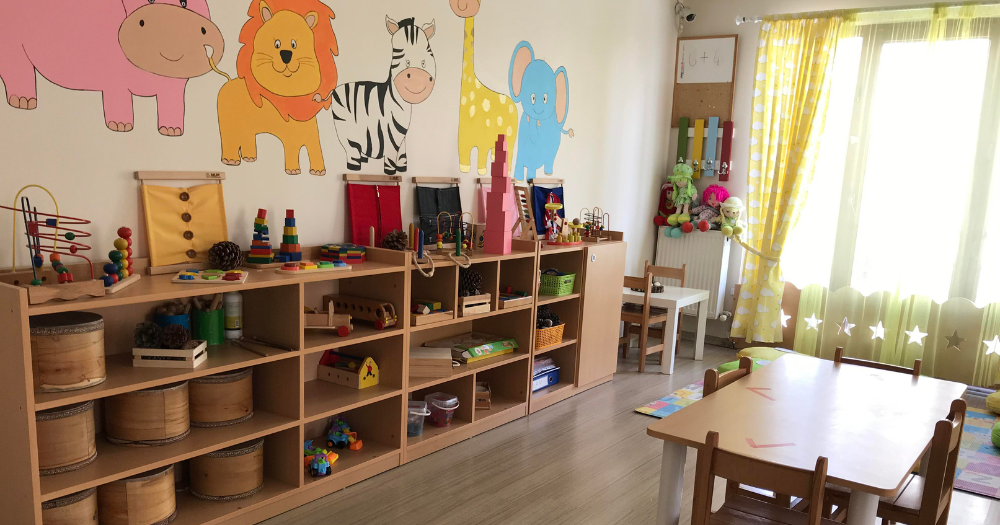


Six suspects have been arrested after more than 230 children at Peixin Kindergarten in Tianshui city in Gansu, China, were found to have high levels of lead in their blood.
According to a report released by Gansu authorities on Jul. 20, as reported in China Daily, 17 officials have been placed under disciplinary investigation.
Another 10, including senior health and education officials in Tianshui city and its Maiji district, face formal accountability procedures.
Lead exposure came from food prepared in the kindergarten
China Daily reported that investigations found that the source of the lead exposure was the food prepared at the kindergarten and not environmental contamination.
Tests on the air, water and soil in the area determined that there was no lead pollution.
The case was brought to public attention on Jul. 1 when market regulators and police in the Maiji district received reports of abnormally high levels of lead in the blood of children at Peixin Kindergarten.
All 251 children who were enrolled in the kindergarten were examined and 233 of them were found to have elevated lead levels in their blood.
At least 201 of them were subsequently hospitalised to receive treatment.
Concerns over effects of lead on the childrens' health
According to China Daily, the case has sparked widespread concern due to the serious health risks that long-term lead exposure poses to children.
The World Health Organisation (WHO) stated that exposure to extremely high levels of lead can result in severe damage to the brain and central nervous system, causing coma, convulsions and even death.
Children who survive lead poisoning may be left with permanent intellectual disability and behavioural disorders.
Enhanced the colour of the food to look more "appealing"
A joint investigation team tested 223 samples, which included raw materials, cooked food and water, from the kindergarten and three other preschools, China Daily reported.
Upon investigation, authorities discovered that the kindergarten's management had instructed the staff members to add brightly coloured but inedible industrial pigments to foods such as corn rolls and jujube cakes in order to make them more visually appealing to children and their parents.
Two food samples from the kindergarten, one tricolour red date sponge cake and one corn roll with sausage, failed to meet food safety standards.
The national limit for lead is 0.5 milligrams per kilogram, but the two samples were found to contain lead levels of 1,052 milligrams per kilogram and 1,340 milligrams per kilogram respectively, which is approximately 2,100 to 2,700 times the permissible level.
Suspected cover-up by local authorities
According to China Daily, it was revealed that the kindergarten was operating without a licence and that the local education and market supervision departments had failed to provide proper oversight.
A local hospital and the provincial centre for disease control and prevention (CDC) had also allegedly falsified test results, South China Morning Post (SCMP) reported.
As reported in SCMP, Chinese media outlet Caixin stated that the children at the kindergarten had allegedly been tested for more than a year after the pigments were first added to the food, but local hospitals did not find anything suspicious.
The official investigation revealed that over the past two years. the education bureau of the Maiji district had ignored illegal enrolments and did not conduct any safety inspections on the food served at private kindergartens.
China Daily added that several officials are also suspected of corruption involving the kindergarten's investor.
Disciplinary and criminal investigations on the officials, including the head of the provincial health commission and the mayor of Tianshui, are underway.
All affected children have received treatment
According to health authorities, all the affected children have received treatment and most have been discharged, BBC reported.
The children were discharged only after the levels of lead in their blood dropped by around 40 per cent on average.
The medical costs of the treatments have been covered by the government and a monitoring programme has also been set up to track the children's recovery.
In a public apology, the Gansu provincial government vowed to have "zero tolerance" on any regulatory lapses, and promised to improve food safety and health oversight in schools throughout the province.
Top photo via Canva